Tour Idea
Mid-range Gorilla trekking Holidays in Rwanda for Photographers
Photograph Rwanda's mountain gorillas on a mid-range safari with Volcanoes National Park trekking, practical camera advice and comfortable stays.
- Thoughtfully Paced Time to see the place, not only tick it
- Expert Planning Permits, lodges and transfers in one plan
- Wildlife & Culture Parks, communities and scenic rest days
Overview
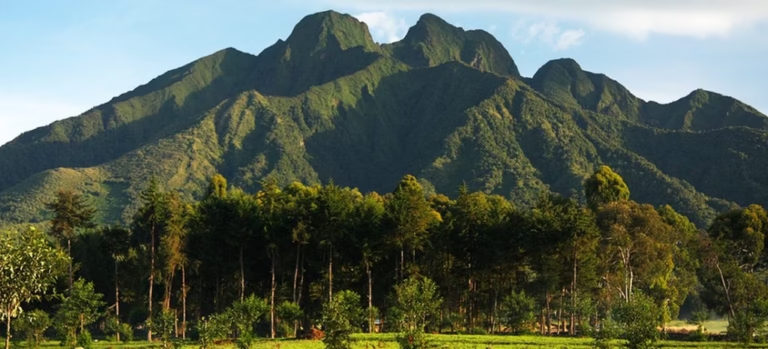
A mid-range gorilla trekking holiday in Rwanda for photographers combines one of Africa's most extraordinary primate encounters with the challenge of photographing wildlife in a dense mountain forest. Volcanoes National Park provides the setting, where habituated mountain gorilla families are observed under carefully controlled trekking regulations.
Photographers do not need to stay in Rwanda's most expensive lodges to obtain meaningful images. The gorilla encounter is governed by park procedures rather than accommodation category. This makes a mid-range itinerary particularly attractive for travelers who prefer to direct their budget toward permits, camera equipment, private transportation and additional trekking or wildlife experiences.
Successful gorilla photography depends on preparation, technical familiarity and responsible behavior more than luxury facilities.
Why Gorilla Photography Is Different
Photographing mountain gorillas differs greatly from photographing wildlife from a safari vehicle.
The forest can be dark, vegetation may obscure parts of the subject, and the gorillas determine where they sit or move.
Photographers cannot request that an animal change position.
These limitations make the experience challenging but also authentic.
Images often become more powerful when they show the gorillas as part of their natural forest environment rather than trying to imitate studio-style portraits.
Rwanda Gorilla Permits
Every photographer requires a valid permit for gorilla trekking in Rwanda.
The standard permit currently costs USD 1,500 per person.
Standard trekking allows approximately one hour with the habituated gorilla family after it has been located.
Permit availability is limited, so photographers should plan early.
Those traveling during popular periods may need to secure the trekking date before finalizing the rest of the safari.
Preparing Camera Equipment
Photographers should understand their equipment before entering the forest.
The gorilla viewing period is not the ideal time to learn basic autofocus or exposure settings.
Forest light can change quickly as gorillas move between open and shaded areas.
Equipment should therefore be familiar and responsive.
A versatile lens can be more practical than carrying several heavy options.
Photographers should remember that they must first trek with whatever equipment they bring.
Managing Low Light
Dense vegetation can reduce available light considerably.
Photographers may need to use higher ISO settings or wider apertures depending on equipment and conditions.
Shutter speed should remain sufficient for subject movement.
Modern cameras can often handle higher ISO values better than photographers expect.
It is preferable to capture a sharp image with some noise than a blurred image caused by an excessively slow shutter speed.
Avoiding Excessive Equipment
A heavy camera bag can become uncomfortable on steep or muddy terrain.
Photographers should distinguish between equipment they might theoretically use and what they realistically need.
A second camera body can be useful for avoiding lens changes, but it also adds weight.
Porter services can be extremely valuable.
A porter can help carry equipment during the trek, allowing the photographer to conserve energy.
Flash and Gorilla Photography
Flash photography should not be used around mountain gorillas.
Photographers should prepare for available-light conditions.
Camera settings and equipment choices must account for this restriction.
Visitors must also follow all additional instructions provided during the trekking briefing.
Wildlife welfare takes priority over photographic preferences.
A technically imperfect photograph is preferable to behavior that compromises conservation rules.
Composition in the Forest
Forest photography creates opportunities for more than close portraits.
Vegetation can frame the gorillas and reveal their environment.
Wide compositions may show the relationship between the animal and habitat.
Details such as hands, expressions and interactions can also create meaningful images when conditions allow.
Photographers should avoid becoming so focused on filling the frame that they overlook the wider story.
Observing Before Photographing
One of the most useful approaches is to spend part of the encounter simply observing.
Understanding what individual gorillas are doing can help photographers anticipate behavior.
A mother interacting with an infant, for example, may create stronger images if the photographer waits rather than continuously pressing the shutter.
Observation also ensures that the entire experience is not remembered only through a camera viewfinder.
Mid-Range Accommodation for Photographers
A mid-range gorilla photography safari can use comfortable accommodation close to Volcanoes National Park.
Photographers should prioritize dependable electricity for charging batteries, secure rooms and practical access to trekking activities.
Luxury facilities may be unnecessary when much of the day is spent outside the property.
A good meal, reliable shower and comfortable bed can be sufficient after a physically demanding trek.
Protecting Camera Equipment
Rain is possible in the mountain environment.
Photographers should carry appropriate protection for cameras and lenses.
Moisture-resistant bags or covers can be valuable.
A dry cloth should also be accessible.
Memory cards and spare batteries should be protected carefully.
Equipment preparation should occur before leaving the lodge rather than at the trekking assembly point.
Using a Porter
Photographers frequently benefit from porter assistance more than ordinary trekkers because camera equipment adds weight.
Porters can help carry bags and may provide support on difficult terrain.
This allows photographers to save energy for the actual encounter.
Using porter services can also contribute to local livelihoods.
Travelers should discuss appropriate arrangements with their safari operator or guide.
Golden Monkeys for Additional Photography
Golden monkey trekking can provide a second photographic challenge.
Golden monkeys move more rapidly than gorillas and often appear among bamboo vegetation.
Photographers may need faster reactions and different settings.
Including both activities creates a more varied primate portfolio.
They should be scheduled on separate days so that equipment can be reorganized and travelers can recover.
Photographing Rwanda Beyond Gorillas
Photographers should not put away their cameras after leaving Volcanoes National Park.
Rwanda's volcanic landscapes, cultivated hills, Kigali and Lake Kivu provide opportunities for environmental and travel photography.
A wider portfolio gives context to the gorilla images.
Akagera National Park can add savannah wildlife for photographers with additional time.
Nyungwe offers forest birds and other primates.
Ethical Wildlife Photography
No photograph justifies disturbing a gorilla.
Photographers must respect the required distance and guide instructions.
Visitors should never pressure guides for exceptions or attempt to position themselves independently.
Human health precautions are equally important because gorillas can be vulnerable to illnesses transmitted by people.
Ethical behavior should be visible in both the photography process and the resulting story.
Planning Enough Time
Photographers benefit from a slower itinerary.
Several nights around Volcanoes National Park reduce pressure.
Adding golden monkeys or another gorilla trekking opportunity requires additional permits and planning.
Lake Kivu can provide a useful recovery period after forest activities.
A rushed itinerary rarely produces the strongest photographic experience.
Planning a Mid-Range Rwanda Gorilla Photography Safari
A mid-range gorilla trekking holiday in Rwanda for photographers allows travelers to concentrate resources on the wildlife encounter rather than premium accommodation.
Volcanoes National Park provides the extraordinary subject, but technical preparation and ethical behavior determine how effectively photographers respond to the opportunity.
The standard USD 1,500 Rwanda gorilla permit should be secured early, and photographers should arrive with equipment they understand well.
Comfortable mid-range accommodation, porter support and private transportation can keep the journey practical. By combining gorillas with golden monkeys, landscapes or other Rwanda wildlife, photographers can return with a richer visual story while ensuring that conservation always remains more important than the photograph.