Tour Idea
Luxury Birdwatching Holidays in Rwanda for Solo travellers
Plan a luxury Rwanda birdwatching safari for solo travellers through Akagera, Nyungwe, Volcanoes and Lake Kivu with private guiding.
- Thoughtfully Paced Time to see the place, not only tick it
- Expert Planning Permits, lodges and transfers in one plan
- Wildlife & Culture Parks, communities and scenic rest days
Overview
Birdwatching is naturally suited to solo travel because it rewards patience, independence and the freedom to concentrate on personal interests. Rwanda adds another advantage by bringing savannah, wetlands, montane forest, lakes and volcanic highlands into a relatively compact destination. A luxury Rwanda birdwatching safari for solo travellers can therefore cover remarkably varied habitats while maintaining private transportation, specialist guiding and comfortable accommodation throughout the journey.
Travelling alone does not mean birding without support. A knowledgeable private guide can identify calls, locate difficult species and explain the ecological differences between Rwanda's major habitats. Outside the field, the traveller retains the freedom to relax privately, adjust the pace and decide which experiences deserve more time.
Akagera National Park and Nyungwe are particularly important for a serious birding itinerary, while Volcanoes National Park, Lake Kivu and Kigali can provide additional habitats, primate experiences and cultural variety.
Why Rwanda Works for Solo Birdwatchers
A solo birding safari eliminates many of the compromises associated with travelling in a mixed-interest group.
There is no need to leave a productive birding location because another traveller has become impatient. Equally, the traveller can decide to finish early after a demanding morning without affecting anyone else's schedule.
Private transportation also allows the route to be designed around birding rather than generic sightseeing.
This flexibility makes solo birdwatching in Rwanda particularly rewarding for travellers who have clear target interests or who simply prefer to observe nature quietly.
The Importance of a Specialist Guide
Birds can be difficult to locate even in excellent habitats.
Many forest species are heard before they are seen, and subtle calls may be unfamiliar to an international visitor.
A specialist guide can interpret these sounds and explain where to look.
For solo travellers, direct access to the guide is particularly valuable. There is no competition for explanations or viewing positions.
The guide can also adjust the level of detail according to the traveller's experience, whether they are an enthusiastic beginner or an experienced birder.
Beginning in Kigali
Kigali provides a comfortable first stage after international travel.
A premium city hotel allows the traveller to rest before beginning early birding departures.
Selected green spaces and suitable habitats may provide introductory bird observations depending on the itinerary, but Kigali also deserves attention for its culture and history.
The Kigali Genocide Memorial provides important historical context, while galleries, restaurants and cafés can introduce contemporary Rwanda.
A luxury solo itinerary does not need to begin with an exhausting field day immediately after arrival.
Birding in Akagera National Park
Akagera provides an excellent introduction to Rwanda's open-country birdlife.
Savannah, woodland, lakes and wetlands support a broad range of species.
A private safari vehicle allows the solo birder to stop for smaller birds that a conventional wildlife safari might pass quickly.
The park also supports elephants, giraffes, zebra, buffalo and numerous antelope species. Lions, rhinoceros and leopard inhabit Akagera as well, although individual wildlife sightings cannot be guaranteed.
This mixture of birds and mammals makes Akagera particularly rewarding.
Lake Ihema Birdwatching
A boat excursion on Lake Ihema introduces the traveller to wetland birding from a different perspective.
Waterbirds and shoreline species can be observed while hippos and crocodiles may also be encountered.
A solo traveller should keep binoculars and camera equipment manageable on the boat.
The change from vehicle-based birding to water-based observation adds variety and can produce excellent photography opportunities.
Lake Ihema demonstrates why an Akagera birding safari should include more than game drives alone.
Bird Photography in Akagera
Solo photographers benefit from having fewer competing priorities inside the safari vehicle.
Where park regulations and conditions permit, the guide can position the vehicle with photographic interests in mind.
However, birds remain unpredictable.
A subject may fly before ideal settings are prepared, while another may remain partially hidden by vegetation.
The objective should be to work with natural behavior rather than pressure the guide to disturb wildlife for a cleaner photograph.
Responsible photography is an essential part of luxury wildlife travel.
Nyungwe and Albertine Rift Birding
Nyungwe National Park provides a completely different birding environment.
Its montane forest forms part of the Albertine Rift region and supports species of particular interest to specialist birders.
Forest birding requires patience. Birds may remain high in vegetation, move rapidly through mixed flocks or reveal themselves primarily through calls.
A private guide can concentrate entirely on the solo traveller's targets and experience level.
Spending several nights around Nyungwe gives the forest enough time to reveal its diversity.
Walking in Nyungwe
Birding in Nyungwe can involve significant walking.
Comfortable footwear, rain protection and layered clothing are important.
The traveller should carry water and essential equipment without making the daypack excessively heavy.
A porter or other appropriate support may be considered where available and relevant to the planned activity.
Luxury does not eliminate the physical character of forest birding, but good planning can make the experience considerably more comfortable.
Chimpanzees as a Primate Extension
Chimpanzee trekking can be included during the Nyungwe stage.
The experience adds another dimension to the forest and gives the traveller a break from concentrating exclusively on birds.
Chimpanzees can move rapidly through the habitat, creating a dynamic encounter.
Current permit prices, minimum ages and participation requirements should be confirmed for the intended dates.
The traveller should allow enough time afterward to recover rather than filling every afternoon with additional activities.
Volcanoes National Park
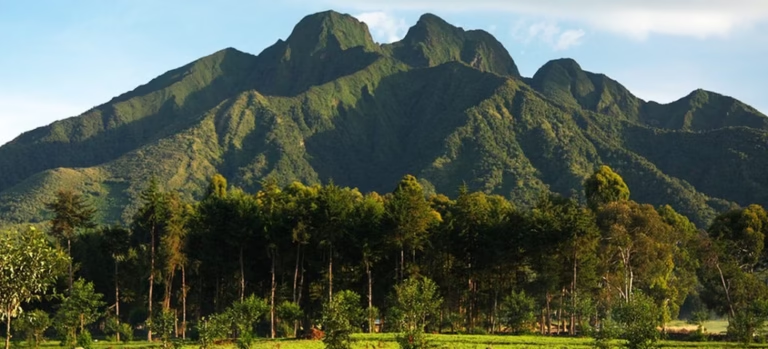
The volcanic northwest adds highland habitats and dramatic scenery.
Birdwatching can be combined with mountain gorilla or golden monkey trekking according to interest.
For a solo traveller, this flexibility is especially useful. The journey can remain primarily bird-focused while still including one of Rwanda's most famous wildlife experiences.
The region's volcanic scenery also provides a welcome change from Nyungwe's enclosed forest environment.
Adding Mountain Gorilla Trekking
Mountain gorilla trekking requires a valid permit.
Rwanda's standard international visitor permit is USD 1,500 per person, subject to applicable regulations and any valid promotions. Participants must be at least 15 years old.
Solo travellers join the regulated trekking arrangements according to park procedures.
Once the assigned habituated gorilla family is located, standard trekking allows a regulated hour in its presence.
The experience should be appreciated as a major primate encounter rather than merely another opportunity to add forest birds to the day's list.
Lake Kivu for Slower Birding
Lake Kivu can provide valuable recovery after intensive forest days.
A solo traveller can observe birds around appropriate lakeside habitats, enjoy a boat excursion or simply spend time photographing the scenery.
Coffee experiences may also be included.
The lake is particularly useful because it allows the itinerary to slow down without becoming uninteresting.
A Lake Kivu birdwatching extension can mix informal observation with genuine leisure.
Choosing Luxury Accommodation
Birding often involves early departures, so accommodation location is as important as luxury level.
A premium lodge far from the principal habitat may create unnecessary driving before sunrise.
Properties should therefore be selected according to comfort and practical access.
Solo travellers should also consider single supplements because many safari rooms are priced around double occupancy.
A high-quality room, good meals and efficient service become especially valuable after demanding forest walks.
Equipment for a Solo Birding Safari
Reliable binoculars are essential.
Travellers should become familiar with focusing and adjusting them before departure.
A field guide or digital reference can help with identification, while a notebook is useful for maintaining a personal checklist.
Photographers may carry a telephoto lens but should consider its weight carefully during forest walks.
Spare batteries, memory cards and rain protection should remain accessible.
Equipment should help the traveller observe birds rather than become a burden.
Keeping a Bird List
A solo traveller can maintain a checklist according to personal preference.
Some birders record every species immediately, while others prefer reviewing the day's sightings with their guide in the evening.
Either approach can work.
The list should support the experience rather than dominate it.
Unexpected observations often become more memorable than the species originally identified as targets.
A knowledgeable guide can help confirm difficult identifications before they are added permanently.
Responsible Birdwatching
Bird welfare should always come before a photograph or checklist addition.
Travellers should follow guide instructions and avoid repeatedly approaching sensitive birds.
Nesting and feeding behavior requires particular care.
The use of any methods intended to attract birds should follow professional guiding standards and applicable conservation rules.
A responsible Rwanda birding safari values natural behavior and habitat protection.
Balancing Birding with Relaxation
Solo birders sometimes schedule themselves more aggressively because no companion is present to request a break.
This can lead to fatigue.
A luxury itinerary should include free afternoons, comfortable meals and occasional mornings that begin later.
These periods help the traveller maintain concentration during the important birding sessions.
They also create space to appreciate Rwanda beyond the checklist.
Choosing the Right Travel Period
Birdwatching is possible throughout the year, although rainfall, breeding activity and migrant presence influence conditions.
Forest trails can become muddy during wetter periods.
Travellers with particular target species should discuss timing with a specialist planner.
No season can guarantee every desired bird.
Covering the right habitats with experienced guiding is generally more important than searching for a supposedly perfect date.
Plan Your Luxury Solo Birdwatching Safari
A Luxury Birdwatching Holiday in Rwanda for solo travellers combines independence with specialist support across some of East Africa's most varied habitats.
Akagera offers savannah and wetland birding, Nyungwe introduces Albertine Rift forest species, and the Volcanoes region provides highland habitats with optional gorilla and golden monkey experiences. Lake Kivu can provide a quieter stage between intensive field sessions.
Gecko Safaris Africa can tailor a Rwanda solo birdwatching safari around your target species, experience level, photography interests and accommodation preferences, giving you private guiding and logistical support while preserving the flexibility that makes solo birding so rewarding.