Tour Idea
Fly-in Family safari Holidays in Rwanda for Photographers
Plan a Rwanda fly-in family photography safari with Akagera wildlife, primates, Lake Kivu landscapes and flexible private guiding.
- Thoughtfully Paced Time to see the place, not only tick it
- Expert Planning Permits, lodges and transfers in one plan
- Wildlife & Culture Parks, communities and scenic rest days
Overview
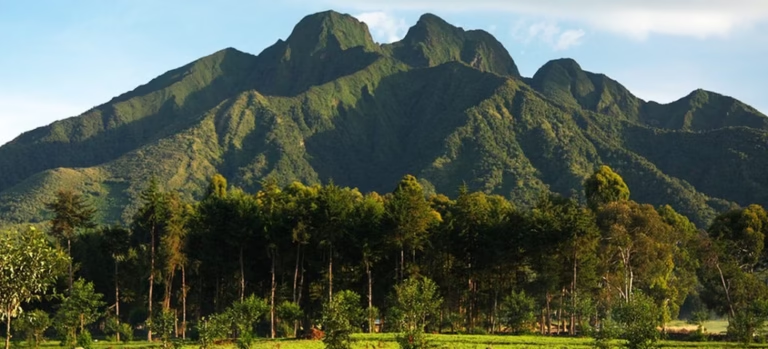
A fly-in family safari holiday in Rwanda for photographers combines the enjoyment of travelling together with opportunities to photograph wildlife, landscapes, people and natural environments. Rwanda provides unusual photographic variety within one destination, from Akagera's open savannah and wetlands to Lake Kivu, Nyungwe rainforest and the volcanic landscapes surrounding Volcanoes National Park.
Photography-focused family travel requires careful balance. Dedicated photographers may want to wait patiently for ideal light or animal behaviour, while children and non-photographers may become restless. A private itinerary helps solve this challenge by allowing the programme to combine serious photographic opportunities with activities that interest the wider family.
Selected flights can reduce longer transfers, while private ground transportation gives photographers flexibility for scenic stops. This makes a Rwanda family photography safari both practical and rewarding.
Why Rwanda Works for Photography Families
Rwanda offers several dramatically different photographic environments.
Akagera provides classic wildlife and open landscapes. Nyungwe introduces rainforest, primates and birds. Volcanoes National Park offers mountain gorillas and volcanic scenery, while Lake Kivu provides water, hills and community life.
Families therefore do not need to travel between several countries to build a diverse photographic portfolio.
This simplifies logistics when carrying camera equipment and travelling with children.
A private guide can also help balance the priorities of photographers and family members who are primarily interested in experiencing the destination.
Photographing Wildlife in Akagera
Akagera National Park is one of the strongest destinations for family wildlife photography.
Open habitats provide better sightlines than dense rainforest, making the park suitable for photographers with different experience levels.
Travellers can search for elephants, giraffes, zebras, buffaloes, antelopes and predators.
A telephoto zoom lens provides flexibility because wildlife distances can change rapidly.
Parents can also help older children develop photography skills by teaching them to observe behaviour rather than simply taking continuous photographs.
Private Vehicles for Photographers
A private safari vehicle provides a major advantage.
Photographers can request appropriate positioning and spend reasonable time at productive sightings without worrying about unrelated passengers.
The guide must still follow park regulations and cannot leave authorised areas simply to obtain a photograph.
Family needs also matter. If children become tired, the group may need to shorten a session.
A flexible schedule can include dedicated photography drives for interested family members while others enjoy a different activity.
Lake Ihema Photography
A boat safari on Lake Ihema adds aquatic subjects.
Hippos, crocodiles and waterbirds can provide photographic opportunities, while shoreline vegetation creates attractive environmental compositions.
Camera equipment should be secured carefully around water.
A moderate telephoto lens is often more practical than carrying extremely heavy equipment on the boat.
Families should follow crew instructions, particularly when children are present.
The experience is valuable even when photography conditions are difficult because it introduces a completely different ecosystem.
Why Fly-in Travel Benefits Photographers
Camera equipment can make long transfers tiring.
A fly-in Rwanda photography safari can reduce selected journeys when appropriate flight services are available.
The saved time can sometimes be used for photography during better morning or evening light.
However, flights create baggage considerations. Smaller aircraft may impose stricter weight limits.
Photographers should therefore avoid carrying equipment that is unlikely to be used.
Road travel remains valuable because Rwanda's countryside provides landscape and cultural subjects between destinations.
Lake Kivu Landscapes
Lake Kivu provides a slower photographic environment after wildlife drives.
Morning and evening conditions can produce attractive light over the water and surrounding hills.
Boats, fishing activity and shoreline communities add human elements.
Families can combine photography with relaxation rather than treating every outing as a formal shoot.
Children may enjoy boat excursions while photographers work on landscapes.
Several nights beside the lake also provide time for backing up images and maintaining equipment.
Gorilla Photography for Eligible Family Members
Families with members aged 15 or older may consider gorilla trekking in Rwanda.
Forest photography is technically challenging because light can be limited and vegetation dense.
Photographers should know their camera settings before entering the forest.
A telephoto or versatile zoom can be useful, but excessive equipment becomes burdensome on steep terrain.
All ranger instructions take priority over photography.
Visitors must never attempt to move closer or interfere with the gorillas simply to improve composition.
Photographing Chimpanzees in Nyungwe
Chimpanzee photography presents a different challenge.
Chimpanzees can move quickly through forest vegetation, requiring photographers to respond rapidly.
Higher ISO settings and faster shutter speeds may be necessary under the canopy.
The forest itself is also an important subject. Wide views, mist, plants and other primates can produce excellent images.
Older family members participating in chimpanzee trekking should prepare for potentially demanding terrain.
The activity should be planned according to age and fitness requirements.
The Nyungwe Canopy Walk
The canopy walkway provides opportunities for environmental photography.
Wide-angle lenses can show the bridge surrounded by forest, while longer lenses can isolate distant hills.
Families can also take memorable photographs together.
Camera straps should remain secure, and loose equipment should be stored safely.
Visitors uncomfortable with heights should not feel pressured to participate simply because other family members want photographs from the walkway.
Alternative activities can be incorporated where practical.
Teaching Children Photography
A family safari can be an excellent environment for introducing children to photography.
Young travellers do not necessarily need sophisticated cameras. A simple camera or phone can encourage them to observe more carefully.
Parents can give children themes such as birds, landscapes, patterns or favourite animals.
This creates engagement without turning photography into a technical lesson.
Older teenagers may enjoy learning about shutter speed, composition and wildlife behaviour.
The aim should be curiosity rather than producing professional results.
Cultural Photography with Families
Rwanda's communities and agricultural landscapes provide valuable photographic subjects, but respect is essential.
Families should model responsible behaviour for children.
Permission should be requested for close portraits where appropriate, and people should not be treated as props.
Coffee experiences can provide excellent opportunities to photograph agricultural processes without making the camera the sole purpose of the visit.
Children can also learn that responsible photography involves relationships and consent as well as technical skill.
Selecting Camera Equipment
Photography families should avoid carrying every available lens.
A versatile telephoto zoom can handle much of the wildlife work, while a standard or wide lens covers landscapes and family photographs.
Two camera bodies can reduce lens changes for serious photographers, but weight must be considered.
Rain covers, spare batteries and memory cards are important.
A compact camera can also be useful during cultural experiences where a large professional setup would feel intrusive.
Protecting Equipment
Rwanda's different environments expose equipment to dust, rain and humidity.
Rain protection is particularly important in forest regions.
Lens cloths and basic cleaning equipment should remain accessible.
Camera bags should be organised so equipment can be protected quickly when weather changes.
At the lodge, photographers should allow damp equipment to dry appropriately.
Families travelling with several cameras should establish clear responsibility for each bag to prevent items being left behind during transfers.
Backing Up Family Photographs
Photographs should be backed up throughout the journey.
Memory cards can be copied to a laptop or portable storage device while originals remain intact.
Travellers should avoid waiting until the final night to organise thousands of images.
Regular backups reduce the risk of losing irreplaceable family memories.
Quiet afternoons at Lake Kivu or lodges can provide convenient time for image management.
Balancing Photography and Family Time
The strongest photography itinerary is not necessarily the one containing the most camera time.
Children and non-photographers need activities that interest them independently.
A long sunrise session may be exciting for a photographer but frustrating for a young child.
The itinerary can therefore include some dedicated photographic outings and some experiences where cameras remain secondary.
This balance helps everyone enjoy Rwanda.
Responsible Wildlife Photography
Wildlife welfare always takes priority over obtaining an image.
Animals should never be fed, chased or deliberately disturbed.
Park rules and guide instructions must be followed.
Flash and other equipment should only be used where regulations allow.
Children can learn valuable conservation lessons by watching adults prioritise animal welfare over photography.
A responsible image is more meaningful because it was created without compromising the subject.
Plan Your Rwanda Family Photography Safari
A fly-in family safari holiday in Rwanda for photographers provides opportunities to create images across remarkably different environments while sharing the journey with family.
Akagera offers savannah wildlife, Lake Kivu provides landscapes, Nyungwe introduces rainforest and chimpanzees, and Volcanoes National Park adds gorillas for eligible travellers.
Selected flights can preserve time, while private guiding allows photographic priorities to be balanced with family needs.
Gecko Safaris Africa can tailor accommodation, transport, wildlife activities and travel pace around both photography interests and children's ages, creating a safari where memorable images complement rather than replace the experience of discovering Rwanda together.