Tour Idea
Family Golden monkey trekking Holidays in Rwanda for Small groups
Plan golden monkey trekking in Rwanda for small groups, with Volcanoes National Park tips, preparation, accommodation and responsible travel advice.
- Thoughtfully Paced Time to see the place, not only tick it
- Expert Planning Permits, lodges and transfers in one plan
- Wildlife & Culture Parks, communities and scenic rest days
Overview
A family golden monkey trekking holiday in Rwanda for small groups combines primate encounters, mountain scenery and the convenience of travelling with a limited number of relatives or friends. Golden monkeys live within the forests of the Virunga highlands, and Rwanda's Volcanoes National Park provides an opportunity to enter their natural environment under the guidance of experienced park personnel.
The experience is different from Rwanda's famous mountain gorilla trekking. Golden monkeys are smaller and considerably more active. They may move rapidly between bamboo, feed among vegetation and change position frequently during an encounter. Their energetic behaviour creates a lively wildlife experience that can be particularly rewarding for families and groups interested in primates, photography and nature.
Small groups are well suited to this type of holiday because transport and accommodation costs can be shared while the overall experience remains personal. Travellers can also combine golden monkeys with other activities around Musanze, making northern Rwanda much more than a single-day primate destination.
Discovering Golden Monkeys in Volcanoes National Park
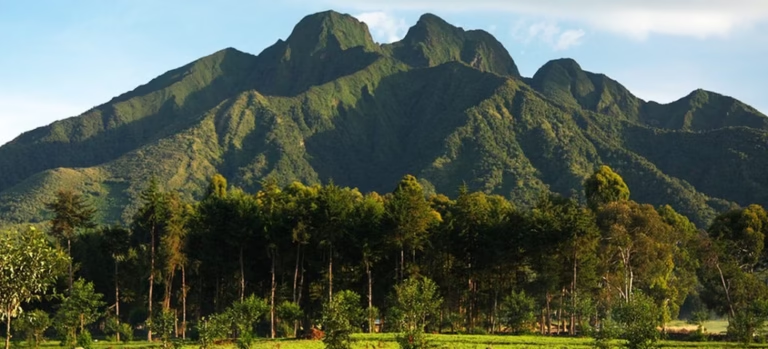
Volcanoes National Park lies within the spectacular Virunga mountain landscape of northern Rwanda. The park is internationally associated with mountain gorillas, but its biodiversity extends well beyond them.
Golden monkeys are among the distinctive primates found within this environment. Their bright colouring and active movements make them visually memorable.
A golden monkey trek in Rwanda allows visitors to experience the forest itself as well as the animals. Bamboo zones, mountain vegetation and changing weather contribute to the atmosphere of the excursion.
Small groups should approach the activity with realistic expectations. These are wild animals moving freely within a protected habitat, and every encounter develops differently.
Why Small Groups Work Well
Travelling as a small group can make Rwanda considerably more economical than travelling individually.
A private vehicle and driver-guide can be shared among several participants. This reduces the transportation cost per traveller while retaining flexibility.
Small groups also have an advantage when organising accommodation. Friends and relatives can use twin, double and family room arrangements according to their needs.
The result can be a Rwanda family primate safari that feels private without requiring every traveller to carry the cost of a completely individual journey.
Preparing for the Forest
Golden monkey trekking requires visitors to walk through a natural mountain environment. Conditions can change according to rainfall and the location of the monkeys.
Good walking shoes with reliable grip are important. Long trousers and a lightweight waterproof jacket should also be included.
The Virunga highlands can receive rain even when the day begins with clear conditions. Carrying waterproof protection for cameras and personal items is therefore sensible.
Group members should discuss any mobility concerns before booking so that appropriate advice can be obtained.
Fitness and Pacing
Travellers do not need to approach the activity as a competitive hike, but reasonable walking fitness improves comfort.
Preparing with regular walks before the holiday can help. Including hills or stairs in training is particularly useful because Rwanda's northern landscape is not flat.
Within a family group, fitness levels may differ considerably. The strongest walkers should not create pressure for everyone else to move at the same pace.
Listening to the guides and maintaining a sustainable pace creates a more enjoyable experience.
Photographing Golden Monkeys
Golden monkeys can be challenging photographic subjects because they move rapidly and forest light is often uneven.
Photographers should understand their camera settings before entering the forest. There may be little time to experiment when a monkey suddenly moves into a clear position.
A moderate telephoto lens can be useful without adding excessive weight.
Group members using smartphones can still obtain memorable photographs, particularly when the monkeys are visible in open sections of bamboo.
All photography must remain secondary to park rules and wildlife welfare.
Combining Golden Monkeys with Gorillas
Small groups with sufficient budget may combine golden monkey trekking with mountain gorilla trekking in Rwanda.
The geographical combination is convenient because both experiences are associated with Volcanoes National Park.
Rwanda's gorilla permits cost USD 1,500 per person. Gorilla trekking has a minimum age of 15, and a maximum of eight trekkers visits an allocated gorilla family at a time. Once the gorillas are reached, the standard viewing period is one hour.
These requirements should be considered carefully when planning a family group containing younger travellers.
Alternatives for Different Group Members
Not every person in a small group needs to complete every activity.
Some travellers may be interested primarily in primates, while others prefer culture, scenery or photography.
A well-designed itinerary can allow selected members to trek while others participate in suitable alternative activities.
This flexibility is especially valuable for multigenerational families.
The group can then reunite afterward rather than forcing every participant into the same programme.
Exploring Musanze
Musanze is the principal urban centre for travellers visiting Volcanoes National Park.
Spending several nights in the area allows the group to appreciate the wider volcanic region rather than treating it only as a departure point for trekking.
The surrounding countryside offers striking views, agricultural landscapes and opportunities for cultural experiences.
Restaurants and accommodation across different categories also make Musanze practical for groups working with different budgets.
Cultural Experiences Around the Volcanoes
Community and cultural activities can add depth to a Volcanoes National Park holiday.
Travellers can learn about local traditions, food, crafts and life around the volcanic landscape.
Responsible programmes help visitors understand the relationship between communities, conservation and tourism.
Small groups are particularly suitable because interaction can remain manageable and personal.
Visitors should always request permission before photographing people closely.
Choosing Group Accommodation
Accommodation around Volcanoes National Park ranges from straightforward guesthouses to high-end lodges.
Small groups should select properties according to total value rather than assuming luxury is necessary for a memorable experience.
Room configuration matters. Families should determine whether they require twins, doubles, triples or connecting arrangements before booking.
Location also affects early morning logistics.
A comfortable property with reliable meals and convenient access can provide greater practical value than unnecessary luxury.
Adding Lake Kivu
Lake Kivu is a natural extension to a northern Rwanda itinerary.
After several early mornings and forest activities, the lake offers an opportunity to slow the pace.
Groups can enjoy the scenery, suitable boat experiences or simply spend time relaxing together.
This contrast makes the complete journey more balanced.
Instead of scheduling another demanding activity immediately after trekking, several quieter days can help travellers appreciate the holiday more fully.
When to Travel
Golden monkey trekking is possible throughout the year.
June through September is generally associated with relatively drier conditions, while December and January can also be attractive periods for Rwanda travel.
Rain remains possible in the mountains at any time.
During wetter periods, forest paths may become muddier, but the landscape remains exceptionally green.
Groups should choose dates according to the complete itinerary rather than focusing on a single activity.
Responsible Primate Tourism
Golden monkeys are wild primates and should always be treated accordingly.
Visitors must follow the instructions provided by guides and park personnel. Animals should never be touched or fed.
Travellers should also respect required viewing distances and other current park regulations.
Anyone who is unwell should communicate honestly before participating in primate activities because disease transmission between humans and wildlife is a serious conservation concern.
Building a Small-Group Rwanda Itinerary
A practical itinerary can begin in Kigali before travelling north toward Musanze.
Several nights around Volcanoes National Park provide time for golden monkey trekking and selected cultural or nature experiences.
Groups with eligible members and sufficient budget can add gorilla trekking on another day.
Lake Kivu can then provide relaxation before returning to Kigali or continuing toward other regions.
With more time, Akagera or Nyungwe can broaden the wildlife experience.
Experiencing Rwanda's Energetic Primates Together
A family golden monkey trekking holiday in Rwanda for small groups provides much more than a secondary primate activity. Golden monkeys offer their own distinctive behaviour, forest habitat and photographic challenges.
Small groups can share transportation costs while retaining enough flexibility to accommodate different interests and abilities. Spending several nights in northern Rwanda also allows travellers to combine the trek with culture, volcanic landscapes and other wildlife experiences.
When organised responsibly and paced carefully, golden monkey trekking becomes an engaging chapter of a broader Rwanda family adventure and a memorable way to discover the extraordinary biodiversity of the Virunga highlands.