Tour Idea
Family Cycling tour Holidays in Rwanda for Small groups
Plan a Rwanda family cycling holiday for small groups with scenic routes, Lake Kivu rides, fitness advice, support vehicles and practical planning.
- Thoughtfully Paced Time to see the place, not only tick it
- Expert Planning Permits, lodges and transfers in one plan
- Wildlife & Culture Parks, communities and scenic rest days
Overview
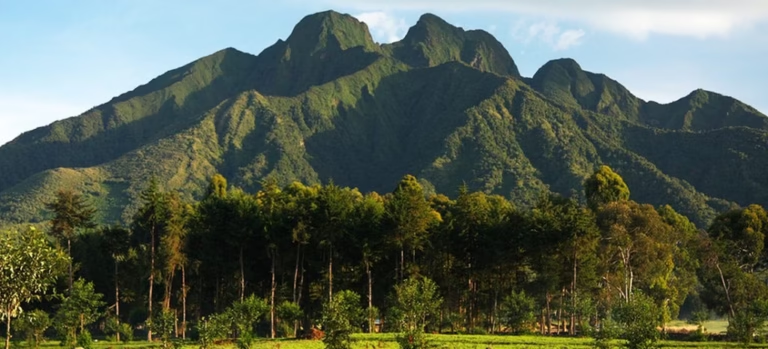
Rwanda's reputation as the Land of a Thousand Hills makes it an exciting destination for travellers who enjoy exploring by bicycle. A family cycling tour in Rwanda for small groups allows relatives or friends to experience rural landscapes at a slower pace than conventional road touring while still covering enough distance to see meaningful changes in scenery.
Cycling reveals details that are easily missed from a vehicle. Riders notice cultivated hillsides, roadside communities, changing vegetation and the physical contours of the land. Around Lake Kivu and other suitable regions, cycling can become one of the most memorable ways to connect several landscapes.
Families should nevertheless take Rwanda's hills seriously. Routes need to be matched to the group's fitness and cycling experience. A small group containing teenagers, active parents and older relatives may have significantly different abilities. Good planning ensures that the ride remains enjoyable for everyone.
Why Small Groups Work Well for Cycling
A limited group size makes communication easier. Riders can stay together more naturally, and guides can respond quickly when someone needs a rest.
Support logistics also become more manageable. Bikes, luggage and equipment can be transported without the complexity associated with very large groups.
Small groups can often adapt daily distances according to the abilities of the riders, depending on the route and programme.
This makes a Rwanda small-group cycling holiday particularly suitable for families who want a personalised experience.
Understanding Rwanda's Terrain
The word "hilly" should not be treated casually when planning a cycling trip in Rwanda. Many regions contain sustained climbs and descents.
Experienced cyclists may find this terrain exciting, while beginners can become exhausted if the route is too ambitious.
Families should provide their operator with accurate information about normal cycling habits. Someone who occasionally rides a few kilometres on flat roads has different requirements from a rider who regularly completes long hill routes.
Appropriate route selection is therefore essential.
Cycling Around Lake Kivu
Lake Kivu is one of Rwanda's most appealing regions for cycling. The combination of water, hills, villages and agricultural landscapes provides exceptional scenery.
Sections of the broader Congo Nile Trail have become particularly associated with cycling and hiking in western Rwanda. The complete route is not necessary for every family.
Small groups can select manageable sections according to available time and fitness.
This flexibility allows families to experience the character of the trail without turning the holiday into an endurance expedition.
Choosing the Right Bicycles
Bike quality can strongly influence enjoyment. Travellers should discuss what type of bicycles are provided and whether frame sizes can be matched appropriately.
Brakes and gears need to function reliably because Rwanda's terrain involves both climbing and descending.
Helmets should be treated as essential safety equipment.
Experienced cyclists may have specific preferences, but bringing a personal bicycle internationally adds logistical complexity. Renting appropriate equipment locally is often more practical for a broader family holiday.
Support Vehicles and Family Comfort
A support vehicle can dramatically improve a family cycling itinerary. Riders who become tired can complete part of a route by vehicle rather than forcing themselves beyond a safe level.
The vehicle can also transport luggage, water and equipment between overnight stops.
For small groups with different abilities, this creates valuable flexibility.
Using support does not diminish the cycling experience. It allows each family member to participate at an appropriate level.
Preparing Physically Before Travel
Regular cycling before departure is the best preparation. Riders should gradually increase both distance and hill exposure.
Strength and cardiovascular fitness help with sustained climbing, while familiarity with gears improves efficiency.
Families should also practise descending safely. Rwanda's hills mean riders will spend substantial time going downhill as well as climbing.
Children and teenagers should demonstrate reliable bike handling before attempting demanding routes.
Road Awareness and Safety
Cyclists must remain alert to traffic, pedestrians, changing surfaces and other road users.
A professional cycling guide can help groups understand local conditions and select appropriate routes.
Riders should follow instructions concerning formation and safe distances. Descents should never become uncontrolled races.
Weather can also influence road surfaces, particularly after rainfall.
Safety should always take priority over completing a predetermined distance.
Clothing and Equipment
Padded cycling shorts can make longer rides considerably more comfortable. Lightweight, breathable clothing is useful during climbs.
A waterproof layer should be accessible because rain is possible throughout the year.
Sun protection remains important even when cloud reduces the feeling of direct heat.
Travellers should carry water according to the arrangements provided by the cycling operator and maintain hydration throughout the ride.
Cycling with Teenagers
Teenagers who already cycle regularly may enjoy the physical challenge of Rwanda's hills.
Parents should still ensure that daily distances remain realistic. Enthusiasm at the beginning of a trip can lead riders to underestimate accumulated fatigue.
Giving teenagers responsibility for basic bike checks or route discussions can increase engagement.
The experience can become a genuine family adventure rather than an activity designed entirely by adults.
Cultural Experiences Along Cycling Routes
One of the strongest reasons to explore Rwanda by bicycle is the slower interaction with the landscape.
Cyclists pass agricultural areas and communities at a pace that allows them to notice everyday activity.
Any organised community visits should be approached respectfully and preferably coordinated through experienced local guides.
Cycling should not become an excuse to photograph people without permission simply because riders are passing slowly.
Combining Cycling with Lake Kivu Relaxation
After several active days, a lakeside stay can provide valuable recovery.
Families can enjoy slower mornings, appropriate boat excursions or simply time beside the water.
This prevents the holiday from becoming a continuous athletic challenge.
A Rwanda cycling and Lake Kivu holiday can therefore combine physical adventure with genuine relaxation.
Adding Wildlife and Primates
Cycling can be one component of a broader Rwanda journey.
Akagera National Park offers conventional game drives and boat safaris. Nyungwe provides rainforest activities, while Volcanoes National Park is the centre for mountain gorilla trekking.
Gorilla trekking is available from age 15 and requires a USD 1,500 permit per person.
Families should allow recovery time when combining demanding cycling with trekking.
Best Time for Cycling
Relatively dry months are attractive because road and trail conditions may be more predictable. June through September is particularly popular, with December and January also generally considered relatively dry.
Rain remains possible, especially in higher areas.
Wet-season cycling can be rewarding for experienced riders who are comfortable with changing surfaces, but families may prefer more stable conditions.
The best month should be selected according to the complete itinerary and group experience.
Accommodation for Cycling Groups
Small groups should choose accommodation that can handle bicycles securely and provide convenient access to planned routes.
A comfortable bed and reliable meal become particularly valuable after a long day of riding.
Properties do not need to be luxurious, but practical facilities matter.
Families should also check whether laundry services are available because cycling clothing may need frequent cleaning during a multi-day trip.
Designing the Right Daily Distance
There is no ideal distance that suits every family. Elevation gain can be more important than the number of kilometres.
A relatively short route with substantial climbing may be harder than a much longer ride on gentle terrain.
Guides should therefore consider both distance and elevation when describing daily difficulty.
Rest stops should be included naturally rather than treated as signs that the group is performing poorly.
Exploring the Land of a Thousand Hills by Bicycle
A family cycling tour holiday in Rwanda for small groups offers a distinctive way to experience the country's celebrated landscapes. The bicycle places travellers close to the terrain and creates a stronger appreciation of the hills that define much of Rwanda.
Success depends on realistic route selection, good equipment, professional guiding and flexibility for riders with different abilities. A support vehicle can make the experience accessible to a broader family group without removing the sense of adventure.
Combined with Lake Kivu, cultural encounters and selected wildlife experiences, cycling can become the thread connecting a varied Rwanda holiday. For active families and small groups, few travel experiences reveal the country's geography as directly as moving through it under their own power.