Tour Idea
Budget Cycling tour Holidays in Rwanda for First-time visitors
Plan your first affordable Rwanda cycling holiday with scenic routes, Lake Kivu, bike preparation, accommodation, safety and cultural experiences.
- Thoughtfully Paced Time to see the place, not only tick it
- Expert Planning Permits, lodges and transfers in one plan
- Wildlife & Culture Parks, communities and scenic rest days
Overview
A budget cycling tour holiday in Rwanda for first-time visitors offers a close and active way to experience the country's famous hills, rural landscapes, lakes and communities. Travelling by bicycle changes the rhythm of a holiday. Instead of watching scenery pass from inside a vehicle, cyclists feel changes in elevation, temperature and road conditions while noticing details that can easily disappear during faster travel.
Rwanda's terrain is one of the defining characteristics of cycling here. Hills create beautiful views but also require realistic route planning. First-time visitors should not assume that a relatively short distance will automatically produce an easy ride. Elevation, surface conditions, weather and fitness can influence how demanding each day feels.
A budget cycling holiday can remain affordable by concentrating on selected regions, using practical accommodation and renting appropriate equipment where suitable rather than creating an overly complicated expedition. The strongest first journey combines manageable cycling with enough time for cultural and scenic stops.
Why Explore Rwanda by Bicycle?
Cycling creates an immediate relationship with the landscape.
Travellers notice villages, farms, roadside activity and changes in vegetation more clearly than they often do from a vehicle.
Stopping is easier when a viewpoint or interesting scene appears.
A Rwanda cycling tour also provides physical activity between more conventional sightseeing experiences.
For first-time visitors, this can create a memorable introduction to the country.
However, cycling should be planned around ability rather than ambition. Rwanda's hills reward riders who choose realistic routes.
An enjoyable moderate ride often provides a better introduction than an extremely difficult stage that leaves travellers too tired to appreciate the surroundings.
Understanding Rwanda's Hilly Terrain
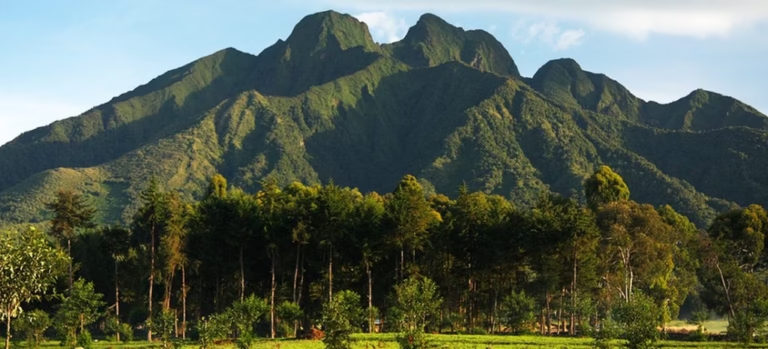
Rwanda is widely associated with rolling and mountainous landscapes.
Cyclists should expect climbs and descents on many routes.
Distance alone therefore provides an incomplete picture of difficulty.
A 30-kilometre ride with significant climbing can require more effort than a much longer route on flatter terrain.
First-time visitors should ask about elevation profiles and road surfaces when planning each stage.
Travellers who cycle occasionally at home may benefit from beginning with shorter routes.
Experienced riders can gradually add distance once they understand local conditions.
Lake Kivu for Cycling
Lake Kivu provides some of Rwanda's most attractive cycling landscapes.
Routes can combine lake views, hills, settlements and agricultural areas.
The western region is particularly appealing for travellers who want cycling to become a major part of the holiday.
Riders can choose selected sections rather than attempting an extremely long continuous journey.
This is often more suitable for first-time visitors.
A lakeside base also provides opportunities to rest between cycling days.
Boat experiences, coffee tours or relaxed shoreline time can add variety without requiring additional strenuous activity.
The Congo Nile Trail Experience
The wider Lake Kivu region is associated with cycling and hiking routes that attract active travellers.
First-time visitors interested in the Congo Nile Trail should understand that route conditions and difficulty can vary between sections.
Rather than assuming the entire route must be completed, cyclists can choose portions that match their fitness, available time and preferred level of challenge.
A guided or supported arrangement can be particularly useful for visitors unfamiliar with the region.
This allows cyclists to concentrate on riding while logistics such as luggage and accommodation are managed appropriately.
Keeping a Cycling Holiday Affordable
A cycling holiday does not need to involve luxury lodges or expensive support throughout every day.
Budget guesthouses can provide comfortable overnight stops.
Travellers should prioritise secure bicycle storage, meals and practical location.
Bike rental can reduce the difficulty and expense of transporting a personal bicycle internationally, although serious cyclists may still prefer familiar equipment.
The route should avoid unnecessary vehicle transfers.
Spending several days cycling within one region can provide better value than transporting bicycles repeatedly across the country.
Renting or Bringing a Bicycle
First-time visitors need to decide whether to rent locally or bring their own bike.
Rental can simplify international travel and eliminate airline bicycle handling.
However, riders should ensure the available bicycle is appropriate for their size and planned route.
Serious cyclists may prefer their own bike because they understand its fit and handling.
Travellers bringing personal bicycles should consider airline policies, packing and transfer space.
Whichever option is chosen, the bike should be checked before a major riding day.
Brakes, tyres and gears are particularly important in hilly terrain.
Preparing Physically
Cyclists do not need to be competitive athletes, but preparation improves enjoyment.
Regular riding before the trip helps the body adapt to time in the saddle.
Including hills in training is particularly valuable.
Travellers should also practise pacing. Beginning a climb too quickly can create unnecessary fatigue.
Rest days or shorter riding days should be built into longer itineraries.
First-time visitors may discover that sightseeing stops naturally provide useful recovery periods.
The objective is to enjoy Rwanda rather than achieve an arbitrary daily distance.
Cycling Safety
Safety should remain central to the itinerary.
Cyclists should use suitable helmets and follow guidance about local road conditions.
Visibility matters, particularly in changing weather or low light.
Travellers should avoid assuming that every road operates like cycling infrastructure at home.
A knowledgeable local guide can help riders understand traffic patterns, route conditions and appropriate stops.
Descending also requires care. Rwanda's hills can produce long downhill sections, and speed should remain controlled.
Mechanical condition is especially important before major descents.
Weather and Riding Conditions
Weather can change the character of a cycling day.
Rain may make some surfaces more difficult, while strong sunshine can increase hydration requirements.
Cyclists should carry lightweight rain protection and sun protection.
Morning departures can provide comfortable conditions depending on the route and season.
Travellers should remain flexible when heavy weather makes a planned section unsuitable.
A well-designed itinerary includes alternative activities or vehicle support where appropriate rather than forcing riders to continue in unsafe conditions.
Cycling and Cultural Encounters
One of the advantages of travelling by bicycle is the slower interaction with communities.
Cyclists pass through areas that many vehicle-based visitors see only briefly.
This should be approached respectfully.
Riders should not photograph people automatically while passing.
Stops should be made safely and without blocking local movement.
A guide can explain agricultural practices, local landmarks and community life.
These interactions can turn a cycling holiday into a broader cultural experience rather than simply a physical challenge.
Coffee Experiences Along the Journey
Coffee can complement cycling particularly well in western Rwanda.
Agricultural areas provide interesting scenery, while a guided coffee tour introduces travellers to cultivation and processing.
A coffee experience can also create a lower-intensity day between demanding rides.
Visitors learn how Rwanda's hills support an important agricultural product.
Combining cycling, coffee and Lake Kivu creates a coherent itinerary in which the landscape connects the different experiences.
Accommodation for Cyclists
Cyclists need slightly different things from accommodation than conventional travellers.
Secure storage for bicycles is important.
Access to water, meals and somewhere to clean up after riding also matters.
Early breakfast may be useful for morning departures.
Luxury facilities are less important when most of the day is spent on the road.
Budget and mid-range guesthouses can therefore provide excellent value.
Cyclists should confirm logistical details before arrival rather than assuming every property is accustomed to handling bicycles.
What to Pack
A properly fitted helmet is essential.
Cycling gloves can improve comfort during longer rides.
Lightweight, breathable clothing is useful, while a rain layer should remain accessible.
A reusable water bottle or hydration system is important.
Basic repair equipment should be available either with the rider or support team.
Sun protection is valuable during exposed sections.
Travellers should also carry a small amount of personal medication and essential items.
Heavy luggage should be transported separately where a supported cycling arrangement is used.
Combining Cycling with Kigali
Kigali provides a practical beginning and ending to the holiday.
First-time visitors can spend time understanding Rwanda's history and contemporary culture before moving toward longer cycling routes.
The city also provides a place to organise bicycle equipment and make final preparations.
After the cycling journey, Kigali can offer a comfortable final night before an international flight.
Cyclists should avoid scheduling an exhausting final ride immediately before departure.
A buffer allows time for equipment organisation and recovery.
Plan Your First Rwanda Cycling Holiday
A budget cycling tour holiday in Rwanda for first-time visitors provides a distinctive way to experience the country's hills and communities.
Lake Kivu and western Rwanda can provide particularly attractive routes, while coffee experiences and cultural stops add depth beyond the physical activity.
Prepare for elevation rather than focusing only on distance. Choose appropriate equipment, use knowledgeable local support and keep the route realistic.
Practical guesthouses and carefully selected cycling sections can make the holiday affordable without reducing its sense of adventure.
Plan your safari and cycling journey around scenery, culture and personal ability. Rwanda rewards cyclists who travel at a pace that allows them to experience the landscape rather than simply racing across it.