Tour Idea
Budget Cultural tour Holidays in DR Congo for Photographers
Discover budget cultural tours in DR Congo for photographers, with local communities, vibrant markets, landscapes and authentic travel experiences.
- Thoughtfully Paced Time to see the place, not only tick it
- Expert Planning Permits, lodges and transfers in one plan
- Wildlife & Culture Parks, communities and scenic rest days
Overview
Discover DR Congo Through Culture and Photography
A budget cultural tour in DR Congo for photographers offers much more than an affordable African holiday. It creates opportunities to photograph daily life, traditional communities, dramatic landscapes and the cultural character of one of Central Africa's most fascinating destinations.
The Democratic Republic of Congo has an extraordinary cultural diversity shaped by hundreds of ethnic communities. Languages, music, food, clothing, architecture and traditional practices vary considerably between regions. For photographers, these differences create countless opportunities for meaningful visual storytelling.
Travelling on a controlled budget does not mean missing the country's cultural highlights. Instead, thoughtful planning can direct more of the travel budget toward experiences that matter. Local guides, community visits, markets, walking tours and locally owned accommodation can provide memorable encounters without depending entirely on expensive luxury services.
A successful DR Congo cultural photography tour should also place respect at the centre of every experience. Photographers should communicate with people before taking close portraits and follow local guidance concerning sensitive locations. This respectful approach often creates stronger interactions and better photographs.
Why Photographers Should Explore DR Congo
DR Congo offers photographers an environment that feels remarkably different from conventional safari destinations. Wildlife attracts many visitors to Central Africa, yet human stories and cultural landscapes are equally important parts of the country's identity.
Busy streets can provide opportunities for documentary photography. Rural settlements reveal traditional building techniques and agricultural lifestyles. Local markets combine movement, colour and human interaction, while surrounding mountains and lakes provide impressive environmental backgrounds.
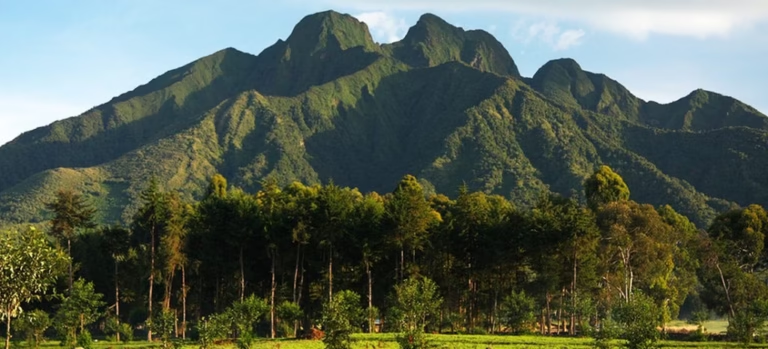
Eastern DR Congo is particularly dramatic. The wider Great Lakes region features volcanic landscapes, fertile farmland, settlements and views toward Lake Kivu. These environments allow photographers to combine cultural photography in DR Congo with landscapes and travel documentary images.
However, photography should never interfere with the dignity or privacy of local people. Some residents may welcome photographs, while others may prefer not to participate. Asking permission creates trust and allows the photographer to understand the person behind the image.
Planning a Budget Cultural Photography Holiday
Careful planning makes an enormous difference when travelling through DR Congo. Transport, accommodation, guides and activity arrangements should be organised around realistic travel conditions rather than simply choosing the lowest available price.
Budget travellers can reduce unnecessary expenses by creating a focused itinerary. Spending more time within one region can lower transportation costs while providing deeper cultural experiences. It also gives photographers time to observe locations instead of constantly moving between destinations.
Working with experienced local travel professionals is especially valuable. Conditions in parts of DR Congo can change, and routes or activities may require adjustment. Travellers should always obtain current official travel advice before confirming their journey.
A properly arranged budget DR Congo holiday should therefore balance affordability with safety, logistics and meaningful experiences. Cutting essential transport or professional guiding purely to reduce costs can create unnecessary problems.
Cultural Photography Experiences
Cultural photography is strongest when photographers move beyond staged images and spend time observing everyday environments. Markets, workshops, agricultural areas and community spaces can reveal stories that are easily missed during short sightseeing stops.
Markets are particularly interesting because they bring together traders, customers, agricultural products and locally produced goods. Photographers can capture broader scenes showing the atmosphere before concentrating on individual details.
Traditional craftsmanship can provide another valuable subject. Depending on the region, travellers may encounter artisans working with textiles, wood, baskets or other materials. These activities create opportunities to document both finished products and the skills involved in producing them.
Music and dance are also important aspects of Congolese culture. When visitors have opportunities to attend cultural performances or community events, photography can record movement, clothing and interaction. Permission should always remain part of the process.
Photographing Communities Responsibly
Responsible photography should be a fundamental part of every cultural tour in DR Congo. A technically impressive portrait has little value if it was created by making someone uncomfortable.
Photographers should ask before taking recognisable close-up portraits. A local guide can help communicate when language differences make direct conversation difficult. This approach also reduces misunderstandings surrounding cultural expectations.
Children require particular sensitivity. Visitors should avoid treating children as photographic attractions and should follow appropriate consent practices.
Photographers should also avoid offering money automatically for every photograph. In some established situations, payment may form part of an agreed cultural experience. In others, genuine interaction may be more appropriate. Local guides can advise visitors on suitable behaviour.
Ethical photography produces more than respectful encounters. It can create images with greater context because photographers understand more about the people and activities they are documenting.
Capturing Local Markets and Street Life
Congolese markets can be visually rich environments. Fresh produce, textiles, household goods and handmade products create layers of texture and colour. The constant movement also challenges photographers to observe quickly.
Wide-angle photographs can establish the environment, while medium focal lengths can capture interactions without requiring photographers to stand extremely close to their subjects.
Street photography requires similar awareness. Photographers should remain attentive to local restrictions and avoid photographing security installations, government facilities or other sensitive subjects without permission.
An experienced guide becomes particularly useful in urban environments. Guides can identify appropriate photography areas while helping visitors understand what they are seeing.
This combination of observation and local knowledge can transform a simple budget cultural holiday in Congo into a richer documentary experience.
Landscapes as Part of the Cultural Story
Cultural photography does not need to focus entirely on people. Landscapes frequently explain how communities live.
Agricultural fields show how people use fertile land. Fishing communities demonstrate connections with lakes and rivers. Mountain settlements reveal how homes and transport adapt to difficult terrain.
Lake Kivu is one of eastern Congo's most recognisable natural features. Its waters, surrounding hills and settlements can provide powerful environmental photographs. Early morning and late afternoon often produce softer light and greater depth across the landscape.
Volcanic terrain also contributes to the distinctive appearance of eastern DR Congo. Photographers can use these landscapes to provide visual context for the communities they encounter.
Combining portraits, details, landscapes and daily activities produces a more complete photographic record than concentrating on a single subject.
Best Time for Cultural Photography
DR Congo's enormous size means weather conditions differ considerably between regions. Therefore, there is no single perfect month for every itinerary.
Photographers often prefer periods with relatively manageable rainfall because roads and walking conditions may be easier. However, wet-season travel can create attractive clouds, saturated vegetation and dramatic light.
The ideal period should therefore depend on the specific region and subjects being photographed. Travellers should discuss seasonal road conditions and accessibility before finalising their itinerary.
Photographers interested in festivals or cultural events may also plan around particular dates. These events should be confirmed locally because schedules can change.
Flexibility is one of the most valuable qualities for anyone planning photography holidays in DR Congo.
Photography Equipment for a Budget Tour
A cultural photography trip does not require an enormous amount of equipment. Carrying a smaller kit can actually make photographers more mobile and less intrusive.
A dependable camera body with a versatile zoom lens can cover many situations. A wider lens is useful for markets, landscapes and environmental portraits. A moderate telephoto can help capture details while maintaining a comfortable distance.
Extra batteries are important because reliable charging may not always be available throughout the journey. Photographers should also carry sufficient memory cards and maintain backups whenever possible.
A lightweight rain cover can protect equipment during unexpected showers. Dust protection and simple cleaning equipment are equally useful.
Photographers should avoid displaying expensive equipment unnecessarily. Discretion improves mobility and can reduce unwanted attention.
Saving Money Without Sacrificing the Experience
Budget travel works best when savings come from sensible choices rather than compromising essential services.
Travellers can choose comfortable locally owned guesthouses instead of premium international hotels. They can spend additional nights in one destination instead of making expensive daily transfers. Shared activities may also reduce certain costs when suitable.
Local restaurants provide another opportunity to control expenses while experiencing Congolese food. Your guide can recommend appropriate establishments based on hygiene, location and dietary requirements.
The most important expenses should remain protected. Reliable transport, knowledgeable guides and suitable accommodation are central to a well-organised journey.
A professionally planned affordable DR Congo cultural tour can therefore remain reasonably priced while still offering rewarding photographic opportunities.
Combining Culture With Nature
Photographers may choose to combine cultural experiences with selected natural attractions. Eastern Congo's landscapes make this particularly appealing.
Depending on current accessibility and official guidance, an itinerary may include lake scenery, forest environments or other nature-focused experiences alongside cultural visits.
Travellers interested in primates should understand that permits, park access and operational conditions can change. Availability should always be confirmed before making travel commitments.
Combining different subjects creates a stronger photography portfolio. Human stories provide emotional depth, while landscapes establish location and atmosphere.
Accommodation for Budget Photographers
Accommodation does not need to be luxurious to support a productive photography trip. Location, cleanliness, security and reliable service often matter more than elaborate facilities.
Staying near planned photography locations can reduce travel time and transport expenses. Early departures also become easier when accommodation is conveniently located.
Photographers should ask about electricity availability when charging multiple batteries or storage devices is essential. A power bank can provide useful backup capacity for smaller electronics.
Locally operated accommodation can also create opportunities to interact with residents and learn more about the destination.
Safety and Current Travel Conditions
Safety requires serious consideration when planning travel to DR Congo. Conditions can vary substantially by province and may change quickly.
Travellers should check current government travel advisories before booking and again before departure. They should also follow instructions from recognised local authorities and experienced operators.
Routes should be designed around current operating conditions rather than outdated travel information. If a location becomes unsuitable, the itinerary should allow alternatives.
Travel insurance should cover the planned destinations and activities. Visitors should read exclusions carefully because some policies restrict coverage in areas affected by travel advisories.
Responsible planning is particularly important for photographers, who may otherwise become distracted while concentrating on images.
Creating a Meaningful Photography Story
The strongest travel photography usually tells a connected story rather than presenting unrelated attractive images.
Begin with photographs that establish location. Add environmental portraits, activities and details that reveal how people live. Include landscapes that explain the physical environment.
Small details can be particularly powerful. Hands working on crafts, food preparation, agricultural tools and architectural textures can provide context between larger scenes.
Keeping written notes can also help photographers remember names, locations and stories. These details become valuable when creating albums, exhibitions or online travel journals later.
A thoughtfully planned DR Congo photography holiday therefore provides opportunities to return home with both images and meaningful experiences.
Plan Your Budget Cultural Tour in DR Congo
A budget cultural tour in DR Congo for photographers can reveal an extraordinary side of Central Africa. The destination combines diverse communities, lively markets, striking landscapes and powerful opportunities for visual storytelling.
Successful trips depend on preparation, cultural sensitivity and realistic expectations. Travellers should prioritise responsible interactions and remain flexible when local conditions require itinerary adjustments.
Visit Rwanda Gorilla can help travellers develop a customised cultural itinerary based on preferred photography subjects, travel dates, budget and current accessibility.
Whether your interest lies in portraits, markets, landscapes, traditional crafts or documentary photography, DR Congo can provide a distinctive photographic journey when explored responsibly and with knowledgeable local support.