
9 Day Honeymoon Safari
9-Day Honeymoon Coffee tour in Huye for Solo travellers
Explore Huye and Rwanda's coffee culture on a 9-day honeymoon-style solo journey combining farms, history, scenery and local experiences.
- Honeymoon Experience Premium lodges & service
- Wildlife Safari An unforgettable encounter
- Kigali Experience Culture, dining & relaxation
- Tailor-Made Customised for you
Overview
Beginning the Solo Journey in Kigali
A 9-Day Honeymoon Coffee Tour in Huye for Solo Travellers may sound unusual because honeymoons are normally associated with couples, yet the underlying travel style can also appeal to an independent visitor seeking a slower, experience-focused journey. The itinerary takes the relaxed pacing, attractive accommodation and carefully selected experiences associated with honeymoon travel and adapts them for a solo traveller interested in Rwanda's coffee culture.
Huye provides a strong base for exploring southern Rwanda's cultural and agricultural landscapes. A properly arranged coffee experience can introduce visitors to cultivation, harvesting when seasonally appropriate, processing and tasting while explaining how coffee connects farms with Rwanda's wider economy.
For solo travellers, the nine-day structure creates valuable freedom. There is enough time to ask questions, photograph landscapes, speak with guides and enjoy quiet periods without following the pace of a large group.
The journey is therefore less about the conventional meaning of a honeymoon and more about travelling slowly and intentionally.
The traveller arrives at Kigali International Airport and is met by a private representative.
Having transport organised in advance simplifies the first day.
The evening can remain free for rest.
The following morning introduces Kigali through history, culture and food.
The Kigali Genocide Memorial provides essential historical context.
Afterwards, the traveller can explore art spaces, markets or cafés according to personal interests.
For someone specifically interested in coffee, Kigali also provides an opportunity to begin tasting Rwandan coffee before visiting the landscapes where it is produced.

Coffee as a Theme for Exploring Rwanda
Coffee creates an excellent framework for travel because it connects agriculture, culture, trade and everyday life.
Most visitors are familiar with coffee as a finished drink.
Far fewer have followed the journey from plant to processed bean.
A Rwanda coffee tour provides this missing context.
The experience becomes particularly meaningful when the traveller meets people involved in cultivation and processing and understands the environmental conditions that influence the crop.
Travelling South Toward Huye
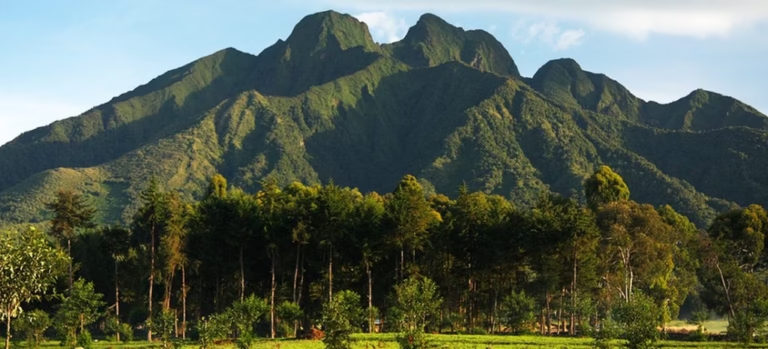
The road from Kigali toward Huye reveals Rwanda's agricultural landscapes.
Cultivated hills dominate much of the route.
A private guide can explain crops and communities encountered along the journey.
Solo travellers have the flexibility to stop for photographs without needing approval from a larger group.
The road journey also provides time for conversation with the guide, allowing the visitor to ask questions about Rwanda beyond the formal sightseeing programme.
Discovering Huye
Huye is one of southern Rwanda's important cultural centres.
The city provides a different atmosphere from Kigali and offers access to significant historical and cultural attractions.
The Ethnographic Museum in Huye can become a central part of the visit.
Its collections provide insight into Rwanda's traditional life, social organisation and material culture.
Spending time here helps the traveller understand the broader society within which agricultural traditions developed.
Entering Rwanda's Coffee Landscapes
A dedicated coffee day moves beyond drinking coffee in cafés.
The traveller visits an appropriately arranged coffee-growing environment and learns how plants are cultivated.
Coffee does not simply appear as a finished bean.
Farmers manage plants through different stages, and environmental conditions influence production.
The guide can explain what the visitor is seeing and clarify which stages are active during the particular travel season.
This prevents the tour from becoming a generic demonstration disconnected from actual agricultural cycles.
Photographing Coffee Farms
Coffee farms can provide attractive photographic opportunities.
Plants, hills and agricultural work create layers of visual interest.
Solo photographers can move at their own pace within areas approved by the guide.
Close portraits of workers should involve appropriate permission.
The visitor should avoid directing people simply to create staged photographs.
Environmental images that show workers within the wider agricultural landscape often communicate the coffee story more effectively.
Harvesting and Seasonality
Coffee harvesting is seasonal.
Travellers who specifically want to see ripe cherries being collected should plan dates according to the relevant production calendar and confirm conditions before booking.
A responsible itinerary should not promise active harvesting throughout the year.
Outside the harvest period, visitors can still learn about plant care, processing, coffee economics and other stages.
Understanding seasonality is itself part of learning how agricultural production works.
Coffee Processing
Where the selected programme includes a washing station or processing facility, the traveller can follow coffee beyond the farm.
Different stages transform freshly harvested cherries toward a product suitable for roasting.
Guides can explain equipment and procedures.
Visitors should remain within approved areas because processing facilities are working environments.
For a solo traveller with a strong interest in coffee, the ability to ask detailed questions can make this part of the journey particularly rewarding.
Coffee Tasting
A tasting session brings the experience together.
The traveller can learn how preparation influences flavour and how different characteristics are identified.
This does not require professional expertise.
The purpose is to pay closer attention to aroma, acidity, body and other qualities while connecting the cup with the landscapes visited earlier.
Drinking coffee after seeing the agricultural process creates a much deeper appreciation of the product.
Solo Travel and Personal Time
One of the strengths of this itinerary is the amount of personal space it provides.
A solo traveller can spend an afternoon reading, writing or organising photographs without feeling pressure to entertain a companion.
Meals can be social when desired or completely private.
The guide provides interaction during organised activities, while the accommodation provides independence afterwards.
This balance makes the journey suitable for travellers seeking reflection as well as sightseeing.
Why the Honeymoon Travel Style Still Works
The word honeymoon usually suggests romance between two people, but several elements of honeymoon travel are valuable for solo visitors.
The pace is slower.
Accommodation is selected for atmosphere rather than simply providing a bed.
Meals are given enough time.
Scenic stops are included because they are enjoyable rather than because they represent major attractions.
Adapting these qualities creates a slow Rwanda solo holiday centred on personal enjoyment.
Cultural Experiences in Southern Rwanda
Coffee should not be the only theme.
Southern Rwanda offers cultural and historical experiences that add context.
A traveller may explore food, crafts, agriculture or community initiatives through appropriately organised activities.
These encounters should remain respectful.
The visitor should listen and ask questions rather than approaching every interaction as a photography opportunity.
A knowledgeable local guide can help ensure that the experience becomes genuine cultural exchange.
Optional Forest Extension
Huye can be combined with an extension toward Rwanda's southwestern forest region.
The journey introduces lush highland scenery and additional nature experiences.
Visitors interested in wildlife may consider chimpanzee trekking or the Nyungwe canopy walk, subject to current activity requirements and availability.
Others may simply enjoy forest walks and scenery.
The optional extension creates a natural contrast with the agricultural focus of the coffee experience.
Photography and Journaling
Solo travel provides excellent opportunities for documenting a journey.
Photographers can concentrate on landscapes, agricultural details and cultural scenes.
Travellers who prefer writing can keep a journal describing the coffee process and conversations with guides.
Combining photographs with notes creates a more complete record than relying on images alone.
This can be particularly valuable when visiting processing facilities where several technical stages may otherwise become difficult to remember later.
Accommodation for Solo Travellers
Accommodation should provide comfort without creating unnecessary single-person costs.
A well-located mid-range hotel or guesthouse can be more appropriate than a large luxury resort.
In Huye, convenient access to cultural attractions and onward routes is valuable.
Where a rural coffee experience requires an early start, accommodation can be chosen according to the final itinerary.
Solo travellers may also appreciate properties with welcoming communal spaces where they can meet other guests when they choose.
Suggested Nine-Day Coffee Journey
Day one begins with arrival in Kigali and private hotel transfer.
Day two explores Kigali's history, contemporary culture and coffee scene.
Day three travels south toward Huye with scenic stops.
Day four focuses on Huye cultural exploration, including the Ethnographic Museum and selected local experiences.
Day five introduces an organised coffee-growing environment and the fundamentals of cultivation.
Day six continues the Rwanda coffee experience through processing, tasting or harvesting where seasonally appropriate.
Day seven provides additional cultural or agricultural exploration, with an optional forest extension according to interests.
Day eight begins the return toward Kigali with suitable stops and a relaxed final evening.
Day nine concludes with breakfast and transfer to Kigali International Airport.
Best Time for a Coffee Tour
Rwanda can be visited throughout the year, but specific coffee activities depend on agricultural seasons.
Travellers wanting to photograph harvesting should confirm the expected timing before finalising the trip.
Those primarily interested in understanding coffee production can travel more broadly because cultivation and processing knowledge can still be explored outside peak harvest periods.
Weather should also be considered because rural paths can become muddy during wetter conditions.
Packing for the Journey
Comfortable walking shoes are important for farm visits.
A lightweight rain jacket should remain accessible.
Long trousers can be useful in rural areas.
Travellers should carry sunscreen, water and a small daypack.
A camera or smartphone is valuable for documenting the experience.
Those adding forest activities require more substantial hiking footwear and suitable rain protection.
Responsible Coffee Tourism
Coffee farms and processing facilities are workplaces.
Visitors should follow all instructions and avoid interfering with production.
Workers should be treated respectfully and not pressured into photographs.
Travellers should also be cautious about making assumptions regarding farmers' lives based on a short visit.
The purpose of responsible agricultural tourism is to learn from the people involved while recognising the complexity of the industry.
Plan Your Huye Coffee Journey
A 9-Day Honeymoon Coffee Tour in Huye for Solo Travellers provides an unconventional but rewarding approach to exploring Rwanda.
The journey borrows the relaxed pace and carefully selected experiences of a honeymoon while giving an independent traveller complete freedom.
Kigali introduces national history and contemporary culture, Huye provides southern Rwanda's cultural foundation and the coffee experience connects the visitor directly with agricultural landscapes and production.
For travellers who want to move beyond ordinary sightseeing, this Huye Rwanda coffee tour offers nine days of culture, learning, scenery and thoughtful solo exploration.
Accommodation Options in Kigali


Ready to Experience This Honeymoon Safari?
Let our expert team customise this 9-day itinerary to match your interests and travel dates.