
7 Day Luxury Safari
7-Day Luxury Lake Kivu holiday in Kigali for Photographers
Enjoy a 7-day luxury Rwanda photography holiday combining Kigali, Lake Kivu landscapes, boat experiences, culture and premium accommodation.
- Luxury Experience Premium lodges & service
- Wildlife Safari An unforgettable encounter
- Kigali Experience Culture, dining & relaxation
- Tailor-Made Customised for you
Overview
Beginning the Photography Journey in Kigali
A 7-Day Luxury Lake Kivu Holiday in Kigali for Photographers combines Rwanda's sophisticated capital with the beautiful landscapes surrounding one of Africa's great lakes. The journey is designed for photographers who want more than quick sightseeing stops. It creates time to observe changing light, compose landscape photographs, explore communities and enjoy the comfort of private transport and carefully selected accommodation.
Lake Kivu offers a very different photographic environment from Rwanda's forests and savannah parks. Mountains rise beyond the water, fishing boats move across the lake, islands interrupt distant horizons and lakeside communities provide opportunities for environmental and cultural photography. Morning mist, afternoon reflections and colourful sunsets can transform the same viewpoint several times during a single day.
Starting in Kigali gives photographers another dimension. Urban architecture, street scenes, markets, art and elevated viewpoints create opportunities to document contemporary Rwanda before travelling west toward the lake.
Kigali is an excellent location for photographers interested in the relationship between people, architecture and landscape. The city is built across numerous hills, creating viewpoints where neighbourhoods spread across ridges and valleys.
A private Kigali photography tour allows more flexibility than a conventional city excursion. Rather than spending a fixed amount of time at every attraction, photographers can concentrate on locations offering the strongest visual opportunities.
Morning light can be particularly attractive across Kigali's hills. Depending on weather conditions, distant ridges may appear through soft haze while streets gradually become busier.
Markets and commercial areas introduce another photographic style. These environments require sensitivity because people should not automatically be treated as photographic subjects without consideration. A professional local guide can help facilitate respectful interaction and explain when asking permission is appropriate.
The Kigali Genocide Memorial can also be included, although photography must always follow the site's current rules. More importantly, the visit provides essential historical understanding before exploring the rest of Rwanda.

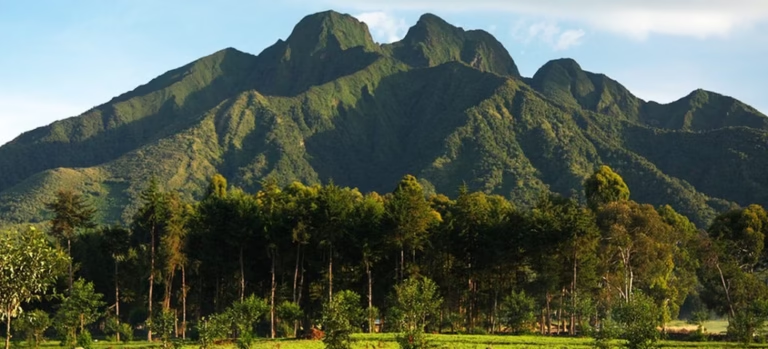
Travelling from Kigali to Lake Kivu
The journey west from Kigali is one of the most visually interesting parts of the itinerary. Rwanda's rolling hills create constantly changing compositions as the road passes farms, settlements and elevated viewpoints.
Private transportation is particularly valuable for photographers. When an interesting landscape appears, the guide can stop where it is safe and permitted rather than continuing because of a fixed group schedule.
Agricultural terraces, winding roads and distant mountain ridges can become subjects in their own right. Travellers interested in documentary photography may also find the relationship between farming communities and the steep terrain especially compelling.
As Lake Kivu comes into view, the landscape changes again. The large body of water creates more open compositions, while surrounding hills continue to provide depth and scale.
Photographing Lake Kivu
A Lake Kivu photography safari is largely shaped by light. Early mornings can offer calm water, cooler conditions and atmospheric haze. Late afternoons often produce warmer light across hills and islands.
Photographers should avoid treating the lake as a single viewpoint. Shorelines, elevated positions, boats, vegetation and settlements all provide different perspectives.
Wide-angle lenses are useful for large landscapes, particularly when foreground elements can be incorporated into the composition. A moderate telephoto lens can isolate distant boats, hills or sections of shoreline and compress layers within the landscape.
Travellers using smartphones can also produce excellent images. The most important elements remain timing, composition and patience rather than expensive equipment.
A seven-day itinerary provides an advantage because photographers are not dependent on one afternoon of favourable weather. Several opportunities around the lake increase the chances of encountering interesting atmospheric conditions.
Sunrise and Early Morning Photography
Early morning is worth prioritising during a Lake Kivu photography holiday. Depending on accommodation location and orientation, sunrise can produce attractive light over the surrounding hills and water.
The lake can sometimes appear particularly calm before daytime activity increases. Reflections become more noticeable, while boats and distant landscapes can create simple compositions.
Mist may add another layer of interest. Instead of viewing reduced visibility as a problem, photographers can use it to create atmospheric images in which distant hills gradually disappear into softer tones.
A luxury itinerary makes early sessions easier to manage. Breakfast arrangements and private transportation can be coordinated around photography rather than forcing photographers to work around a standard sightseeing schedule.
Boat Experiences on Lake Kivu
A Lake Kivu boat safari introduces viewpoints that cannot be achieved from the shore. Moving onto the water changes the relationship between the photographer and the surrounding landscape.
From the boat, travellers can photograph hills rising from the shoreline, small islands and fishing activity. The changing position of the boat continuously alters the composition.
Photographers should protect equipment carefully from water and spray. A weather-resistant camera bag or dry bag is useful, and unnecessary lens changes should be avoided when conditions are windy or wet.
The boat experience should not become a constant search for photographs. Taking time to observe the scale and peaceful atmosphere of Lake Kivu can help photographers recognise stronger compositions rather than producing hundreds of similar images.
Fishing Culture and Human Stories
Lake Kivu is also a working environment. Fishing has long formed part of life around the lake, and traditional boats can create memorable photographic scenes.
Some fishing activity takes place during the evening or night, depending on local practices and arrangements. Photographers interested in documenting this aspect of the lake should work through guides who understand local communities and appropriate photography etiquette.
Human-centred photography requires more sensitivity than landscapes. Permission should be obtained where appropriate, and visitors should avoid interrupting people's work simply to create a photograph.
When approached respectfully, these encounters can provide images that communicate the relationship between Lake Kivu and the people who depend on it.
Luxury Accommodation for Photographers
The choice of accommodation matters because photographers often operate at unusual times. A property close to the lake can make sunrise and sunset sessions easier while reducing unnecessary transfers.
Premium accommodation also provides secure space for camera equipment, reliable charging facilities and comfortable areas for reviewing photographs.
After early mornings or long photography sessions, travellers appreciate having somewhere comfortable to rest. Good meals and flexible service become practical advantages rather than simply luxury extras.
Photographers should discuss equipment requirements when booking, particularly if travelling with several batteries, laptops, drones or specialised gear. Drone use must always follow current Rwandan regulations and local restrictions.
Cultural Photography and Local Experiences
The seven-day journey can incorporate cultural experiences that provide a deeper understanding of western Rwanda. Depending on the final route, travellers may visit communities, coffee-growing areas or local markets.
Coffee-related experiences are particularly relevant around parts of Lake Kivu. Photographers can document landscapes, plants and production processes while learning how coffee contributes to local livelihoods.
These experiences create a visual story that extends beyond attractive scenery. Images of agriculture, people and everyday environments can provide context for the broader travel collection.
The strongest photography often emerges when visitors understand what they are photographing. A knowledgeable guide can therefore be as important as the camera itself.
A Suggested Seven-Day Photography Route
Day one can focus on arrival in Kigali and a private transfer to a luxury hotel. Depending on arrival time, photographers may take advantage of evening light from a city viewpoint.
Day two explores Kigali through history, architecture, neighbourhoods and selected photography locations. The schedule can begin early and include a midday break before another session later in the afternoon.
Day three travels west toward Lake Kivu. Scenic stops can be incorporated throughout the drive before checking into lakeside accommodation.
Day four can begin with sunrise photography, followed by a relaxed breakfast and a Lake Kivu boat experience. The afternoon remains flexible until the light becomes more favourable again.
Day five can concentrate on cultural and documentary photography. A coffee experience, community visit or exploration of the lakeside environment can provide new subjects.
Day six offers another early photography opportunity before beginning the return toward Kigali. Stops along the route can focus on landscapes missed during the outward journey.
Day seven can include a final Kigali activity or photography session depending on flight time before the private airport transfer.
Photography Equipment to Consider
A versatile camera setup is usually better than carrying excessive equipment. A wide or standard zoom works well for landscapes and urban scenes, while a telephoto lens provides flexibility for distant subjects.
A lightweight tripod can be valuable for sunrise, sunset and low-light photography. Filters may help photographers manage reflections and exposure around the water.
Spare batteries and memory cards are essential. Power banks can provide additional support for phones and smaller devices.
Rain protection should be included because Rwanda's weather can change quickly. A simple protective cover can prevent an unexpected shower from ending a photography session.
Best Time for Lake Kivu Photography
Lake Kivu can be photographed throughout the year. Seasonal differences affect vegetation, cloud patterns and atmospheric conditions rather than making photography possible only during a narrow period.
Drier periods may provide more predictable outdoor conditions, while greener seasons can produce dramatic clouds and lush landscapes.
Photographers should remain flexible. A cloudy morning may become an excellent opportunity for portraits or documentary work, while sudden light breaking through clouds can create more dramatic landscapes than a completely clear sky.
Why Luxury Works for Photography
Luxury travel can be particularly useful for serious photographers because it creates control over time. Private transportation allows unscheduled stops, while premium accommodation provides comfort between early and late sessions.
The goal is not simply to stay in expensive hotels. It is to reduce logistical distractions so that the traveller can concentrate on photography.
A private guide who understands the photographer's priorities can help identify viewpoints, advise about local etiquette and coordinate activities around favourable light.
Plan Your Lake Kivu Photography Holiday
A 7-Day Luxury Lake Kivu Holiday in Kigali for Photographers offers an opportunity to document Rwanda through several contrasting environments. Kigali provides urban scenes and historical context, while the journey west introduces agricultural hills and increasingly dramatic landscapes.
Lake Kivu becomes the visual centrepiece through its water, islands, boats, fishing communities and surrounding mountains. Multiple mornings and evenings provide opportunities to work with changing light rather than depending on a single brief visit.
For photographers who value both creative freedom and comfortable travel, this luxury Lake Kivu photography holiday combines private logistics, beautiful landscapes and meaningful cultural experiences within a relaxed seven-day journey.
Accommodation Options in Kigali


Ready to Experience This Luxury Safari?
Let our expert team customise this 7-day itinerary to match your interests and travel dates.