
14 Day Private Safari
14-Day Private Cultural tour in Gisenyi for Photographers
Photograph Gisenyi, Lake Kivu, Rwanda's culture and Virunga landscapes on a private 14-day tour designed for photographers.
- Private Experience Private Luxury Lodges
- Cultural Visit An unforgettable encounter
- Kigali Experience Culture, dining & relaxation
- Tailor-Made Customised for you
Overview
Beginning the Photographic Journey in Kigali
A 14-Day Private Cultural Tour in Gisenyi for Photographers combines visual storytelling with meaningful encounters across Rwanda's western landscapes. Gisenyi, within the wider Rubavu area beside Lake Kivu, offers photographers an attractive combination of lakeside life, mountain scenery, local communities, markets, agriculture and access to the cultural landscapes of northwestern Rwanda. Instead of moving quickly between famous attractions, this journey creates enough time to understand and photograph the places visited.
The private format is especially valuable for photographers. Light, weather and human activity rarely follow a fixed tourism timetable. A private guide and vehicle make it easier to spend longer at productive locations, return to a viewpoint when conditions improve and arrange cultural encounters with appropriate sensitivity. Over fourteen days, travellers can combine Kigali, Gisenyi, Lake Kivu, the Virunga region and selected community experiences to create a broad Rwanda cultural photography tour.
The tour can begin at Kigali International Airport, where a private driver-guide welcomes the traveller and provides a transfer to the selected hotel. The first evening is best kept relatively relaxed so that photographers can recover from the journey and prepare their equipment.
Kigali provides useful photographic opportunities before travelling west. Its hills, neighbourhoods, markets, contemporary buildings and creative spaces introduce the modern side of Rwanda. A guided city experience can concentrate on places where photography is appropriate rather than attempting to rush through every major attraction.
Historical sites can also form part of the introduction. Photography may be restricted or inappropriate in certain areas, so visitors should always follow local guidance. Understanding when not to take a photograph is an important part of responsible visual storytelling.

Photographing Contemporary Kigali
Kigali offers contrasts between busy commercial areas and quieter residential neighbourhoods. Markets can provide strong colours, textures and everyday scenes, while elevated viewpoints reveal the city's distinctive geography.
Street photography should remain respectful. Photographers should avoid treating people as anonymous visual subjects and should request permission when making close portraits. A local guide can assist with introductions and explain when photography may be unwelcome.
This approach often produces more meaningful images. A short conversation before making a portrait can reveal information about a person's work, craft or community, giving the resulting photograph a stronger story.
Travelling toward Gisenyi
The journey from Kigali to Gisenyi crosses Rwanda's mountainous countryside. Cultivated slopes, roadside settlements and increasingly dramatic highlands provide opportunities for landscape and documentary photography.
Private travel makes it possible to stop where conditions are suitable and safe. Photographers can respond to changing clouds or interesting agricultural patterns without forcing every image into a predetermined schedule.
The road journey also demonstrates why a private photography safari in Rwanda can be rewarding. Some of the strongest images may appear between the major destinations rather than at established attractions.
Arrival beside Lake Kivu
Gisenyi introduces a completely different visual environment. Lake Kivu stretches beside green hills, while fishing activity and waterfront life create additional photographic possibilities.
The first afternoon can remain unstructured. Travellers can become familiar with the area and observe how the light changes before planning more focused sessions.
Early morning can provide calm conditions and soft illumination across the lake. Evening can produce silhouettes, reflections and dramatic skies. Staying several nights means photographers are not dependent on one brief opportunity.
Cultural Life around Gisenyi
Culture in Gisenyi is not limited to scheduled performances. It is visible in markets, food, work, agriculture, clothing and community interactions.
A carefully organised Gisenyi cultural tour can introduce photographers to these everyday aspects of life without intruding on local privacy. Guides can facilitate conversations with artisans, farmers and community representatives where appropriate.
Photographers should concentrate on storytelling rather than collecting portraits. Images of tools, hands, products, landscapes and working environments can often communicate as much as a close photograph of a person's face.
Photographing Local Markets
Markets can be visually rich environments, but they require patience and sensitivity. People are conducting business rather than waiting to be photographed.
A guide can help explain the purpose of the visit and request permission where necessary. Photographers should avoid blocking pathways or interrupting commercial activity.
Wide scenes can show the structure and energy of a market, while closer compositions can focus on produce, crafts and textures. Using different perspectives creates a more complete photographic record.
Traditional Crafts and Artisans
Rwandan crafts can provide another important cultural theme. Depending on the selected experiences, photographers may encounter weaving, basket making, pottery or other forms of craftsmanship.
Documenting the process rather than only the finished product gives the photographs greater depth. Images can show raw materials, preparation, hands at work and completed objects.
Where locally produced items are available for purchase, buying directly from responsible producers can also support local livelihoods.
Lake Kivu Fishing Culture
Lake Kivu supports communities whose lives are closely connected with the water. Fishing activity can therefore become an important part of the visual story.
Photography should be arranged without interfering with people's work. Early morning or evening may provide both interesting activity and attractive light.
Boats moving across the lake can create strong compositions against distant hills. Wider photographs can demonstrate the scale of the landscape, while detailed images may concentrate on nets, boats and working routines.
Coffee and Agricultural Landscapes
Western Rwanda is associated with coffee production, and a coffee experience can be incorporated into the cultural tour.
Photographers can document coffee plants, cherries, farms and selected processing activities. The exact processes visible depend on the season.
A guided explanation is important because understanding what is happening helps photographers create accurate captions and stories later. A Rwanda coffee photography experience should represent the production process honestly rather than presenting agriculture only as attractive scenery.
Virunga Cultural Landscapes
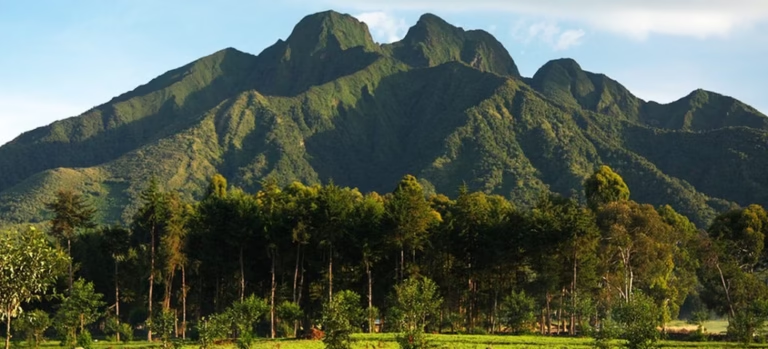
Gisenyi can be combined naturally with the landscapes around the Virunga volcanoes. Here, cultivated farmland and communities sit beneath dramatic volcanic peaks.
The relationship between people and landscape becomes an important photographic subject. Fields, mountain weather, village scenes and changing elevation provide visual variety.
A private itinerary allows photographers to return to promising viewpoints when conditions improve. Mountain clouds change quickly, and patience can transform an ordinary landscape into a memorable photograph.
Optional Gorilla Trekking
Photographers may choose to include gorilla trekking in Volcanoes National Park. The standard Rwanda gorilla permit is USD 1,500 per person, and travellers must be at least 15 years old.
Once a habituated gorilla family is located, the standard viewing period is generally one hour. Flash photography is not permitted.
Forest light can be challenging, so photographers should be comfortable working at higher ISO settings. Equipment should remain manageable because the trek can involve steep or muddy terrain.
The welfare of the gorillas always takes priority over obtaining a photograph.
Photographing Cultural Performances
Traditional music and dance may be incorporated where authentic cultural experiences are available.
Movement presents a different photographic challenge from portraits or landscapes. Photographers can experiment with shutter speed to freeze action or intentionally show motion.
It is useful to watch part of a performance before taking many photographs. Understanding patterns of movement can help anticipate stronger compositions.
Visitors should also remember to experience the performance directly rather than viewing the entire event through a camera.
Private Guiding for Photographers
A private guide provides more than transportation. The guide can explain cultural context, assist with introductions and identify places where photography is appropriate.
The photographer can also communicate specific interests before each day begins. Someone focused on portraits may want different opportunities from a traveller concentrating on architecture or landscapes.
This flexibility makes a private Rwanda cultural safari especially useful for photographers who want to develop a coherent body of work.
Choosing Accommodation
Accommodation should combine comfort with location. Around Gisenyi, a lakeside property can provide photography opportunities without requiring a vehicle for every session.
Photographers may appreciate rooms with enough space to organise equipment and reliable electricity for charging batteries.
Secure storage is also important. Camera equipment should not be left unattended in public areas.
A mixture of comfortable mid-range and premium properties can be used according to budget.
Camera Equipment for the Tour
A standard zoom lens can handle many cultural situations. A wide-angle lens is useful for landscapes and environmental portraits, while a moderate telephoto lens can help when additional working distance is appropriate.
Carrying too much equipment can make cultural encounters feel more like a commercial production than a personal journey.
Spare batteries, memory cards and simple weather protection are essential. Photographs should also be backed up regularly during the fourteen-day tour.
Ethical Cultural Photography
Ethics should remain central throughout the journey. Permission is particularly important for close portraits and photographs of children.
Travellers should never offer misleading promises in exchange for photographs. If images are intended for commercial or professional use, additional permissions may be required.
Photographers should also be careful with captions after returning home. Images should not be described in ways that misrepresent the people or circumstances shown.
Responsible cultural photography in Rwanda is based on respect before, during and after the image is created.
Best Time for the Journey
Rwanda can be photographed throughout the year. Drier periods may provide easier movement, while wetter months produce exceptionally green landscapes and atmospheric skies.
Lake Kivu and the Virunga mountains can experience rapidly changing conditions. Photographers should prepare for rain rather than considering it a reason to stop working.
The most suitable dates may also depend on particular cultural or agricultural experiences. Coffee production, for example, varies seasonally.
Building a Complete Photo Story
Fourteen days give photographers time to move beyond isolated images. Kigali can establish the modern context, Gisenyi can introduce Lake Kivu life and the Virunga region can add agricultural and mountain landscapes.
Details, portraits, wide landscapes and everyday activities can be combined into a visual narrative.
Taking notes alongside photographs is useful. Names, locations and explanations can be recorded while information is still fresh.
Plan Your Cultural Photography Safari
A 14-Day Private Cultural Tour in Gisenyi for Photographers provides the time and flexibility required for meaningful visual storytelling. Lake Kivu offers beautiful scenery, while communities, markets, agriculture and the Virunga landscapes reveal different dimensions of western Rwanda.
Private guiding allows cultural encounters to be approached responsibly and photography sessions to respond to changing conditions.
For photographers interested in people as much as landscapes, this journey provides an opportunity to document Rwanda with patience, cultural understanding and respect.
Accommodation Options in Kigali


Ready to Experience This Private Safari?
Let our expert team customise this 14-day itinerary to match your interests and travel dates.