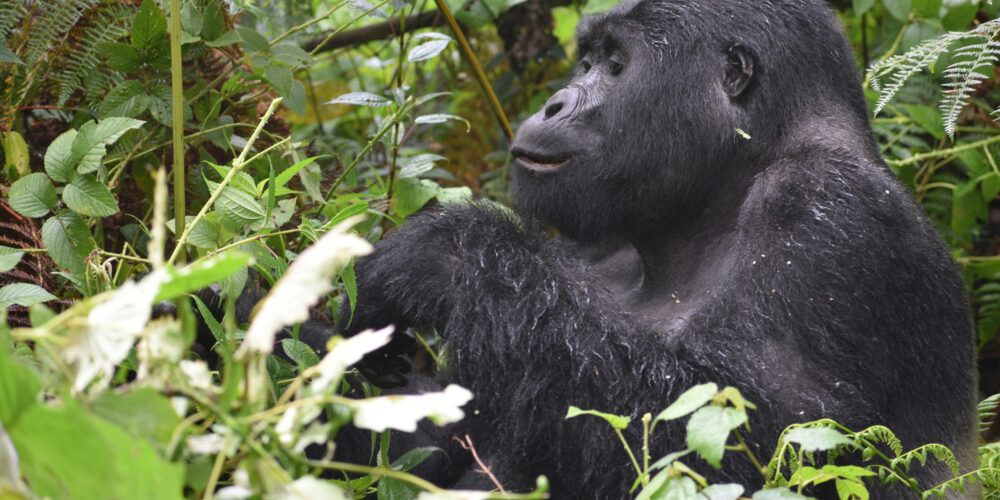

Rwanda Gorilla Conservation Efforts and Success
Rwanda Gorilla Conservation Efforts and Success
Rwanda has transformed mountain gorilla conservation into one of Africa’s strongest success stories. Decades ago, the species faced severe threats from poaching, habitat loss, and political instability. Today, Rwanda leads a model that combines strict protection, community involvement, and high-value tourism. This Rwandan gorilla conservation guide explains how these efforts work and why they continue to succeed.
The Status of Mountain Gorillas in Rwanda
Mountain gorillas live within the Virunga Mountains, a transboundary ecosystem shared by Rwanda, Uganda, and the Democratic Republic of Congo. Rwanda protects its population inside Volcanoes National Park.
The species once faced critical decline, but conservation efforts have reversed that trend. Mountain gorillas now show steady population growth, which makes them one of the few great ape species increasing in number.
This recovery reflects long-term commitment rather than short-term intervention.
The Role of Volcanoes National Park
Volcanoes National Park serves as the core of Rwanda gorilla conservation. The park provides a protected habitat where gorillas live, feed, and move freely.
Rangers monitor gorilla families daily. This constant presence deters illegal activities and allows quick response to threats or health issues.
The park also enforces strict visitor limits, which reduces stress on gorilla groups and maintains natural behavior.
Anti-Poaching and Law Enforcement
Rwanda has built a strong anti-poaching system. Rangers conduct regular patrols to remove snares, monitor wildlife movement, and prevent illegal activities.
Law enforcement extends beyond the park boundaries. Authorities work with local communities to reduce poaching incentives and increase awareness.
This proactive approach protects not only gorillas but also the broader ecosystem.
Gorilla Habituation and Controlled Tourism
Habituation allows gorillas to become accustomed to human presence without losing their natural behavior. Rwanda carefully manages this process to ensure safety and minimal disruption.
Only a limited number of gorilla families are habituated for tourism. Each group receives a maximum of eight visitors per day for one hour.
This controlled system reduces stress and ensures that tourism supports conservation rather than harming it.
Revenue from Gorilla Permits
Gorilla trekking generates significant revenue through permits priced at USD 1,500. This income directly supports conservation efforts.
Funds contribute to ranger salaries, park management, veterinary services, and anti-poaching operations. A portion of the revenue also supports local communities.
This financial model creates a sustainable link between tourism and conservation.
Community Involvement and Benefit Sharing
Community engagement forms a key pillar of Rwanda gorilla conservation. Rwanda shares tourism revenue with communities living near Volcanoes National Park.
Funds support schools, healthcare facilities, and infrastructure projects. These benefits reduce dependence on forest resources and encourage local support for conservation.
Programs also create employment opportunities in guiding, hospitality, and park services.
Veterinary Care and Gorilla Health Monitoring
The Gorilla Doctors program plays a major role in protecting gorilla health. Veterinarians monitor habituated groups and respond to injuries or illness.
They treat wounds, remove snares, and manage disease outbreaks. This hands-on approach improves survival rates and strengthens population growth.
Health monitoring also includes measures to prevent disease transmission from humans to gorillas.
Research and Long-Term Monitoring
Research supports effective conservation strategies. Scientists study gorilla behavior, habitat use, and population trends.
Long-term monitoring provides data that helps guide policy and management decisions. This scientific approach ensures that conservation efforts remain adaptive and effective.
Habitat Protection and Expansion
Rwanda continues to protect and restore gorilla habitat. Reforestation programs expand forest cover and improve ecosystem health.
Efforts also focus on maintaining corridors that allow gorillas to move freely within the Virunga ecosystem. Protecting habitat remains essential for long-term population stability.
International Collaboration
Gorilla conservation extends beyond Rwanda’s borders. The Virunga Mountains ecosystem requires cooperation between Rwanda, Uganda, and the Democratic Republic of Congo.
Joint initiatives focus on anti-poaching, research, and tourism management. This collaboration strengthens conservation outcomes across the region.
The Role of Responsible Tourism
Tourism plays a direct role in conservation success. Visitors contribute financially through permits and support local economies through travel spending.
Strict rules ensure that tourism does not harm gorillas. Controlled group sizes, limited viewing time, and guided treks maintain balance between access and protection.
Responsible tourism creates a system where conservation and economic development support each other.
Challenges Facing Gorilla Conservation
Despite success, challenges remain. Habitat pressure from growing human populations continues to pose risks. Disease transmission remains a concern due to close genetic similarity between humans and gorillas.
Climate change may also affect forest ecosystems over time. Addressing these challenges requires continued investment and adaptation.
Why Rwanda’s Conservation Model Works
Rwanda’s success comes from integrating protection, tourism, and community benefits. The government maintains strong control over conservation policies while ensuring that local communities share in the benefits.
This balanced approach creates long-term sustainability. Conservation becomes a shared responsibility rather than an isolated effort.
Conclusion
The Rwanda gorilla conservation story reflects commitment, strategy, and collaboration. Rwanda has built a system that protects mountain gorillas while creating economic value through tourism.
This model continues to evolve, ensuring that future generations will experience these animals in their natural habitat. Gorilla trekking in Rwanda represents more than a wildlife encounter. It supports one of the most effective conservation efforts in Africa.