

26 African Countries Under Full or Partial U.S. Travel Ban (Post-December Update)
26 African Countries Under Full or Partial U.S. Travel Ban (Post-December Update) Following the December update to U.S.…
Read article →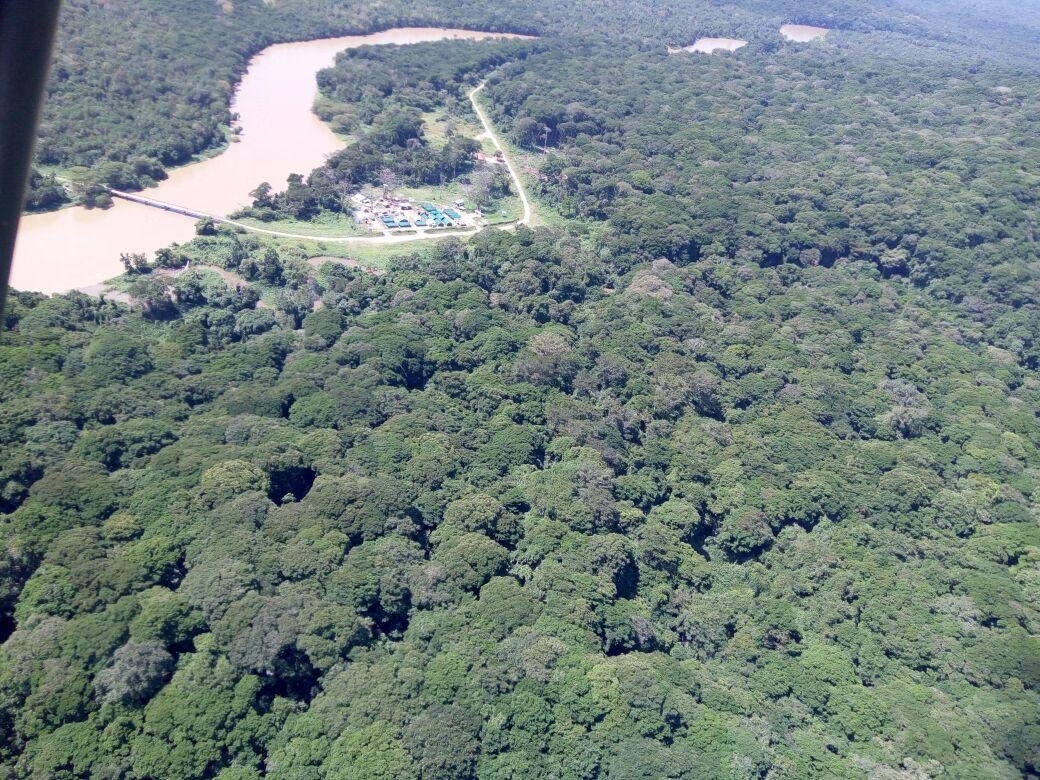
Travel Guide
Discover River Semuliki, a hidden gem in Uganda. Explore its rich wildlife, cultural heritage, and thrilling activities, including boat safaris, birdwatching, and nature walks.
River Semuliki is an important natural feature of western Uganda and the wider Albertine region. The supplied source describes the river as flowing for approximately 140 kilometers and forming part of the natural boundary between Uganda and the Democratic Republic of Congo before eventually entering Lake Albert.
Its significance goes far beyond the water itself.
The river interacts with wetlands, tropical forest, wildlife habitat, communities, and the broader landscape associated with Semuliki National Park.
For travelers, this creates opportunities for birdwatching, nature walks, cultural learning, and exploration of other attractions in the Semuliki region.
The supplied source describes River Semuliki as flowing through western Uganda toward Lake Albert.
It places the river within a landscape shaped by the Rwenzori region, wetlands, forest, and the Albertine environment.
The river supports ecological systems used by wildlife and people.
This makes it both a geographical feature and an important part of the region’s natural heritage.
Part of the river is associated with the international boundary between Uganda and the Democratic Republic of Congo.
Rivers often play important geographical roles because their channels provide recognizable landscape features.
For travelers, this border context also demonstrates how connected ecosystems can extend across political boundaries.
Wildlife and water systems function across landscapes rather than according to national lines.
The supplied source closely connects the river with Semuliki National Park.
The park is known for tropical forest, wetlands, birdlife, primates, and geothermal features.
Visitors exploring the region therefore encounter a much broader ecosystem than the river alone.
The combination of habitats contributes to Semuliki’s distinctive character.
A river influences vegetation, animal movement, feeding areas, and wetland formation.
The source emphasizes the importance of River Semuliki as a water source for surrounding flora and fauna.
This ecological role becomes especially clear when travelers observe how wildlife and birds concentrate around wet environments.
The supplied material mentions hippos among animals associated with the river.
Hippos depend strongly on aquatic environments but can be dangerous.
Visitors should observe them only through properly managed activities and from appropriate distances.
A calm-looking river should never encourage travelers to approach wildlife without professional guidance.
Crocodiles are also listed in the source.
Their presence reinforces the need for caution around the water.
Visitors should never assume an apparently empty shoreline is safe for swimming or close approach.
Local guides understand areas used by wildlife and should determine where visitors can safely observe.
The source describes elephants and buffaloes as part of the wider wildlife landscape.
Sightings are never guaranteed.
These animals may move through large areas according to water, food, and disturbance.
Encountering them in a forested or riverine environment can feel very different from seeing the same species on open savannah.
Antelope species are also included in the source’s description of wildlife around the region.
Dense vegetation can make observation more challenging.
Travelers should therefore value signs, tracks, calls, and brief sightings rather than expecting every animal to stand in open view.
The forest environment rewards patient observation.
One of Semuliki’s strongest attractions is birdwatching.
The supplied source refers to more than 400 bird species in the wider region.
This figure is reproduced from the supplied material.
The variety reflects the ecological importance of forest, wetland, and riverine habitats.
The source mentions the shoebill among notable birds.
As with all wildlife, a sighting cannot be promised.
Birders specifically seeking shoebills should use knowledgeable guides who understand current local conditions and suitable habitats.
Patience is essential when searching for rare or widely dispersed birds.
Forest hornbills represent another element of Semuliki’s birdlife.
Their calls and movements through the canopy can form part of the forest experience even when clear photography is difficult.
A guide familiar with vocalizations can dramatically improve the quality of birdwatching in dense vegetation.
The supplied source also names the blue-headed crested flycatcher.
Specialized birders may visit Semuliki specifically because of species associated with its forest environment.
This makes the region particularly valuable for travelers whose Uganda itinerary focuses on birds rather than only large mammals.
The source mentions chimpanzees, baboons, and colobus monkeys among primates found in the wider forest.
Dense forest creates a different wildlife experience from open game-drive destinations.
Visitors may hear primates before seeing them.
Their presence reinforces the ecological diversity of the Semuliki landscape.
The river is also important to nearby communities.
The supplied source names Batwa and Bakonjo people and describes community relationships with fishing, agriculture, traditional medicine, and local folklore.
Travelers should approach these cultural connections respectfully.
The river is not simply a tourism resource; it forms part of people’s lived environment.
Waterways can support household livelihoods through fishing and other activities.
Observing local river use can help visitors understand how conservation, tourism, and community needs intersect.
Travelers should not interfere with daily work or photograph people without permission.
A local guide can explain activities without turning them into a spectacle.
The source refers to plants and traditional medicine as part of community life.
Such knowledge is often closely connected with the surrounding forest and wetland environment.
Visitors interested in these traditions should learn from community members themselves rather than making assumptions based on generalized descriptions.
Local legends and stories can give landscapes meanings that are not visible physically.
The source notes folklore connected with the river.
Listening to these stories can deepen the travel experience by showing how communities understand and interpret the environment around them.
The supplied source lists boat safaris among possible tourism activities.
Availability and routes should be confirmed locally because natural conditions and tourism operations can change.
Where professionally organized, a boat experience can provide a different perspective on riverine wildlife and vegetation.
Dedicated birding excursions allow visitors to move more slowly than a general sightseeing tour.
Birders often benefit from early starts and guides familiar with calls.
Binoculars are essential, while photographers may want lenses suitable for subjects that remain at some distance.
The source also recommends nature walks through forest and wetland environments.
Walking allows visitors to notice details easily missed from a vehicle.
Plants, insects, tracks, bird calls, and smaller animals become part of the experience.
Guided walks should follow current park regulations and designated routes.
A visit to the Semuliki region is frequently associated with the Sempaya Hot Springs, which are specifically highlighted in the supplied source.
These geothermal features add another dimension to the destination.
Travelers can combine forest and river experiences with an opportunity to observe geothermal activity.
The source refers to conservation efforts involving the Uganda Wildlife Authority and community-based programs.
Protecting the ecosystem requires attention to poaching, habitat disturbance, and sustainable use of natural resources.
Tourism can contribute economically when managed responsibly, but visitor activity also needs to remain within environmental limits.
Communities living near protected landscapes are important conservation stakeholders.
Programs that connect livelihoods with conservation can help create incentives for protecting natural resources.
The source presents community involvement as part of the broader conservation approach around Semuliki.
The supplied source identifies December to February and June to August as relatively dry periods offering easier exploration.
It describes wet seasons as more challenging for travel but particularly lush.
These are general seasonal descriptions.
Travelers should check current road and weather conditions before departure.
Rain can make forest trails and roads more difficult.
At the same time, wet conditions intensify the greenery that defines the region.
Visitors choosing a wetter period should bring waterproof clothing, suitable footwear, and flexibility.
A slower schedule can accommodate weather-related delays.
Semuliki is particularly suitable for travelers interested in ecosystems rather than only famous large mammals.
Birding, forests, rivers, primates, wetlands, culture, and geothermal activity can all be incorporated into the visit.
This variety rewards travelers willing to spend time observing smaller details.
River Semuliki forms part of one of western Uganda’s most diverse natural landscapes. The supplied source highlights its ecological importance, wildlife, birdlife, cultural connections, and relationship with Semuliki National Park.
Hippos, crocodiles, primates, birds, wetlands, forests, and nearby geothermal attractions create a destination with many layers.
Community relationships with the river add an equally important human dimension.
For travelers who appreciate birding, guided walks, cultural context, and less conventional safari environments, exploring the River Semuliki region can reveal a side of Uganda very different from the country’s better-known savannah parks and mountain-gorilla forests.

26 African Countries Under Full or Partial U.S. Travel Ban (Post-December Update) Following the December update to U.S.…
Read article →
3 Days Congo Gorilla Safari – Encounter the Gentle Giants of Virunga A 3 Days Congo Gorilla Safari…
Read article →
Children and Kids on Safari – Family-Friendly Adventures in Africa Taking children on an African safari is one…
Read article →
How to Plan a Safari in Uganda—Your Complete Travel Guide Planning a safari in Uganda is the start…
Read article →