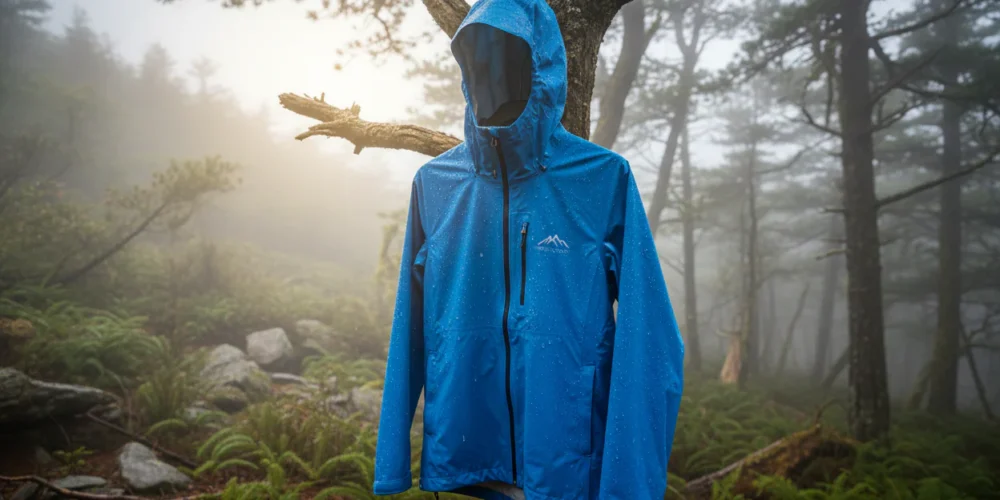

Rain Jacket Recommendations for Gorilla Trekking
Rain Jacket Recommendations for Gorilla Trekking
Gorilla trekking takes place in some of East Africa’s wettest and most mountainous forests. Rain can arrive quickly, even when the morning starts with clear skies. A good rain jacket therefore ranks among the most important items to pack for your trek.
Bwindi Impenetrable National Park, Mgahinga Gorilla National Park, and Volcanoes National Park all experience changing mountain weather. You may start your trek under sunshine and later walk through heavy rain. Dense vegetation can also remain wet after rainfall, leaving you exposed to moisture for several hours.
The right rain jacket keeps you dry without making you uncomfortable during a demanding hike. It should also pack easily inside your daypack when the weather improves.
Why You Need a Rain Jacket for Gorilla Trekking
Rain can affect gorilla trekking at any time of year. Mountain forests create their own weather patterns, and conditions can change quickly as you gain elevation.
A rain jacket protects your upper body from rain while helping you stay warm in cooler mountain conditions. It also provides a useful outer layer when you walk through wet vegetation.
A good jacket should keep water outside while allowing sweat and body heat to escape. This balance becomes important because gorilla trekking can involve steep climbs and several hours of walking.
What Makes a Good Gorilla Trekking Rain Jacket?
The best rain jacket for gorilla trekking should combine waterproof protection, breathability, durability, and light weight. You do not need a heavy expedition jacket for most gorilla treks.
Look for a jacket with a waterproof outer layer and a hood that fits securely around your head. Adjustable cuffs can stop rain from entering through the sleeves, while an adjustable hem provides additional protection around your waist.
A good jacket should also pack easily. You may spend several hours carrying it before you need it, so avoid unnecessary bulk and weight.
Waterproof vs Water-Resistant Jackets
Waterproof and water-resistant jackets do not provide the same level of protection. A water-resistant jacket can handle light moisture, but heavy rain can eventually pass through the fabric.
Gorilla trekking can expose you to sustained rainfall, especially in rainforest environments. A genuinely waterproof jacket provides better protection when conditions become wet.
Check the manufacturer’s waterproof rating when comparing jackets. A higher rating generally indicates stronger protection against water pressure.
Breathability Matters During Gorilla Trekking
Waterproof protection alone does not make a jacket comfortable. Gorilla trekking can involve steep climbs that cause you to sweat heavily.
A jacket with poor breathability can trap heat and moisture inside. You may remain protected from rain but still become wet from perspiration.
Choose a breathable waterproof jacket whenever possible. Features such as ventilation zips can also improve comfort during strenuous sections of the trek.
Lightweight Rain Jackets Work Best
A lightweight jacket offers several advantages during gorilla trekking. You can wear it comfortably for long periods and store it easily when the rain stops.
Avoid carrying a bulky winter-style raincoat unless you plan to travel in extremely cold conditions afterward. Gorilla trekking requires practical clothing that works well in changing weather.
A lightweight waterproof shell usually provides enough protection when you combine it with warm layers underneath.
Hood Design Matters
A good hood can make a significant difference during heavy rain. It should provide enough coverage without blocking your vision.
Look for a hood with adjustable drawcords that allow you to secure it around your head. Some jackets also include stiffened brims that help direct water away from your face.
A secure hood becomes especially useful when strong rain and wind occur on exposed sections of the trail.
Recommended Rain Jacket Brands
Several outdoor brands produce excellent rain jackets for gorilla trekking. Popular options include Patagonia, The North Face, Columbia, Marmot, Arc’teryx, Outdoor Research, Helly Hansen, and Rab.
You do not need the most expensive model. Focus on waterproofing, breathability, fit, packability, and durability.
A well-fitting jacket from a reputable outdoor brand can provide excellent protection throughout your safari.
Patagonia Rain Jackets
Patagonia offers several lightweight waterproof shells suitable for travelers who want strong weather protection without excessive weight.
Its rain jackets often combine waterproof construction with breathable fabrics and practical features. Many models also pack into small spaces, making them convenient for safari travel.
Patagonia jackets can work particularly well for travelers who want one versatile shell for trekking, hiking, and general outdoor activities.
The North Face Rain Jackets
The North Face offers several waterproof jackets designed for hiking and outdoor travel.
Its lightweight shell jackets can provide useful protection during wet gorilla treks. Many models also offer adjustable hoods, waterproof zips, and breathable construction.
Choose a hiking-oriented model rather than a casual city raincoat. Gorilla trekking requires stronger protection and better mobility.
Columbia Rain Jackets
Columbia provides a wide range of waterproof jackets at different price points.
Its hiking rain jackets can suit travelers who want reliable protection without paying for high-end technical equipment.
Look for a waterproof and breathable model with an adjustable hood. A lightweight design will work better for long trekking days.
Marmot Rain Jackets
Marmot produces outdoor clothing designed for hiking and changing weather conditions.
Its waterproof shells offer a useful combination of protection and packability.
Marmot can suit travelers who want a technical rain jacket for gorilla trekking and other outdoor adventures during the same trip.
Arc’teryx Rain Jackets
Arc’teryx produces premium technical outdoor clothing.
Its waterproof shells often provide excellent protection, breathability, and construction quality. These jackets can perform well in demanding environments.
However, you do not need to spend heavily on a premium jacket simply for one gorilla trek. Consider this option if you regularly hike or travel in wet conditions.
What Color Rain Jacket Should You Choose?
Color does not matter as much as performance, but neutral and natural colors work well for wildlife activities.
Avoid choosing a jacket purely because of its appearance. Waterproofing, comfort, and durability should come first.
A practical color can also hide mud and stains, which can become common during forest trekking.
Should You Buy a Rain Jacket or Poncho?
A rain jacket generally provides better freedom of movement during gorilla trekking. You can walk, climb, use trekking poles, and handle your camera without dealing with excess fabric.
A poncho can provide excellent rain coverage, especially for your backpack. However, strong wind can make a loose poncho difficult to manage on steep trails.
For most trekkers, a waterproof jacket combined with waterproof trousers provides a more practical solution.
Should Your Rain Jacket Have Pockets?
Useful pockets can make your trek more convenient.
Zipped pockets can protect small items such as tissues, permits, phones, or other essentials from rain. However, keep important electronics in waterproof bags even when your jacket has waterproof pockets.
Avoid overloading the pockets because extra weight can make the jacket uncomfortable during a long trek.
Packability Matters
You may not wear your rain jacket throughout the entire trek.
A packable jacket allows you to store it easily when the sun appears. It also gives you quick access when clouds begin to gather.
Look for a jacket that folds or compresses without taking up too much space.
A lightweight dry bag inside your backpack can provide additional protection when you store the jacket alongside other gear.
Should You Wear Your Rain Jacket All Day?
Not necessarily. You can wear your jacket when rain begins or when wet vegetation makes an outer layer useful.
During strenuous climbs, you may feel too warm while wearing a waterproof shell. If conditions allow, open the ventilation zips or remove the jacket temporarily.
Always keep the jacket within easy reach because mountain weather can change quickly.
What Should You Wear Under Your Rain Jacket?
Layering works better than relying on one thick garment.
A moisture-wicking base layer can help move sweat away from your skin. Add a lightweight fleece or warm layer when temperatures drop.
Your waterproof jacket then acts as the outer protective layer.
This system gives you more flexibility throughout the trek because you can add or remove layers according to the weather.
Do You Need Waterproof Trousers?
A rain jacket protects your upper body, but heavy rain can quickly soak your trousers.
Waterproof trousers provide additional protection during prolonged rainfall. They also help when you walk through wet vegetation.
Choose lightweight trousers that you can put on over your hiking trousers without restricting movement.
You do not necessarily need to wear them all day. Keep them accessible in your daypack when conditions look wet.
Can You Use a Regular Jacket?
A normal windbreaker or casual jacket may not provide enough protection for gorilla trekking.
Some jackets resist light rain but become saturated during prolonged rainfall.
Forest conditions can remain wet for several hours, so proper waterproof clothing provides greater protection.
If you already own a reliable hiking shell, you can use it. Otherwise, consider investing in a waterproof jacket before your trip.
How Much Should You Spend?
You do not need to spend hundreds of dollars on a rain jacket.
Affordable waterproof hiking jackets can provide excellent protection when they have suitable waterproofing, breathability, and construction.
Premium jackets often offer better materials, lower weight, improved ventilation, and longer durability.
Choose according to how often you plan to use the jacket after your gorilla trek.
Test Your Rain Jacket Before Your Trip
Never wait until you reach the forest to discover a problem with your jacket.
Wear it during a hike before your trip. Check the hood, cuffs, pockets, zips, and overall fit.
Walk uphill while wearing it to see whether it restricts your movement. Also test it with the backpack you plan to carry.
This simple preparation can reveal problems before they affect your trekking experience.
Protect Your Electronics From Rain
Even the best rain jacket cannot protect everything inside your backpack.
Keep your phone, camera, passport, batteries, and other sensitive equipment inside waterproof bags or dry sacks.
A waterproof backpack cover adds another layer of protection.
Photography equipment deserves particular attention because moisture can damage expensive cameras and lenses.
Rain Jacket Tips for Uganda Gorilla Trekking
Uganda’s gorilla trekking destinations sit in mountainous forest environments where rain can occur throughout the year.
A waterproof hiking shell provides valuable protection in Bwindi and Mgahinga. Pair it with waterproof trousers, hiking boots, and moisture-wicking layers.
If you trek during a wetter period, keep spare socks and other essentials inside waterproof bags.
Rain Jacket Tips for Rwanda Gorilla Trekking
Rwanda’s Volcanoes National Park also experiences changing mountain weather.
The elevation can create cool and wet conditions, particularly when clouds move across the Virunga mountains.
A waterproof and breathable jacket works well because it protects you from rain without adding excessive weight during climbs.
Layer it over a fleece or lightweight insulating layer when temperatures feel cool.
How to Choose the Right Rain Jacket
Your ideal gorilla trekking rain jacket should feel comfortable, protect you from heavy rain, and allow you to move freely.
Choose waterproof rather than simply water-resistant construction. Look for breathable materials, an adjustable hood, secure cuffs, and a lightweight design.
Most importantly, make sure the jacket fits comfortably over your trekking layers and under your backpack straps.
Plan Your Gorilla Trekking Packing List
A good rain jacket can make a major difference during gorilla trekking. Mountain forests can produce sudden rainfall, and wet conditions can last for hours.
Choose a lightweight, waterproof, and breathable jacket with a secure hood and comfortable fit. Brands such as Patagonia, The North Face, Columbia, Marmot, Arc’teryx, and Rab offer suitable options at different price levels.
You do not need the most expensive jacket. You need one that fits properly and performs reliably in wet conditions.
Pack your jacket where you can reach it quickly, protect your electronics with dry bags, and consider carrying waterproof trousers and spare socks.
With the right rain protection, you can focus on the forest, the mountain landscape, and the unforgettable experience of encountering gorillas in their natural habitat.