
Karamajong Culture Uganda
Karamajong Culture Uganda: Traditions, Lifestyle & Travel Guide
The Karamajong culture Uganda offers one of the country’s most distinctive cultural experiences. The Karamojong people live mainly in the Karamoja sub-region of northeastern Uganda.
Their traditions remain closely connected to cattle, family, community, and the land. A visit to Karamoja offers travelers a chance to understand these traditions through authentic cultural encounters.
Who Are the Karamojong People?
The Karamojong are a Nilotic ethnic group living in northeastern Uganda. Their homeland covers a large area of dry plains, mountains, and seasonal grasslands.
The community includes several groups with shared cultural traditions and related languages. The Karamojong speak Ngakarimojong, while many people also speak English or other Ugandan languages.
For generations, cattle have played a major role in Karamojong society. They provide food, wealth, social status, and an important connection between families.
Today, many Karamojong communities combine traditional pastoral life with farming, business, education, and modern employment.
The Role of Cattle in Karamajong Culture
Cattle stand at the heart of Karamajong culture Uganda. They represent much more than an economic resource.
Families use cattle in important social and cultural exchanges. Livestock can also influence marriage arrangements and strengthen relationships between families.
Young men traditionally care for cattle and move with herds in search of water and pasture. This lifestyle developed as a response to Karamoja’s dry climate and seasonal rainfall.
Visitors can learn about cattle keeping during community visits. Local guides can explain how livestock shapes daily life, family relationships, and traditional ceremonies.
Traditional Karamojong Homesteads
A traditional Karamojong homestead is known as a manyatta. It usually contains several small houses surrounded by a protective fence.
The community builds manyattas using locally available materials. These often include branches, mud, grass, and thorny vegetation.
The layout reflects the community’s social structure and need for security. Families live close together and share responsibilities within the settlement.
Visiting a manyatta provides a deeper understanding of traditional Karamojong life. Travelers can meet residents, learn about their homes, and observe everyday activities.
Karamojong Traditional Dress
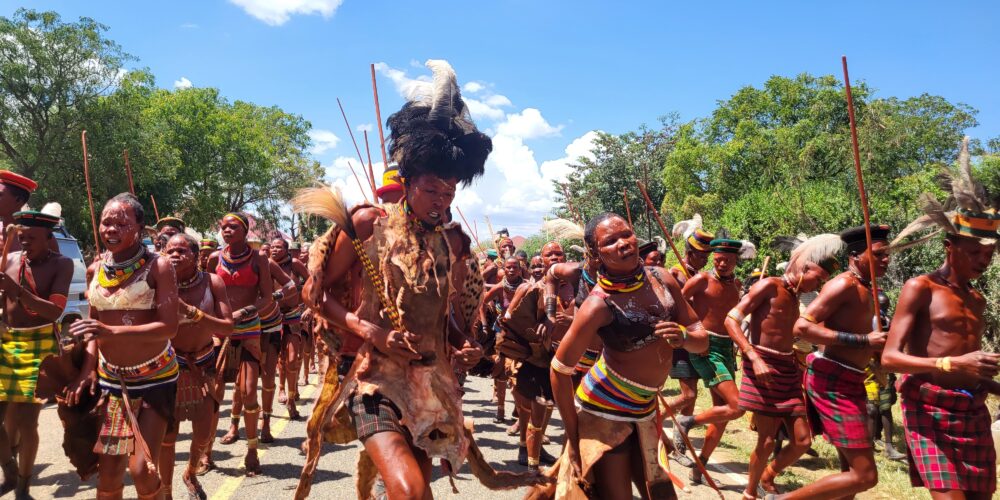
Traditional clothing forms an important part of Karamojong identity. Bright colors, beads, ornaments, and animal skins often feature in cultural dress.
Women commonly wear colorful beads around their necks, arms, and waists. These ornaments can carry social and cultural meaning.
Men may wear traditional wraps and distinctive accessories during ceremonies. Their appearance can also reflect age, social position, or participation in cultural events.
Today, traditional dress often appears during cultural celebrations and community performances. It remains an important way to express identity and heritage.
Karamojong Music and Dance
Music and dance bring communities together during celebrations and important occasions. Traditional songs often carry stories about history, relationships, cattle, and community life.
Dancers may perform in groups while singing and moving to rhythmic sounds. The performances can create an energetic and welcoming atmosphere for visitors.
Cultural performances also help younger generations learn traditional songs and dances. They keep important elements of Karamojong heritage alive.
Travelers should approach these experiences respectfully. Photography should always follow local guidance and individual consent.
Karamojong Marriage Traditions
Marriage holds an important place within Karamojong society. Traditionally, families play a significant role in marriage arrangements and negotiations.
Cattle have historically formed an important part of marriage exchanges. The number and type of livestock involved can depend on family circumstances and social relationships.
Marriage also creates stronger connections between families and communities. Traditional ceremonies may include singing, dancing, blessings, and other cultural practices.
Modern influences have changed some marriage traditions. However, family involvement and cultural identity remain important in many communities.
Food and Traditional Karamojong Cuisine
Food in Karamoja reflects the region’s pastoral lifestyle and environment. Milk and other livestock products have traditionally formed an important part of the local diet.
Communities also grow crops suited to the region’s conditions. Sorghum, millet, and other drought-tolerant crops can support household food supplies.
Traditional meals vary between communities and seasons. Local hosts can explain how food production responds to rainfall, livestock movements, and available resources.
A cultural visit can therefore offer more than sightseeing. It can help travelers understand how people adapt to a challenging environment.
The Importance of Elders in Karamojong Society
Elders hold an important position within traditional Karamojong communities. They help preserve knowledge, customs, stories, and community values.
They may also participate in discussions about family and community matters. Their experience provides a link between younger generations and the past.
Oral traditions play a major role in preserving history. Stories, songs, and teachings can pass knowledge from one generation to another.
This oral heritage makes cultural encounters particularly valuable. Visitors can hear perspectives that they may not find in conventional travel guides.
Karamoja’s Landscape and Culture
The environment strongly influences Karamajong culture Uganda. Karamoja experiences a dry climate with unpredictable rainfall and long periods of limited water.
Communities have developed ways to survive within these conditions. Pastoralism remains important because livestock can move between areas when grazing conditions change.
Mountains, plains, seasonal rivers, and open savannahs shape the region’s character. These landscapes also create opportunities for hiking, wildlife viewing, and cultural tourism.
Mount Moroto provides one of the region’s most impressive natural landmarks. Travelers can combine cultural experiences with mountain adventures and visits to local communities.
Where to Experience Karamojong Culture in Uganda
Moroto serves as one of the main gateways to the Karamoja region. It provides access to cultural experiences, mountain activities, and surrounding communities.
Kotido also offers opportunities to explore Karamojong traditions and local ways of life. The town provides another useful base for travelers exploring northeastern Uganda.
Kidepo Valley National Park adds wildlife to a Karamoja itinerary. The park features lions, elephants, giraffes, zebras, buffaloes, and several species rarely seen elsewhere in Uganda.
Combining culture with wildlife creates a well-rounded northeastern Uganda experience. Travelers can spend time with local communities before exploring the dramatic landscapes of Kidepo.
Karamojong Cultural Experiences for Travelers
A responsible cultural visit should focus on genuine interaction rather than staged entertainment. Local community guides can introduce visitors to families and explain traditional practices.
Travelers may visit a manyatta, learn about cattle keeping, watch traditional dances, or participate in cultural activities. Some experiences also include traditional food and storytelling.
The best experiences allow local people to control how their culture gets presented. This approach supports dignity, cultural preservation, and community tourism.
Visitors should also ask before taking photographs. Respect for local customs makes cultural tourism more meaningful for everyone.
Best Time to Visit Karamoja
The best time to explore Karamoja depends on your interests and itinerary. The dry seasons generally provide easier road conditions and better opportunities for outdoor activities.
Wildlife viewing in Kidepo can also become rewarding during drier months. Animals often gather around remaining water sources as the dry season progresses.
However, Karamoja remains culturally interesting throughout the year. Rainfall can transform the landscape and support fresh vegetation.
Travelers should check road conditions before departure. Some remote routes become difficult during heavy rains.
Why Experience Karamojong Culture?
Experiencing Karamajong culture Uganda adds a human dimension to a safari. It introduces travelers to traditions shaped by cattle, community, climate, and history.
Karamoja also offers a different perspective of Uganda. The region feels distinct from the country’s tropical forests, lakes, and western savannahs.
Cultural tourism can also support local communities when travelers use responsible operators. Tourism revenue can contribute to employment, community projects, and heritage preservation.
Most importantly, a cultural visit creates opportunities for respectful exchange. Travelers return with a deeper understanding of the people who call Karamoja home.
Plan Your Karamoja Cultural Experience
A journey through Karamoja can combine culture, wildlife, mountains, and local hospitality. You can visit a traditional manyatta, explore Mount Moroto, and continue to Kidepo Valley National Park.
Working with a local tour operator can simplify transport and cultural arrangements. Experienced guides can also help visitors approach communities respectfully.
If you want to experience Karamajong culture Uganda, consider adding Karamoja to your next Uganda safari. The region offers powerful cultural encounters and landscapes unlike anywhere else in the country.