

26 African Countries Under Full or Partial U.S. Travel Ban (Post-December Update)
26 African Countries Under Full or Partial U.S. Travel Ban (Post-December Update) Following the December update to U.S.…
Read article →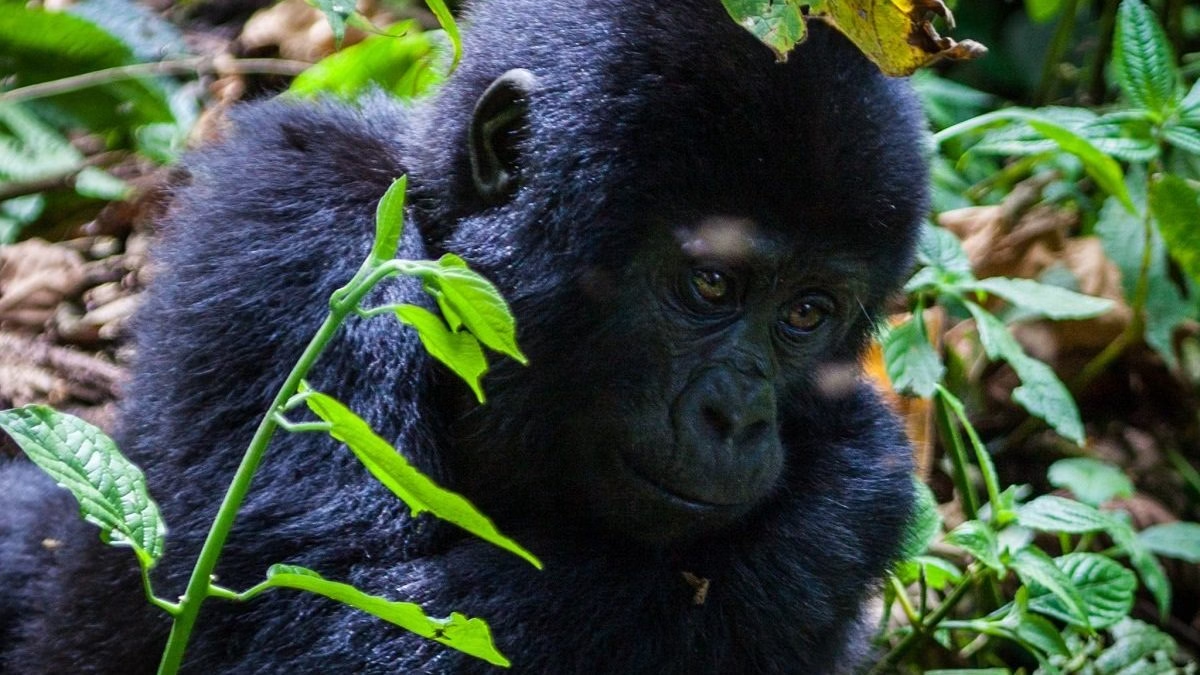
Travel Guide
Explore the ethical side of gorilla trekking. Learn how to protect gorillas, support local communities, and travel responsibly in East Africa.
Ethical gorilla trekking begins with recognizing that entering a gorilla’s natural habitat is a privilege that carries responsibility. Gorilla trekking gives travelers an opportunity to observe one of the world’s most remarkable primates at close range, but the quality of the experience should never be measured by how close a visitor can get, how dramatic a photograph becomes, or how much interaction can be encouraged.
The supplied source emphasizes that responsible trekking protects three closely connected interests: the gorillas, their forest habitat, and communities living around protected areas. Rules governing distance, group size, viewing time, illness, photography, feeding, touching, and waste are therefore not unnecessary restrictions. They are central to making tourism compatible with conservation.
Travelers contribute by following ranger instructions even when those instructions limit a desired photograph or wildlife encounter. Responsible operators also have an important role through guide training, wildlife protection, visitor education, and support for communities.
Maintaining appropriate distance is one of the most important principles of ethical gorilla trekking.
The supplied source specifies a minimum distance of seven meters between visitors and gorillas.
Distance serves several purposes. It reduces disturbance and helps lower the risk of humans transmitting illness to gorillas.
Travelers should therefore resist the temptation to move closer simply because a gorilla appears calm.
A relaxed animal still deserves space.
The supplied source emphasizes the close biological relationship between humans and gorillas.
This relationship contributes to the concern about disease transmission.
An illness that seems relatively ordinary in a human visitor may create a serious health risk for wild primates.
Distance is therefore a health-protection measure as well as a behavioral rule.
Guides help manage encounters and explain how visitors should behave.
Their instructions should take priority over a traveler’s desire to move into a better photographic position.
If a guide asks a visitor to remain still, move back, lower their voice, or change position, the instruction has a conservation purpose.
Ethical behavior means cooperating immediately.
Wildlife photography can create pressure to move closer.
A branch, another trekker, or poor light may make the ideal image difficult.
That does not justify violating the viewing distance.
A photograph should document a responsible encounter rather than become the reason an animal is disturbed.
The supplied source explains that each gorilla group receives only a small group of tourists per day.
Limiting visitor numbers reduces the intensity of human presence.
A larger crowd would create more noise, movement, and pressure around the animals.
Small groups also make it easier for guides to manage visitor behavior.
According to the supplied source, standard trekking encounters allow visitors one hour with the gorillas once they are located.
That hour can pass surprisingly quickly.
Visitors may naturally wish to remain longer, particularly after spending considerable time trekking through the forest.
However, the limit exists to reduce disturbance.
The ethical response is to value the permitted time rather than regard the restriction as an inconvenience.
Wildlife tourism works best when animals continue behaving naturally.
If gorillas repeatedly change their behavior because of visitors, tourism begins interfering with the experience it is supposed to protect.
Limited viewing periods help reduce continuous human pressure.
The goal is observation rather than interaction.
The source connects gorilla permits with the system used to manage trekking and fund conservation.
A permit therefore does more than provide access.
It supports regulated tourism in which visitor numbers and viewing conditions can be controlled.
Travelers should use authorized booking arrangements rather than seeking unregulated alternatives.
The supplied source emphasizes the importance of selecting operators committed to ethical standards.
A responsible operator should respect wildlife regulations rather than promising guests special access that contradicts them.
Guide training and visitor education are especially important.
Travelers should be cautious of any company implying that rules can be ignored in exchange for money or tips.
Ethical tourism requires decisions that may occasionally be inconvenient for visitors.
A responsible operator should prioritize the animal’s welfare even when doing so disappoints a guest.
This could involve reinforcing distance requirements, supporting a ranger’s decision, or explaining why a particular request cannot be accommodated.
Long-term conservation has greater value than one dramatic encounter.
The supplied source instructs visitors to avoid flash photography.
Flash can startle gorillas and interfere with the calm environment required during an encounter.
Travelers should prepare camera settings before trekking.
Understanding how to work with available light is better than discovering at the last moment that the camera automatically activates a flash.
Loud voices can disturb the forest atmosphere.
The source recommends speaking quietly and moving gently.
Visitors may feel excited when gorillas first appear, but controlling that excitement is part of responsible wildlife observation.
Quiet behavior can also make the experience more immersive.
Forest sounds and subtle gorilla interactions become easier to notice.
Although the source particularly emphasizes gentle movement, the principle extends to general behavior around gorillas.
Visitors should not run toward an animal, wave for attention, or make exaggerated movements to provoke a reaction.
The objective is to become a quiet observer.
Wildlife should never have to perform for tourists.
The supplied source identifies visitor health as a major ethical concern.
People showing symptoms such as flu, fever, or cough should not trek.
Park authorities may refuse participation where illness could threaten gorillas.
This can be extremely disappointing for someone who has traveled a long distance, but responsible tourism requires putting wildlife health first.
Travelers should not hide symptoms simply to avoid missing a trek.
The source specifically frames honesty about health as an ethical responsibility.
A visitor may have invested substantial money and time in reaching the park, yet that investment does not outweigh the potential consequences of exposing wild gorillas to disease.
Gorilla conservation is closely connected with people living near protected forests.
The supplied source highlights employment opportunities in guiding, porter services, cooking, lodge operations, and other tourism activities.
When communities receive meaningful benefits from tourism, conservation can become economically relevant to local households.
This creates a stronger relationship between wildlife protection and community development.
Although the supplied source discusses porter employment broadly rather than giving a detailed porter guide, the principle is clear.
Tourism can create direct jobs for people living around gorilla destinations.
Using local services distributes visitor spending beyond accommodation and permits.
It can also make difficult trekking routes easier for travelers.
Supporting locally connected accommodation, crafts, food services, and other businesses can extend the benefits of tourism.
The supplied source emphasizes building trust through community support.
Responsible travelers should therefore consider where their tourism spending goes rather than focusing only on the lowest possible price.
The source states that a portion of gorilla permit revenue contributes to community projects such as schools and clinics.
This is presented as one way regulated gorilla tourism links conservation with surrounding communities.
Such relationships are important because people living near wildlife habitat experience the costs and benefits of conservation more directly than distant visitors.
Feeding wildlife is incompatible with ethical gorilla trekking.
The source explains that feeding can create dependency.
It can also alter natural behavior.
Gorillas need to remain wild and obtain their own food from their natural environment.
Visitors should therefore keep food securely stored and follow guide instructions regarding eating during the trek.
The supplied source is equally clear about touching.
Visitors should never reach toward a gorilla.
Physical contact can increase health risks and interfere with the animal’s natural boundaries.
Even if a gorilla appears curious, the visitor’s responsibility remains to follow ranger guidance.
Wild animals do not necessarily understand the seven-meter guideline.
A gorilla may move closer on its own.
This does not give visitors permission to initiate contact.
The correct response is to remain calm and follow the guide’s instructions rather than reaching out, blocking the animal, or attempting a close photograph.
The supplied source applies a straightforward environmental principle: carry out what you carry in.
Food wrappers, bottles, tissues, and other waste should never remain in the forest.
A small piece of litter may seem insignificant to one visitor, but repeated carelessness across thousands of visitors can create substantial impact.
Forest vegetation is part of the protected habitat.
Visitors should not collect flowers, leaves, or other plants as souvenirs.
The experience should remain in photographs and memories rather than through removing pieces of the ecosystem.
The source encourages visitors to stick to designated routes.
During gorilla trekking, guides may determine how groups move through the forest according to conditions.
Travelers should follow those instructions instead of wandering independently.
This protects both visitors and habitat.
Ethical trekking extends beyond the hour spent with gorillas.
The forest supports many other species.
Birds, insects, smaller mammals, plants, and microorganisms all contribute to the ecosystem.
Responsible visitors therefore behave carefully throughout the trek, not only when gorillas become visible.
Photography is an important part of many gorilla treks, but it should remain secondary to animal welfare.
Travelers can prepare by understanding camera settings before entering the forest.
This reduces unnecessary movement and distraction.
The best photograph is never worth violating ranger instructions.
When gorillas are first located, visitors may benefit from taking a moment to observe before immediately raising a camera.
Watching behavior directly can provide a stronger sense of the encounter.
It also allows travelers to understand where the animals are positioned and how the group should behave.
Conservation rules do not diminish gorilla trekking.
They make it possible.
Without carefully controlled access, repeated tourism pressure could undermine the wildlife experience.
Distance, limited group size, short viewing periods, health screening, and behavioral guidelines help preserve the conditions that allow future visitors to trek responsibly.
The supplied source presents Gecko Safaris Africa as following strict ethical standards during gorilla trekking.
It emphasizes guide training, wildlife safety, and visitor education.
Within the source’s framing, travelers booking through the company contribute to conservation-oriented tourism and community benefits.
The broader principle remains that every operator should respect the regulations established for gorilla protection.
Responsible tourism asks travelers to think beyond personal enjoyment.
A gorilla trek can create extraordinary memories while also supporting conservation and livelihoods.
These outcomes are strongest when visitors accept that wildlife welfare comes before convenience.
Travel with purpose means recognizing that entering a protected forest creates responsibilities as well as privileges.
Ethical gorilla trekking depends on a series of practical choices.
Maintain the minimum distance described in the supplied source. Respect the one-hour viewing limit. Keep group sizes controlled through authorized permits. Avoid flash photography and unnecessary noise. Do not trek when ill. Never feed or touch gorillas, and leave no waste behind.
Travelers should also recognize the importance of local communities. Guides, porters, lodge staff, cooks, artisans, and other residents can benefit from a well-managed tourism economy.
Ultimately, gorilla trekking should allow people to observe wild animals without turning those animals into performers.
The most meaningful encounter is one in which the gorillas remain free to behave naturally while visitors leave the forest with greater respect for the animals, their habitat, and the communities involved in protecting them.

26 African Countries Under Full or Partial U.S. Travel Ban (Post-December Update) Following the December update to U.S.…
Read article →
3 Days Congo Gorilla Safari – Encounter the Gentle Giants of Virunga A 3 Days Congo Gorilla Safari…
Read article →
Children and Kids on Safari – Family-Friendly Adventures in Africa Taking children on an African safari is one…
Read article →
How to Plan a Safari in Uganda—Your Complete Travel Guide Planning a safari in Uganda is the start…
Read article →