
Batwa Pygmies Culture in Uganda
Batwa Pygmy Culture in Uganda: History, Traditions, Lifestyle, and Cultural Experiences
The Batwa people of Uganda represent one of the country’s oldest indigenous communities. Often described as the “forest people,” the Batwa have lived in the ancient forests of southwestern Uganda for thousands of years, developing a deep connection with nature, wildlife, and the forest environment.
For generations, the Batwa lived as hunter-gatherers inside the forests of the Albertine Rift, especially around Bwindi Impenetrable Forest and Mgahinga Gorilla National Park. The forest provided everything they needed, including food, medicine, shelter, and spiritual connection.
Today, visiting the Batwa communities offers travellers a meaningful cultural experience that goes beyond traditional sightseeing. It provides an opportunity to learn about ancient traditions, understand the challenges faced by indigenous communities, and support local efforts to preserve Batwa heritage.
A Batwa cultural experience is often combined with gorilla trekking in Uganda, allowing visitors to explore both the natural and human stories surrounding Bwindi and Mgahinga.
Who Are the Batwa People of Uganda?
The Batwa are an indigenous forest community that lived in the forests of southwestern Uganda long before modern settlements developed in the region.
They are among the oldest inhabitants of the Great Lakes region of Africa. Their traditional lifestyle depended on the forest ecosystem, where they hunted small animals, gathered wild fruits, collected medicinal plants, and used natural materials to build shelters.
The Batwa developed detailed knowledge of the forest environment. They understood animal behavior, seasonal changes, plant uses, and natural resources better than many communities living outside the forest.
Their relationship with nature was not only economic but also spiritual. The forest represented their home, identity, and cultural foundation.
Today, many Batwa communities live near Bwindi Impenetrable National Park and Mgahinga Gorilla National Park after leaving their traditional forest homes due to conservation changes and the creation of protected areas.
History of the Batwa and the Forest
The history of the Batwa people is closely connected to the forests of the Virunga-Bwindi ecosystem.
For centuries, the Batwa lived alongside mountain gorillas and other forest species without causing significant environmental damage. Their lifestyle followed traditional practices that allowed them to use forest resources sustainably.
In 1991, Bwindi Impenetrable Forest became a national park, while Mgahinga Gorilla National Park also received protected status. These conservation efforts aimed to protect mountain gorillas and preserve one of Africa’s most important ecosystems.
However, the creation of protected areas changed the traditional way of life for the Batwa. Many families lost direct access to the forest, which affected their cultural practices, livelihoods, and connection to ancestral lands.
Today, conservation organizations, government programs, and community initiatives continue working to support Batwa communities while preserving their cultural heritage.
Traditional Batwa Lifestyle
The traditional Batwa lifestyle revolved around the forest. Their daily activities focused on survival, community cooperation, and maintaining harmony with nature.
The Batwa built temporary shelters using forest materials such as branches, leaves, and vines. These homes allowed them to move through the forest while following seasonal food patterns.
Hunting and gathering formed the foundation of their economy. The Batwa collected honey, wild plants, fruits, and roots while hunting small animals using traditional methods.
They also used medicinal plants to treat various illnesses. Their knowledge of forest medicine developed through generations of experience and remains an important part of their cultural identity.
Community life played a central role among the Batwa. Elders passed knowledge, stories, songs, and traditions to younger generations through oral education.
Batwa Culture, Music, and Dance
Music and dance remain important expressions of Batwa identity.
Traditional Batwa songs often communicate stories about forest life, hunting experiences, celebrations, and community values. Singing provides a way for elders to preserve memories and pass cultural knowledge to younger generations.
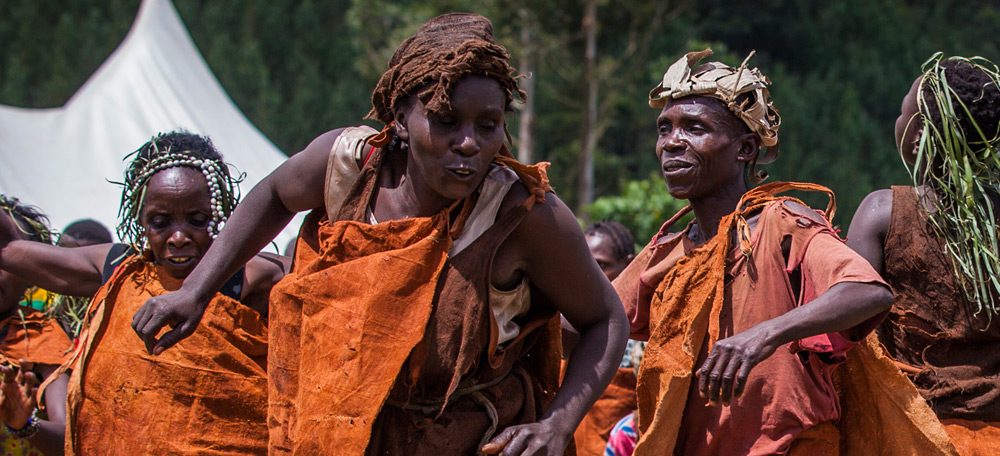
During Batwa cultural experiences, visitors can enjoy traditional performances featuring songs, dances, and storytelling. These performances provide insight into the community’s history and relationship with the forest.
Traditional instruments, including drums and handmade musical tools, accompany many performances.
The dances often represent daily activities such as hunting, gathering, and community celebrations. They create a connection between visitors and the cultural traditions that have survived for generations.
Batwa Spiritual Beliefs and Connection With Nature
The Batwa traditionally viewed the forest as a sacred place filled with spiritual meaning.
They believed that natural features, animals, and certain areas of the forest carried important cultural significance. Their relationship with the environment involved respect, responsibility, and careful use of resources.
The forest provided more than physical resources. It represented their identity, history, and connection to ancestors.
Many Batwa traditions included ceremonies, songs, and stories connected to the natural world. These practices helped strengthen community relationships and preserve cultural knowledge.
Although modern life has changed many traditional practices, the spiritual connection between the Batwa and the forest remains an important part of their heritage.
Batwa Cultural Experience in Uganda
Travellers visiting southwestern Uganda can participate in Batwa cultural experiences near Bwindi and Mgahinga.
These experiences allow visitors to walk with Batwa guides, learn about traditional forest survival skills, and understand how the community lived before conservation restrictions changed their lifestyle.
During a cultural visit, guests may learn how the Batwa collected medicinal plants, hunted using traditional techniques, built shelters, and used forest resources.
Storytelling sessions provide deeper insight into Batwa history and the challenges faced after leaving the forest.
Visitors also enjoy traditional songs and dances performed by community members.
These experiences create meaningful cultural exchanges while providing direct economic benefits to Batwa families.
Batwa Cultural Experience Near Bwindi
Bwindi Impenetrable National Park offers some of the most popular Batwa cultural experiences in Uganda.
Visitors staying near sectors such as Buhoma, Ruhija, Rushaga, and Nkuringo can often include Batwa visits within their gorilla trekking itineraries.
The experience usually involves meeting Batwa community members who share their traditions, history, and connection to the forest.
Many visitors combine a gorilla trek with a Batwa cultural visit because both experiences reveal different sides of the Bwindi ecosystem.
The gorillas represent the importance of conservation, while the Batwa community represents the human history connected to the forest.
Batwa Cultural Experience Near Mgahinga
Mgahinga Gorilla National Park provides another important location for experiencing Batwa culture.
The famous Batwa Trail Experience allows visitors to explore the forest with Batwa guides who share their traditional knowledge and stories.
The trail demonstrates how the Batwa hunted, gathered food, collected medicine, and lived within the forest environment.
Visitors also learn about cultural sites that hold spiritual importance for the Batwa community.
The experience provides a deeper understanding of the relationship between indigenous people and conservation areas.
Conservation and Community Support
Batwa cultural tourism plays an important role in supporting local communities.
Since many Batwa families lost access to their traditional forest lifestyle, cultural tourism provides opportunities for income generation and community development.
Revenue from cultural visits helps support education, healthcare, housing improvements, and community projects.
Tourism also encourages younger generations to preserve traditional knowledge, songs, stories, and skills that might otherwise disappear.
Responsible tourism allows visitors to appreciate Batwa culture while supporting conservation efforts around Uganda’s protected forests.
Why Visit the Batwa During a Uganda Safari?
A Batwa cultural experience adds depth to a Uganda safari by showing the human history behind the country’s famous forests.
Many travellers visit Uganda for gorilla trekking, but the Batwa experience reveals the people who lived alongside these forests for generations.
It creates a connection between wildlife conservation, indigenous heritage, and sustainable tourism.
Visitors leave with a better understanding of Uganda’s cultural diversity and the importance of protecting both natural environments and traditional communities.
A visit to the Batwa is not only a cultural activity but also an opportunity to support a community preserving an important part of Uganda’s history.
Plan Your Cultural Safari
The Batwa people represent a unique chapter in Uganda’s cultural heritage. Their knowledge of the forest, traditional practices, music, and storytelling provide visitors with an authentic experience that complements Uganda’s wildlife adventures.
Combining a Batwa cultural visit with gorilla trekking creates a complete journey through southwestern Uganda. It allows travelers to discover both the natural wonders of Bwindi and the cultural heritage of the people who called these forests home.
For travellers seeking meaningful experiences, the Batwa cultural experience offers a chance to connect with Uganda’s history while supporting sustainable tourism and community conservation.