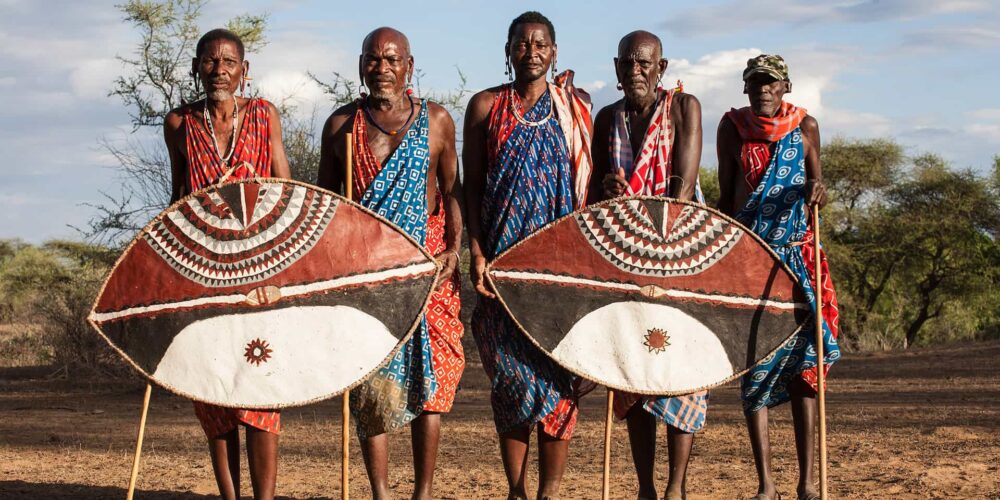

Maasai Culture and Traditions
Maasai Culture and Traditions: History, Lifestyle, Beliefs, and Heritage of East Africa
The Maasai are one of East Africa’s most recognized indigenous communities, known for their strong cultural identity, traditional way of life, colorful clothing, and deep connection with livestock and the land. Living mainly in Kenya and Tanzania, the Maasai have preserved many of their customs and traditions despite changes brought by modern development.
For generations, the Maasai have lived as pastoralists, depending on cattle, goats, and sheep as the foundation of their economy and social structure. Their relationship with livestock goes beyond survival because animals represent wealth, identity, family connections, and cultural pride.
A visit to Maasai communities provides travelers with a deeper understanding of East African heritage. Through cultural experiences, visitors can learn about traditional ceremonies, dances, family life, spiritual beliefs, and the relationship between the Maasai people and the wildlife areas surrounding them.
Many safari destinations in Kenya and Tanzania share landscapes with Maasai communities, creating opportunities for meaningful cultural interactions alongside wildlife adventures.
Who Are the Maasai People?
The Maasai are a Nilotic ethnic group who live mainly in southern Kenya and northern Tanzania. They are among the most famous pastoral communities in Africa because of their distinctive traditions and strong commitment to preserving their cultural identity.
The Maasai language, known as Maa, forms an important part of their heritage. Although many Maasai also speak national languages such as Swahili and English, Maa remains central to storytelling, ceremonies, and communication within communities.
Traditionally, the Maasai lived across large areas of the Great Rift Valley, moving with their livestock in search of water and fresh grazing areas. Their lifestyle developed around the environment, allowing them to survive in some of East Africa’s most challenging landscapes.
Today, many Maasai communities continue practicing traditional customs while adapting to modern education, healthcare, tourism, and changing economic opportunities.
The History and Origins of the Maasai
The Maasai have a long history connected to the Great Rift Valley of East Africa.
Historical accounts suggest that the Maasai migrated southwards from the Nile Valley region several centuries ago before settling in areas that are now Kenya and Tanzania.
Over time, they became highly skilled pastoralists, developing a lifestyle centered around cattle-keeping. Their ability to manage livestock in semi-arid environments allowed them to establish communities across vast areas.
During the colonial period, Maasai communities experienced major changes as European powers introduced new boundaries and land management systems. Some traditional grazing areas became restricted, affecting seasonal movement patterns.
Despite these challenges, the Maasai maintained their cultural practices and continued passing traditions from one generation to another.
The Importance of Cattle in Maasai Culture
Cattle hold a central position in Maasai society. They represent wealth, status, family identity, and social relationships.
Traditionally, a person’s wealth depended largely on the number of cattle they owned. Livestock provided milk, meat, and blood, which formed important parts of the traditional Maasai diet.
Cattle also play a significant role in ceremonies and social exchanges. Marriage arrangements, community relationships, and celebrations often involve livestock.
The Maasai believe that cattle were given to them by their creator, Enkai, which strengthens the spiritual connection between people and animals.
Although modern lifestyles have introduced new economic activities, cattle remain an important symbol of Maasai heritage.
Maasai Traditional Clothing and Beadwork
One of the most recognizable features of Maasai culture is their traditional clothing and colorful beadwork.
Maasai people are known for wearing shúkà, a traditional cloth often wrapped around the body. The colors and patterns may represent different meanings related to identity, age, status, and cultural belonging.
Red holds particular importance because it symbolizes bravery, strength, and unity within Maasai culture.
Beadwork is another important cultural expression. Maasai women create beautiful jewelry, including necklaces, bracelets, and earrings, using colorful beads.
These designs communicate information about a person’s age group, social status, marital status, and community identity.
Beyond decoration, beadwork represents creativity, history, and cultural pride passed through generations.
Maasai Social Structure and Community Life
Maasai society follows a strong community structure based on age groups and family relationships.
Age plays an important role in defining responsibilities and social roles. Young boys traditionally undergo training to become warriors, while elders provide guidance and leadership within the community.
The warrior stage, known as moran, represents an important period in Maasai life. Traditionally, young warriors protected communities, cared for livestock, and demonstrated courage.
Elders hold respected positions and make important decisions affecting the community. Their knowledge of traditions, land, livestock, and cultural practices guides younger generations.
Family and community cooperation remain essential values among the Maasai.
Maasai Warriors and Their Role
Maasai warriors, known as morans, are among the most recognised symbols of Maasai culture.
Traditionally, morans protected livestock from predators and defended their communities. Their role required courage, discipline, and knowledge of the environment.
Warriorhood represents a transition between childhood and adulthood. During this period, young men learn important skills, cultural responsibilities, and community values.
Today, the role of warriors has changed due to modern security systems and changing lifestyles. However, the warrior tradition remains an important cultural identity.
Many cultural performances showcase warrior songs, dances, and jumping displays that represent strength, unity, and celebration.
Maasai Traditional Ceremonies and Celebrations
Ceremonies play an important role in preserving Maasai traditions and marking important stages of life.
Birth, initiation, marriage, and elder ceremonies often involve songs, blessings, and community gatherings.
Initiation ceremonies traditionally mark the transition from one stage of life to another. These events teach young people cultural responsibilities and strengthen community bonds.
Marriage traditions also hold great cultural importance. Traditionally, marriages connect families and communities through agreements and ceremonies involving elders.
Music and dance accompany many Maasai celebrations. Traditional songs preserve history, communicate messages, and bring communities together.
Maasai Music and Dance
Music and dance are powerful expressions of Maasai identity.
The famous Maasai jumping dance, known as adumu, is performed during celebrations and cultural events. Young warriors jump vertically while maintaining rhythm and singing traditional songs.
The height of the jump often represents strength and confidence, although the performance carries deeper cultural meaning beyond competition.
Maasai songs include storytelling, praise, and messages about community life. Singing helps preserve oral history because traditions are passed from elders to younger generations through spoken words and music.
Visitors who participate in Maasai cultural experiences often enjoy traditional performances that provide insight into this rich heritage.
Maasai Spiritual Beliefs
The Maasai have a strong spiritual connection with nature, livestock, and the land.
They traditionally believe in one supreme creator known as Enkai or Engai. This spiritual belief influences their relationship with the environment and community life.
Rain holds special importance because it supports pasture, livestock, and human survival. Elders often perform prayers and ceremonies seeking blessings for rainfall and prosperity.
The Maasai view nature as an essential part of life rather than simply a resource. Their traditional knowledge reflects a deep understanding of seasonal changes, wildlife movements, and environmental balance.
Maasai Culture and Wildlife Conservation
Many Maasai communities live near some of East Africa’s most famous wildlife destinations, including the Maasai Mara in Kenya and the Serengeti ecosystem in Tanzania.
Their traditional lands overlap with important wildlife habitats, creating a close relationship between culture and conservation.
Today, many Maasai communities participate in conservation initiatives that protect wildlife while supporting local livelihoods.
Community conservancies in Kenya have created opportunities for Maasai landowners to benefit from tourism while protecting wildlife habitats.
This approach demonstrates how cultural preservation and conservation can work together.
Maasai Cultural Experiences for Travellers
Travellers visiting Kenya and Tanzania can experience Maasai culture through community visits, village tours, and cultural activities.
A Maasai cultural visit may include learning about traditional homes known as manyatta, understanding livestock practices, watching traditional dances, and listening to stories from community members.
Visitors can also learn about beadwork, traditional medicine, and daily life within Maasai communities.
Responsible cultural tourism provides income opportunities while encouraging the preservation of traditions.
A meaningful Maasai experience focuses on respect, learning, and genuine cultural exchange rather than simply observing performances.
Plan Your Cultural Safari
The Maasai represent one of East Africa’s most remarkable cultural communities. Their traditions, connection with cattle, spiritual beliefs, music, and relationship with nature have shaped a heritage that continues to inspire travelers from around the world.
Combining a Maasai cultural experience with a Kenya or Tanzania safari creates a deeper understanding of East Africa. Visitors experience not only the incredible wildlife of the savannah but also the people whose history and traditions are connected to these landscapes.
A journey through Maasai culture offers an opportunity to appreciate resilience, community values, and the importance of preserving Africa’s diverse cultural heritage.