
Luxury Gorilla Trekking vs Budget Gorilla Trekking
Luxury Gorilla Trekking vs Budget Gorilla Trekking
Gorilla trekking delivers the same core experience whether you choose a luxury or budget option: a close encounter with wild mountain or lowland gorillas in their natural forest habitat. The difference does not lie in the gorillas themselves. It lies in how you travel, where you stay, the level of comfort you receive, and how smoothly the entire journey unfolds.
In Uganda, Rwanda, and the Democratic Republic of Congo, both luxury and budget gorilla trekking exist side by side. Each style serves different types of travelers. Understanding the real differences helps you choose the experience that matches your expectations, comfort level, and travel purpose.
The Core Experience: What Stays the Same
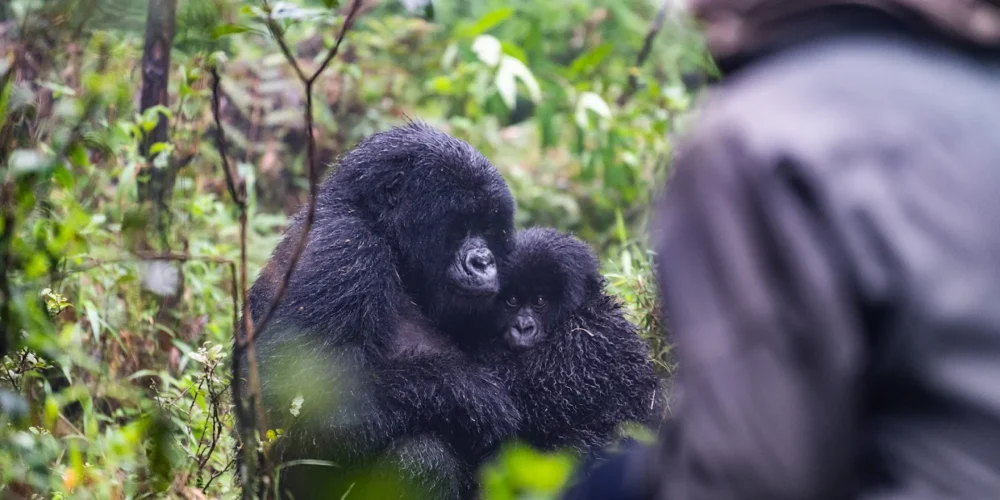
Both luxury and budget gorilla trekking include the same essential components. You receive a gorilla trekking permit, join a guided trek led by park rangers, hike through forest terrain, and spend a limited time with a habituated gorilla family.
The gorillas behave the same regardless of your accommodation choice. The forest remains wild, the trek remains physical, and the encounter remains strictly regulated to protect the animals.
This means the emotional impact of seeing a silverback, observing infants, or watching grooming behavior remains equally powerful in both travel styles.
Accommodation: Comfort Defines the Biggest Difference
Accommodation creates one of the clearest distinctions between luxury and budget trekking.
Luxury gorilla trekking uses high-end lodges located near national parks. These properties focus on comfort, privacy, and atmosphere. Rooms often feature spacious layouts, en-suite bathrooms, fireplaces, private decks, and panoramic forest or volcano views. Service levels remain highly personalized, and dining often includes curated multi-course meals.
Budget gorilla trekking relies on simpler lodges, guesthouses, or basic camps. These accommodations remain clean and functional but offer fewer amenities. Rooms are smaller, services are limited, and dining tends to be more basic and shared.
The difference is not just comfort. It also affects rest and recovery before and after trekking, especially since gorilla trekking can be physically demanding.
Transportation and Logistics
Luxury safaris typically use private vehicles with experienced driver-guides. Travel schedules remain flexible, allowing stops for photography, rest, or scenic viewing. Transfers between airports, lodges, and park headquarters feel smooth and well-coordinated.
Budget safaris often use shared vehicles or group transfers. This reduces cost but limits flexibility. Travel times may follow fixed schedules, and stops depend on group consensus.
Both options reach the same parks, but the journey experience feels very different in terms of pace and privacy.
Guiding and Personal Attention
Luxury gorilla trekking usually provides dedicated guides who focus on a small number of guests or even private groups. This allows more detailed explanations about gorilla behavior, forest ecology, and conservation.
Budget trekking uses shared guides assigned to larger groups. While these guides remain highly trained and knowledgeable, they must balance attention across multiple travelers.
The quality of guiding remains strong in both cases, but luxury travel increases personalization and interaction.
Gorilla Trekking Permits: The Equal Factor
Gorilla permits remain identical regardless of travel style. Whether you choose luxury or budget trekking, you pay for the same regulated permit that grants access to a specific gorilla family for a limited time.
Permit costs vary by country, not by comfort level. Rwanda typically has higher permit prices compared to Uganda or the Democratic Republic of Congo, but this applies to all travelers equally.
This ensures that gorilla conservation funding remains consistent across different tourism categories.
Trekking Experience in the Forest
Once inside the forest, luxury and budget travelers share the same conditions. Steep slopes, thick vegetation, changing weather, and unpredictable terrain affect everyone equally.
However, luxury operators often provide additional support such as private porters, better coordination, and more flexible pacing. This can make the physical experience feel smoother, especially for travelers who prefer slower movement.
Budget trekkers may move in larger groups with less individualized pacing, but the overall trekking process remains the same.
Food and Dining Experience
Luxury gorilla trekking includes high-quality dining experiences at lodges. Meals often use fresh local ingredients, and menus are carefully designed to suit international tastes. Special dietary needs receive attention, and dining environments focus on atmosphere and comfort.
Budget options provide simple meals that are filling and practical. Food quality remains safe and sufficient, but presentation and variety are more limited.
For many travelers, dining becomes part of the overall safari experience, making this a noticeable difference between the two options.
Privacy and Crowd Levels
Luxury gorilla trekking emphasizes privacy. Smaller groups, private vehicles, and exclusive lodge settings reduce interaction with other travelers. This creates a more intimate experience throughout the journey.
Budget trekking often involves larger groups and shared services. This increases social interaction but reduces privacy during transfers, meals, and sometimes lodge stays.
At the gorilla site itself, group sizes are regulated by park authorities, so both luxury and budget travelers experience similar viewing conditions in the forest.
Cost Differences and Value Perspective
Luxury gorilla trekking costs significantly more due to accommodation, private services, guiding quality, and personalized logistics. It suits travelers who prioritize comfort, exclusivity, and seamless travel.
Budget gorilla trekking focuses on affordability while maintaining access to the same core wildlife experience. It suits travelers who prioritize the gorilla encounter itself over added comfort.
The value depends on what a traveler considers most important: experience refinement or cost efficiency.
Conservation Impact in Both Options
Both luxury and budget gorilla trekking contribute directly to conservation. Permit fees support park protection, ranger salaries, anti-poaching efforts, and community development.
Luxury tourism often adds extra conservation value through lodge contributions, employment opportunities, and community programs. However, budget tourism still plays a critical role by maintaining consistent visitor numbers that sustain conservation funding.
Both models work together to protect gorilla populations.
Who Should Choose Luxury Gorilla Trekking
Luxury gorilla trekking suits travelers who want comfort, privacy, and a fully managed experience. It works well for honeymooners, photographers, older travelers, or anyone who prefers smooth logistics and high-end accommodation.
It also suits those combining gorilla trekking with longer safari circuits across East Africa.
Who Should Choose Budget Gorilla Trekking
Budget gorilla trekking suits travelers who prioritize the wildlife experience over comfort. It appeals to adventure-focused visitors, backpackers, students, and those who want to keep costs low while still seeing gorillas in the wild.
It works well for shorter trips or travelers combining multiple destinations on a limited budget.
Conclusion
Luxury and budget gorilla trekking both deliver the same unforgettable encounter with wild gorillas. The difference lies in comfort, privacy, logistics, and overall travel style.
Luxury trekking enhances the journey with premium lodges, private guiding, and seamless organization. Budget trekking focuses on accessibility while preserving the core wildlife experience.
Neither option changes the magic of standing in the forest and observing a gorilla family up close. The choice depends entirely on how you want to experience the journey around that moment.