
Photography Tips for Rwanda Gorilla Trekking
Photography Tips for Rwanda Gorilla Trekking
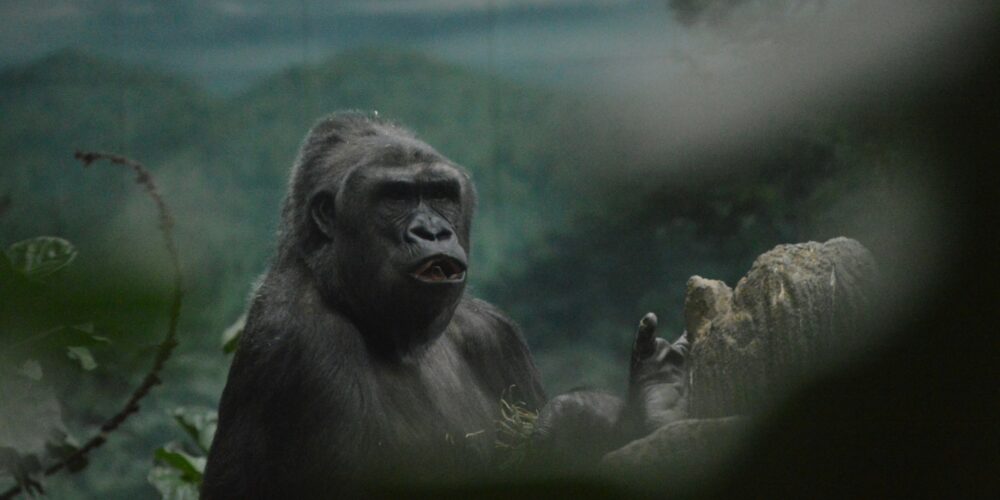
Photographing mountain gorillas in Rwanda delivers one of the most rewarding wildlife photography experiences in Africa. The dense forests of Volcanoes National Park, combined with the intimate proximity to gorillas, create unique opportunities and challenges. Light levels remain low, subjects move unpredictably, and conditions change quickly. These gorilla trekking photography tips help you prepare, adapt, and capture strong images in a demanding environment.
Understanding the Forest Environment
Volcanoes National Park features thick vegetation, filtered light, and frequent mist. The forest canopy reduces direct sunlight, which creates dim conditions even during the day.
You often photograph in shade, which requires adjustments in camera settings. Moisture, mud, and sudden rain also affect equipment handling. Preparing for these conditions improves both image quality and gear protection.
Choosing the Right Camera Equipment
A DSLR or mirrorless camera with strong low-light performance works best. Fast autofocus helps you track movement, especially when gorillas shift position or interact with each other.
A versatile zoom lens, such as 24–70mm or 70–200mm, provides flexibility. Gorillas can appear close, sometimes within a few meters, which makes extreme telephoto lenses less practical.
Carry minimal equipment to maintain mobility. A single camera body with one or two lenses works better than carrying heavy gear through difficult terrain.
Camera Settings for Gorilla Photography
Use a wide aperture, such as f/2.8 to f/4, to allow more light into the lens. This also helps isolate your subject from the background.
Set a higher ISO to compensate for low light. Modern cameras handle ISO 800 to 3200 effectively, depending on conditions.
Maintain a fast shutter speed to capture movement. Gorillas may appear calm, but they often shift quickly, especially juveniles. A shutter speed of at least 1/250 helps reduce motion blur.
Shoot in continuous mode to capture multiple frames during key moments.
Working with Natural Light
Natural light defines your photography in the forest. Position yourself to use available light effectively. When possible, shoot with light falling onto the gorilla’s face rather than from behind.
Mist and cloud cover can soften light and create a dramatic atmosphere. Use these conditions to your advantage by focusing on mood and depth.
Avoid harsh adjustments that overexpose highlights. Balanced exposure preserves detail in both fur and surrounding vegetation.
Composition Techniques in the Forest
Focus on the gorilla’s eyes to create strong and engaging images. Eye contact adds emotional depth and connection to your photos.
Use surrounding vegetation to frame your subject. Leaves and branches can add context and depth when used carefully.
Vary your angles. Shoot at eye level when possible, as this creates a more natural perspective. Avoid cluttered backgrounds by adjusting your position slightly.
Photographing Gorilla Behavior
Observe behavior before taking photos. Gorillas communicate through gestures, expressions, and movement. Anticipating these moments improves your chances of capturing meaningful images.
Juveniles provide dynamic action shots as they play and climb. Adult gorillas offer powerful portraits, especially during calm or attentive moments.
Patience plays a key role. Wait for clean compositions and natural behavior rather than taking rushed shots.
Protecting Your Camera Gear
Moisture remains a constant factor in Volcanoes National Park. Use waterproof covers or dry bags to protect your equipment.
Carry a microfiber cloth to clean lenses affected by mist or rain. Keep spare batteries and memory cards in sealed compartments.
Avoid changing lenses frequently in the forest to prevent dust and moisture from entering your camera.
Moving Safely While Photographing
Always follow ranger instructions during the trek. Maintain the required distance from gorillas and avoid sudden movements.
Stay aware of your surroundings while focusing on photography. Uneven ground, vegetation, and close wildlife require constant attention.
Position yourself carefully without blocking others in your group. Respect shared space and maintain a smooth experience for everyone.
Common Mistakes to Avoid
Avoid using flash photography. It disturbs gorillas and violates park regulations.
Do not rely only on zoom. Sometimes stepping slightly closer within allowed limits improves composition and clarity.
Avoid carrying excessive gear. Heavy equipment slows you down and reduces flexibility during the trek.
Do not ignore exposure settings. Automatic modes often struggle in low-light forest conditions, so manual adjustments improve results.
Maximizing Your One Hour with Gorillas
You spend only one hour with the gorillas, so use your time wisely. Start with a few quick shots to secure images, then adjust settings as you settle into the environment.
Balance photography with observation. Take time to experience the moment beyond the camera.
Work efficiently but remain patient. The best images often come from waiting for the right expression or interaction.
Should You Hire a Porter for Photography
Hiring a porter helps you manage your equipment more comfortably. Porters carry your bag, assist on steep terrain, and allow you to focus on photography.
This support reduces fatigue and improves your ability to react quickly when opportunities arise.
Conclusion
These gorilla trekking photography tips help you navigate the challenges of photographing in Rwanda’s dense forest. With the right equipment, settings, and approach, you can capture powerful images that reflect the emotion and presence of mountain gorillas.
Preparation, patience, and awareness define successful gorilla photography. When you combine these elements, you leave Volcanoes National Park with images that truly represent one of Africa’s most extraordinary wildlife encounters.