

Where to Stay in Lake Kivu for Family Gorilla Trekking
Plan Lake Kivu family gorilla trekking with advice on family stays, Rwanda gorilla permits, age rules, Volcanoes accommodation…
Read article →
Travel Guide
Plan How to See Leopard in Lake Natron for Solo travellers with practical advice on timing, costs, experiences, transport and responsible travel. Request a
Planning how to see leopard in Lake Natron for solo travellers requires realistic expectations about both the destination and the elusive nature of leopards. Lake Natron is primarily celebrated for its dramatic Rift Valley landscapes, unusual alkaline lake environment and flamingo ecology rather than as one of Tanzania’s classic destinations for dependable leopard sightings.
That does not mean a solo traveller interested in leopards should exclude Lake Natron.
Instead, the strongest itinerary can combine Lake Natron’s extraordinary scenery with an appropriate mainland safari park where the traveller has additional opportunities to search for leopards and other predators.
This creates a much richer journey.
Lake Natron contributes landscapes, birdlife and remoteness, while the complementary safari section provides more traditional game-drive opportunities.
Gecko Safaris Africa can connect these experiences through private or appropriate shared arrangements depending on the solo traveller’s budget.
Lake Natron should not be marketed in the same way as Tanzania’s famous predator-focused savannah areas.
Its principal attraction lies in its distinctive ecology and landscape.
Leopards are elusive wherever they occur, and travellers should never expect a guaranteed sighting.
For a solo traveller whose main objective is photographing or observing leopards, combining Lake Natron with another suitable safari ecosystem creates more realistic opportunities.
The scenery can be spectacular.
The lake lies within a dramatic northern Tanzania landscape shaped by the Rift Valley.
For solo travellers interested in photography, geology, birds and less conventional destinations, the region can add considerable depth to a safari.
It also provides a contrast to busier wildlife circuits.
A journey does not need to revolve entirely around large mammals to be rewarding.
Lake Natron is closely associated with flamingo ecology.
Natural conditions influence where birds gather and what travellers observe.
No wildlife spectacle should be promised as guaranteed.
However, birdwatching can become one of the central reasons to visit.
For solo travellers, this provides an excellent secondary interest while a broader itinerary addresses the desire to search for leopards elsewhere.
Leopards are solitary and highly adaptable predators.
Their patterned coats allow them to disappear effectively into vegetation and shadows.
They may rest during warmer periods and move more actively under different conditions.
Even in famous leopard areas, sightings depend on patience and luck.
Understanding this helps solo travellers avoid choosing a destination based on unrealistic guarantees.
Solo travellers have considerable flexibility when using a private vehicle.
There is no need to compromise with unrelated passengers.
If a guide identifies promising leopard activity, the traveller can choose to spend more time in the area.
Photographers can wait for changing behaviour or light.
The main disadvantage is that the traveller carries the full cost of the private vehicle and guide.
Travellers with tighter budgets may consider suitable shared departures for the conventional safari section.
Sharing can reduce certain vehicle expenses.
However, other guests may have different priorities.
A group may want to move away from a leopard search to find elephants or reach the lodge earlier.
Solo travellers should therefore understand the trade-off between cost and flexibility.
The most appropriate complementary destination depends on the complete northern Tanzania route.
A traveller may incorporate a recognized game-drive park offering broad predator and wildlife opportunities.
The choice should not be made solely according to leopard reputation.
Driving time, accommodation, other wildlife and onward transport should also be considered.
An efficient itinerary often provides better value than chasing one species across distant regions.
This principle deserves emphasis.
A guide can understand habitat, recognize tracks and interpret animal behaviour, but cannot control a wild leopard.
Even several game drives may pass without a sighting.
Another traveller may encounter a leopard unexpectedly within the first hour.
This uncertainty is fundamental to authentic safari travel.
The journey should remain rewarding regardless of one species.
Experienced guides may look for tracks or signs of predator activity.
They may also listen for alarm calls from prey animals.
The behaviour of birds or mammals can sometimes indicate that a predator is nearby.
These clues make the search interesting even before an animal is found.
Solo travellers can ask guides to explain what they are observing.
This turns the game drive into a learning experience.
A telephoto zoom is particularly useful.
Leopards may be partly hidden or positioned far from the vehicle.
Photographers should be ready to work with environmental compositions instead of insisting on close portraits.
A leopard partly concealed by vegetation can actually create a powerful image because it demonstrates the predator’s camouflage.
Patience remains the photographer’s most valuable tool.
Travellers should never pressure guides to chase a leopard or block its movement.
Calling, baiting or deliberately disturbing wildlife is inappropriate.
If an animal moves away, it should be allowed to do so.
The strongest wildlife photographs document natural behaviour.
Ethical practices also ensure that tourism does not create unnecessary stress for predators.
Lake Natron requires a different photographic approach.
Wide-angle and landscape photography can become more important.
Travellers can work with geological forms, open spaces, lake patterns and changing light.
Bird photography may require longer lenses.
Combining this visual environment with a traditional wildlife safari creates a much more varied Tanzania portfolio.
Solo travellers should use properly organized transport.
Remote areas are not appropriate places to improvise complicated travel arrangements without adequate preparation.
The complete route, accommodation and transfers should be understood before departure.
A copy of the itinerary can be shared with a trusted contact.
Important telephone numbers and travel documents should remain accessible offline.
A private vehicle provides flexibility around departure times and photography stops.
However, the vehicle should be appropriate for the route and operated by an experienced driver.
Remote road conditions can vary.
Solo travellers should prioritize reliability and professional logistics rather than selecting transport purely according to the cheapest available price.
Lake Natron’s remote character means road transfers can be significant.
Travellers should request realistic estimates.
A long driving day should not automatically be followed by a demanding evening schedule.
Allowing time to rest can improve the overall experience.
Solo travellers may have flexibility, but that flexibility should be used to create a comfortable itinerary rather than to fit in excessive activities.
Single occupancy can influence accommodation prices.
Travellers should request actual solo quotations.
Location and atmosphere are also important.
Some solo visitors enjoy communal dining because it creates opportunities to interact with other travellers.
Others prefer greater privacy.
The preferred style should be communicated when accommodation options are being considered.
Seasonal conditions affect Lake Natron’s landscapes, roads and wildlife.
Conditions also influence the complementary safari destination.
Solo travellers should choose dates according to the complete route.
There is no season that guarantees a leopard.
The best timing depends on the desired combination of scenery, wildlife, weather and budget.
Binoculars are highly recommended.
Lake Natron can provide substantial birding interest.
Bird observation also creates a productive activity when larger wildlife is not the focus.
Solo travellers can move at their own pace and spend time identifying species with the guide.
This can be particularly rewarding for travellers who enjoy detailed nature observation.
Lightweight practical clothing is useful.
Sun protection is essential.
Comfortable footwear should match the activities planned.
A light warmer layer can also be useful depending on conditions.
Travellers should carry necessary medication and personal essentials because remote destinations may not offer convenient shopping opportunities.
Road travel can expose cameras to dust.
Equipment should remain in closed bags when not being used.
Photographers can carry a blower and appropriate cleaning materials.
Lens changes should be minimized in particularly dusty conditions.
Memory cards and batteries should be stored securely.
A simple equipment-management routine can prevent unnecessary problems.
Meal arrangements should be confirmed before departure.
Remote accommodation may include meals because alternative restaurants are limited.
Dietary requirements should be communicated early.
Travellers should also understand how drinking water is provided.
These practical details are particularly important for solo travellers because there is no companion to share forgotten supplies.
Comprehensive insurance is advisable.
Remote travel can complicate emergencies or transport disruption.
The policy should suit the destinations and activities included.
Travellers should carry adequate medication and keep emergency contact information available.
Current health and entry guidance should be checked through appropriate official sources.
Lake Natron deserves more than a rushed arrival and immediate departure.
The complementary leopard safari also needs sufficient game-drive time.
Solo travellers should therefore avoid an itinerary containing too many destinations.
Several meaningful days in two or three locations can provide more value than a long list of one-night stops.
Time is particularly important when searching for elusive wildlife.
Private vehicle costs can make solo travel more expensive per person.
Accommodation may also include a single supplement.
Travellers can manage costs through careful property selection and suitable shared services where available.
A detailed quotation should show transport, accommodation, applicable park charges, guiding and meals.
This allows the traveller to decide where privacy is worth the additional cost.
The traveller can begin with a conventional northern Tanzania safari destination offering broader predator-search opportunities.
Several game drives can focus on leopards, other predators and general wildlife.
The journey can then continue toward Lake Natron for landscapes, birdlife and a slower wilderness experience.
The route can also be reversed when logistics make that sequence more efficient.
When contacting Gecko Safaris Africa, provide travel dates, approximate budget, preferred accommodation standard and number of days.
Mention leopards if they are a major priority.
Explain whether private transport is essential or whether some shared arrangements are acceptable.
The itinerary can then combine an appropriate predator safari with Lake Natron’s genuine scenic and ecological attractions.
The strongest approach to how to see leopard in Lake Natron for solo travellers is to avoid making Lake Natron carry expectations that belong more naturally to a conventional predator safari destination.
A carefully selected Tanzania park can provide additional opportunities to search for wild leopards, while Lake Natron adds dramatic scenery, flamingo ecology and a distinctive sense of remoteness.
Solo travellers should prioritize professional transport, sufficient game-drive time and realistic wildlife expectations.
With Gecko Safaris Africa, the two experiences can be combined into a coherent itinerary that balances predator searching with landscapes, birdlife and responsible exploration of northern Tanzania.
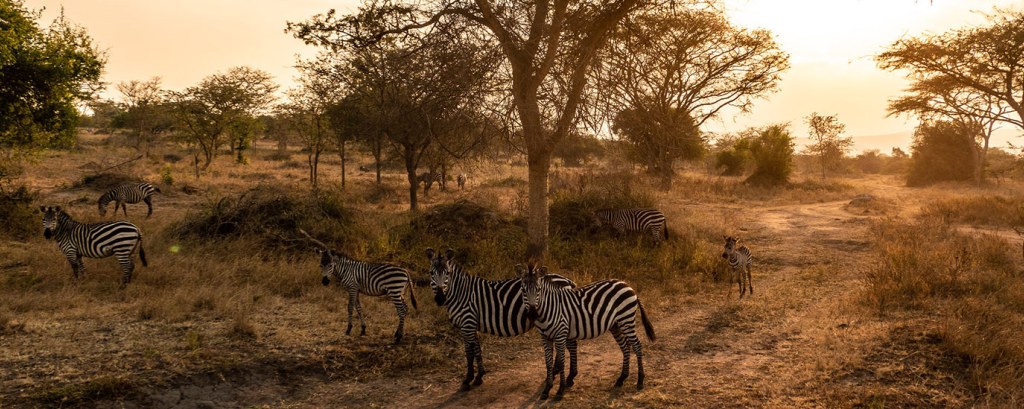
No. Lake Natron is better known for its distinctive landscapes and flamingo ecology than for dependable leopard viewing.
Yes. A suitable northern Tanzania game-drive destination can be incorporated into the same itinerary.
No. Leopards are secretive wild predators and sightings cannot be guaranteed.
Private travel provides maximum flexibility, particularly for photographers and travellers with specialist wildlife interests.
The region can provide dramatic landscapes, birding, photography and a remote Rift Valley atmosphere.
Still Have Questions?
Talk to a safari specialistPlan Lake Kivu family gorilla trekking with advice on family stays, Rwanda gorilla permits, age rules, Volcanoes accommodation…
Read article →Plan a private Lake Ihema and tea plantation tour with Akagera lodges, private game drives, Nyungwe stays, tea…
Read article →Find where to stay near Lake Burera for gorilla photography, Virunga landscapes and convenient access to Rwanda's Volcanoes…
Read article →Plan a mid-range Lake Burera stay with Volcanoes National Park before continuing to Akagera for Rwanda Big Five…
Read article →