

Where to Stay in Lake Kivu for Family Gorilla Trekking
Plan Lake Kivu family gorilla trekking with advice on family stays, Rwanda gorilla permits, age rules, Volcanoes accommodation…
Read article →
Travel Guide
Plan How to See Leopard in Gombe Stream National Park for Families with practical advice on timing, costs, experiences, transport and responsible travel.
Planning how to see leopard in Gombe Stream National Park for families requires realistic wildlife expectations because Gombe is best known as a forest and primate destination rather than a conventional leopard-focused game-drive park. Families visit this remarkable western Tanzania environment primarily for its chimpanzees, forest ecosystem and Lake Tanganyika setting.
Leopards are naturally elusive animals wherever they occur, and families should never organize a Gombe journey expecting a guaranteed leopard encounter.
Instead, the destination should be appreciated for the complete ecosystem.
Children can learn about chimpanzees, forest wildlife, birds, plants and the relationship between Lake Tanganyika and the surrounding landscape.
For families whose Tanzania wish list places leopards near the top, Gecko Safaris Africa can combine Gombe with a suitable safari destination where additional predator-search opportunities can be incorporated.
Gombe Stream National Park is fundamentally different from Tanzania’s large savannah parks.
Its forested terrain and connection with Lake Tanganyika create a distinctive environment.
The park is internationally associated with long-term chimpanzee research and conservation.
Families should therefore arrive expecting an immersive primate and forest experience.
Trying to judge Gombe according to the same expectations used for a Serengeti-style game drive would miss what makes the destination special.
Leopards are secretive even in destinations where they are regularly encountered.
Dense vegetation can make them particularly challenging to observe.
No responsible operator should promise a family that it will see a leopard in Gombe.
A possible encounter should be treated as an exceptional wildlife moment rather than the central expectation of the journey.
Families should focus on what the park can reliably offer as an ecosystem.
A leopard’s spotted coat provides effective camouflage.
Shadows, leaves and branches can make the animal extremely difficult to detect.
Leopards can also move quietly and may rest for long periods in concealed locations.
Families should explain this to children before travelling.
Understanding that wildlife is not staged can prevent disappointment and encourage children to appreciate the excitement of searching.
Chimpanzee trekking is one of the defining experiences associated with Gombe.
Families considering the journey should understand the physical and logistical requirements of the activity.
Chimpanzees move naturally through forest habitat, meaning walking conditions and duration can vary.
Children’s participation may be subject to applicable rules and age requirements.
Families should confirm current regulations when booking rather than assuming every child can participate.
A forest experience requires different expectations from a vehicle safari.
Children who are old enough to participate should understand that they may need to walk quietly and follow guide instructions.
Wildlife may be heard before it is seen.
Patience is important.
Parents can introduce children to chimpanzee behaviour and forest ecology before departure, helping them understand why the destination is significant.
Professional guides may interpret wildlife signs encountered during activities.
Tracks, calls from other animals or unusual behaviour can sometimes indicate predator activity.
However, signs are not the same as a sighting.
Families should enjoy the tracking process without expecting the guide to produce a leopard on demand.
This distinction is fundamental to responsible wildlife tourism.
Gombe’s western Tanzania location requires careful logistical planning.
The journey is very different from simply driving from Arusha into a nearby national park.
Families should understand the complete transfer sequence before booking.
Domestic transport and onward connections need to be coordinated.
The remote nature of the destination is part of its attraction but also makes efficient planning essential.
Families should avoid creating extremely tight schedules around remote transfers.
Children can become tired when flights, road journeys and additional connections are compressed into one day.
An overnight stop may sometimes make the route more comfortable.
International connections should also allow reasonable margins.
A family holiday becomes much more enjoyable when every travel day is not treated as a race.
Room configuration should be discussed before reservations are confirmed.
Families may require a family unit, twin rooms or rooms located close together.
Parents should also ask about walking distances within the property.
Remote accommodation can have layouts influenced by natural terrain.
Specific mobility or sleeping requirements should therefore be communicated early.
Dietary requirements should be provided before arrival.
Remote properties may need additional time to arrange particular foods.
Parents travelling with children who have allergies should be especially clear.
The itinerary should identify which meals are included.
Families may also want to carry appropriate familiar snacks for travel days while respecting luggage limitations.
Long trousers and comfortable walking shoes can be useful during forest activities.
A lightweight rain layer may also be appropriate depending on conditions.
Families should use sun protection where necessary and carry water according to guide instructions.
Parents do not need to buy elaborate expedition clothing.
Practical, comfortable garments that can handle walking conditions are generally more useful.
Binoculars can help children become active participants.
They can search for birds and primates rather than waiting only for a leopard.
A lightweight pair is usually easier for younger travellers to manage.
Parents can teach children how to focus binoculars before the first activity.
This simple preparation can significantly improve their wildlife experience.
Forest photography can be challenging because light levels change quickly.
A leopard, chimpanzee or bird may appear briefly between vegetation.
Photographers should avoid carrying excessive equipment if significant walking is involved.
A versatile camera system is often more practical.
Families using smartphones can still create meaningful photographs of landscapes and suitable wildlife encounters.
Chimpanzees require particularly careful tourism practices.
Visitors must follow all instructions regarding distance, noise and behaviour.
Health-related rules may also apply because of the biological similarities between humans and great apes.
Families should treat these requirements seriously.
Responsible primate tourism helps protect both wildlife and visitors.
If a family is fortunate enough to encounter a leopard, the animal should be given space.
Visitors should remain quiet and follow the guide.
No one should attempt to move closer independently.
Photography should never involve disturbing the animal.
An unexpected leopard encounter is most meaningful when the predator continues behaving naturally.
Gombe’s forest contains far more than chimpanzees.
Families can pay attention to other primates, birds and smaller wildlife.
Plants and insects also contribute to the ecosystem.
Children who approach the forest as a discovery experience often find more to enjoy than those waiting only for large mammals.
A knowledgeable guide can help connect these observations into a broader ecological story.
The presence of Lake Tanganyika contributes significantly to the character of a Gombe journey.
The lake landscape provides a striking contrast to the forest.
Families should allow time to appreciate this setting rather than rushing immediately from one scheduled activity to another.
Landscape photography can also provide an important record of the destination beyond wildlife portraits.
A remote journey deserves enough time.
Families should avoid travelling a considerable distance for an extremely short visit.
Several nights can provide greater flexibility around chimpanzee movement, weather and family energy.
The appropriate stay depends on the complete Tanzania itinerary.
A slower pace is generally preferable when travelling with children.
Families whose main wildlife goal includes leopards can add another suitable Tanzania safari destination.
The second location should be chosen according to available time, transport logistics and broader wildlife interests.
This approach allows Gombe to remain focused on its chimpanzee and forest strengths while providing additional predator-search opportunities elsewhere.
It is more realistic than expecting one park to provide every desired experience.
Families sometimes attempt to combine many famous Tanzania locations in one short trip.
This can create constant packing and long transfers.
Children may become exhausted before the most important activities begin.
Selecting fewer destinations usually produces more meaningful experiences.
Gombe plus one complementary safari region may provide more value than an itinerary involving numerous rushed stops.
Comprehensive travel insurance is advisable for remote travel.
Parents should ensure that the policy is suitable for the planned activities and destinations.
Necessary medication should be carried in adequate quantities.
Important documents and emergency contacts should remain accessible.
Current health and entry guidance should be checked through appropriate official sources before departure.
Remote transportation, accommodation and guiding influence the overall price.
Families should request a detailed quotation rather than comparing accommodation prices alone.
The cost should identify transfers, meals, applicable park charges and included activities.
Children’s pricing or participation policies can vary, so their exact ages should be provided when requesting a quotation.
The family can begin at an appropriate Tanzania gateway and continue toward western Tanzania using confirmed transport arrangements.
Several nights can then be spent around Gombe Stream National Park, with activities centered on chimpanzees, forest wildlife, birds and Lake Tanganyika.
If leopard viewing remains a major priority, the itinerary can continue to another appropriate safari ecosystem.
This creates a more balanced Tanzania wildlife journey.
When contacting Gecko Safaris Africa, provide each child’s age, travel dates, number of available days and accommodation preference.
Mention both chimpanzees and leopards if they are important wildlife interests.
The itinerary can then be designed around realistic activity requirements and transport connections.
Families should also provide any mobility or dietary considerations before reservations are made.
The best approach to how to see leopard in Gombe Stream National Park for families is to keep expectations realistic and appreciate Gombe for the ecosystem that makes it exceptional.
A leopard sighting would be an exciting bonus, but the destination’s defining experiences involve chimpanzees, forest wildlife and Lake Tanganyika.
Families should allow enough time, prepare children for walking and wildlife uncertainty, and follow all professional guiding instructions.
With Gecko Safaris Africa, Gombe can also be combined with another carefully selected Tanzania safari destination when families want additional opportunities to search for leopards and other large mammals.
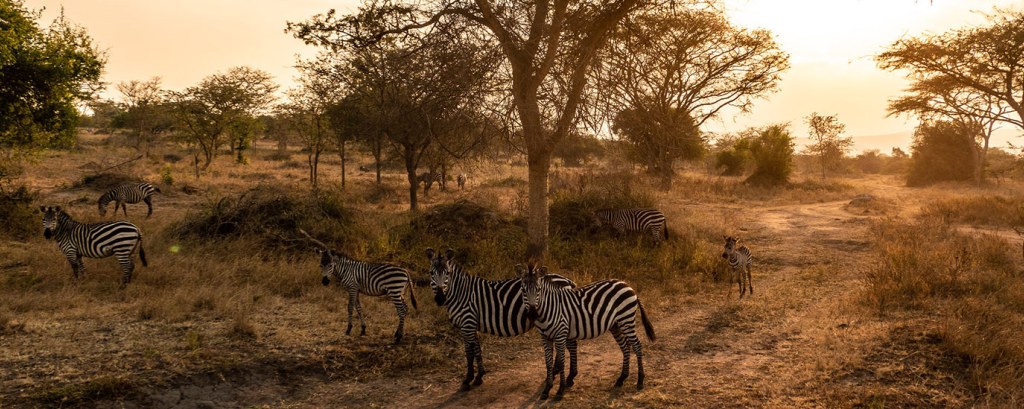
A leopard encounter should be considered possible wildlife fortune rather than a guaranteed or routine experience.
Gombe is internationally associated with chimpanzees, forest ecology and its Lake Tanganyika setting.
Participation can be subject to applicable age and park regulations. Families should confirm current requirements when booking.
The experience differs substantially from conventional savannah game-drive parks and involves forest-oriented activities.
Families can combine Gombe with another suitable Tanzania safari destination offering additional predator-search opportunities.
Still Have Questions?
Talk to a safari specialistPlan Lake Kivu family gorilla trekking with advice on family stays, Rwanda gorilla permits, age rules, Volcanoes accommodation…
Read article →Plan a private Lake Ihema and tea plantation tour with Akagera lodges, private game drives, Nyungwe stays, tea…
Read article →Find where to stay near Lake Burera for gorilla photography, Virunga landscapes and convenient access to Rwanda's Volcanoes…
Read article →Plan a mid-range Lake Burera stay with Volcanoes National Park before continuing to Akagera for Rwanda Big Five…
Read article →