

Where to Stay in Lake Kivu for Family Gorilla Trekking
Plan Lake Kivu family gorilla trekking with advice on family stays, Rwanda gorilla permits, age rules, Volcanoes accommodation…
Read article →
Travel Guide
Plan How to See Hippopotamus in Paje for First-time visitors with practical advice on timing, costs, experiences, transport and responsible travel. Request
Planning how to see hippopotamus in Paje for first-time visitors requires understanding that Paje is a Zanzibar coastal destination rather than a natural wild hippo safari area. Travellers should not arrive expecting to find hippopotamuses living around Paje’s beaches or conventional tourist areas.
Instead, first-time visitors who want a genuine wild hippopotamus experience should combine their Zanzibar holiday with an appropriate mainland Tanzania safari destination containing suitable freshwater habitat.
This combination can create an excellent introduction to Tanzania.
The mainland safari provides large mammals, birds and traditional wildlife landscapes, while Paje provides the Indian Ocean, beaches and a completely different pace.
With Gecko Safaris Africa, first-time visitors can connect these two experiences through carefully planned flights, transfers and accommodation without incorrectly treating Paje as a hippo destination.
Paje should not be presented as a conventional location for wild hippo viewing.
It is located on Zanzibar and is associated with the island’s coastal environment.
Hippos require suitable freshwater habitats and are better sought in appropriate mainland safari ecosystems.
For first-time visitors, this distinction is useful because Tanzania contains many dramatically different environments.
One destination does not need to provide every species.
Paje can be an enjoyable addition to a Tanzania itinerary even though hippos are not its primary wildlife attraction.
The coastal setting provides time to relax after safari.
Travellers can enjoy the beach atmosphere and choose appropriate island activities according to their interests.
This contrast can make the overall holiday more balanced.
After several early safari mornings, slower coastal days may be particularly welcome.
The mainland safari should include a destination containing appropriate rivers, lakes, channels or pools.
The exact park depends on the rest of the route.
Travellers should not add a distant destination simply because it contains hippos.
Instead, choose a safari area that provides a complete wildlife experience.
Hippos can then form one important component alongside elephants, giraffes, antelopes, predators and birds.
Hippos are semi-aquatic mammals strongly dependent on water.
They spend significant periods in aquatic environments during daylight.
This helps explain why they cannot simply be expected wherever tourists find a beach.
Saltwater coastal scenery and suitable inland hippo habitat are very different ecosystems.
Understanding this distinction makes the Tanzania journey more educational and prevents unrealistic wildlife expectations.
A mainland safari and Zanzibar stay provide two classic but contrasting Tanzania experiences.
Safari days emphasize wildlife observation and early starts.
Paje offers a slower coastal environment.
Combining the two can be more rewarding than spending the entire trip in one type of landscape.
The challenge is to avoid overloading the itinerary with too many transfers.
First-time visitors should think about available days.
A short holiday may require one carefully chosen safari destination.
A longer trip can include several parks.
The best park is not necessarily the one with the longest list of species.
Transport, accommodation and overall wildlife diversity matter as well.
A professional safari planner can help build a route that avoids unnecessary backtracking.
Hippos should always be treated as powerful wild animals.
Visitors should never approach them independently.
A hippo resting in water can appear calm, but travellers should not interpret this as permission to get closer.
Guides determine safe viewing positions.
Visitors should remain in authorized areas and never stand between a hippo and its route toward water.
A zoom lens can help first-time photographers obtain useful images from a safe distance.
Smartphones can also work when animals are positioned favourably.
Visitors should avoid becoming frustrated when hippos remain partly submerged.
Eyes, ears and nostrils above the water can create distinctive photographs.
Patience is more important than forcing a close encounter.
Once the safari section ends, photography can shift toward coastal subjects.
Paje provides a completely different visual environment.
Travellers can work with beach landscapes, changing skies and everyday travel details.
Images of identifiable local people should be made respectfully and with appropriate consideration for consent.
Accurate captions should also identify where photographs were actually taken.
A hippo photographed on mainland Tanzania should not later be described online as a Paje wildlife sighting.
Accurate location information matters.
Mislabelled photographs can create false expectations for future travellers.
It can also spread incorrect information about species distribution.
Responsible tourism content should distinguish clearly between the safari destination and the Zanzibar beach section.
First-time visitors may choose either arrangement.
A private vehicle provides more flexibility.
Travellers can spend longer watching hippos or other wildlife.
Shared safaris can reduce certain costs but follow a group schedule.
The best option depends on budget and travel style.
Visitors should understand what is included before selecting the cheaper option.
A very short safari can provide an introduction, but rushing creates limitations.
Several days provide opportunities to experience different wildlife situations.
Travellers should avoid trying to visit multiple distant parks in an extremely short period.
More time in fewer locations often produces better observations.
This also reduces the amount of the holiday spent packing and travelling.
The answer depends on how much relaxation the traveller wants.
Several nights can provide a useful contrast after safari.
Visitors who enjoy a slower beach holiday may stay longer.
Those primarily interested in wildlife can keep the island section shorter.
The itinerary should reflect individual priorities rather than a standard formula.
Flying can be the practical way to connect mainland Tanzania and Zanzibar.
Schedules vary according to the route.
Travellers should allow realistic connection times.
Small domestic aircraft may have luggage restrictions.
These should be checked before packing, especially when carrying large camera equipment.
Paje offers different accommodation categories.
First-time visitors should compare location, meal arrangements and facilities rather than room price alone.
A beachfront property may cost more.
A property slightly farther away may provide better value depending on the traveller’s priorities.
Transport costs should also be considered when comparing accommodation options.
On mainland Tanzania, location can be particularly important.
A lodge positioned conveniently for wildlife activities can reduce transfer time.
Travellers should understand whether meals are included.
Remote safari accommodation often operates differently from urban hotels.
Dietary requirements should be communicated in advance.
The total price includes more than accommodation.
Travellers should account for domestic transport, safari vehicles, guiding, park charges, meals and Zanzibar transfers.
Optional island activities create additional costs.
A detailed quotation should show exactly what is included.
This makes it easier for first-time visitors to avoid unexpected expenses.
Travellers need clothing suitable for two different environments.
Practical lightweight safari clothing can be combined with appropriate coastal wear.
Sun protection is important throughout the trip.
A light warmer layer can help during early safari mornings.
Packing should remain efficient because domestic baggage limits may be more restrictive than international allowances.
Wild animals should never be fed.
Visitors should not pressure guides to drive irresponsibly for photographs.
Noise should remain controlled.
Hippos should be given substantial space.
These rules may seem simple, but first-time visitors should understand them before the first game drive.
Responsible behaviour creates safer and more authentic encounters.
The same respect should continue in Paje.
Travellers should dispose of rubbish properly and respect local communities.
Beach environments should not be treated as disposable tourism spaces.
Visitors should follow local guidance concerning activities and sensitive areas.
A responsible trip considers the impact of both wildlife tourism and coastal tourism.
Comprehensive insurance is advisable.
The policy should cover the activities and destinations included.
Visitors should keep emergency information accessible.
Flight disruption can affect a safari-and-island itinerary because multiple transport segments are connected.
Appropriate insurance can provide valuable protection when unexpected changes occur.
The journey can begin with a mainland Tanzania safari.
Several days can be spent in an appropriate protected area where guides can search for hippos and other wildlife.
After completing the safari, travellers can fly to Zanzibar.
Several nights in Paje can then provide beach relaxation before the international journey home.
The exact route should depend on confirmed transport connections.
When contacting Gecko Safaris Africa, provide your travel dates, number of days, accommodation preference and approximate budget.
Mention hippos if they are a priority.
The itinerary can then select an appropriate mainland habitat while keeping Paje as the coastal component.
Flights and transfers can be coordinated so first-time visitors do not need to arrange each section independently.
The best approach to how to see hippopotamus in Paje for first-time visitors is to combine two distinct Tanzania environments rather than expecting hippos on the Zanzibar coast.
A suitable mainland safari destination provides the wild hippopotamus experience, while Paje contributes beaches, coastal scenery and time to relax.
First-time visitors should keep the route simple, allow sufficient safari time and understand domestic transport and baggage requirements before departure.
With Gecko Safaris Africa, the mainland and Paje sections can be connected into a coherent first Tanzania journey based on accurate wildlife expectations and responsible travel.
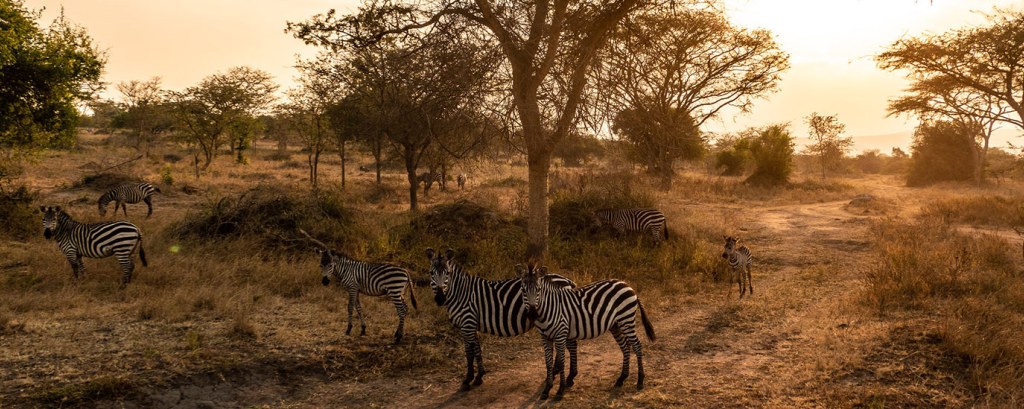
Paje is a Zanzibar coastal destination rather than a conventional wild hippo safari location.
An appropriate mainland Tanzania wildlife area containing suitable freshwater habitat provides a more authentic opportunity.
Yes. Domestic transport can connect Zanzibar with mainland Tanzania.
Hippos are powerful wild animals and should always be observed from safe positions according to professional guidance.
Many travellers enjoy completing the active safari first and relaxing on Zanzibar afterwards, although the route depends on flight schedules.
Still Have Questions?
Talk to a safari specialistPlan Lake Kivu family gorilla trekking with advice on family stays, Rwanda gorilla permits, age rules, Volcanoes accommodation…
Read article →Plan a private Lake Ihema and tea plantation tour with Akagera lodges, private game drives, Nyungwe stays, tea…
Read article →Find where to stay near Lake Burera for gorilla photography, Virunga landscapes and convenient access to Rwanda's Volcanoes…
Read article →Plan a mid-range Lake Burera stay with Volcanoes National Park before continuing to Akagera for Rwanda Big Five…
Read article →