

Where to Stay in Lake Kivu for Family Gorilla Trekking
Plan Lake Kivu family gorilla trekking with advice on family stays, Rwanda gorilla permits, age rules, Volcanoes accommodation…
Read article →
Travel Guide
Plan How to See Hippopotamus in Ngorongoro Crater for Families with practical advice on timing, costs, experiences, transport and responsible travel.
Planning how to see hippopotamus in Ngorongoro Crater for families can add an exciting aquatic wildlife element to one of northern Tanzania’s most famous safari experiences. The Ngorongoro Crater contains varied habitats within its dramatic caldera landscape, allowing families to search for hippos while also observing a broad range of mammals and birds.
For children, hippos are often especially memorable because of their enormous bodies, distinctive faces and semi-aquatic behaviour.
However, parents should make sure children understand that hippopotamuses are powerful wild animals rather than harmless animals resting in water.
A family safari organized by Gecko Safaris Africa can combine comfortable private transport, age-appropriate interpretation and sufficient time for the entire family to appreciate the wider Ngorongoro ecosystem.
The Ngorongoro Crater is attractive to families because a single safari day can provide substantial wildlife diversity.
The crater floor contains grasslands, wetlands and other habitats.
This variety supports many different species.
Children therefore have frequent opportunities to observe wildlife rather than waiting through extremely long periods without activity.
The surrounding crater scenery also provides a dramatic introduction to Tanzania’s landscapes.
Hippos can be associated with suitable aquatic areas within the wider crater ecosystem.
As with every wild species, sightings and behaviour cannot be guaranteed.
A professional guide can search appropriate habitat based on current conditions.
Families should treat the hippo encounter as one part of the day’s game drive.
This prevents disappointment if animals are partly submerged or positioned at considerable distance.
Hippos spend much of the day in water.
They may appear inactive, but careful observation can reveal frequent small behaviours.
Children can watch ears moving, nostrils opening and animals surfacing to breathe.
Individuals may also interact with one another.
Parents can encourage children to watch quietly and predict when an animal might surface.
This turns the sighting into an engaging nature lesson.
Hippos should never be treated casually.
Children should understand that large wild animals require space.
Visitors must remain in authorized viewing locations and follow guide instructions.
No one should approach a hippo on foot simply because it appears calm.
Parents can explain that responsible safaris protect both people and animals by respecting natural behaviour and distance.
A private safari vehicle can provide useful flexibility.
Families can spend longer at sightings that interest the children.
Parents can also adjust the pace according to energy levels.
A shared safari may be economical, but younger children can sometimes find a rigid schedule difficult.
Private transport allows the family to create a more comfortable rhythm while still respecting park operating requirements.
Parents can introduce children to common Tanzania wildlife before travelling.
Books, photographs or simple wildlife checklists can make the safari more engaging.
Children can learn to recognize hippos, elephants, zebras and giraffes before seeing them in the wild.
This preparation creates excitement.
It also helps them understand that the safari is about observing animals in natural ecosystems rather than expecting a controlled attraction.
Lightweight binoculars can help children observe distant wildlife.
Parents should show children how to focus them before entering the crater.
Sharing binoculars can also work if every family member does not have a pair.
Children should use straps safely.
Binoculars are particularly valuable when hippos remain far from accessible vehicle positions.
A smartphone or simple camera may be sufficient for children.
Parents should avoid creating pressure for perfect photographs.
A hippo partly submerged in water can still make an interesting image.
Children can also photograph the surrounding habitat.
This helps them remember where the animal was living rather than collecting only close-up pictures.
Families should never ask a guide to disturb a hippo to create a more dramatic image.
Open-mouth photographs should result from natural behaviour.
Wildlife should not be fed or called.
Vehicles should remain where legally permitted.
Children who learn these principles during their first safari can develop strong habits for future wildlife travel.
One of the major advantages of Ngorongoro is that the safari does not depend entirely on hippos.
Families may encounter a wide variety of mammals and birds depending on conditions.
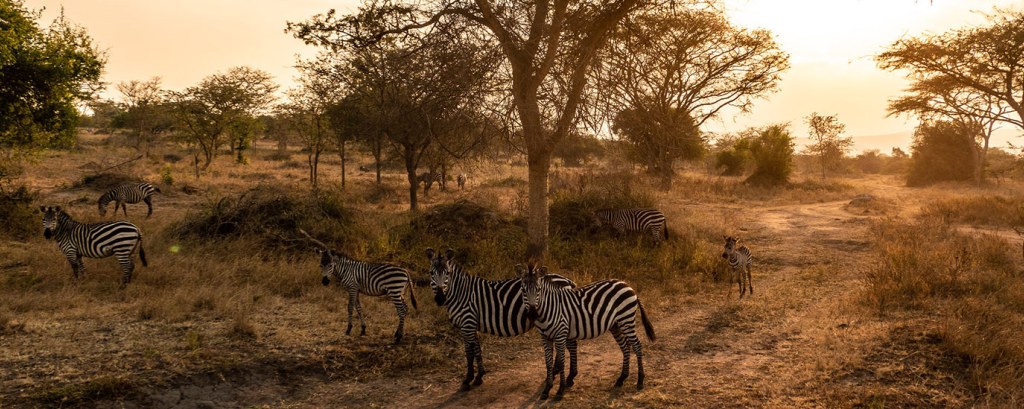
Zebras, wildebeest, buffaloes, antelopes and predators can form part of the experience.
Every game drive is different.
This diversity keeps children interested even when a particular target animal is resting or difficult to locate.
Wetland and grassland environments can support numerous birds.
Children can search for large, colourful or unusually shaped species.
A guide can help identify them.
Parents may turn birdwatching into a simple family challenge by counting new species without making the activity overly competitive.
The objective should remain observation and learning.
The day’s schedule depends on the overall itinerary, access arrangements and family preferences.
Families should expect to spend meaningful time inside the safari vehicle.
Parents travelling with young children should plan accordingly.
Snacks, drinking water and appropriate clothing can make the day more comfortable.
The guide can explain available rest arrangements within the applicable park rules.
Early departures are common on safari.
Families should prepare children the evening before.
Clothing and small day bags can be organized in advance.
An early start can feel easier when everyone knows what to expect.
Parents should also avoid scheduling a very late evening immediately before an important safari day.
Adequate rest makes the wildlife experience more enjoyable.
Accommodation near the Ngorongoro area varies considerably in style and price.
Families should request suitable room configurations.
Interconnected rooms, family units or nearby rooms may be available depending on the property.
Parents should confirm the arrangement before paying.
The property’s location also affects how much time is spent travelling to and from the crater.
Families should discuss the ages of all children when booking.
Some activities or accommodation arrangements may have practical restrictions.
Parents should also explain any mobility requirements.
The safari vehicle needs to be appropriate for the family.
Advance information allows the operator to design the itinerary more effectively.
The day’s meal plan should be confirmed.
A packed lunch may be included during a longer game-drive day.
Families with dietary requirements should communicate them early.
Children may also benefit from familiar snacks where appropriate.
Food must never be given to wildlife.
All rubbish should remain secured until it can be disposed of properly.
Comfortable neutral clothing works well.
Layers can be particularly useful because temperatures may change between the highlands and crater floor.
Sun protection is important.
Closed shoes are practical.
Parents should carry medication, wipes and other children’s essentials in a day bag rather than placing everything in luggage that is difficult to access during the game drive.
Ngorongoro can provide wildlife experiences during different periods of the year.
Seasonal conditions influence scenery and weather.
Families should also consider school calendars, accommodation availability and the wider Tanzania route.
There is no date that guarantees a particular hippo behaviour or sighting.
The best period is the one that works well for the complete family safari.
Families can combine the crater with other northern Tanzania destinations.
Lake Manyara, Tarangire and the Serengeti may be considered depending on available days and interests.
However, parents should avoid creating an exhausting itinerary.
Changing hotels every night can become tiring.
A smaller number of well-selected destinations can provide plenty of wildlife variety.
Parents should request realistic transfer times before confirming the itinerary.
Children may become uncomfortable during repeated long drives.
Strategic overnight stops can improve the experience.
A private vehicle allows the family to take appropriate breaks where practical.
The route should minimize unnecessary backtracking.
Good safari design is particularly important when travelling with younger children.
The total price depends on the number and ages of travellers, accommodation category, private vehicle arrangements and applicable conservation or park charges.
Children’s pricing policies can vary.
Parents should provide exact ages when requesting a quotation.
A detailed cost breakdown should explain accommodation, meals, guiding, transportation and included activities.
This makes family budgeting much easier.
Parents do not need to turn every sighting into a formal lesson.
Simple questions can encourage curiosity.
Why do hippos spend so much time in water?
Why are certain birds found near wetlands?
Why do different animals use different parts of the crater?
A knowledgeable guide can answer these questions while keeping the experience entertaining.
Children learn from adult behaviour.
Parents should follow guide instructions, avoid littering and maintain respectful distances from wildlife.
If adults demand irresponsible close approaches, children may assume that such behaviour is acceptable.
A family safari provides an opportunity to demonstrate that wildlife tourism works best when animals are allowed to behave naturally.
The family can spend an arrival night in northern Tanzania before continuing toward the Ngorongoro highlands.
A dedicated day can then be used to descend into Ngorongoro Crater for wildlife viewing.
The game drive can focus on hippos, mammals, birds and the crater landscape.
After the Ngorongoro experience, the family can continue toward another selected northern safari destination or return according to its overall travel plan.
When contacting Gecko Safaris Africa, provide the number of adults, children’s exact ages, preferred dates and accommodation standard.
Mention hippopotamus viewing if it is particularly important.
The itinerary can then incorporate appropriate wildlife areas while maintaining a comfortable family pace.
Private transport and suitable room arrangements can also be included.
The key to how to see hippopotamus in Ngorongoro Crater for families is to combine patient observation with a broader appreciation of the crater ecosystem.
Hippos can provide memorable encounters, particularly when children learn how these enormous mammals use aquatic habitats and why respectful viewing distances are essential.
Families should choose comfortable accommodation, carry suitable binoculars, keep driving times realistic and allow the professional guide to manage wildlife positioning safely.
With Gecko Safaris Africa, Ngorongoro can become an engaging family safari where hippos form part of a much wider experience involving wildlife, birds, landscapes and conservation education.
Hippos may be observed in suitable aquatic habitat, although no wild animal sighting is guaranteed.
Vehicle-based wildlife viewing can be suitable for families when the itinerary is planned according to the children’s ages and needs.
No. Hippos are powerful wild animals and should always be observed according to guide instructions and from appropriate locations.
The crater supports diverse wildlife, including numerous herbivores, birds and predators, although every sighting depends on natural conditions.
Yes. It provides additional flexibility around the pace and duration of wildlife viewing.
Still Have Questions?
Talk to a safari specialistPlan Lake Kivu family gorilla trekking with advice on family stays, Rwanda gorilla permits, age rules, Volcanoes accommodation…
Read article →Plan a private Lake Ihema and tea plantation tour with Akagera lodges, private game drives, Nyungwe stays, tea…
Read article →Find where to stay near Lake Burera for gorilla photography, Virunga landscapes and convenient access to Rwanda's Volcanoes…
Read article →Plan a mid-range Lake Burera stay with Volcanoes National Park before continuing to Akagera for Rwanda Big Five…
Read article →