

Where to Stay in Lake Kivu for Family Gorilla Trekking
Plan Lake Kivu family gorilla trekking with advice on family stays, Rwanda gorilla permits, age rules, Volcanoes accommodation…
Read article →
Travel Guide
Plan How to See Hippopotamus in Mikumi National Park for Photographers with practical advice on timing, costs, experiences, transport and responsible
Planning how to see hippopotamus in Mikumi National Park for photographers involves more than locating water and pointing a telephoto lens toward it. Hippos are fascinating photographic subjects, but much of their daytime behaviour takes place partly submerged, meaning patience, suitable equipment and careful observation are essential.
Mikumi National Park provides a classic Tanzania safari environment that can be incorporated into a photography-focused journey.
Photographers can search for hippos while simultaneously working with elephants, giraffes, antelopes, buffaloes, predators, birds and landscapes according to natural conditions.
This variety is particularly useful because no photographer should build an entire safari around the assumption that one species will behave perfectly on demand.
With Gecko Safaris Africa, a Mikumi photography safari can be arranged with suitable transport, enough time at productive wildlife areas and a realistic approach to ethical photography.
Hippos provide a very different photographic challenge from terrestrial mammals.
A lion or giraffe may remain fully visible for extended periods.
Hippos often reveal only part of their heads and backs while resting in water.
This encourages photographers to concentrate on timing.
A small change in position, a yawn or an interaction between individuals can transform an ordinary frame into a memorable wildlife photograph.
Hippos spend much of the day in or around water.
They may rest close together, surface to breathe or interact with other individuals.
After dark, they commonly leave the water to graze.
Photographers should understand these patterns before arriving.
Knowing what behaviour may occur helps photographers anticipate images rather than simply reacting after the moment has passed.
Hippos are powerful wild animals.
Photographers should never leave safe viewing positions merely to obtain a lower angle or closer image.
Guide instructions must always be followed.
No photograph justifies approaching an animal irresponsibly.
Visitors should also avoid positioning themselves between hippos and water.
Professional wildlife photography begins with understanding the subject’s space and respecting it.
A telephoto zoom provides flexibility.
When hippos remain distant, additional focal length helps isolate expressions and behaviour.
A shorter focal length can be useful when photographing groups within their habitat.
Photographers should avoid composing every frame too tightly.
Including water, vegetation or surrounding wildlife can provide valuable ecological context.
The strongest portfolio usually contains both detailed and environmental images.
Hippos can remain mostly submerged while keeping their eyes, ears and nostrils above water.
This creates opportunities for minimalist compositions.
Photographers can use reflections and negative space to emphasize the animal’s semi-aquatic behaviour.
Focus should be placed carefully on the visible facial features.
Patience is important because even small changes in head position can significantly improve the photograph.
A hippo’s open mouth can produce a dramatic image.
However, photographers should never attempt to provoke the behaviour.
Waiting for natural interactions is the ethical approach.
Continuous shooting may help capture a brief sequence when an animal opens its mouth naturally.
A fast enough shutter speed can preserve detail during movement.
The exact camera settings should respond to available light and focal length.
Water can create challenging exposure conditions.
Bright reflections may contrast strongly with the darker skin of a hippo.
Photographers should monitor highlights and adjust exposure as conditions change.
Early and later daylight can create attractive warmth and softer contrast.
Cloud cover can also be useful by reducing harsh shadows.
Good photographers adapt to the light instead of assuming only one time of day can produce worthwhile images.
Calm water can create interesting reflections.
A photographer can compose the animal and its reflection together or use ripples as an abstract element.
Reflections do not need to be perfectly symmetrical.
Broken reflections can communicate movement and atmosphere.
Changing the framing slightly can make a substantial difference.
Photographers should experiment while remaining within the same responsible viewing position.
A private safari vehicle can significantly improve a dedicated photography journey.
The photographer can remain at a hippo sighting longer without worrying about unrelated passengers wanting to leave.
Equipment can also be organized more efficiently.
A private vehicle may provide better opportunities to choose an appropriate side for photography when legal road positioning allows.
Park regulations still apply regardless of whether the vehicle is private.
The guide’s experience is extremely important.
A small movement of the vehicle can change the background or angle dramatically.
Photographers should explain their objectives clearly but respectfully.
The guide must prioritize legal access, wildlife welfare and safety.
It is better to miss a photograph than to pressure a driver into an inappropriate position.
A beanbag or similar support can be useful inside a safari vehicle.
It provides stability without requiring a full tripod.
Photographers using heavy lenses may find support particularly valuable during long waiting periods.
The exact solution depends on vehicle design.
Equipment requirements should be discussed with Gecko Safaris Africa before the trip so suitable arrangements can be considered.
A hippo photography safari should not ignore other opportunities.
Mikumi can provide diverse mammals and birds.
Giraffes can create strong environmental portraits, while elephants provide opportunities for both behaviour and landscape compositions.
Antelopes and smaller animals can be equally rewarding.
Predators may be encountered, but sightings cannot be guaranteed.
Photographers should remain ready throughout the game drive.
Wetland areas can attract interesting birds.
A long lens useful for hippos can also work well for bird photography.
Photographers should watch for birds using the shoreline, vegetation or even interacting around large mammals.
Birds can create excellent secondary subjects while waiting for hippo activity.
A knowledgeable guide can help identify species and interpret behaviour.
Wildlife should never be fed, called or deliberately disturbed.
Photographers should avoid requesting that drivers chase animals.
Natural behaviour should be the objective.
Images created without manipulation carry greater documentary value.
Ethical photography also protects the destination because repeated disturbance can affect wildlife behaviour and the experience of future visitors.
Mikumi changes with the seasons.
Vegetation, water distribution and wildlife visibility can differ throughout the year.
Rather than selecting dates solely according to a generalized “best season,” photographers should identify their visual objectives.
Green landscapes and drier environments create different images.
Wildlife remains unpredictable in every season.
Photography benefits from repetition.
A single game drive may provide excellent sightings, but it may also coincide with difficult light or quiet wildlife behaviour.
Several days allow photographers to revisit productive areas.
Changing weather can create completely different conditions at the same location.
Spending longer in one park can therefore produce a stronger portfolio than rushing through several parks.
Location should be considered carefully.
Accommodation that reduces transfer time to wildlife areas can increase productive photography hours.
Charging facilities are also important.
Photographers may carry several batteries, laptops and backup drives.
Remote properties can have specific charging arrangements.
These should be understood before arrival.
Photographers should create a consistent backup routine.
Images can be copied to a laptop or portable storage where practical.
Important photographs should ideally exist in more than one location.
Memory cards should be stored securely.
Backing up every evening can reduce the risk of losing several days of work if equipment fails.
Dust can be a challenge on safari roads.
Camera bags should remain closed when not needed.
Lens changes should be minimized in dusty conditions.
A blower and appropriate cleaning equipment can be useful.
Photographers should also protect electronics from moisture and sudden weather changes.
Simple equipment discipline prevents many avoidable problems.
Comfortable neutral clothing is practical.
Photographers may remain seated in vehicles for long periods, so comfort matters.
Sun protection is essential.
A light warmer layer can be useful during early starts.
Clothing with secure pockets can help with small accessories, although expensive memory cards and batteries should still be stored carefully.
A dedicated photography safari may cost more than a general shared trip.
Private vehicles, additional days and specialized arrangements can increase the total.
However, photographers should evaluate where spending creates genuine value.
More time in the field and appropriate vehicle space may be more useful than upgrading to the most expensive accommodation.
A detailed quotation makes these trade-offs easier to understand.
Photographers can combine Mikumi with another Tanzania destination when enough time is available.
The second location should provide genuinely different photographic opportunities.
Adding destinations simply to increase the park count creates more transfer time and less photography.
A well-planned itinerary should maximize time with subjects rather than time spent packing and moving.
The journey can begin with an arrival and preparation night at the appropriate gateway.
The photographer can then continue to Mikumi National Park.
Several game drives can focus on hippos, other mammals, birds and landscapes.
The itinerary should leave enough time to revisit productive wildlife areas under different light conditions.
After Mikumi, the photographer can return or continue to one carefully selected complementary destination.
When contacting Gecko Safaris Africa, provide travel dates, camera equipment details and the number of available days.
Mention hippopotamus photography as a major priority.
State whether a private vehicle is required.
The itinerary can then allocate sufficient field time while taking equipment storage, accommodation and transfer logistics into consideration.
The key to how to see hippopotamus in Mikumi National Park for photographers is combining patience with appropriate equipment and ethical fieldcraft.
Hippos can be challenging subjects because much of their daytime behaviour occurs in water, but this challenge creates opportunities for distinctive images involving reflections, expressions, interactions and environmental context.
Photographers should allow several game drives, use suitable telephoto equipment and follow professional guide instructions at all times.
With Gecko Safaris Africa, a Mikumi photography safari can be structured around sufficient field time, responsible wildlife viewing and the flexibility required to build a varied Tanzania wildlife portfolio.
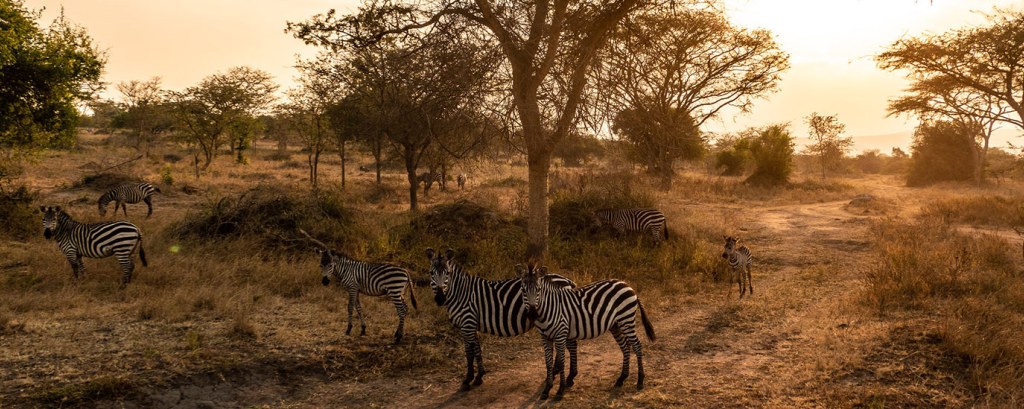
Hippos can form part of the wildlife experience in appropriate habitat, although no wild animal sighting is guaranteed.
A telephoto zoom can provide useful flexibility for both close compositions and more distant animals.
For serious photographers, private transport can provide additional flexibility and equipment space.
Only where explicitly permitted and considered safe by professional guides and park rules. Hippos must never be approached independently.
Mikumi can provide mammals, birds and landscapes in addition to hippos.
Still Have Questions?
Talk to a safari specialistPlan Lake Kivu family gorilla trekking with advice on family stays, Rwanda gorilla permits, age rules, Volcanoes accommodation…
Read article →Plan a private Lake Ihema and tea plantation tour with Akagera lodges, private game drives, Nyungwe stays, tea…
Read article →Find where to stay near Lake Burera for gorilla photography, Virunga landscapes and convenient access to Rwanda's Volcanoes…
Read article →Plan a mid-range Lake Burera stay with Volcanoes National Park before continuing to Akagera for Rwanda Big Five…
Read article →