

Where to Stay in Lake Kivu for Family Gorilla Trekking
Plan Lake Kivu family gorilla trekking with advice on family stays, Rwanda gorilla permits, age rules, Volcanoes accommodation…
Read article →
Travel Guide
Plan How to See Hippopotamus in Mahale Mountains National Park for Small groups with practical advice on timing, costs, experiences, transport and
Planning how to see hippopotamus in Mahale Mountains National Park for small groups introduces travellers to one of western Tanzania’s most distinctive wilderness environments. Mahale Mountains National Park lies beside Lake Tanganyika and is best known internationally for its forested mountains, remote setting and chimpanzee experiences, but a carefully planned journey can also introduce visitors to the wider aquatic and terrestrial wildlife of the region.
For small groups, Mahale offers something very different from a conventional vehicle-based safari. Access and activities are shaped by the park’s remote location, lake environment and forest terrain, making good logistical planning particularly important.
Travellers specifically interested in hippopotamuses should discuss this priority during itinerary planning rather than assuming that every activity will automatically focus on them. Wildlife remains mobile, and sightings can never be guaranteed.
With Gecko Safaris Africa, a small-group Mahale journey can combine wildlife observation, chimpanzee trekking, birding, Lake Tanganyika scenery and carefully organized transfers.
Mahale is unlike Tanzania’s famous northern savannah parks.
The dramatic meeting of forested mountains and Lake Tanganyika creates a wilderness atmosphere that appeals to travellers seeking something beyond conventional game drives.
The park is especially renowned for primates.
Chimpanzee trekking is a major reason travellers make the journey to this remote region.
However, small groups should also appreciate the complete ecosystem rather than treating Mahale as a single-species destination.
Wildlife observations depend on natural movement and current conditions.
Travellers interested in hippos should tell their guide and safari planner that the species is a priority.
The itinerary can then give appropriate attention to suitable aquatic environments and available observations.
No responsible operator should guarantee a specific wild hippo sighting.
Instead, travellers should approach Mahale as a broad nature experience where each day can produce different wildlife encounters.
Hippos are strongly associated with water.
They commonly spend much of the daytime in aquatic environments before moving onto land to graze, often after dark.
Despite their heavy appearance, hippos are powerful animals.
They should always be observed from appropriate distances.
Understanding their behaviour makes sightings more interesting because visitors begin to recognize surfacing, group interactions and territorial displays rather than simply identifying an animal in the water.
Safety is particularly important around hippos.
Group members should never approach a hippo independently.
Visitors must follow instructions from professional guides and park staff.
No one should attempt to position themselves between a hippo and its access to water.
Photography should always take place from an appropriate viewing position.
A small group does not have greater freedom to ignore wildlife rules simply because fewer people are present.
A small group can move more efficiently than a large tour.
This can be valuable when coordinating remote flights, transfers and guided activities.
Group members can also share certain logistical expenses.
At the same time, the group remains intimate enough for guides to provide personalized interpretation.
Travellers should ideally share similar expectations regarding walking pace, photography and the amount of time they want to spend observing wildlife.
One of the strongest reasons to visit Mahale is the opportunity to combine different ecosystems.
Chimpanzee trekking takes travellers into forested environments.
Hippo and other aquatic wildlife interests draw attention toward Lake Tanganyika and associated habitats.
This contrast makes the destination particularly rewarding.
A group can experience primates, birds, landscapes and aquatic wildlife without treating each interest as a completely separate holiday.
Chimpanzee trekking can require walking through uneven forest terrain.
The duration and difficulty depend partly on where chimpanzees are located.
Small-group members should understand this before travelling.
Comfortable walking shoes, suitable clothing and sufficient water are important.
Anyone with mobility concerns should communicate them during booking so that expectations can be discussed realistically.
The remote location makes transport a major part of the itinerary.
Domestic air connections can be important for reducing extremely long overland journeys.
The final approach may involve additional transfers according to the accommodation and operating arrangements.
Flight schedules should therefore be confirmed carefully.
Travellers should not book tight international connections immediately after remote safari flights without allowing reasonable contingency time.
Small aircraft may have more restrictive luggage policies than international airlines.
Small groups should coordinate packing before departure.
Soft-sided bags can be particularly practical.
Photographers carrying heavy cameras should provide equipment details before flights are booked.
It is far easier to arrange additional requirements in advance than to discover at departure that the group’s luggage exceeds the permitted limits.
Mahale accommodation should be selected according to location, service and the group’s preferred comfort level.
Remote properties operate differently from large city hotels.
Travellers should understand meal arrangements, electricity availability and charging facilities.
Groups requiring several rooms should book early.
Rooming lists should clearly identify couples, twin-sharing travellers and anyone requesting single accommodation.
The best period depends on the complete experience the group wants.
Seasonal conditions can influence forest trails, lake conditions, wildlife movement and travel logistics.
Chimpanzee locations also change naturally.
Hippos and other wildlife cannot be scheduled precisely according to a calendar.
Groups should therefore choose dates according to the overall Mahale experience rather than one target species alone.
A telephoto or moderate zoom lens can be useful.
Hippos may spend long periods partially submerged.
Photographers should be patient and watch for natural behaviour.
Open mouths, surfacing and interactions can create interesting images.
However, visitors should never attempt to provoke these behaviours.
Ethical wildlife photography records what animals naturally do.
Photography-focused groups should discuss seating, equipment and activity priorities in advance.
Not every traveller needs professional equipment.
Binoculars can be equally valuable.
Those carrying cameras should keep equipment manageable because Mahale is not purely a vehicle-based safari.
Heavy camera bags can become uncomfortable during walking activities and transfers.
The varied environment creates opportunities for bird observation.
Small groups interested in birding should carry binoculars.
A professional guide can help identify species and explain how different habitats support them.
Birdwatching is particularly valuable between major mammal encounters.
It encourages travellers to appreciate the ecosystem continuously rather than waiting only for famous species.
Visitors should follow all park rules.
Wildlife must never be fed.
Noise should remain controlled.
Group members should avoid leaving rubbish behind.
During primate activities, specific rules concerning distance, behaviour and health protection may apply and must be followed.
Responsible travel is especially important in sensitive ecosystems where wildlife tourism depends on minimizing human disturbance.
Lightweight practical clothing is useful.
Long trousers and appropriate walking clothing can help during forest activities.
A warmer or rain-protective layer may be necessary depending on conditions.
Sun protection remains important around the lake.
Travellers should also pack necessary medication because specialized products may not be readily available in remote locations.
Comprehensive travel insurance is advisable.
The policy should reflect the remote nature of the destination and planned activities.
Travellers should review current health and entry requirements using appropriate official sources.
Necessary medication should remain accessible during flights and transfers.
Group leaders should know how to contact the operator if travel disruption affects the itinerary.
Dietary requirements should be collected before departure.
Remote accommodation providers need advance notice to organize specialized ingredients.
Travellers should confirm which meals and drinks are included.
A clear understanding of the meal plan prevents unexpected expenses.
Groups celebrating an event should also request any special arrangements before arrival rather than assuming they will automatically be available.
Small-group travel can help divide certain logistical expenses.
Transfers and some guiding arrangements may cost less per person when shared.
However, domestic flights, park charges and individual accommodation requirements remain important components of the final price.
A traveller requesting a single room may pay differently from someone sharing.
The quotation should make these distinctions clear.
Mahale should not be treated as a quick stop.
The effort required to reach the park justifies spending enough time to experience it properly.
Several nights allow flexibility for chimpanzee trekking, wildlife observations and changing conditions.
A rushed visit increases the risk that weather or wildlife movement will dominate the entire stay.
More time creates a stronger overall experience.
Groups can combine Mahale with another carefully chosen destination.
The second location might provide a contrasting savannah safari or another western Tanzania experience.
However, every additional region creates new transport requirements.
Small groups should compare the value of adding another destination with the benefit of staying longer in Mahale.
A coherent itinerary is usually better than an unnecessarily complicated one.
The journey can begin with an arrival night at the appropriate mainland gateway.
The group can then take the confirmed domestic connection toward Mahale Mountains National Park.
Several nights can be dedicated to chimpanzee trekking, birding, Lake Tanganyika scenery and searches for hippos and other wildlife.
After Mahale, the group can return toward its international departure point or continue to another complementary Tanzania safari destination.
When contacting Gecko Safaris Africa, provide the number of travellers, room requirements, travel dates and preferred accommodation standard.
Mention hippopotamus viewing if it is an important objective.
Also explain whether chimpanzee trekking, birding or photography is a priority.
The itinerary can then balance these interests while using realistic flight schedules and appropriate group logistics.
The key to how to see hippopotamus in Mahale Mountains National Park for small groups is to treat hippo viewing as one component of a much richer western Tanzania wilderness journey.
Mahale combines Lake Tanganyika, chimpanzees, forest landscapes, birds and aquatic wildlife, creating a safari that differs substantially from Tanzania’s vehicle-dominated savannah circuits.
Small groups should prioritize sufficient time, responsible wildlife viewing, manageable luggage and well-coordinated remote transfers.
With Gecko Safaris Africa, these elements can be organized into an immersive Mahale itinerary that gives travellers time to appreciate the park’s complete ecosystem rather than pursuing only a single species.
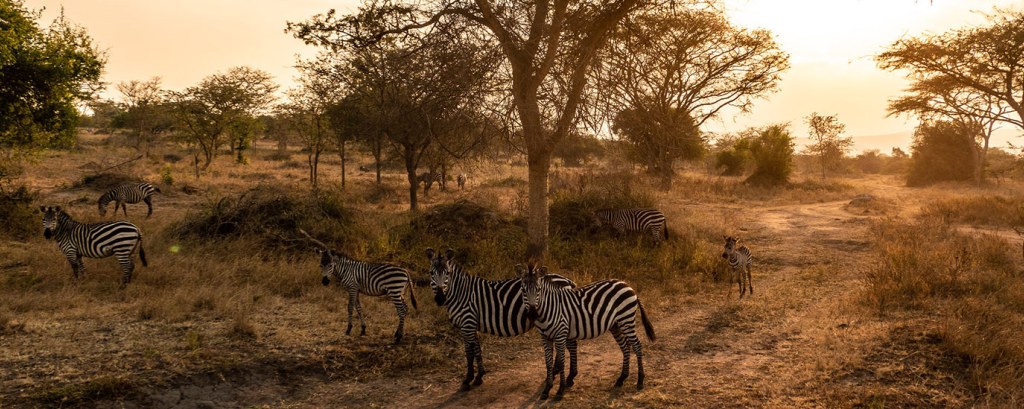
Hippos may form part of the wider wildlife experience, but sightings of wild animals cannot be guaranteed.
Mahale is especially famous for its chimpanzees, forested mountains and Lake Tanganyika setting.
Its remote location means domestic aviation and carefully planned transfers are often important parts of the journey.
Yes, although photographers should pack with walking activities and small-aircraft luggage limits in mind.
A tailor-made small-group itinerary can be arranged according to available services and the group’s requirements.
Still Have Questions?
Talk to a safari specialistPlan Lake Kivu family gorilla trekking with advice on family stays, Rwanda gorilla permits, age rules, Volcanoes accommodation…
Read article →Plan a private Lake Ihema and tea plantation tour with Akagera lodges, private game drives, Nyungwe stays, tea…
Read article →Find where to stay near Lake Burera for gorilla photography, Virunga landscapes and convenient access to Rwanda's Volcanoes…
Read article →Plan a mid-range Lake Burera stay with Volcanoes National Park before continuing to Akagera for Rwanda Big Five…
Read article →