

Where to Stay in Lake Kivu for Family Gorilla Trekking
Plan Lake Kivu family gorilla trekking with advice on family stays, Rwanda gorilla permits, age rules, Volcanoes accommodation…
Read article →
Travel Guide
Plan How to See Hippopotamus in Arusha for Seniors with practical advice on timing, costs, experiences, transport and responsible travel. Request a
Planning how to see hippopotamus in Arusha for seniors requires distinguishing between Arusha as a major safari gateway and the protected wildlife areas where travellers have opportunities to observe hippos in natural habitat. Arusha itself is primarily a city and tourism base rather than a conventional location for wild hippopotamus viewing.
Senior travellers should therefore use Arusha as the starting point for an appropriate Tanzania safari.
Depending on the chosen route, wildlife areas containing suitable rivers, lakes or wetlands can provide opportunities to search for hippos while also delivering a broader safari experience.
The exact destination should be selected according to available days, preferred comfort and the rest of the wildlife itinerary.
Gecko Safaris Africa can organize private transportation and senior-friendly accommodation while keeping driving times and daily activities manageable.
Arusha should not be confused with a national park or wetland habitat.
Travellers wanting to observe wild hippos should plan an excursion or safari beyond the urban area.
Arusha’s importance lies in its role as a gateway to northern Tanzania.
Many safari journeys begin or end here.
This makes it an excellent logistical base from which seniors can reach protected wildlife areas without needing to arrange complicated independent transport.
Hippos depend heavily on water.
They commonly spend substantial daylight hours in rivers, lakes and pools before moving onto land to feed, often after dark.
This behaviour means the most appropriate safari destinations are those containing suitable aquatic habitats.
Senior travellers do not need to undertake strenuous activities to observe them.
Many hippo encounters can be enjoyed from a vehicle or designated viewing location, depending on the park.
Hippopotamuses should always be treated as powerful wild animals.
Visitors must never approach them on foot without appropriate professional guidance and authorization.
A hippo that appears calm in water is still a large and potentially dangerous animal.
Travellers should follow guide instructions at all times.
Vehicles should stop only in permitted areas.
Responsible observation keeps both visitors and wildlife safer.
The best route depends on the number of days available.
Seniors with a short stay may choose a compact northern circuit itinerary.
Those with more time can include several ecosystems.
Rather than selecting a destination solely for hippos, travellers should consider which park provides the strongest combination of aquatic habitat, other wildlife and comfortable logistics.
This improves the overall value of the safari.
A private safari vehicle allows greater flexibility.
Senior travellers can request appropriate breaks and avoid being tied to the schedule of a larger group.
The guide can adjust the duration of a game drive when practical.
Travellers can also spend longer at an interesting hippo observation point without needing to negotiate with unrelated passengers.
This flexibility can justify the additional cost.
Travellers with mobility limitations should discuss vehicle access before booking.
Climbing into a high safari vehicle can be difficult for some visitors.
Appropriate steps or other practical arrangements may help depending on the vehicle.
The operator should know about these requirements before arrival.
Planning in advance is far easier than trying to solve mobility problems on the morning of the safari.
Seniors should ask for realistic road times between destinations.
An itinerary that looks impressive on paper can become tiring when several consecutive days involve long transfers.
One or two strategically positioned overnight stops may improve comfort.
Travellers should not feel obligated to visit every famous northern Tanzania park.
A slower safari can produce better wildlife experiences because visitors arrive with enough energy to enjoy them.
Hippos can be observed during different seasons in suitable habitats.
Water availability and environmental conditions influence their distribution.
No sighting can be guaranteed.
The best travel period should therefore consider the complete safari.
Weather, vegetation, road conditions, accommodation availability and other target wildlife should all influence the final dates.
Hippos spend significant periods in water partly because their bodies require protection from prolonged exposure to the sun.
Visitors may see individuals resting closely together.
At other times, they may surface, yawn or move through the water.
These behaviours can be fascinating to observe.
Travellers should avoid interpreting a wide-open mouth simply as a friendly yawn; displays can also form part of communication or territorial behaviour.
A moderate or telephoto zoom can help when hippos remain at a safe distance.
Travellers do not need extremely heavy professional equipment.
A lighter camera may be easier to handle during a long game drive.
Photographers should wait patiently for animals to surface rather than asking guides to approach dangerously close.
Binoculars can provide excellent views without disturbing wildlife.
Hippos should never be fed.
Visitors should not stand between a hippo and water.
Travellers should also avoid leaving vehicles unless guides confirm that it is safe and permitted.
Noise should remain controlled around wildlife.
The objective is to observe natural behaviour without forcing the animals to respond to human presence.
A hippo-focused safari can include many other species.
Depending on the selected parks, seniors may encounter giraffes, elephants, buffaloes, antelopes, monkeys, predators and diverse birds.
This broader wildlife experience is important because hippos may spend much of their time partly submerged.
The surrounding ecosystem keeps the safari interesting throughout the day.
Hippo habitats can also attract numerous birds.
Travellers should carry binoculars if birdwatching is of interest.
Waterbirds and other species can provide excellent observations while visitors wait for hippos to surface.
A knowledgeable guide can identify species and explain ecological relationships.
For seniors who enjoy slower wildlife observation, wetland birding can be particularly rewarding.
Arusha offers different accommodation categories.
Senior travellers should prioritize comfort, accessibility and location.
Ground-floor rooms or rooms close to dining facilities may be useful.
The hotel should also be positioned conveniently for the next day’s safari departure.
A slightly more expensive but well-located property can sometimes reduce transfer inconvenience.
Inside or near wildlife areas, accessibility should again be considered.
Travellers should ask about steps, walking distances and bathroom arrangements.
Remote lodges vary greatly in design.
Some camps are intentionally integrated into natural landscapes and may have uneven paths.
Communicating mobility requirements before booking allows Gecko Safaris Africa to select more suitable properties.
Dietary restrictions should be provided during planning.
Remote safari properties need advance notice for specialized meals.
Travellers should also maintain appropriate hydration.
Packed lunches may be provided during full-day activities.
A relaxed schedule should leave enough time to eat properly rather than treating every meal as an interruption to wildlife viewing.
Necessary medication should be carried in adequate quantities.
Important medicine should remain in accessible luggage.
Travellers should obtain appropriate travel insurance and check current travel health guidance through suitable official sources.
Any practical health considerations that affect the safari schedule should be communicated during planning.
This allows the itinerary to be designed realistically.
Comfortable lightweight clothing is appropriate.
A warmer layer can help during cool early mornings.
Sun protection is important.
Closed comfortable shoes are practical even for vehicle-based safaris.
Travellers should also carry binoculars, necessary medication and personal essentials.
There is no need to purchase an elaborate safari wardrobe.
Comfort should remain the priority.
A short safari from Arusha can provide wildlife opportunities, but seniors should avoid rushing.
A longer itinerary can include more than one protected area while keeping daily travel manageable.
The ideal duration depends on budget and interests.
If hippos are particularly important, the itinerary should include suitable aquatic habitat and enough time to search for them without creating an exhausting schedule.
Travellers can begin with an arrival night in Arusha.
This provides time to rest after the international journey.
The safari can then depart in a private vehicle toward the selected northern Tanzania wildlife destination.
Game drives can focus on hippos, other mammals and birds.
After several comfortable safari days, travellers can return toward Arusha or continue according to the wider itinerary.
Private transportation, accommodation, park charges and guiding contribute to the safari price.
Senior travellers should compare the complete package rather than room rates alone.
A private vehicle may cost more but can provide meaningful flexibility.
A detailed quotation should identify accommodation, meals, transfers, park charges and activities.
This allows travellers to understand exactly what they are paying for.
When contacting Gecko Safaris Africa, provide travel dates, accommodation level and number of available days.
Mention hippos as a priority.
Any mobility requirements should also be explained before reservations are made.
The itinerary can then select appropriate wildlife habitat while keeping driving distances and daily schedules suitable for senior travellers.
The most practical approach to how to see hippopotamus in Arusha for seniors is to use Arusha as the gateway rather than expecting the wildlife encounter within the city itself.
A carefully selected northern Tanzania safari can provide access to suitable hippo habitat, other mammals and rich birdlife.
Senior travellers should prioritize private transportation where useful, accessible accommodation, manageable driving times and patient wildlife observation.
With Gecko Safaris Africa, these elements can be coordinated into a comfortable safari that combines authentic hippo viewing opportunities with the wider wildlife diversity of Tanzania.
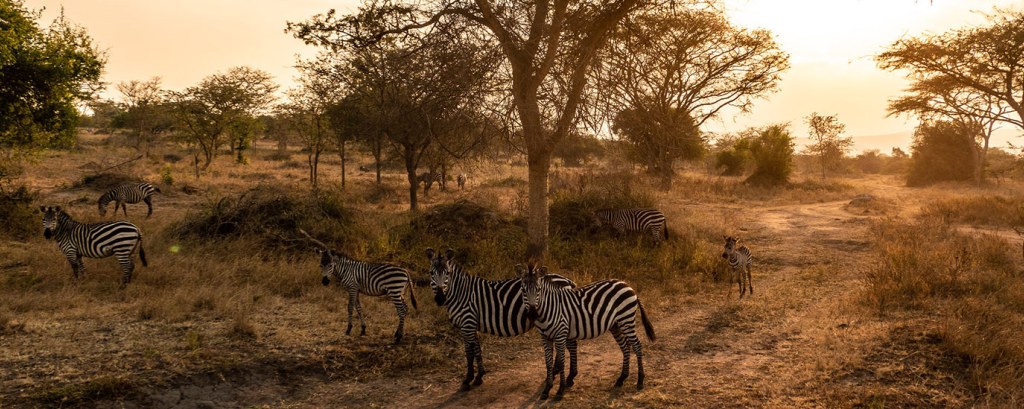
Arusha is primarily a safari gateway rather than a conventional wild hippo-viewing location.
Yes. An itinerary can incorporate suitable wildlife areas containing aquatic hippo habitat.
Many observations can be made from a safari vehicle or appropriate viewing location, depending on the park.
Hippos are powerful wild animals and should always be observed according to professional guide instructions.
Yes. It can provide additional flexibility for breaks and game-drive duration.
Still Have Questions?
Talk to a safari specialistPlan Lake Kivu family gorilla trekking with advice on family stays, Rwanda gorilla permits, age rules, Volcanoes accommodation…
Read article →Plan a private Lake Ihema and tea plantation tour with Akagera lodges, private game drives, Nyungwe stays, tea…
Read article →Find where to stay near Lake Burera for gorilla photography, Virunga landscapes and convenient access to Rwanda's Volcanoes…
Read article →Plan a mid-range Lake Burera stay with Volcanoes National Park before continuing to Akagera for Rwanda Big Five…
Read article →