

Where to Stay in Lake Kivu for Family Gorilla Trekking
Plan Lake Kivu family gorilla trekking with advice on family stays, Rwanda gorilla permits, age rules, Volcanoes accommodation…
Read article →
Travel Guide
Plan How to See Chimpanzee in Ruaha National Park for Photographers with practical advice on timing, costs, experiences, transport and responsible travel.
Planning how to see chimpanzee in Ruaha National Park for photographers requires separating two excellent but very different Tanzanian wildlife experiences. Ruaha National Park is an outstanding safari destination for photographing large mammals, predators, birds and wilderness landscapes, but it is not an established destination for conventional chimpanzee trekking.
Photographers who want chimpanzees should therefore combine Ruaha with a recognized Tanzanian chimpanzee destination.
Mahale Mountains National Park and Gombe Stream National Park are among the principal options.
This combination can produce an exceptionally diverse photographic itinerary, moving from the open landscapes and big-game opportunities of Ruaha to the intimate forest environment associated with wild chimpanzees.
Gecko Safaris Africa can coordinate both sections while considering photography equipment, luggage limitations and the amount of time photographers need in each location.
Ruaha should not be promoted as a conventional chimpanzee photography destination.
Its photographic strengths are different.
The park contains extensive wilderness and supports a wide range of safari wildlife.
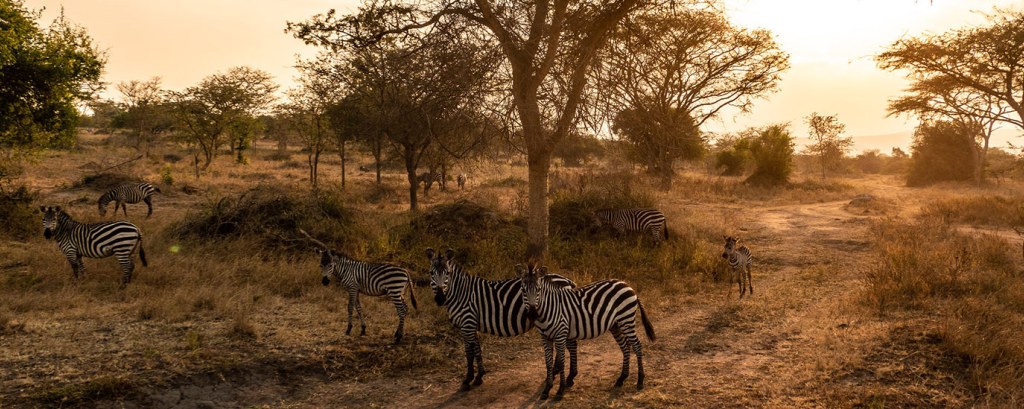
Photographers can concentrate on mammals, predators, birds, landscapes and behavioural scenes during game drives.
For dedicated wild chimpanzee photography, another Tanzanian destination should be added.
Accurate planning allows photographers to select the correct equipment and allocate enough time to each environment.
Ruaha offers an impressive combination of wildlife and scenery.
The park’s scale can provide a strong sense of wilderness, which is valuable for photographers interested in environmental compositions rather than only close animal portraits.
Different habitats create opportunities for varied backgrounds and lighting conditions.
Wildlife photography is unpredictable, so photographers benefit from staying several nights rather than trying to cover the park in one hurried visit.
Time allows guides to respond to recent sightings and animal movements.
Mahale Mountains National Park provides one of Tanzania’s most distinctive primate photography environments.
Chimpanzees are encountered within forest habitat, where light, vegetation and movement create very different technical challenges from open-country safari photography.
Gombe Stream National Park is another important chimpanzee destination.
The right choice depends on access, accommodation, available days and the photographer’s broader objectives.
Forest photography can be demanding.
Light levels may be low, subjects can move quickly and vegetation may obstruct a clear view.
Photographers should therefore be comfortable adjusting exposure settings efficiently.
A lens with useful reach and reasonable light-gathering ability can be valuable.
However, equipment should remain manageable enough to carry during trekking.
A technically perfect camera setup becomes a disadvantage if it is too heavy to use comfortably in the forest.
Ruaha can reward photographers carrying a longer telephoto lens for wildlife.
A second body or versatile shorter lens can be useful for landscapes and animals approaching closer to the vehicle.
Dust protection is important.
Camera bodies and lenses should be stored carefully when driving on dry safari roads.
A blower, lens cloth and appropriate protective equipment can help maintain gear.
Photographers should avoid changing lenses unnecessarily in dusty conditions.
The forest section usually benefits from a lighter setup.
Carrying several heavy lenses during a trek can become exhausting.
A practical zoom lens may offer more flexibility when chimpanzees move between different distances.
Spare batteries and memory cards should remain accessible.
Weather protection for the camera is also sensible.
Photographers must follow all applicable rules regarding flash and viewing behaviour.
This is a major consideration for serious photographers.
Small safari aircraft may impose significantly lower luggage allowances than international airlines.
Large camera systems can therefore create logistical complications.
Photographers should disclose the approximate amount of equipment during itinerary planning.
Where available, additional luggage arrangements may need to be considered in advance.
Do not assume that a large international baggage allowance will automatically apply to domestic safari flights.
The photograph must never become more important than the animal.
Photographers should maintain the required distance and avoid positioning themselves in ways that block chimpanzee movement.
Chimpanzees should not be called, fed or encouraged to look toward the camera.
Guides and rangers determine appropriate behaviour.
Visitors should also avoid making sudden movements or excessive noise simply to obtain a different pose.
Responsible photography records natural behaviour rather than creating artificial situations.
Some of the strongest wildlife images document behaviour.
Instead of concentrating exclusively on portraits, photographers can watch interactions between individuals.
Chimpanzees may feed, groom, communicate, travel or rest.
Ruaha also offers opportunities to photograph predator-prey relationships, social behaviour and animals interacting with their environment.
Patience is often more important than continuously moving in search of another subject.
Photographers should consider vehicle configuration when planning Ruaha.
A private vehicle can provide greater control over positioning and the amount of time spent at sightings.
It also reduces competition for shooting angles within the vehicle.
Photographers carrying substantial equipment may appreciate additional space for camera bags.
However, guides must always follow park rules and should never damage habitat or disturb animals to obtain a photograph.
Early morning and late afternoon often provide attractive light for safari photography.
The middle of the day can still produce important wildlife behaviour, but lighting may be harsher.
Photographers should discuss their priorities with the guide.
A flexible schedule may include early departures and longer waits at promising sightings.
In the forest, the relationship between time of day and usable light is different because the canopy creates shade.
Photography rewards time.
A very short stay can create pressure to chase sightings.
Several nights in Ruaha allow photographers to become familiar with the landscape and respond to wildlife movements.
The chimpanzee section should also receive enough time.
A single scheduled activity surrounded immediately by flights leaves little flexibility.
Where budget permits, extra nights can substantially improve the overall photographic experience.
Location is particularly important.
A camp positioned conveniently for game-viewing areas can reduce the amount of time spent travelling before useful photography begins.
Photographers should also consider charging facilities.
Multiple batteries, laptops and storage devices may require reliable access to power.
Remote camps can have specific charging arrangements, so these should be discussed beforehand.
Secure equipment storage is another useful consideration.
Photographers should develop a backup routine before travelling.
Memory cards can fail, become damaged or be lost.
Where practical, photographs can be copied to a portable drive or laptop.
Some photographers prefer to retain the original images on memory cards even after creating a backup.
The appropriate system depends on equipment and luggage limitations.
Backups should be completed without sacrificing essential sleep before early safari departures.
The ideal season depends on the photographic priorities.
Ruaha changes dramatically between greener and drier conditions.
Wildlife distribution, vegetation and backgrounds can therefore vary.
Chimpanzee trekking conditions are influenced by the forest environment and seasonal patterns in western Tanzania.
Photographers should choose dates based on the visual style and subjects they value rather than assuming one season is universally superior.
Neutral, practical clothing is suitable for safari.
Forest trekking requires supportive footwear and long trousers.
A rain layer can protect both the photographer and equipment.
Sun protection is important in Ruaha.
Photographers should also carry sufficient drinking water according to guide instructions.
Personal comfort matters because fatigue can reduce concentration and enjoyment.
A specialist photography itinerary can cost more than a standard safari when private vehicles, additional luggage arrangements or longer stays are included.
However, these features may directly improve the photographic experience.
Travellers should request a detailed quotation.
Accommodation, meals, guiding, park charges, domestic flights, transfers and chimpanzee activities should be clearly identified.
Additional baggage charges should also be discussed where relevant.
A photographer can begin with several nights in Ruaha National Park.
This section can focus on big-game photography, landscapes, birds and predator activity.
After Ruaha, the itinerary can transition toward western Tanzania using appropriate domestic connections.
Several nights can then be allocated to the selected chimpanzee destination.
The contrasting environments provide an unusually varied photographic portfolio from one Tanzania journey.
Responsible wildlife photography continues after the shutter is pressed.
Captions should describe where photographs were actually taken.
Images of chimpanzees photographed in Mahale or Gombe should not be presented as though they were taken in Ruaha.
Accurate location information helps audiences understand wildlife distribution and conservation.
Photographers can use their work to tell stronger stories when captions are as truthful as the images themselves.
Photographers contacting Gecko Safaris Africa should describe their equipment, desired subjects, preferred accommodation and number of available days.
Mention whether a private vehicle is important.
If substantial camera equipment will be carried, provide this information before domestic flights are booked.
The itinerary can then be designed around realistic luggage arrangements and sufficient photography time.
The most effective approach to how to see chimpanzee in Ruaha National Park for photographers is to combine complementary destinations.
Ruaha National Park provides outstanding opportunities for traditional safari and wilderness photography, while a recognized chimpanzee destination provides the primate component.
Photographers should plan carefully for equipment weight, flight restrictions, forest conditions and enough time at each destination.
With Gecko Safaris Africa, these elements can be brought together into a coherent photography safari without misrepresenting where Tanzania’s established chimpanzee experiences occur.
Ruaha is not an established conventional chimpanzee trekking destination.
Mahale Mountains National Park and Gombe Stream National Park are important options.
A private vehicle can provide more flexibility with positioning, timing and equipment space.
Baggage restrictions can apply, so equipment requirements should be checked before booking.
No. Wild chimpanzee sightings cannot be guaranteed.
Still Have Questions?
Talk to a safari specialistPlan Lake Kivu family gorilla trekking with advice on family stays, Rwanda gorilla permits, age rules, Volcanoes accommodation…
Read article →Plan a private Lake Ihema and tea plantation tour with Akagera lodges, private game drives, Nyungwe stays, tea…
Read article →Find where to stay near Lake Burera for gorilla photography, Virunga landscapes and convenient access to Rwanda's Volcanoes…
Read article →Plan a mid-range Lake Burera stay with Volcanoes National Park before continuing to Akagera for Rwanda Big Five…
Read article →