Tour Idea
Private Birdwatching Holidays in Rwanda for Seniors
Plan Private Birdwatching Holidays in Rwanda for Seniors with practical advice on timing, costs, experiences, transport and responsible travel. Request a
- Thoughtfully Paced Time to see the place, not only tick it
- Expert Planning Permits, lodges and transfers in one plan
- Wildlife & Culture Parks, communities and scenic rest days
Overview
Private Birdwatching Holidays in Rwanda for Seniors provide mature travellers with the flexibility to explore Rwanda's diverse bird habitats according to individual mobility, interests and preferred pace. Rwanda's compact geography allows birdwatchers to move between wetlands, savannah, forests, lakes and highland environments within one country, creating opportunities for a varied birding journey.
A private arrangement is especially valuable for senior travellers because daily departure times, walking distances and rest periods can be adjusted more easily than on a fixed large-group tour.
The objective should not be to chase the longest possible species list. A carefully paced itinerary can provide better observation, photography and enjoyment while reducing unnecessary physical strain.
Why Choose Private Birdwatching
A private birdwatching safari in Rwanda allows the itinerary to respond to the traveller.
Some senior birdwatchers remain highly active and enjoy long walks. Others may prefer shorter excursions or birding from vehicles and accessible viewpoints.
Age alone should never determine ability.
The planning process should instead consider mobility, stamina, medical needs and personal preferences.
A private guide can then adjust daily activities appropriately.
Akagera National Park
Akagera National Park is an important destination for birdwatching.
Its combination of savannah, woodland, lakes and wetlands supports varied birdlife.
A private vehicle allows seniors to observe many areas without requiring long walks.
Birding can be combined with general wildlife viewing.
The pace should remain flexible so travellers have time to study behaviour and identification features rather than rushing from one location to another.
Wetland Birding
Wetland environments can be particularly productive.
Water birds may be observed around suitable lake and marsh habitats.
A knowledgeable guide can help locate and identify species while explaining their ecological relationships.
Senior travellers should have binoculars that are comfortable to hold.
Heavy optical equipment can become tiring over a full day, so practical equipment selection matters.
Nyungwe National Park
Nyungwe National Park provides a completely different birding environment.
The montane rainforest is important for travellers interested in forest species.
However, forest trails can involve slopes, uneven surfaces and changing weather.
Senior travellers should discuss mobility honestly before selecting walks.
A private itinerary can concentrate on suitable routes rather than automatically choosing the most demanding trail.
Volcanoes Region
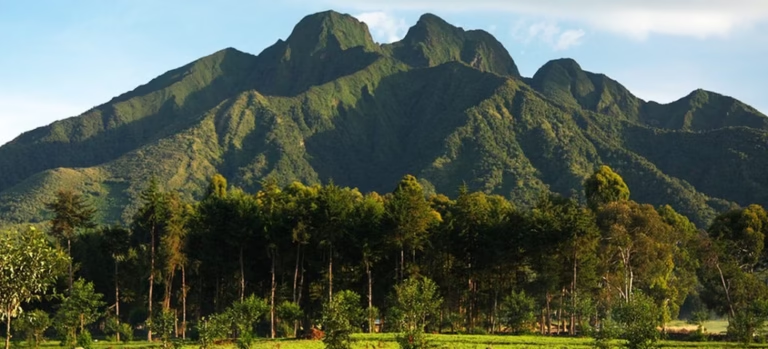
The Volcanoes region can add highland and forest birding.
Travellers may combine birdwatching with other activities according to fitness.
Mountain gorilla trekking is physically demanding and should be evaluated separately rather than assumed appropriate because the traveller is already visiting the region.
For eligible travellers choosing to trek, Rwanda's gorilla permit costs USD 1,500 per person and the minimum trekking age is 15.
Kigali Birding
Kigali can provide useful birdwatching at the beginning or end of the journey.
Urban green spaces and suitable wetland environments may introduce species before the traveller reaches national parks.
A relaxed first day can also help seniors recover from international flights.
Birding near the city can therefore serve both practical and wildlife interests.
Lake Kivu
Lake Kivu can add waterside scenery and more relaxed observation.
A lakeside stay provides recovery time between more active destinations.
Birding can be combined with landscape photography or suitable boat activities.
Travellers should use reputable operators and follow water safety procedures.
A private holiday can include free afternoons whenever additional rest is needed.
Choosing a Specialist Guide
A knowledgeable bird guide can transform the experience.
The guide should be able to identify birds by sight and sound while understanding the traveller's preferred pace.
Senior birdwatchers may have very specific target interests.
These should be communicated before travel.
However, no ethical operator should guarantee sightings of wild birds.
Species move naturally and conditions change.
Binoculars and Equipment
Comfortable binoculars are one of the most important pieces of equipment.
Travellers should choose magnification and weight they can manage easily.
A camera with a long lens may be useful for bird photography, but heavy equipment can create strain.
Senior photographers can consider monopods or other appropriate support according to personal preference.
The best equipment is equipment that can be used comfortably throughout the day.
Accommodation for Seniors
Accommodation should be selected according to practical needs.
Travellers may prefer ground-floor rooms or properties with limited stairs.
Bathroom accessibility and walking distances between rooms and dining areas should be considered.
These requirements should be communicated during booking rather than assumed.
A beautiful lodge is not useful if its physical layout makes the stay unnecessarily difficult.
Private Transportation
Private transportation is one of the strongest advantages of this holiday style.
The vehicle can stop when birds are observed from suitable areas and can return to accommodation earlier if necessary.
Travellers can also carry binoculars, cameras and personal items without constantly repacking.
Vehicle comfort becomes particularly important on longer road transfers.
Rest and Pacing
Birdwatching often begins early because morning activity can be productive.
However, senior travellers should not feel required to begin before sunrise every day.
A private itinerary can alternate early birding sessions with slower mornings.
Rest periods improve concentration and enjoyment.
The purpose of the journey is not to prove physical endurance.
Health Preparation
Travellers should discuss individual health requirements with appropriate medical professionals before travel.
Regular medication should be packed securely with enough supply for the journey.
Travel insurance should suit the traveller's age, circumstances and activities.
Any important mobility requirements should also be communicated to the safari planner before accommodation and activities are confirmed.
Bird Photography
Bird photography requires patience and often substantial equipment.
Senior photographers should consider weight carefully.
A private vehicle can make it easier to keep equipment accessible.
Photographers should avoid disturbing birds for a closer image.
Nests and breeding behaviour require particular sensitivity.
The welfare of the bird should always be more important than the photograph.
Responsible Birdwatching
Responsible birdwatching in Rwanda means remaining on authorized routes, following guide instructions and minimizing disturbance.
Recorded bird calls should not be used irresponsibly.
Birds should never be fed to manipulate behaviour for photography.
Travellers should keep appropriate distances from nesting areas.
Conservation-focused behaviour helps protect the habitats that make Rwanda valuable to birdwatchers.
Combining Birding with Other Rwanda Experiences
A birding holiday can include general wildlife in Akagera, cultural experiences in Kigali, Lake Kivu relaxation and selected forest activities.
The itinerary does not need to focus exclusively on birds.
For seniors travelling with companions who have different interests, a private journey can balance birding with other activities.
This flexibility can make the holiday more enjoyable for everyone.
Planning Private Birdwatching Holidays in Rwanda for Seniors
Private Birdwatching Holidays in Rwanda for Seniors can provide a carefully paced journey through Rwanda's diverse habitats without the pressure of a fixed large-group schedule.
Akagera offers savannah and wetland environments, Nyungwe provides montane rainforest, the Volcanoes region introduces highland habitats, and Lake Kivu can add relaxed waterside experiences.
The itinerary should be based on individual mobility and birding priorities rather than assumptions about age.
A private guide, comfortable vehicle and carefully selected accommodation can greatly improve the experience.
Plan Your Safari around your birding interests, mobility, preferred pace and the Rwanda habitats you most want to explore.