
15 Day Luxury Safari
15-Day Luxury Birdwatching in Kigali for First-Time Visitors
Discover Rwanda's birds on a 15-day luxury tour from Kigali through Akagera, the Virunga highlands, Lake Kivu and Nyungwe Forest.
- Luxury Experience Premium lodges & service
- Wildlife Safari An unforgettable encounter
- Kigali Experience Culture, dining & relaxation
- Tailor-Made Customised for you
Overview
Arriving in Kigali
A 15-Day Luxury Birdwatching in Kigali for First-Time Visitors provides an excellent introduction to Rwanda's remarkable variety of habitats. Kigali serves as the international gateway and offers useful introductory birding, while a complete fifteen-day itinerary can extend into Akagera National Park, the Virunga highlands, Lake Kivu, and Nyungwe National Park. Together, these destinations reveal why Rwanda can be rewarding for both experienced birders and travellers discovering African birdwatching for the first time.
Luxury birding is not simply about expensive accommodation. The greatest advantages often come from private specialist guiding, flexible departure times, carefully selected lodges close to productive habitats, and enough time to wait for difficult species. This creates a luxury Rwanda birdwatching safari focused on quality observation rather than rushing through a long checklist.
The journey can begin with private airport collection and transfer to a high-quality hotel.
The first evening should remain relaxed after international travel.
Birdwatchers can prepare binoculars, cameras, field guides, and notebooks.
A specialist guide can discuss the route and identify any priority species or habitats the travellers hope to experience.

Introductory Birding around Kigali
Kigali can provide surprisingly productive birding in suitable green and wetland environments.
Starting close to the capital allows first-time visitors to become familiar with common species before entering more specialised habitats.
The guide can explain field marks, calls, and behaviour.
This early introduction makes later birding more rewarding because travellers begin recognising species independently.
Why Rwanda Is Excellent for Birding
Rwanda contains considerable habitat diversity within a compact country.
Savannah, wetlands, montane rainforest, lakes, agricultural landscapes, and volcanic highlands can all be incorporated into one journey.
The country's location within the Albertine Rift adds particular importance for birders interested in species associated with this region.
A fifteen-day itinerary allows these environments to be explored without excessive rushing.
Travelling to Akagera National Park
Akagera introduces savannah and wetland birding.
A private vehicle allows the guide to stop whenever interesting activity appears.
Birdwatchers are not forced to leave a productive area simply because another traveller wants to search for large mammals.
The park also provides opportunities to observe traditional safari wildlife, adding variety to the birding experience.
Savannah Birding
Open habitats make many birds easier to observe than species hidden inside dense rainforest.
Raptors, woodland birds, grassland species, and birds associated with larger mammals may all attract attention.
First-time African birders often find the diversity initially overwhelming.
A specialist guide can help visitors concentrate on identifying key features rather than attempting to memorise every species immediately.
Wetland Birding
Akagera's lakes and wetlands provide another important habitat.
Waterbirds can often be observed from suitable viewpoints and during appropriate boat excursions.
Binoculars remain essential even when birds appear relatively close.
Photographers should use telephoto lenses rather than encouraging boats to approach wildlife unnecessarily.
Luxury Boat Experience
A carefully arranged boat safari can complement game drives.
Travellers may observe waterbirds and aquatic wildlife while experiencing the park from a quieter perspective.
A private or small-group arrangement can allow more time for bird observation.
Natural sightings vary, so the excursion should remain about exploring the ecosystem rather than guaranteeing particular species.
Bird Photography
Luxury travellers interested in photography can use private guiding to work more patiently.
A telephoto lens is useful for birds, while a wider lens can capture habitat.
Photographers should avoid approaching nests or disturbing feeding behaviour.
The guide can help position the vehicle or group responsibly while still providing strong photographic opportunities.
Moving toward Northern Rwanda
After Akagera and Kigali, the itinerary can continue toward the Virunga highlands.
Elevation increases and the bird community changes.
The route itself can produce interesting sightings in agricultural and transitional habitats.
A private vehicle allows stops when conditions are safe.
Birding around the Virunga Region
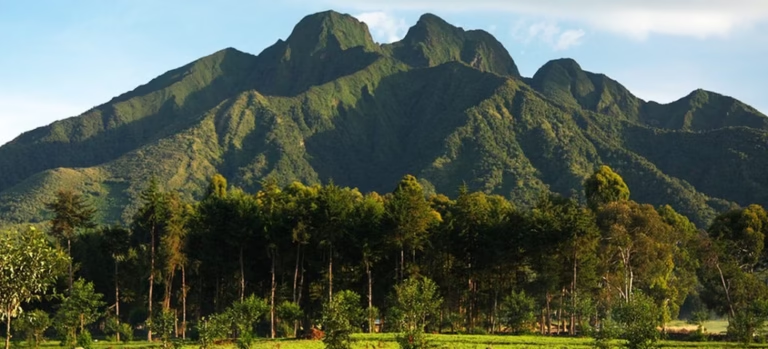
Volcanoes National Park and surrounding landscapes provide highland birding.
Dense forest habitats can make identification more challenging because birds may be heard before they are seen.
A specialist guide becomes particularly valuable here.
First-time visitors can begin learning how calls reveal the presence of birds hidden within vegetation.
Lake Ruhondo Birdwatching
Lake Ruhondo adds a scenic northern lake environment.
Early mornings can be particularly pleasant for birding around suitable habitats.
The lake also provides opportunities for photography against highland and volcanic backgrounds.
A luxury lodge with productive gardens can extend birding beyond formal excursions.
Optional Gorilla Trekking
Travellers can combine birdwatching with gorilla trekking in Volcanoes National Park.
The standard permit costs USD 1,500 per person, and participants must be at least 15 years old.
Gorilla trekking is not necessary for a successful birding safari, but it can add one of Rwanda's most celebrated wildlife experiences.
The trekking day should be treated as a separate major activity rather than another birding excursion.
Lake Kivu Interlude
Lake Kivu provides a relaxing transition between northern Rwanda and the southwestern forests.
Travellers can continue birding casually while enjoying waterfront scenery.
Coffee experiences and cultural activities can add variety.
Luxury accommodation can provide time for rest after repeated early birding starts.
Nyungwe National Park
Nyungwe is one of the most important components of a comprehensive Rwanda birdwatching tour.
The montane rainforest supports a rich community of birds and forms part of the Albertine Rift landscape.
Forest birding requires patience because visibility can be limited.
A knowledgeable guide can detect calls and movement that inexperienced visitors might overlook.
Learning Forest Birding
First-time visitors should not become discouraged if rainforest species are difficult to see.
Forest birding is fundamentally different from scanning open savannah.
Listening becomes essential, and small movements can reveal birds hidden among leaves.
Travellers should move quietly and avoid walking too quickly through productive sections.
The process of learning these techniques becomes part of the experience.
Nyungwe Canopy Experience
Travellers comfortable with heights can consider the canopy walk.
The elevated perspective provides a different appreciation of forest structure.
Although the activity is not exclusively a birding excursion, birds may be encountered depending on conditions.
The walkway should be enjoyed as part of the broader rainforest experience rather than as a guaranteed location for specific sightings.
Luxury Accommodation for Birders
The best birding lodge is not necessarily the most elaborate property.
Location matters greatly.
A lodge close to productive habitats can allow early starts without long transfers.
Gardens can also produce excellent sightings before breakfast.
Luxury should therefore be measured through comfort, service, access, and flexibility.
Private Specialist Guiding
A skilled bird guide can transform the journey.
The guide helps identify calls, explains habitat, and understands where different species are likely to occur.
Private guiding also allows travellers to ask questions without feeling rushed.
For first-time birders, this educational element is especially valuable.
Early Starts and Comfortable Afternoons
Birding often begins early.
A luxury itinerary should compensate by keeping some afternoons flexible.
Travellers can rest, enjoy lodge facilities, or review photographs and field notes.
Trying to remain active from dawn until evening every day can reduce concentration and enjoyment.
What to Pack
Good binoculars are essential.
Travellers should also bring comfortable walking shoes, rain protection, a warmer layer for high elevations, sunscreen, and a hat.
Bird photographers may need telephoto equipment and additional batteries.
A notebook or digital checklist helps record sightings throughout the journey.
Best Time for Rwanda Birding
Birdwatching is possible throughout the year.
Seasonal changes can influence migrant species, breeding behaviour, vegetation, and trail conditions.
Travellers with particular target species should seek specialist advice when selecting dates.
Rain should not automatically be viewed negatively because forest environments depend on moisture and can remain productive during wetter periods.
Ethical Birdwatching
Bird welfare must come before the species list.
Visitors should avoid disturbing nests or forcing birds to move repeatedly.
Recorded calls should be used cautiously and only according to responsible guiding practices.
Habitat should never be damaged for a clearer photograph.
Responsible birding helps preserve the environments visitors have travelled to enjoy.
Why Fifteen Days Are Ideal
Fifteen days allow first-time visitors to learn gradually.
Kigali introduces common species, Akagera provides open-country birding, the Virunga region adds highland habitats, and Nyungwe presents the challenge of montane rainforest.
Lake environments provide additional diversity.
The journey becomes an ecological exploration of Rwanda rather than a hurried species-counting exercise.
Plan Your Luxury Rwanda Birding Safari
A 15-Day Luxury Birdwatching in Kigali for First-Time Visitors combines Rwanda's most distinctive birding environments with private guiding and comfortable travel.
Kigali provides the gateway, Akagera introduces savannah and wetlands, the Virunga highlands add mountain habitats, and Nyungwe delivers exceptional rainforest birding.
With strategically selected lodges, patient specialist guiding, and enough time to learn, this luxury Rwanda birding tour offers first-time visitors a rich introduction to the country's birds and wider natural heritage.
Accommodation Options in Kigali


Ready to Experience This Luxury Safari?
Let our expert team customise this 15-day itinerary to match your interests and travel dates.