
14 Day Budget Safari
14-Day Photographic Cycling Tour in Gisenyi for Budget Travellers
Cycle and photograph Rwanda on a 14-day budget tour through Gisenyi, Lake Kivu, rural landscapes and scenic western highlands.
- Budget Experience Comfortable Lodges & Camps
- Wildlife Safari An unforgettable encounter
- Kigali Experience Culture, dining & relaxation
- Tailor-Made Customised for you
Overview
Beginning the Journey in Kigali
A 14-Day Photographic Cycling Tour in Gisenyi for Budget Travellers combines active exploration, landscape photography, local encounters, and the spectacular scenery of western Rwanda. Gisenyi, in the wider Rubavu area on the shores of Lake Kivu, is an excellent base for travellers who want to experience Rwanda from the saddle while documenting the journey through photography. The surrounding hills, lakeshore, agricultural communities, and roads toward the Virunga region provide a constantly changing collection of photographic subjects.
Travelling on a budget does not mean reducing the journey to basic sightseeing. Careful planning can prioritise good guiding, reliable bicycles, safe transport, and strategically located accommodation without relying on expensive luxury lodges. A support vehicle can accompany selected stages, allowing travellers to cycle the most rewarding sections while using road transfers when terrain or distance becomes demanding. This approach makes a Rwanda cycling and photography safari accessible to travellers who want adventure without an excessive overall cost.
Kigali provides a practical starting point for the fourteen-day cycling holiday. The first day can focus on arrival, hotel check-in, rest, and preparation for the journey ahead. Travellers bringing personal bicycles can use this time for assembly and inspection, while rented bicycles should be adjusted carefully before longer rides begin.
A guided Kigali experience can introduce photography opportunities before the journey moves into rural Rwanda. Markets, contemporary neighbourhoods, architecture, hills, and selected cultural sites provide varied subjects. Rather than attempting to photograph everything, travellers can begin developing a visual story that contrasts urban Rwanda with the countryside encountered later.
Bicycle fitting should receive equal attention. Saddle height, brake position, tyre pressure, and gear operation need to feel comfortable. Small mechanical problems can become frustrating once the group is several hours away from Kigali.

Cycling toward Western Rwanda
Rwanda's rolling terrain makes cycling visually rewarding but physically challenging. The route toward western Rwanda includes hills, valleys, cultivated slopes, and communities that provide frequent reasons to stop.
A budget cycling tour in Rwanda should not attempt to cover every transfer entirely by bicycle. Selected sections can be ridden while the support vehicle handles longer or less interesting stretches. This approach preserves energy for the routes that provide the strongest scenery and photographic opportunities.
Cyclists should carry their cameras in a way that protects equipment while keeping it reasonably accessible. Stopping safely before taking photographs is essential. Attempting to operate a camera while riding creates unnecessary risk.
Arriving in Gisenyi
Gisenyi introduces travellers to Lake Kivu and a more relaxed atmosphere. After several active days, arriving at the lake provides a natural opportunity to slow the pace.
The waterfront, distant hills, fishing activity, streets, and surrounding communities provide a range of photographic subjects. Morning and evening light can be particularly attractive around the lake.
Budget accommodation can still provide comfortable rooms and convenient access to cycling routes. Location should be considered carefully because a cheap property far from planned activities may increase daily transport costs.
Cycling along Lake Kivu
Selected roads and routes around Lake Kivu provide some of the most memorable cycling scenery in Rwanda. Riders can encounter lake views, steep cultivated hills, villages, coffee-growing landscapes, and quiet rural sections.
The exact daily distance should reflect the group's fitness. Rwanda's hills can make a relatively short route more demanding than expected.
Regular breaks provide time for photography and interaction with the surroundings. The objective of a photographic cycling tour in Gisenyi is not to record the fastest possible cycling time. Travellers should have enough space in the schedule to stop when changing light or an interesting scene deserves attention.
Photographing Rwanda's Landscapes
Landscape photography is central to this itinerary. Rwanda's elevation creates layers of hills that can appear especially dramatic during early morning or late afternoon.
A wide-angle or standard zoom lens is useful for broad landscapes. Longer lenses can isolate distant hills, villages, or patterns within cultivated fields.
Weather can change quickly. Mist, clouds, and rain should not automatically be considered poor photographic conditions. They can add atmosphere and reveal the character of Rwanda's highland environment.
Travellers should carry simple rain protection for both themselves and their camera equipment.
Cultural Photography during the Ride
Cycling allows travellers to pass through communities at a slower pace than a vehicle. This creates opportunities to observe local life, agriculture, markets, and roadside activity.
Photography must remain respectful. Visitors should request permission before taking close portraits, particularly when stopping in small communities.
An experienced local guide can assist with communication. Genuine conversation often produces better photographic experiences than immediately pointing a camera at someone.
The strongest cultural photography in Rwanda often emerges when travellers first understand the people and activities they are photographing.
Coffee Landscapes around Lake Kivu
Western Rwanda is associated with coffee production, making coffee-growing areas a natural addition to the cycling itinerary.
Travellers can photograph coffee plants, cultivated hillsides, processing activities, and community life where visits are appropriately arranged. A guided coffee experience can explain how cherries are harvested and processed before reaching consumers.
Understanding the process gives photographs greater meaning. Instead of producing isolated images of farms, travellers can document a complete story connected with Rwanda's agricultural economy.
Cycling with a Support Vehicle
A support vehicle significantly improves a two-week cycling journey. It can carry luggage, drinking water, spare parts, and travellers who need a break from difficult terrain.
Photographic equipment that is not needed during a particular ride can also remain secured in the vehicle.
This arrangement allows travellers to cycle with a lighter load. A small camera, water, rain jacket, and essential personal items may be enough for many stages.
The vehicle also gives the itinerary flexibility when weather changes unexpectedly.
Bicycle Preparation and Repairs
Reliable equipment is essential. Travellers using their own bicycles should service them before leaving home.
Basic repair equipment should include spare tubes, a pump, tyre levers, and appropriate tools. If the itinerary uses rented bicycles, maintenance responsibilities should be discussed with the operator.
Minor mechanical issues are normal during longer cycling trips. Good preparation prevents them from becoming major disruptions.
Cyclists should also check tyres and brakes regularly because Rwanda's hills place additional demands on both.
Combining Cycling with Volcano Scenery
Gisenyi is well positioned for travellers interested in the landscapes surrounding the Virunga volcanoes. The itinerary can include scenic transfers or cycling sections toward northern Rwanda.
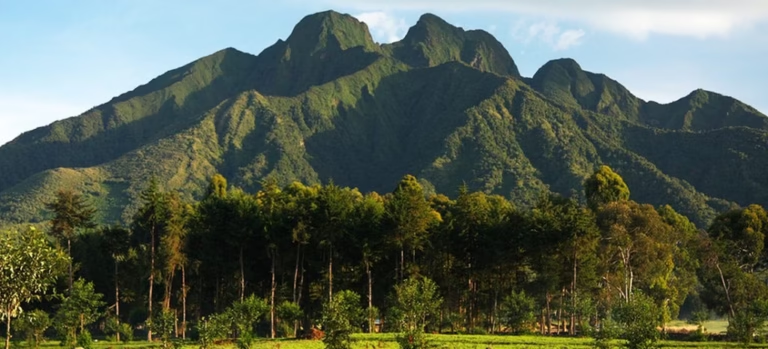
The volcanic skyline provides a dramatic change from Lake Kivu. Photographers can work with wide mountain views, farmland, cloud formations, and village scenes.
Travellers may also include activities around Volcanoes National Park if their budget permits. The exact programme can be adapted without changing the cycling and photography focus of the journey.
Optional Gorilla Trekking
Budget travellers who consider gorilla trekking a priority can include the experience with advance planning. Rwanda's standard gorilla permit costs USD 1,500 per person, making it a significant part of the overall budget.
Because the permit cost is fixed, travellers can control expenses elsewhere through mid-range or budget accommodation and efficient road travel.
Gorilla trekking is available to travellers aged 15 and above. Trekking conditions can be demanding, and participants should prepare for steep or muddy terrain.
For photographers, the encounter creates a remarkable addition to the broader visual story of Rwanda.
Rest Days beside Lake Kivu
Fourteen days should not involve cycling from morning until evening every day. Rest periods help travellers recover physically and enjoy the destination.
A free afternoon beside Lake Kivu can include swimming where locally considered appropriate, a boat excursion, café visits, or simply relaxing at the accommodation.
Photography can continue without a formal activity. Sunset, fishing boats, changing clouds, and reflections can provide rewarding subjects close to the lodge.
Rest days are particularly useful before or after demanding hill sections.
Budget Accommodation Choices
Affordable guesthouses and mid-range hotels can keep the journey financially manageable. Travellers should prioritise cleanliness, security, location, and reliable meals.
Secure bicycle storage is also important. Equipment should not be left outside overnight without appropriate arrangements.
Sharing twin rooms can reduce accommodation costs for friends travelling together. Small groups may also reduce the per-person cost of the support vehicle and guide.
Budget travel works best when savings are made intelligently rather than by compromising essential safety or logistics.
Best Time for Cycling and Photography
Relatively drier periods can make cycling more comfortable because roads and trails may be easier to navigate. However, Rwanda can receive rain throughout the year.
Photographers may actually appreciate the dramatic skies and saturated landscapes that accompany changing weather.
Cyclists should therefore prepare for both sunshine and showers. Lightweight rain protection, sunscreen, and clothing layers are useful throughout the itinerary.
Early morning departures can provide cooler riding conditions and better photographic light.
Responsible Cycling and Photography
Cyclists should follow traffic rules and respect other road users. Speeds should be controlled when passing pedestrians and communities.
Litter must never be left along cycling routes. Refillable water bottles can help reduce unnecessary plastic waste where safe refill options are available.
Photographers should respect privacy and avoid disrupting work or community activities for the sake of an image.
Responsible travel allows the journey to create positive memories without negatively affecting the places being photographed.
A Two-Week Visual Adventure
The strength of a 14-Day Photographic Cycling Tour in Gisenyi for Budget Travellers lies in the connection between movement and observation. Cycling slows the journey enough for travellers to notice Rwanda's changing landscapes, while photography encourages even closer attention.
Gisenyi and Lake Kivu provide the scenic centre of the experience. Rural routes, coffee landscapes, volcanic scenery, and community encounters add variety.
With realistic cycling distances, affordable accommodation, a support vehicle, and respectful photography, travellers can experience western Rwanda deeply without requiring a luxury safari budget.
Accommodation Options in Kigali


Ready to Experience This Budget Safari?
Let our expert team customise this 14-day itinerary to match your interests and travel dates.