
14 Day Luxury Safari
14-Day Photographic Coffee Tour in Gisenyi for Luxury Travellers
Discover Rwanda's coffee culture on a 14-day photographic tour in Gisenyi with Lake Kivu scenery, private travel and luxury experiences.
- Luxury Experience Premium lodges & service
- Wildlife Safari An unforgettable encounter
- Kigali Experience Culture, dining & relaxation
- Tailor-Made Customised for you
Overview
Beginning the Journey in Kigali
A 14-Day Photographic Coffee Tour in Gisenyi for Luxury Travellers combines Rwanda's celebrated coffee culture with Lake Kivu landscapes, cultural photography, private travel, and carefully selected accommodation. Gisenyi and the wider Lake Kivu region provide an attractive setting for travellers interested in understanding how Rwanda's coffee moves from hillside farms to the finished cup.
Photography adds another layer to the journey. Instead of simply participating in a coffee tour, travellers can document farms, processing methods, landscapes, people, and the details that make coffee production visually interesting. With two weeks available, the experience can be combined with Kigali, western Rwanda, Volcanoes National Park, and other destinations without creating an excessively rushed schedule.
The safari can start with a private airport transfer to a comfortable Kigali hotel. Luxury travellers may prefer a slower first day, allowing time to rest and prepare equipment.
A city experience on the following day can introduce Rwanda's contemporary culture. Markets, galleries, restaurants, neighbourhoods, and historical attractions can all provide photographic subjects.
Kigali is also an excellent place to begin understanding Rwanda's modern coffee culture. Cafés serving locally produced coffee demonstrate the final stage of a supply chain that travellers can later explore in rural areas.

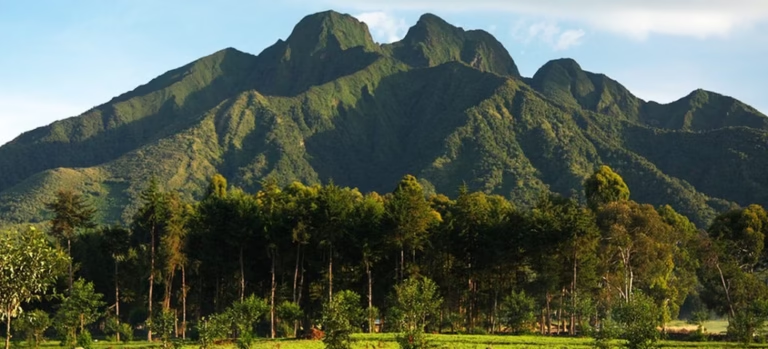
Travelling toward Gisenyi
The journey from Kigali toward Gisenyi reveals Rwanda's highland scenery. Cultivated slopes, valleys, towns, and distant mountains provide frequent opportunities for landscape photography.
A private vehicle is especially useful for photographers because stops can be made where safe and appropriate.
Travelling slowly also allows visitors to understand how agriculture shapes Rwanda's landscapes. Coffee is part of a much broader farming environment that includes numerous crops and small family holdings.
Arriving beside Lake Kivu
Gisenyi sits along the shores of Lake Kivu and provides one of Rwanda's most attractive settings for a relaxed stay.
The lake creates excellent photographic conditions, particularly during changing morning and evening light. Reflections, fishing activity, hills, and cloud formations can become subjects even before a formal coffee experience begins.
Luxury travellers can select accommodation that combines comfort with convenient access to the lakeshore.
Understanding Rwanda's Coffee Story
Rwanda has developed an international reputation for high-quality coffee. A guided Rwanda coffee tour can explain how geography, elevation, soil, climate, farming practices, and processing influence the final product.
The experience begins with understanding the coffee plant itself. Guides can explain how coffee grows, when cherries ripen, and how farmers identify fruit ready for harvesting.
Travellers visiting during harvest periods may see more active farm processes. Outside the main harvest, the experience can still provide valuable insight into cultivation and processing.
Photographing Coffee Farms
Coffee farms provide numerous photographic possibilities. Rows of plants, ripe cherries, farmers at work, baskets, hands sorting fruit, and surrounding hills can all create strong visual narratives.
Photography should remain respectful. Permission should always be requested before taking close portraits of workers.
Rather than focusing only on posed photographs, travellers can document the broader environment. A photographic coffee safari in Rwanda is most effective when images tell the complete story from landscape to cup.
Visiting a Coffee Washing Station
Coffee washing stations play an important role in processing harvested cherries. A guided visit can demonstrate sorting, pulping, fermentation, washing, drying, and quality control.
The exact processes visible depend on the season and operation of the selected station.
For photographers, washing stations provide details that contrast with broad farm landscapes. Machinery, water channels, drying beds, coffee beans, and workers can produce interesting compositions.
Guides can explain each stage so that photographs are connected with an accurate understanding of the process.
Coffee Tasting Experience
A coffee tour becomes more meaningful when travellers taste the finished product.
Guided tasting can introduce differences in aroma, acidity, body, sweetness, and flavour. Visitors do not need professional tasting experience to appreciate the process.
Understanding how different processing methods influence taste helps connect the farm experience with the cup.
Luxury travellers may also enjoy private or small-group tastings where there is enough time to ask detailed questions.
Coffee and Communities
Coffee production supports livelihoods across Rwanda's growing regions. Responsible tourism should therefore recognise the people behind the product rather than treating farms merely as photographic locations.
Travellers can learn about cooperatives, farming families, processing employment, and the challenges associated with agricultural production.
These conversations create depth within a Rwanda cultural and coffee tour. They help visitors understand coffee as both an international product and part of local economic life.
Exploring Lake Kivu by Boat
A boat experience can add variety to the itinerary after time on coffee farms.
Lake Kivu provides beautiful views toward surrounding hills. Photographers can capture shoreline landscapes, fishing activity, and changing perspectives from the water.
Camera equipment should be protected from spray and sudden rain. A secure strap is particularly important while moving around a boat.
The excursion can remain relaxed rather than becoming another demanding photography assignment.
Golden-Hour Photography
Early morning and late afternoon are particularly valuable for landscape photography around Lake Kivu.
Soft light can reveal layers of hills that become less visible under strong midday sun. Mist and clouds may add atmosphere rather than ruining photographs.
Luxury travel provides the advantage of time. Photographers do not need to leave an interesting location simply because a large group itinerary has moved to the next attraction.
Adding Volcanoes National Park
Gisenyi can be combined with the Volcanoes National Park region. The Virunga mountains provide dramatic scenery and an entirely different photographic environment.
Travellers may include cultural experiences, nature activities, or gorilla trekking.
A Rwanda gorilla permit currently costs USD 1,500 per person. Permits should be booked in advance, particularly for popular travel periods.
Gorilla trekking can add a major wildlife component to a journey otherwise focused on coffee, landscapes, and culture.
Photography during Gorilla Trekking
Travellers adding gorilla trekking should prepare equipment carefully. Heavy camera bags can become difficult on steep forest terrain.
A versatile camera body with a suitable lens can be more practical than carrying several large lenses.
Flash photography is not allowed around gorillas. Travellers should understand how to work with available natural light before the trek.
Park rules and guide instructions always take priority over photography.
Luxury without Excess
A luxury journey does not require constant extravagance. Privacy, thoughtful guiding, flexible schedules, and well-chosen accommodation can provide greater value than unnecessary additions.
Travellers can combine premium properties with comfortable mid-range lodges where location is more important than elaborate facilities.
Private transfers reduce waiting times, while personalised guiding allows activities to reflect individual interests.
This approach creates a luxury Rwanda coffee safari focused on quality rather than excess.
Best Time for a Coffee Tour
Travellers specifically interested in seeing active harvesting and processing should consider seasonal coffee cycles when choosing dates.
However, coffee-related experiences can often be arranged outside the peak harvest period. The emphasis may shift toward farm management, processing explanations, tasting, and community stories.
Rwanda can otherwise be visited throughout the year. Weather conditions vary, and rain should always be expected occasionally in highland areas.
Photography Equipment for the Journey
A standard zoom lens can be extremely useful for farms, people, and travel photography. A wide-angle option is helpful for landscapes, while a telephoto lens becomes more valuable if wildlife is included.
Travellers should bring sufficient batteries and memory cards. Regular backups are strongly recommended during a fourteen-day photographic journey.
A lightweight rain cover can protect equipment during sudden showers. Comfortable camera straps also reduce fatigue during longer walking experiences.
Ethical Cultural Photography
Photographers should always remember that people are not simply subjects.
Permission should be requested before close portraits. Some individuals may prefer not to be photographed, and that decision should be respected immediately.
When photographing workplaces such as coffee washing stations, travellers should avoid interfering with normal operations.
Ethical photography creates more genuine encounters and demonstrates respect toward host communities.
Combining Coffee with Relaxation
One of the advantages of basing part of the itinerary around Gisenyi is the opportunity to alternate activities with relaxation.
A morning coffee experience can be followed by a quiet afternoon beside Lake Kivu. Another day may focus on photography before an unhurried dinner.
This rhythm makes the itinerary particularly suitable for luxury travellers who want meaningful experiences without an exhausting daily schedule.
A Complete Rwanda Coffee Journey
Fourteen days provide enough time to understand Rwanda beyond a quick plantation visit. Travellers can see coffee within the wider context of landscapes, communities, culture, and tourism.
Gisenyi and Lake Kivu provide a scenic foundation, while Kigali and the Virunga region can expand the journey.
Photography encourages visitors to observe small details carefully. Coffee cherries, drying beans, hillside farms, lake reflections, and human interactions collectively tell a richer story than any single attraction.
Plan Your Photographic Coffee Safari
A 14-Day Photographic Coffee Tour in Gisenyi for Luxury Travellers offers a distinctive alternative to a conventional Rwanda safari. Coffee becomes the central theme, but the journey also includes landscapes, communities, photography, and opportunities for wildlife experiences.
Private transport and personalised guiding allow photographers to work at a comfortable pace. Lake Kivu provides beautiful scenery and relaxation, while optional Volcanoes National Park activities add another dimension.
For travellers interested in food origins, agriculture, culture, and visual storytelling, this Rwanda photographic coffee tour provides an immersive way to experience the Land of a Thousand Hills.
Accommodation Options in Kigali


Ready to Experience This Luxury Safari?
Let our expert team customise this 14-day itinerary to match your interests and travel dates.