
1 Day Budget Safari
1-Day Photographic Gorilla trekking in Lake Ruhondo for Budget travellers
Plan budget gorilla photography in Volcanoes National Park with a Lake Ruhondo extension, permit costs, camera tips and travel advice.
- Budget Experience Comfortable Lodges & Camps
- Gorilla Trekking An unforgettable encounter
- Kigali Experience Culture, dining & relaxation
- Tailor-Made Customised for you
Overview
Understanding the Gorilla Trekking Location
A 1-Day Photographic Gorilla Trekking in Lake Ruhondo for Budget Travellers can be designed as a northern Rwanda itinerary combining mountain gorilla trekking with the scenic Lake Ruhondo region. The important geographical distinction is that gorilla trekking does not take place at the lake itself. Rwanda's mountain gorillas are trekked inside Volcanoes National Park, while Lake Ruhondo lies nearby and can provide a scenic extension before or after the forest experience.
For photographers, this combination works particularly well because it provides two contrasting subjects. The gorilla trek concentrates on intimate wildlife encounters in dense forest, while Lake Ruhondo provides open landscapes, water, hills, birds, and views toward the volcanic region.
A budget gorilla photography safari in Rwanda still requires the standard USD 1,500 gorilla permit. Savings therefore come from accommodation and transport choices rather than a discounted wildlife permit.
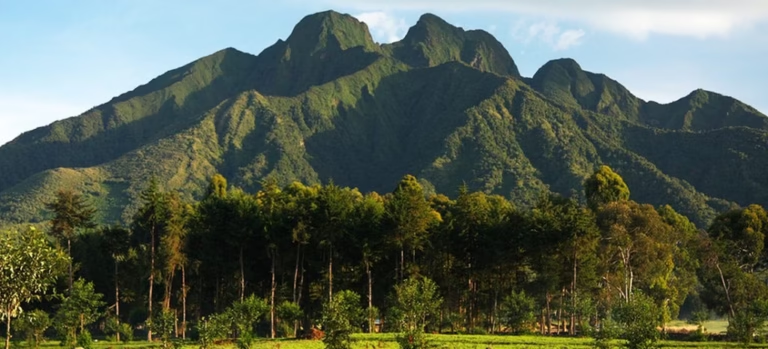
Mountain gorilla trekking in Rwanda takes place in Volcanoes National Park near Musanze.
The park protects forested slopes within the Virunga landscape.
Lake Ruhondo lies within the broader northern Rwanda tourism region but outside the actual gorilla trekking experience.
Travellers can stay in or around Musanze and access both areas during the same wider journey.
This makes Lake Ruhondo a practical companion to gorilla trekking without creating false expectations about where the gorillas live.

Understanding the Permit Cost
The standard Rwanda gorilla permit costs USD 1,500 per person.
This cost applies regardless of whether a traveller chooses budget, mid-range, or luxury accommodation.
The permit is therefore the largest fixed expense for most budget gorilla safaris.
Travellers can control other costs by selecting modest accommodation, sharing transport where appropriate, and avoiding unnecessary premium extras.
Budget travel should still use legitimate permits and reliable transportation.
Booking Ahead
Gorilla permits are limited.
Photographers with fixed travel dates should book well in advance, particularly during popular periods.
Planning four to six months ahead can be sensible for peak travel.
The permit date determines the structure of the northern Rwanda itinerary.
Accommodation and transportation should then be organized around it.
Waiting until arrival can create unnecessary risk, especially for photographers who have travelled specifically for the gorilla experience.
Preparing for an Early Morning
Gorilla trekking begins with required reporting and briefing procedures.
Photographers should prepare equipment the previous evening.
Batteries should be charged, memory cards checked, and camera settings reviewed.
Clothing and hiking equipment should also be ready.
A rushed morning can lead to forgotten items.
Staying within practical reach of the park reduces transfer time and makes the early start more manageable.
Entering the Forest
After the briefing and allocation procedures, trekkers enter the forest with guides and relevant park personnel.
Terrain varies according to the gorillas' location.
Visitors may encounter mud, dense vegetation, slopes, and uneven ground.
Strong footwear is essential.
Photographers carrying heavy equipment should move carefully.
A camera bag should not interfere with balance or prevent the traveller from using their hands when necessary on difficult sections.
The Gorilla Encounter
Once the assigned gorilla family is located, the standard viewing period is one hour.
The hour can pass remarkably quickly.
Photographers should therefore avoid wasting the first part of the encounter trying to understand unfamiliar camera controls.
Preparation before the trek is essential.
Visitors should also remember that direct observation matters.
Some of the strongest memories may never become photographs.
Photographing in Forest Light
Forest light can be challenging.
Gorillas may move between shade and brighter openings, creating rapid exposure changes.
Photographers need to balance shutter speed with available light.
Modern cameras can often handle higher ISO values better than photographers expect.
The exact settings depend on equipment and conditions.
Rather than following one fixed formula, visitors should understand how their camera responds to movement and changing light.
Choosing Practical Camera Gear
Budget travellers do not need the most expensive professional equipment.
A reliable camera with a versatile lens can produce excellent results.
Heavy telephoto lenses may become uncomfortable during a difficult trek and are not always necessary at permitted viewing distances.
A smartphone can also capture useful images when conditions allow.
The best equipment is gear that the traveller understands and can carry safely.
Protecting Equipment From Rain
Rain can occur throughout the year in the volcanic region.
A simple waterproof camera cover or dry bag is therefore valuable.
Lens cloths should remain accessible.
Spare batteries and memory cards can be stored in sealed protection.
Budget travellers do not need elaborate equipment cases.
Simple, effective moisture protection can prevent expensive damage.
The same waterproof preparation is useful when visiting Lake Ruhondo afterward.
Following Gorilla Rules
Photography never overrides conservation regulations.
Visitors should maintain the instructed distance, follow guide directions, and avoid touching the animals.
Flash should not be used where prohibited.
Trekkers must be at least 15 years old.
Health rules should also be respected because mountain gorillas are vulnerable to human diseases.
Masks may be required under current procedures.
Responsible behaviour protects the animals that make the experience possible.
Using a Porter
Where porter assistance is available, photographers may find it useful.
A porter can help with a daypack and make difficult sections easier to manage.
This can be particularly valuable for travellers carrying cameras.
The additional cost should be considered within the budget rather than automatically removed.
Spending modestly on practical assistance may improve the trekking experience more than spending on luxury accommodation.
Moving Toward Lake Ruhondo
After gorilla trekking, travellers can return to their accommodation or continue toward Lake Ruhondo depending on the time and energy available.
The duration of a gorilla trek cannot be guaranteed, so the lake program should remain flexible.
Photographers should avoid scheduling a rigid afternoon activity that becomes stressful if trekking takes longer than expected.
A relaxed visit or a separate day is often more enjoyable.
Photographing Lake Ruhondo
Lake Ruhondo provides a dramatic change from the forest.
Photographers can work with open water, surrounding hills, agricultural landscapes, birds, and volcanic scenery.
A wider lens becomes more useful than during close gorilla photography.
Changing clouds and mist can add depth.
Visitors should look for environmental compositions rather than concentrating only on conventional postcard views.
Bird Photography
The lake environment can also provide opportunities for bird photography.
A knowledgeable guide can help identify species and productive habitats.
Birds should never be disturbed or forced into flight for photographs.
Patience usually produces better results.
Budget travellers can enjoy birding with relatively simple equipment.
Binoculars can also enhance the experience for visitors whose cameras do not have long lenses.
Keeping Accommodation Affordable
Budget accommodation around the Musanze region can help control the total safari price.
Travellers should prioritize cleanliness, safety, meals, and practical access to the park.
The cheapest room is not always the best value if its location creates an expensive early transfer.
A simple property near the relevant activity area may provide stronger overall value.
Photographers should also ask about secure storage and charging arrangements.
Meals and Practical Expenses
Budget planning should include meals, drinking water, transport, guiding, and any legitimate activity charges.
Travellers sometimes focus so heavily on the permit that smaller expenses are forgotten.
A clear quotation helps prevent surprises.
Photography equipment insurance and personal travel insurance should also be considered separately according to individual needs.
The objective is a realistic budget rather than an artificially low advertised price.
Golden Monkey Photography
Photographers with another day can add golden monkey trekking in Volcanoes National Park.
Golden monkeys move quickly through vegetation and provide a very different photographic challenge.
The activity can complement the slower observation possible during parts of the gorilla encounter.
Adding another night in northern Rwanda may therefore provide significantly more photographic variety without requiring another long transfer.
Who Is This Safari Best For?
A 1-Day Photographic Gorilla Trekking and Lake Ruhondo Safari for Budget Travellers suits visitors who prioritize wildlife and photography but want to control accommodation and transport costs.
It works particularly well for travellers already staying around Musanze.
Visitors starting from Kigali can still arrange gorilla trekking, but the day becomes considerably longer.
Staying near the park before the trek generally provides a more comfortable photography experience.
Plan Your Budget Gorilla Photography Safari
A 1-Day Photographic Gorilla Trekking in Lake Ruhondo for Budget Travellers combines two excellent northern Rwanda photography themes when the geography is understood correctly.
Mountain gorillas are trekked in Volcanoes National Park, while Lake Ruhondo provides nearby lake and volcanic landscapes.
The USD 1,500 gorilla permit remains the major fixed expense, but travellers can save through sensible accommodation, shared or efficient transport, and practical equipment choices.
With advance permit booking, strong footwear, rain protection, responsible photography, and flexible timing after the trek, budget-conscious photographers can experience both Rwanda's mountain gorillas and the scenic character of Lake Ruhondo.
Accommodation Options in Kigali

Ready to Experience This Budget Safari?
Let our expert team customise this 1-day itinerary to match your interests and travel dates.