
How Difficult Is Gorilla Trekking? Complete Guide to Fitness, Terrain and Trekking Conditions
How Difficult Is Gorilla Trekking in Rwanda, Uganda and Congo?
How difficult is gorilla trekking? This is one of the most common questions travelers ask before booking a mountain gorilla safari in Africa. The answer depends on several factors, including your physical fitness, the location of the gorilla family, forest terrain, weather conditions and the trekking destination.
Gorilla trekking can range from a relatively manageable forest walk to a demanding mountain hike lasting several hours. Some visitors reach their assigned gorilla family after a shorter walk, while others must climb steep hills, cross muddy paths and move through dense vegetation before finding the gorillas.
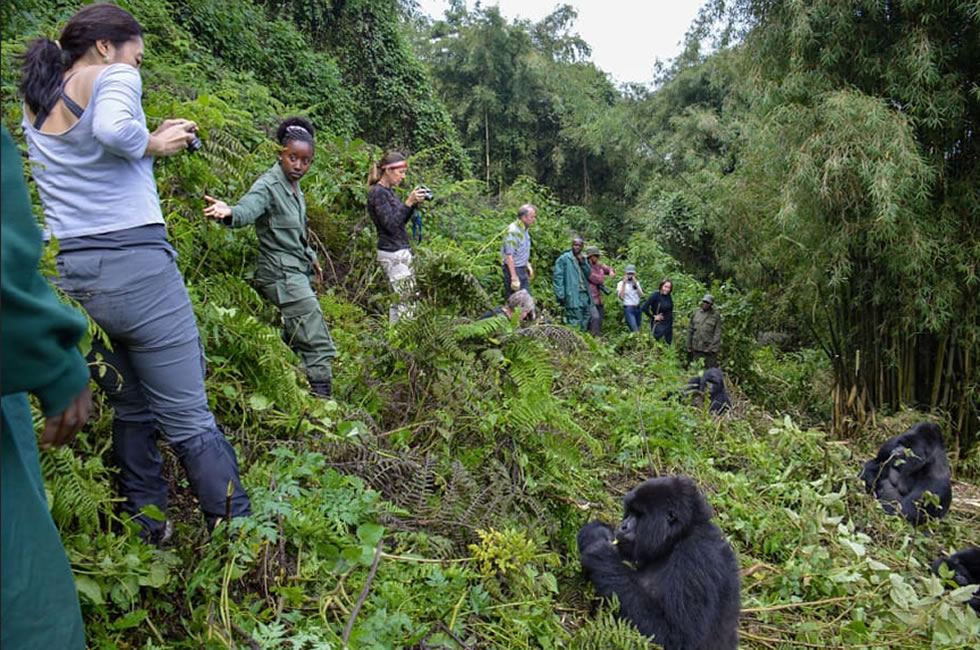
The experience takes place in the natural habitat of endangered mountain gorillas. Unlike animals in a controlled wildlife enclosure, gorillas move freely through extensive forest territories. Their location changes from day to day, making it impossible to guarantee an easy trek or a particular walking distance.
Mountain gorilla trekking is available in Uganda’s Bwindi Impenetrable and Mgahinga Gorilla National Parks and Rwanda’s Volcanoes National Park. Virunga National Park in the Democratic Republic of Congo also protects mountain gorilla habitat, although tourism access must be verified because of serious security-related disruptions.
Each destination offers different landscapes and trekking conditions. Bwindi is famous for its dense rainforest, steep valleys and sometimes slippery trails. Volcanoes National Park features bamboo forests, volcanic slopes and high-altitude environments. Mgahinga offers mountain scenery within the Virunga volcanic landscape.

For most reasonably active travelers, gorilla trekking is achievable with suitable preparation, appropriate clothing and a willingness to walk through uneven terrain. However, visitors should not underestimate the physical demands of the activity.
The trek may involve uphill walking, descending slippery slopes, stepping over roots and navigating vegetation that can be wet or thick. Rainfall can make the forest floor more difficult, even during months that are generally considered relatively dry.

Altitude also affects the experience. Some gorilla trekking areas are located high in the mountains, where visitors may become tired more quickly than they would at lower elevations.
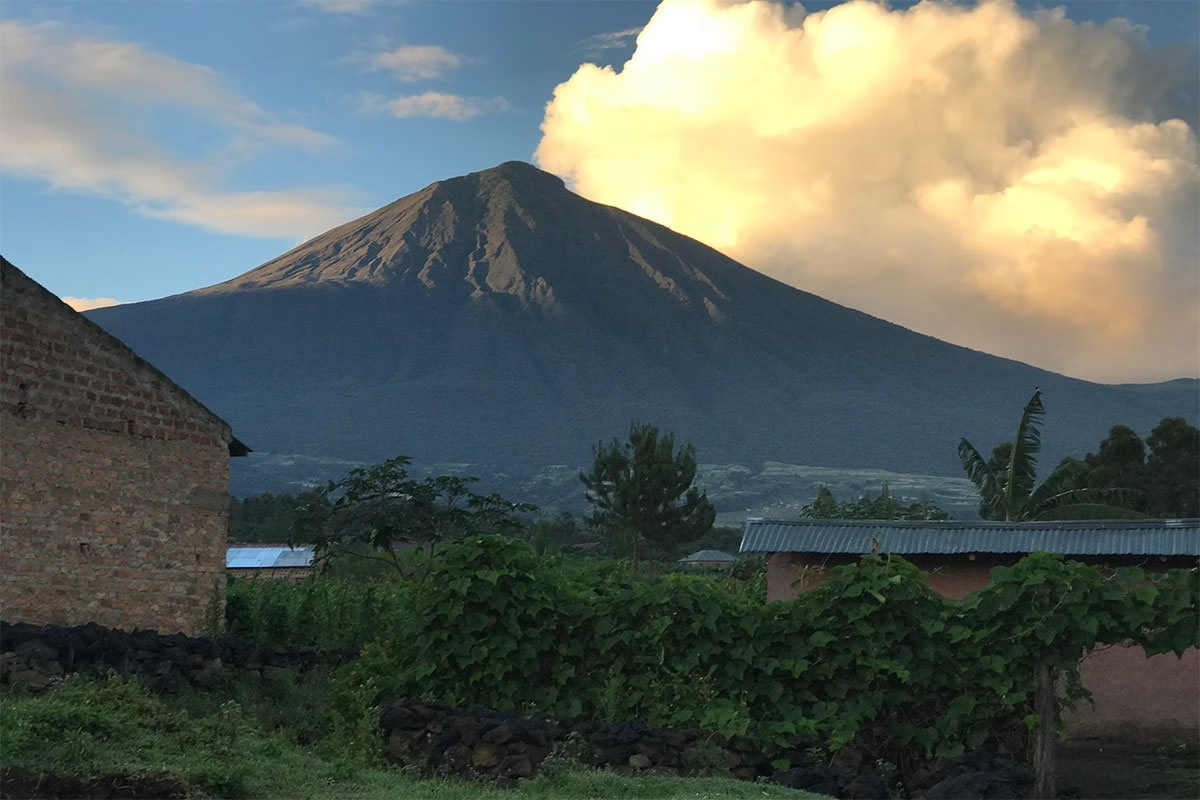
Fortunately, experienced ranger guides supervise the activity, and porter services may be available to assist with carrying bags and navigating difficult sections of the trail.

Travelers with concerns about fitness, age or mobility should discuss their needs before booking. Park authorities may consider physical ability when organizing trekking groups, but shorter or easier routes cannot be guaranteed.
This guide explains the physical demands of gorilla trekking in detail. It compares the main destinations, discusses walking distances and trekking duration, and provides practical advice for preparing for the experience.
Whether you are planning your first gorilla trekking safari or wondering whether you can complete the trek comfortably, understanding the terrain and preparing in advance can make a meaningful difference.
What Makes Gorilla Trekking Difficult?
The difficulty of gorilla trekking comes from the natural environment rather than a fixed hiking route.
Mountain gorillas live in forest habitats where trails may be steep, narrow, muddy or covered with vegetation. Rangers guide visitors toward the gorillas’ location, which can change considerably from one day to another.
Steep Mountain Slopes
Many gorilla trekking areas contain steep hills and valleys. Visitors may need to climb for extended periods before reaching a gorilla family.

Descending can also be challenging, especially when the ground is wet.
Dense Forest Vegetation
Gorilla habitats contain thick vegetation, including shrubs, vines, bamboo and other forest plants.
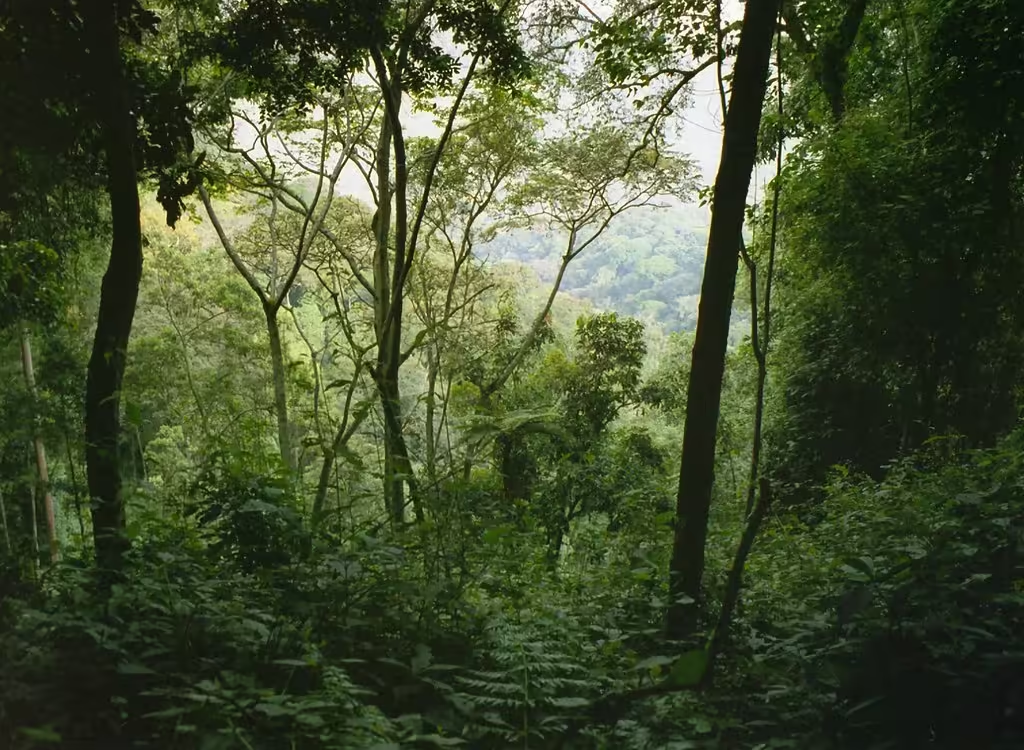
Some sections require careful movement through narrow openings or along trails maintained by ranger teams.
Muddy and Slippery Paths
Rainfall is common in tropical mountain forests.
Wet soil, exposed roots and slippery rocks can make walking more demanding.

Waterproof hiking boots with good grip are particularly important.
Unpredictable Trekking Distance
The gorillas’ location determines how far visitors must walk.
A family may be relatively close to the starting point one day and considerably farther away the next.

For this reason, no operator can honestly guarantee a specific trekking distance.
High Altitude
Some mountain gorilla habitats are situated at elevations where visitors may experience increased fatigue or shortness of breath.

Travelers should walk at a manageable pace and communicate any discomfort to their ranger guide.
Changing Weather
Rain, mist, sunshine and cooler temperatures can occur during the same trekking day.
Weather conditions may influence the difficulty of the forest walk and the amount of time needed to reach the gorillas.
Length of the Activity
Gorilla trekking can occupy much of the day.
Visitors should be prepared for several hours of walking, even though the standard viewing period with the gorillas is normally limited to one hour.

How Fit Do You Need to Be for Gorilla Trekking?
You do not need to be a professional athlete to participate in gorilla trekking. However, a reasonable level of physical fitness is important.
Travelers who regularly walk, hike or participate in moderate exercise are generally better prepared for the demands of the forest.
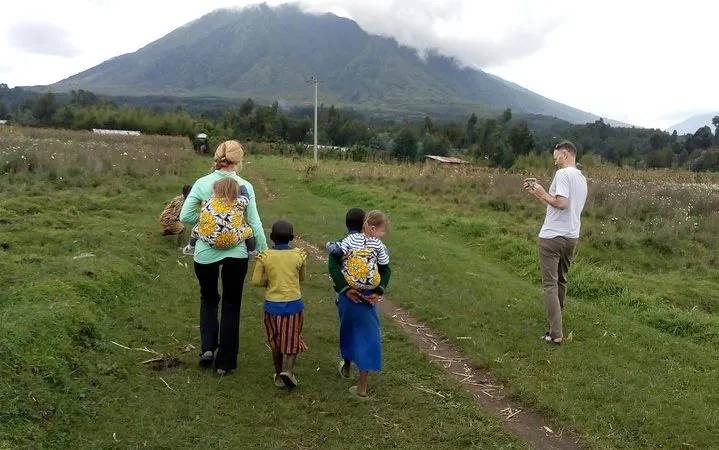
The most useful physical abilities include cardiovascular endurance, leg strength, balance and the capacity to walk on uneven ground.
Cardiovascular Endurance
Walking uphill for an extended period can increase your heart rate and breathing effort.
Regular walking, cycling or swimming before your safari can help improve endurance.
Leg Strength
Strong leg muscles are useful when climbing hills, stepping over roots and descending slopes.

Walking on inclines and climbing stairs can help prepare your muscles.
Balance and Stability
Forest trails are not always smooth or clearly defined.
Balance is important when crossing uneven ground or moving around obstacles.
Walking Stamina
Gorilla trekking may require several hours of continuous activity with rest breaks.

Building your walking stamina gradually can make the experience more comfortable.
Do You Need Previous Hiking Experience?
Previous hiking experience is helpful but not always essential.
First-time hikers can participate if they are suitably prepared and understand the physical demands.
However, travelers with serious mobility limitations or medical concerns should seek professional medical advice and discuss their circumstances with the operator before booking.
Can You Request an Easier Gorilla Trek?
Visitors can inform park officials about their physical abilities and concerns during the briefing.
Where operationally possible, authorities may consider these factors when organizing groups.
However, gorillas move freely, and an easier trek cannot be guaranteed.
How Difficult Is Gorilla Trekking in Rwanda?
Gorilla trekking in Rwanda takes place in Volcanoes National Park, a beautiful protected area in the northwestern part of the country. The park forms part of the Virunga Mountains and contains bamboo forests, volcanic slopes and high-altitude vegetation.

Rwanda is often considered a convenient destination for gorilla trekking because Volcanoes National Park is relatively close to Kigali. The drive from Kigali to the Musanze or Kinigi region usually takes approximately two and a half to three hours, depending on traffic and the exact destination.
However, convenient road access does not necessarily mean that the forest trek will be easy. The gorillas live on mountain slopes, and visitors may need to climb through uneven terrain to reach their assigned family.
Terrain in Volcanoes National Park
Volcanoes National Park contains bamboo forests, montane vegetation and volcanic landscapes. Some trekking routes pass through relatively open bamboo areas, while others involve steep slopes and thick vegetation.

During wet weather, the ground can become slippery. Even during relatively dry periods, visitors should expect some mud and uneven walking conditions.
Does Rwanda Offer Shorter Gorilla Treks?
Some visitors experience relatively short treks in Volcanoes National Park. However, other gorilla families may be located much farther from the starting point.
The actual walking time depends on where the gorillas have moved and the conditions on the day.
Travelers should not book Rwanda gorilla trekking with the expectation that the hike will automatically be easier than in Uganda.
Can Older Travelers Trek Gorillas in Rwanda?
Older travelers can participate when they meet the park’s eligibility requirements and are physically capable of the activity.
Visitors with mobility concerns should discuss their needs with their safari operator before making a reservation.
Porter assistance may be available, and park officials can explain any authorized support arrangements.
How Can You Prepare for Rwanda Gorilla Trekking?
Walking regularly before your safari is a useful starting point. Include hills or stairs when possible to prepare for uphill sections.
Bring waterproof hiking boots, long trousers, a rain jacket and sufficient drinking water.
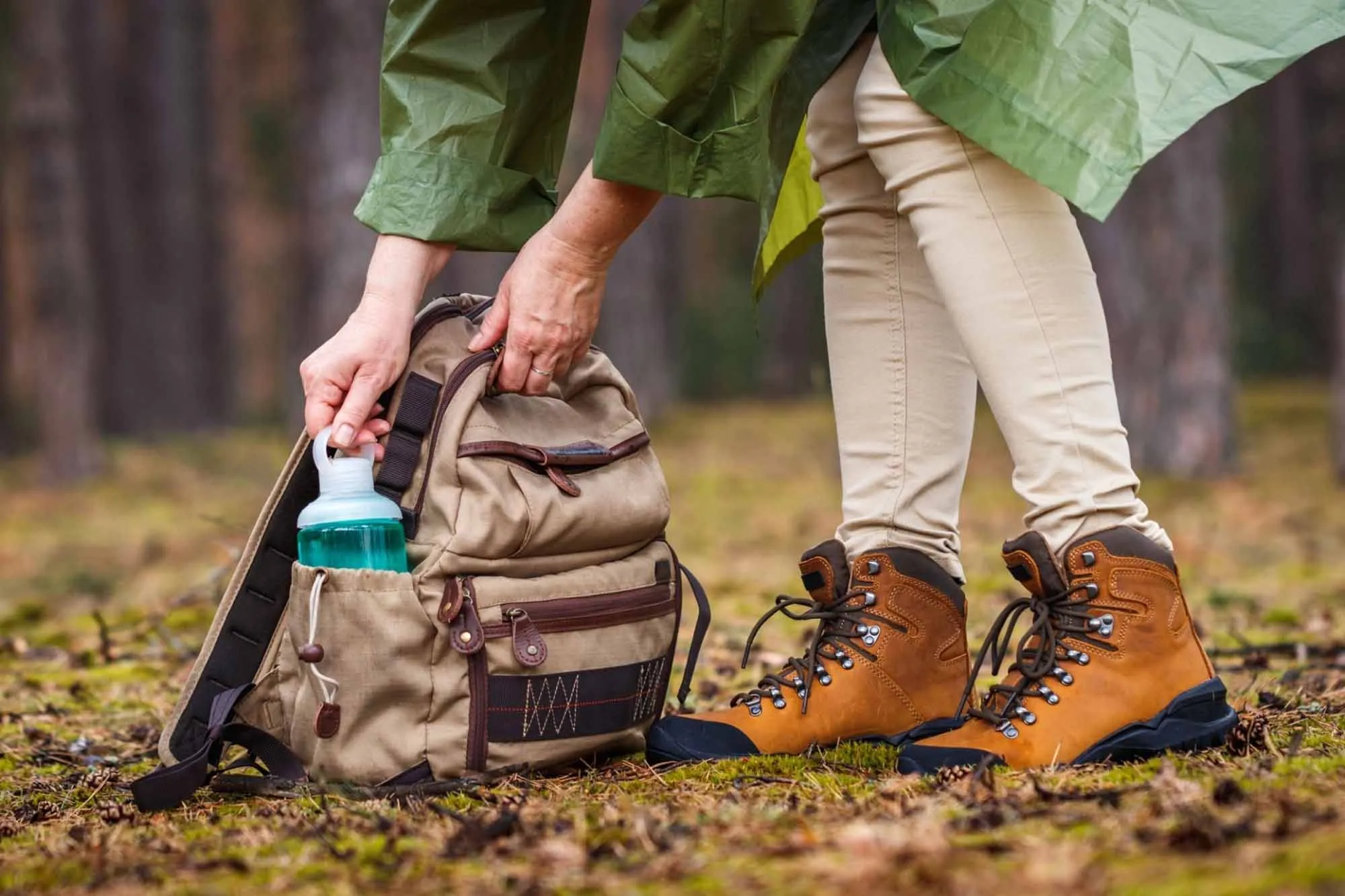
Allow time to rest before trekking, particularly if you have traveled a long distance to reach Rwanda.
Is Rwanda Suitable for First-Time Gorilla Trekkers?
Yes. Rwanda is a popular choice for first-time visitors because of its relatively convenient access from Kigali and its established tourism infrastructure.
However, first-time trekkers should still prepare for potentially demanding forest conditions.
How Difficult Is Gorilla Trekking in Uganda?
Uganda offers mountain gorilla trekking in two protected areas: Bwindi Impenetrable National Park and Mgahinga Gorilla National Park.
Both parks provide remarkable wildlife experiences, but their landscapes and trekking conditions differ.
How Difficult Is Gorilla Trekking in Bwindi Impenetrable National Park?
Bwindi is famous for its dense rainforest, steep hills and deep valleys. The park’s rugged landscape can make gorilla trekking physically demanding, especially when gorilla families move into areas far from the established starting points.
Visitors may encounter muddy paths, tangled vegetation, slippery roots and substantial elevation changes.
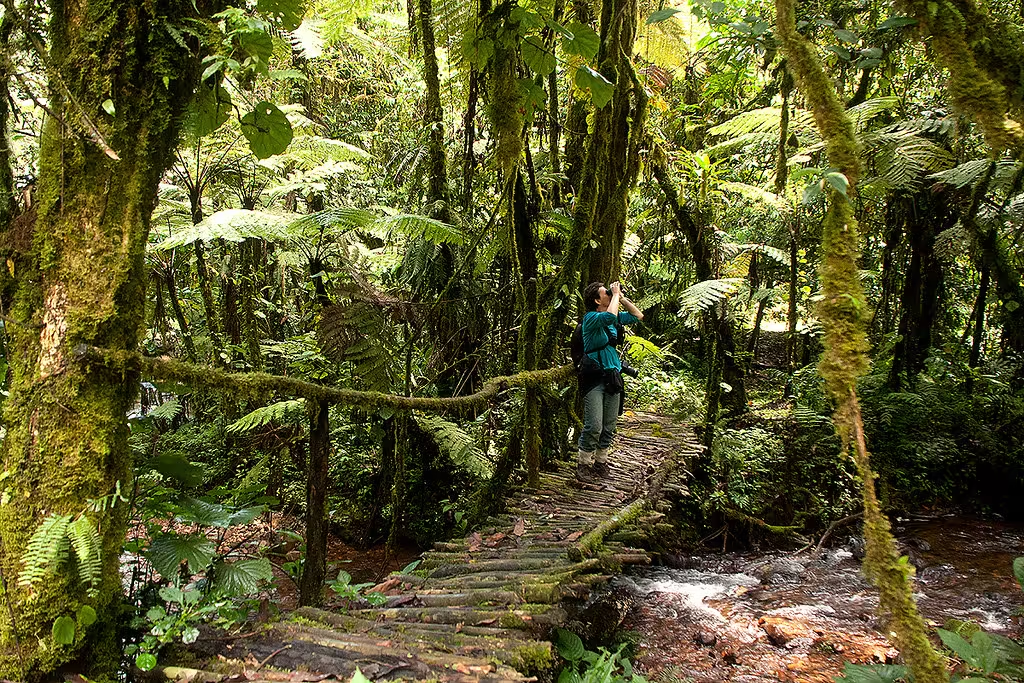
However, not every trek in Bwindi is difficult. Some visitors reach the gorillas after a shorter walk, while others spend several hours hiking through the forest.
The difficulty depends on the assigned gorilla family and its location on the day.
Buhoma Gorilla Trekking Difficulty
Buhoma is situated in northern Bwindi and is one of the park’s best-established tourism areas.
Its trekking routes vary in difficulty. Some sections may be relatively manageable, while others involve steep climbs and challenging forest conditions.
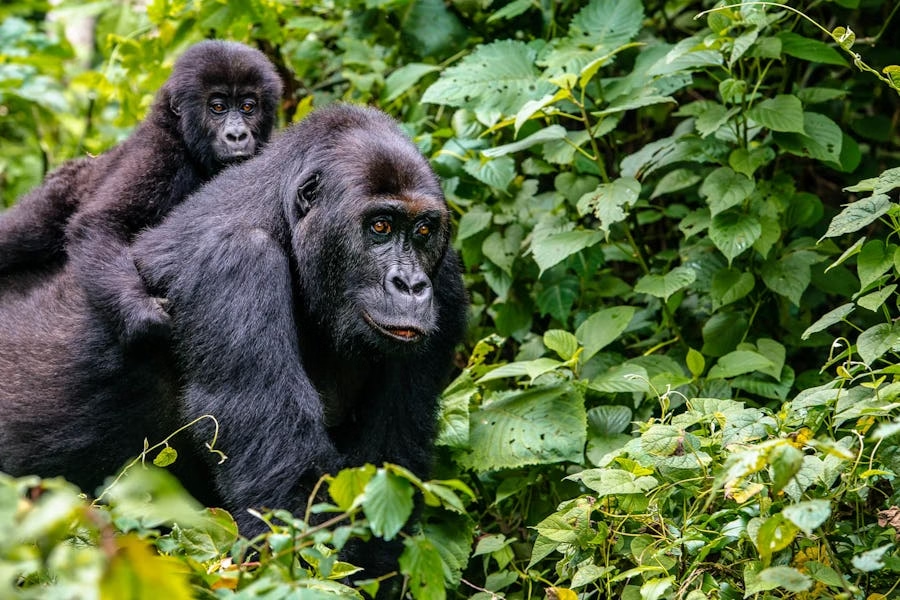
Buhoma should not be described as consistently easy because gorilla movements are unpredictable.
Ruhija Gorilla Trekking Difficulty
Ruhija lies in the eastern part of Bwindi and is known for its elevated landscape and beautiful forest scenery.
Treks can involve steep slopes, cooler conditions and substantial walking distances.

Visitors should prepare for uneven trails and potentially slippery terrain.
Rushaga Gorilla Trekking Difficulty
Rushaga is located in southern Bwindi and offers standard gorilla trekking as well as the specialized gorilla habituation experience.
The terrain includes forested hills and valleys. Some trekking routes are demanding, particularly after heavy rainfall.
Because the gorillas move freely, the duration and difficulty cannot be predicted precisely.
Nkuringo Gorilla Trekking Difficulty
Nkuringo is known for its spectacular mountain scenery and steep terrain.
Some routes involve significant descents and climbs, making the experience physically demanding.
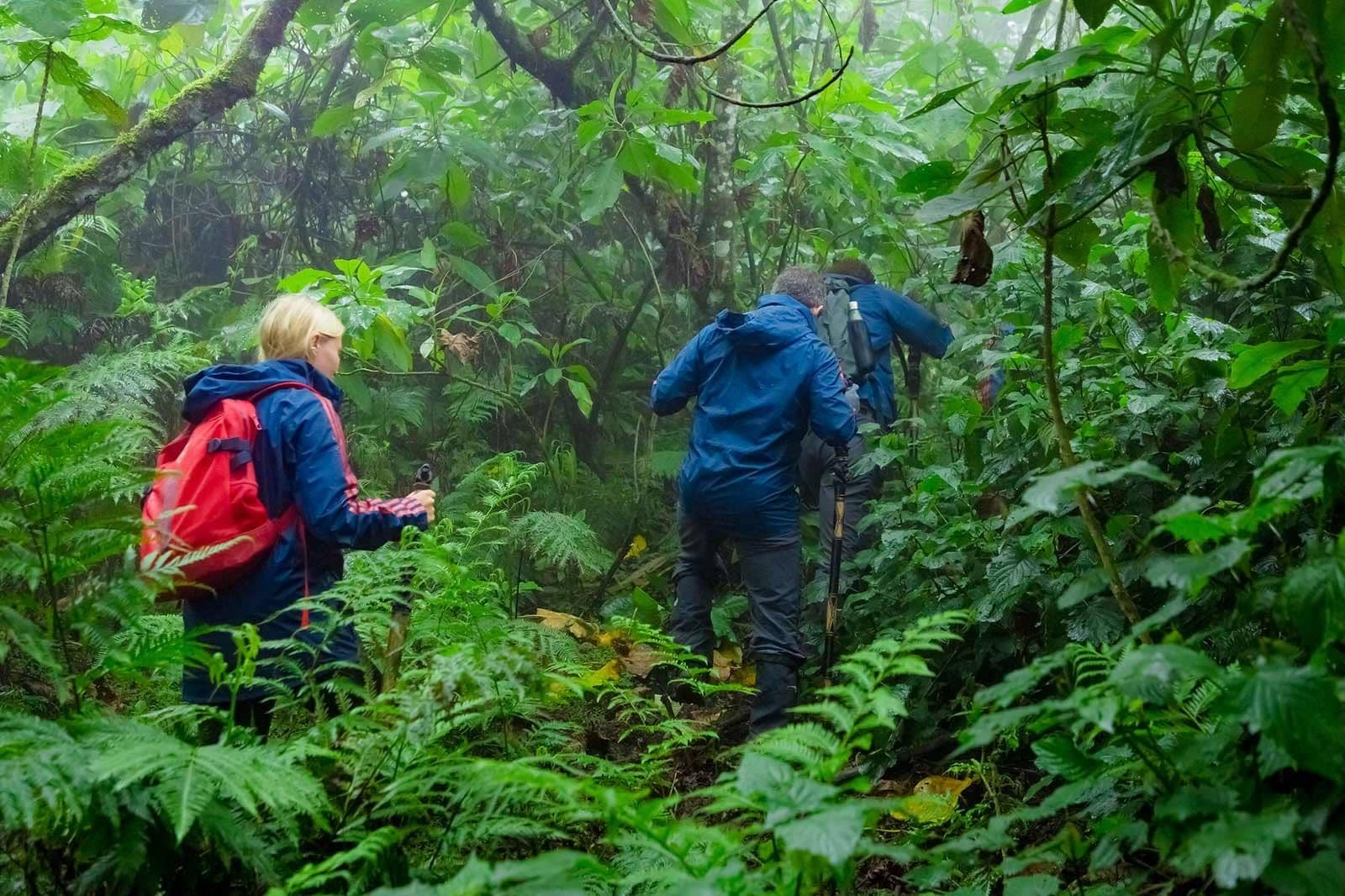
Travelers interested in trekking in Nkuringo should prepare for uphill walking and consider their fitness level carefully.
How Difficult Is Gorilla Trekking in Mgahinga?
Mgahinga Gorilla National Park lies within the Virunga volcanic landscape near Kisoro.
The park features mountain slopes, bamboo vegetation and high-altitude environments.

Treks can range from manageable to demanding, depending on the gorillas’ location and the route taken.
The volcanic scenery makes Mgahinga especially attractive to travelers interested in mountain landscapes and primate experiences.
Which Bwindi Sector Is Easiest?
There is no Bwindi sector that can be guaranteed to provide the easiest gorilla trek every day.
Terrain differs across sectors, but the actual difficulty depends heavily on the assigned gorilla family’s location.
Visitors with fitness concerns should communicate their needs before booking and again during the park briefing.
How Difficult Is Gorilla Trekking in Congo?
Virunga National Park in the Democratic Republic of Congo protects mountain gorilla habitat within a dramatic volcanic landscape.
Historically, gorilla trekking in Virunga involved guided forest walks through mountain vegetation and uneven terrain.

As in Rwanda and Uganda, the physical demands depended on the gorillas’ location, weather conditions and the route selected by park personnel.
Mountain Terrain in Virunga
The Virunga region contains volcanic slopes, forests and high-altitude habitats. Hiking can involve steep ground, dense vegetation and slippery sections.
Visitors would need suitable physical fitness and appropriate trekking equipment for any authorized activity.
Is Congo Gorilla Trekking Currently Available?
Serious security challenges have disrupted tourism operations in eastern Congo.
Travelers must not assume that Virunga gorilla trekking is currently open or that park access is safe.
Any proposed visit requires direct confirmation from authorized park management and consideration of current government travel advisories.
Should You Choose Congo for an Easier Trek?
No destination should be selected solely on the assumption that its gorilla trekking routes are easier.
For Congo, authorized access and security conditions are essential considerations before physical difficulty is even assessed.
Travelers seeking established gorilla trekking alternatives can consider Rwanda and Uganda.
How Long Does Gorilla Trekking Take?
The duration of gorilla trekking varies considerably from one day to another.
The complete activity includes the park briefing, travel to the starting point where applicable, walking through the forest, observing the gorillas and returning from the trek.
Short Gorilla Treks
Some groups locate their assigned gorilla family after a relatively short forest walk.
These experiences can be more manageable for travelers with moderate fitness, but they cannot be promised in advance.
Moderate Gorilla Treks
Other groups may spend several hours walking through the forest before finding the gorillas.
The route may involve uphill sections, muddy paths and periods of slower movement through dense vegetation.
Long and Demanding Gorilla Treks
When gorillas move farther into the forest, trekking can occupy much of the day.
Visitors may face extended uphill walking and more challenging terrain.
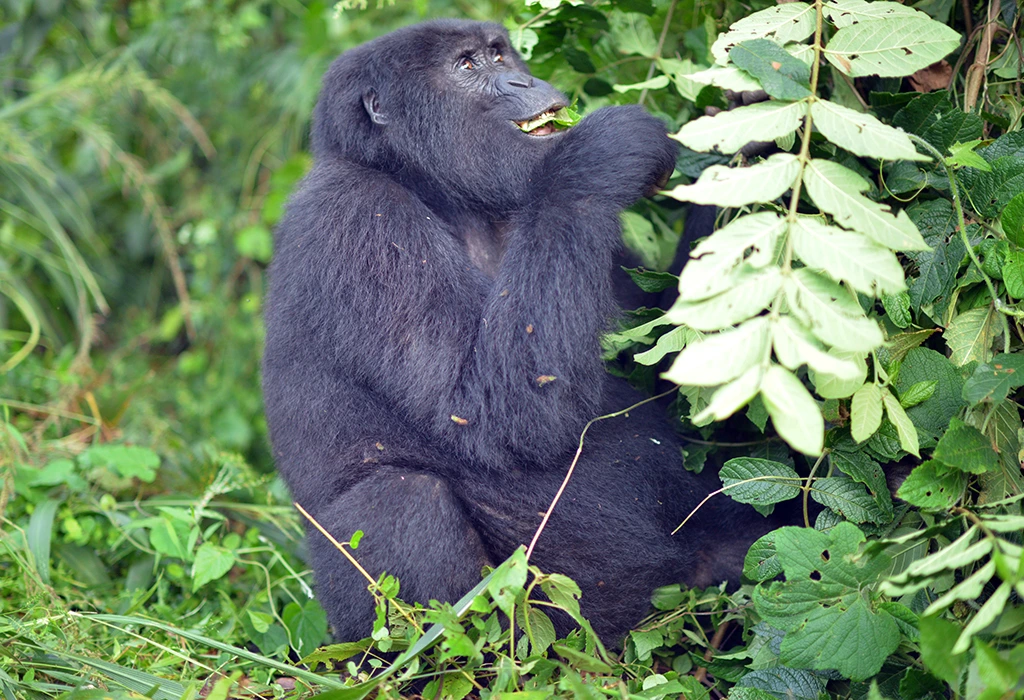
This is why travelers should prepare for a demanding activity even when they hope for a shorter encounter.
Does the One-Hour Gorilla Viewing Period Include Hiking?
No. The standard one-hour viewing period begins after the gorilla family has been located and visitors are permitted to observe it.
Walking time before and after the encounter is separate.
Can Rangers Predict How Long a Trek Will Take?
Trackers use their knowledge of gorilla movements to estimate the family’s location.
However, gorillas can move, and estimates may change during the trek.
No precise walking duration can be guaranteed.
How Far Do You Walk During Gorilla Trekking?
There is no fixed walking distance for mountain gorilla trekking.
Unlike a marked hiking trail with a predetermined destination, the route depends on where the gorillas are found.
Some visitors walk a relatively short distance, while others cover several kilometers through challenging forest terrain.
Why Does Walking Distance Change?
Mountain gorillas move through their habitat in search of food and suitable resting areas.

Trackers monitor their movements, but the animals are not restricted to a fixed viewing location.
Consequently, the distance to a family can change between consecutive trekking days.
Does a Shorter Distance Mean an Easier Trek?
Not necessarily. A short route with steep slopes or slippery ground can be more difficult than a longer walk on gentler terrain.
Altitude, weather and vegetation also influence the physical effort required.
How Can You Manage a Longer Trek?
Walk at a sustainable pace, stay hydrated and communicate with your ranger guide if you need assistance.
Hiring a porter can reduce the effort of carrying a backpack.

Good hiking boots and regular physical preparation are particularly helpful.
Gorilla Trekking Terrain and Weather Conditions
Walking Through Dense Rainforest
Bwindi Impenetrable National Park is particularly well known for its thick vegetation. Its forests contain numerous tree species, shrubs and climbing plants.
During some treks, visitors must carefully navigate narrow paths or sections of vegetation opened by ranger teams.
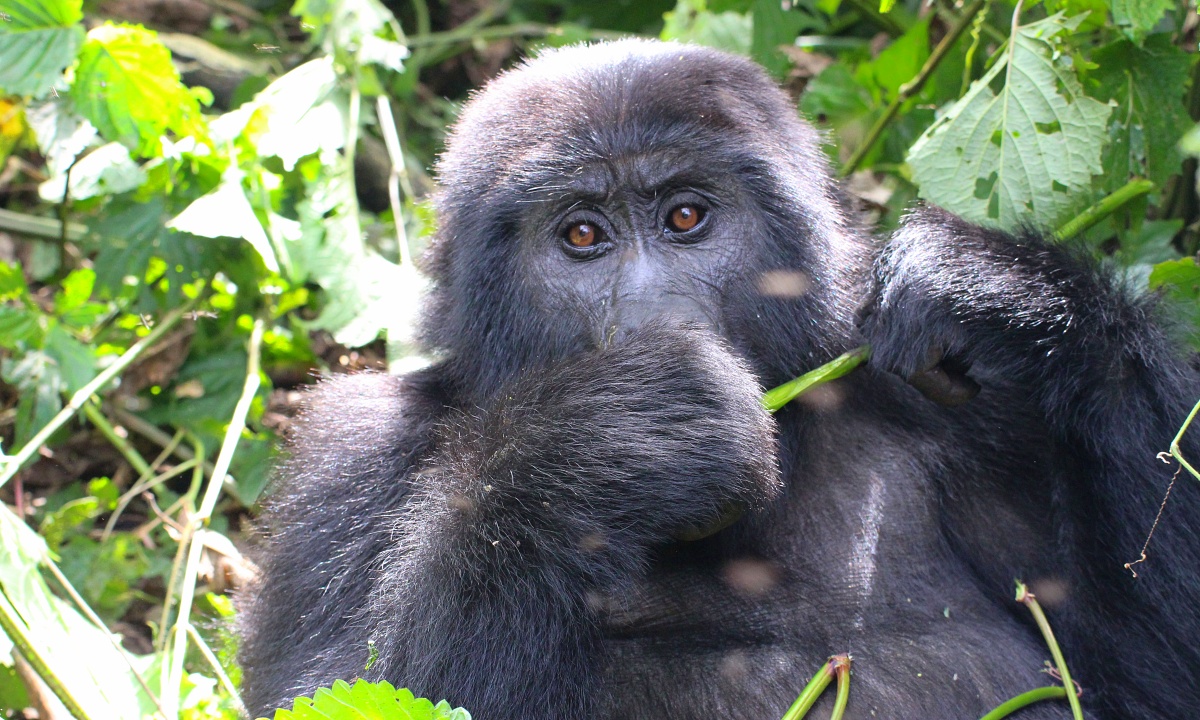
Long sleeves and trousers help protect against minor scratches and contact with plants.
Climbing Mountain Slopes
Gorilla families may be located on hillsides or in valleys. Reaching them can require prolonged uphill walking.
Climbing places additional demands on the legs and cardiovascular system, especially at higher elevations.
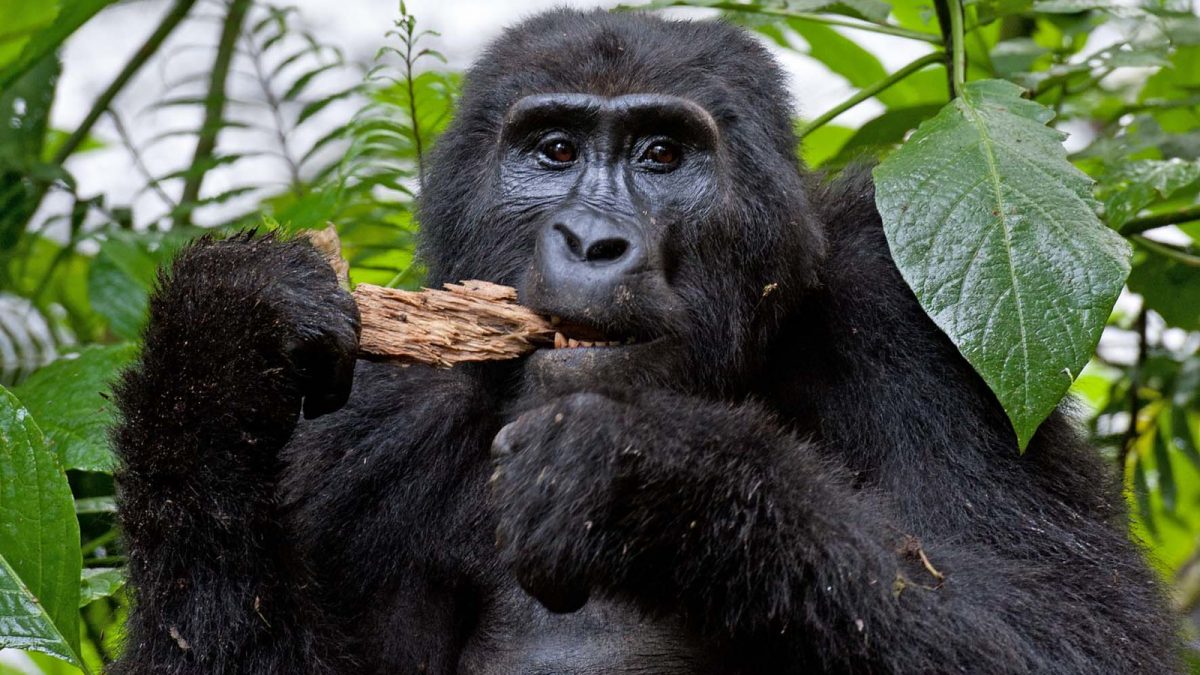
Regular hill walking before your safari can help prepare you for these conditions.
Descending Slippery Trails
Descending can be just as demanding as climbing. Wet ground and loose soil increase the risk of slipping.
Walk carefully, avoid rushing and follow the route selected by your ranger guide.
Rainfall and Mud
Rain is possible throughout the year in tropical mountain forests.
Even during relatively dry periods, shaded trails may remain damp.
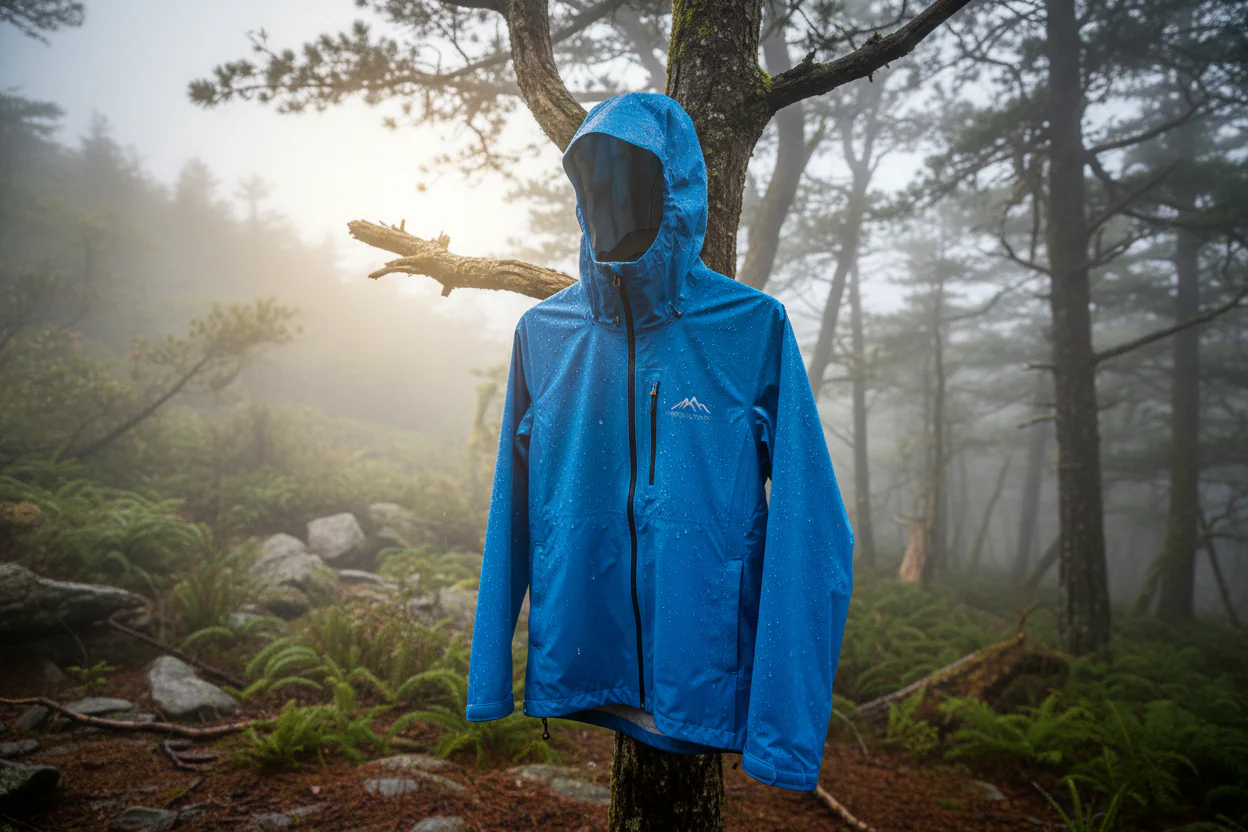
Waterproof hiking boots with good traction are more useful than ordinary trainers.
High-Altitude Conditions
Some gorilla trekking areas are located at elevations where visitors may feel more tired than usual.
Altitude can affect breathing and physical performance, particularly for travelers arriving from low-elevation regions.
Allow time to acclimatize where practical and seek medical advice if you have relevant health concerns.
Temperature Changes
Mountain forests can be cool during the morning, especially at higher elevations.
Temperatures may rise as the day progresses, while rain or mist can make conditions feel cooler again.
Lightweight layers help you adjust to changing conditions.
Why Weather Forecasts Cannot Guarantee Easy Trekking
A forecast showing limited rainfall does not mean the forest trails will be dry.
Ground conditions depend on previous rainfall, shade, vegetation and the specific route.
Always prepare for wet conditions, regardless of the season.
Is Gorilla Trekking Difficult for Older Travelers and People With Mobility Concerns?
Gorilla trekking attracts visitors from many age groups, including older travelers who have dreamed of seeing mountain gorillas for years.
Age alone does not determine whether someone can complete the activity. Physical condition, mobility, balance and general health are more important considerations.
However, the minimum age for standard mountain gorilla trekking in Rwanda and Uganda is 15 years.
Can Seniors Go Gorilla Trekking?
Yes. Many older travelers participate successfully in gorilla trekking when they are sufficiently fit and appropriately prepared.
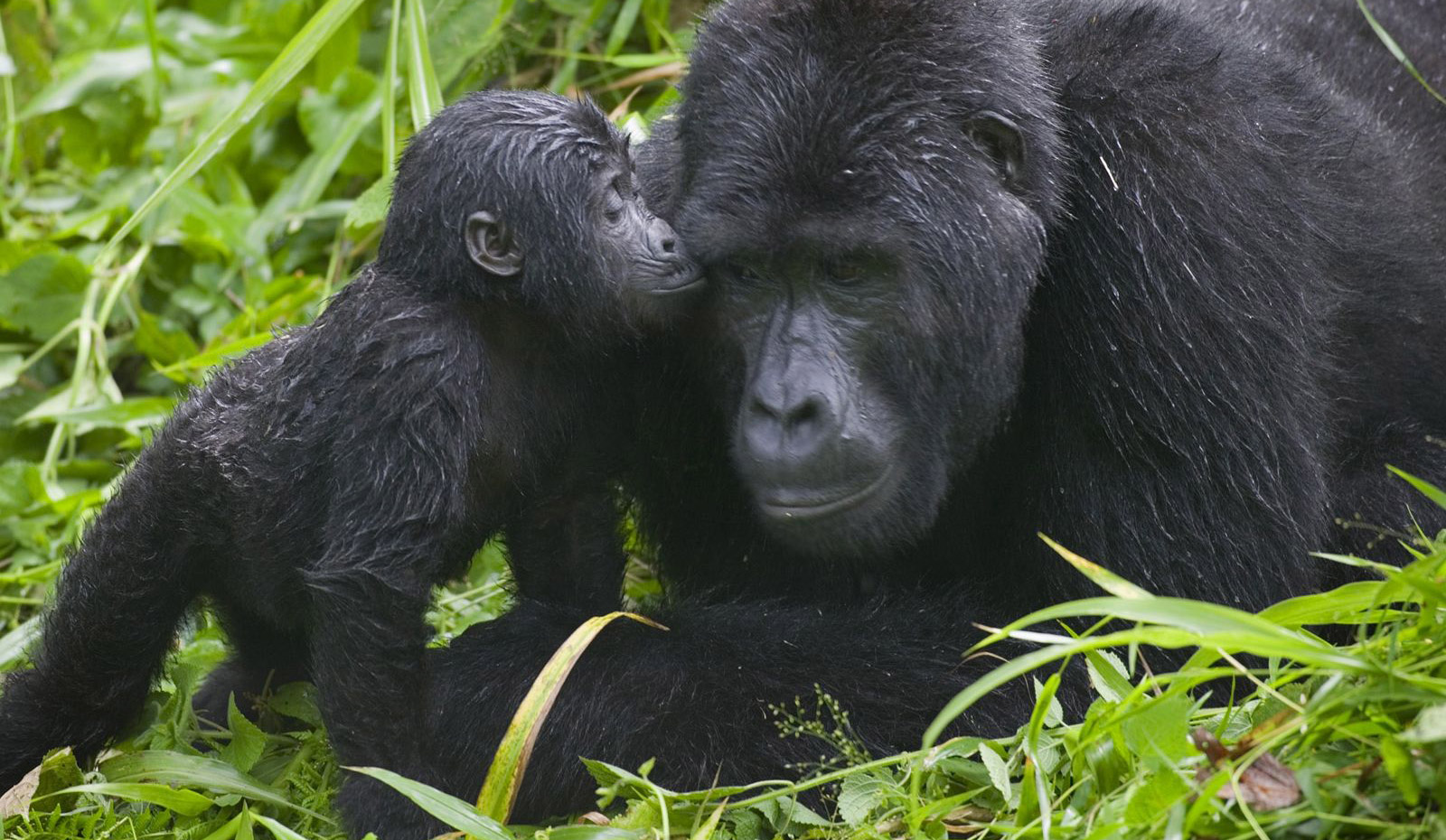
Regular walking, comfortable hiking equipment and realistic expectations can help.
Travelers with significant medical conditions should consult their healthcare professional before booking.
What if You Have Knee Problems?
Steep descents and uneven ground can place pressure on the knees.
Visitors with knee problems should seek medical advice and discuss their limitations with the safari operator.
Walking poles may be useful when permitted, but they do not eliminate the challenges of difficult terrain.
Can People With Limited Mobility See Mountain Gorillas?
Some trekking destinations may offer authorized assisted-carrying arrangements for visitors with mobility limitations.
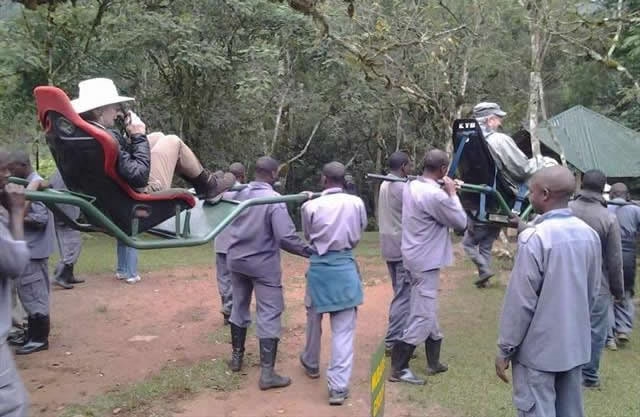
Availability, suitability, staffing and cost must be confirmed with the relevant park authority before booking.
These arrangements should not be assumed to be available at every location or on every date.
Can You Request a Less Demanding Trek?
Visitors can explain their physical limitations to park officials.
Authorities may consider individual circumstances when allocating trekking groups, subject to operational conditions.
However, no operator can guarantee that a gorilla family will remain close to the starting point.
What if You Become Tired During the Trek?
Inform your ranger guide as soon as you begin experiencing difficulty.
The guide can assess the situation and explain what assistance or rest is appropriate.
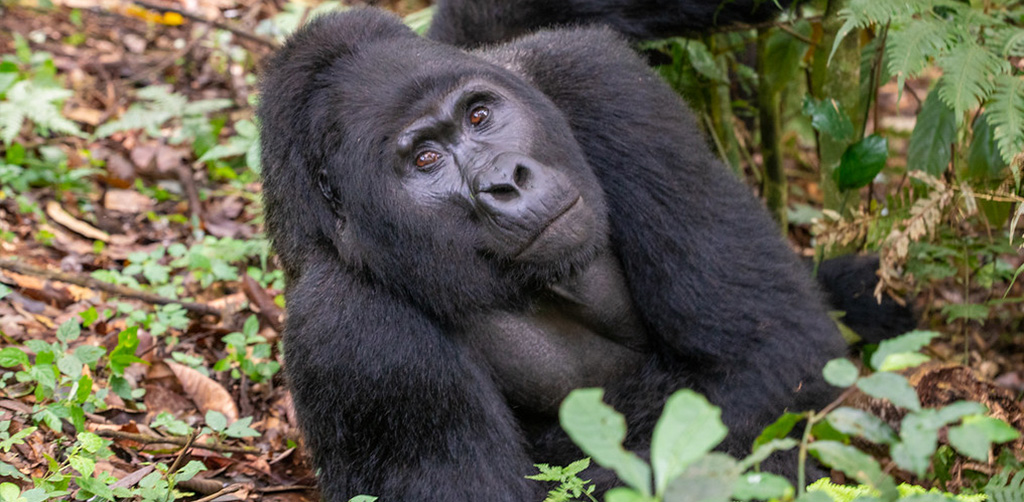
Do not push yourself beyond your physical limits to keep up with other visitors.
What if You Cannot Complete the Trek?
Participation and any decision to stop the activity are governed by park procedures and the judgment of the authorized guides.
Refund eligibility depends on the relevant authority’s policies and should not be assumed.
Travelers with concerns should discuss these possibilities before purchasing a non-refundable permit.
How to Prepare Physically for Gorilla Trekking
Preparing for gorilla trekking does not require extreme training. The goal is to improve your ability to walk comfortably for several hours on uneven terrain.
Beginning several weeks before your safari can make the experience more enjoyable.
Start With Regular Walking
Walking is one of the most useful forms of preparation because it closely resembles the activity you will undertake during the trek.
Begin with distances you can comfortably manage and increase them gradually.
Consistency is more important than attempting an unusually long walk shortly before departure.
Include Hills and Stairs
Mountain gorilla habitats often involve uphill and downhill walking.
Adding gentle hills or stair climbing to your exercise routine can help strengthen your legs.
Increase the difficulty gradually and avoid overexertion.
Improve Cardiovascular Fitness
Moderate aerobic activities such as brisk walking, swimming or cycling can help improve endurance.
Choose activities appropriate for your health and current fitness level.
Practice Walking on Uneven Ground
Where safe, practice walking on natural trails rather than only smooth pavement.
This helps develop balance and confidence on varied surfaces.
Strengthen Your Legs
Simple exercises such as controlled step-ups and other suitable leg-strengthening movements may help with climbing.
Travelers with existing joint problems should obtain appropriate professional guidance before beginning a new exercise routine.
Break In Your Hiking Boots
Do not wait until trekking day to wear new boots for the first time.
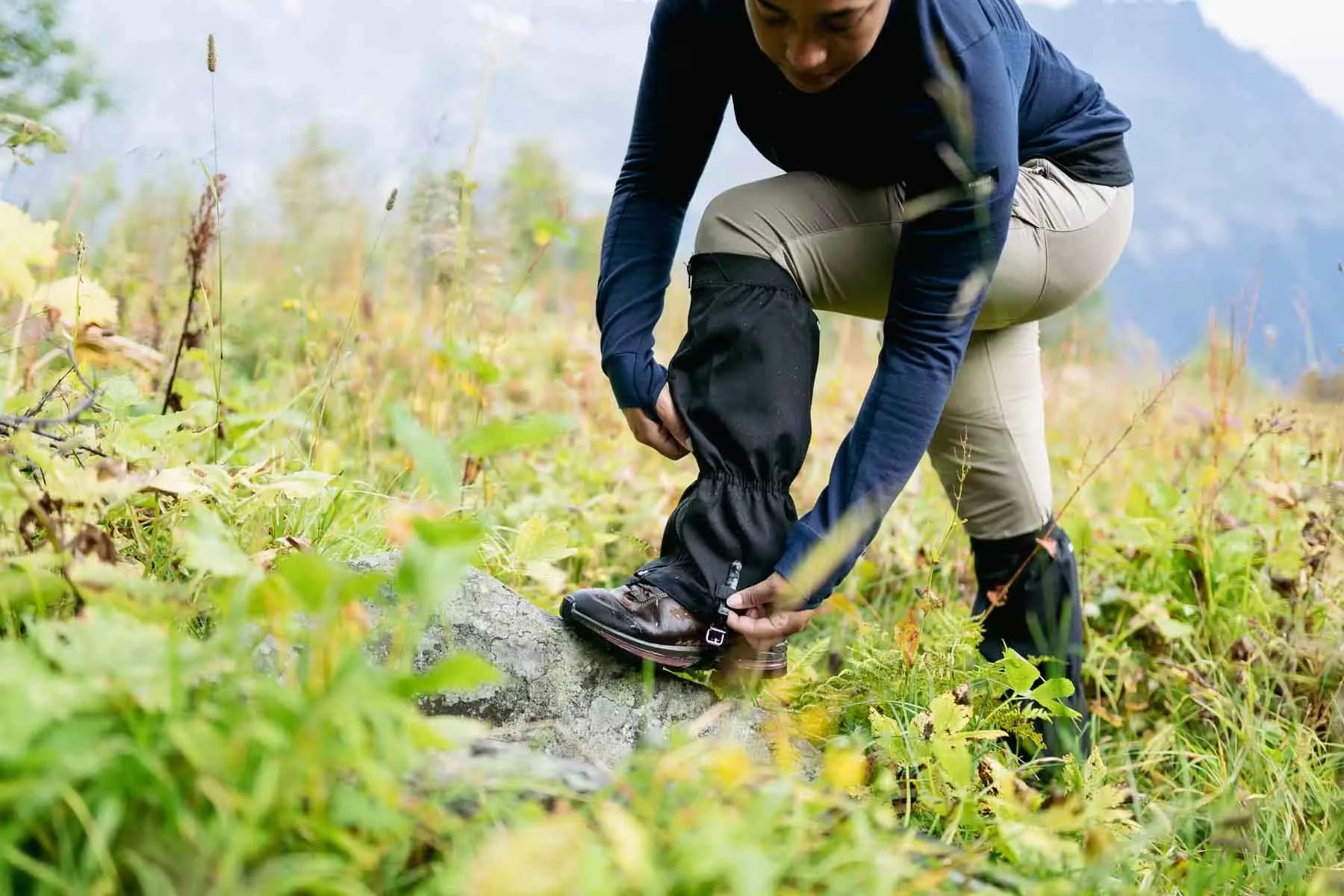
Use them during practice walks to identify discomfort and reduce the risk of blisters.
Prepare for Carrying a Small Backpack
Practice walking with a light backpack containing water and other essentials.
However, you may prefer to hire a porter during the actual trek to reduce fatigue.
Rest Before Your Trekking Day
Try to avoid arriving at the park after an exhausting travel schedule.
Staying near the trekking region the night before allows a more relaxed start.
Stay Hydrated
Drink sufficient water during your preparation and carry water on trekking day.
Dehydration can make physical activity more uncomfortable.
Discuss Medical Concerns Before Booking
Travelers with heart, lung, mobility or other significant medical concerns should seek individualized advice from a qualified healthcare professional.
Be realistic about your abilities and inform the operator of any assistance you may need.
Best Clothing and Equipment for Difficult Gorilla Trekking Conditions
Suitable equipment can make a significant difference to comfort and stability during a gorilla trek.
Waterproof Hiking Boots
Choose sturdy boots with reliable grip and comfortable support.
They should be suitable for wet ground, exposed roots and uneven forest paths.
Long Hiking Trousers
Long trousers protect your legs from vegetation, insects and minor scratches.
Comfortable, quick-drying materials are useful in humid conditions.
Long-Sleeved Shirt
A lightweight long-sleeved shirt provides protection while allowing comfortable movement.
Waterproof Rain Jacket
Carry a rain jacket even when trekking during a relatively dry month.

Rain can begin unexpectedly in mountain forests.
Gardening Gloves
Gloves can protect your hands when holding vegetation or supporting yourself on uneven ground.
Small Daypack
A lightweight daypack is useful for water, rain protection, snacks and personal items.
A porter can help carry the bag where authorized services are available.
Drinking Water and Suitable Snacks
Bring enough water for a potentially long trek.
Food must be consumed only where permitted by park personnel and never near the gorillas.
Camera Without Flash
Bring a camera suitable for shaded forest conditions and disable the flash.
Do not allow photography to distract you from ranger instructions.
Walking Stick
A suitable walking stick may help with balance on muddy slopes.
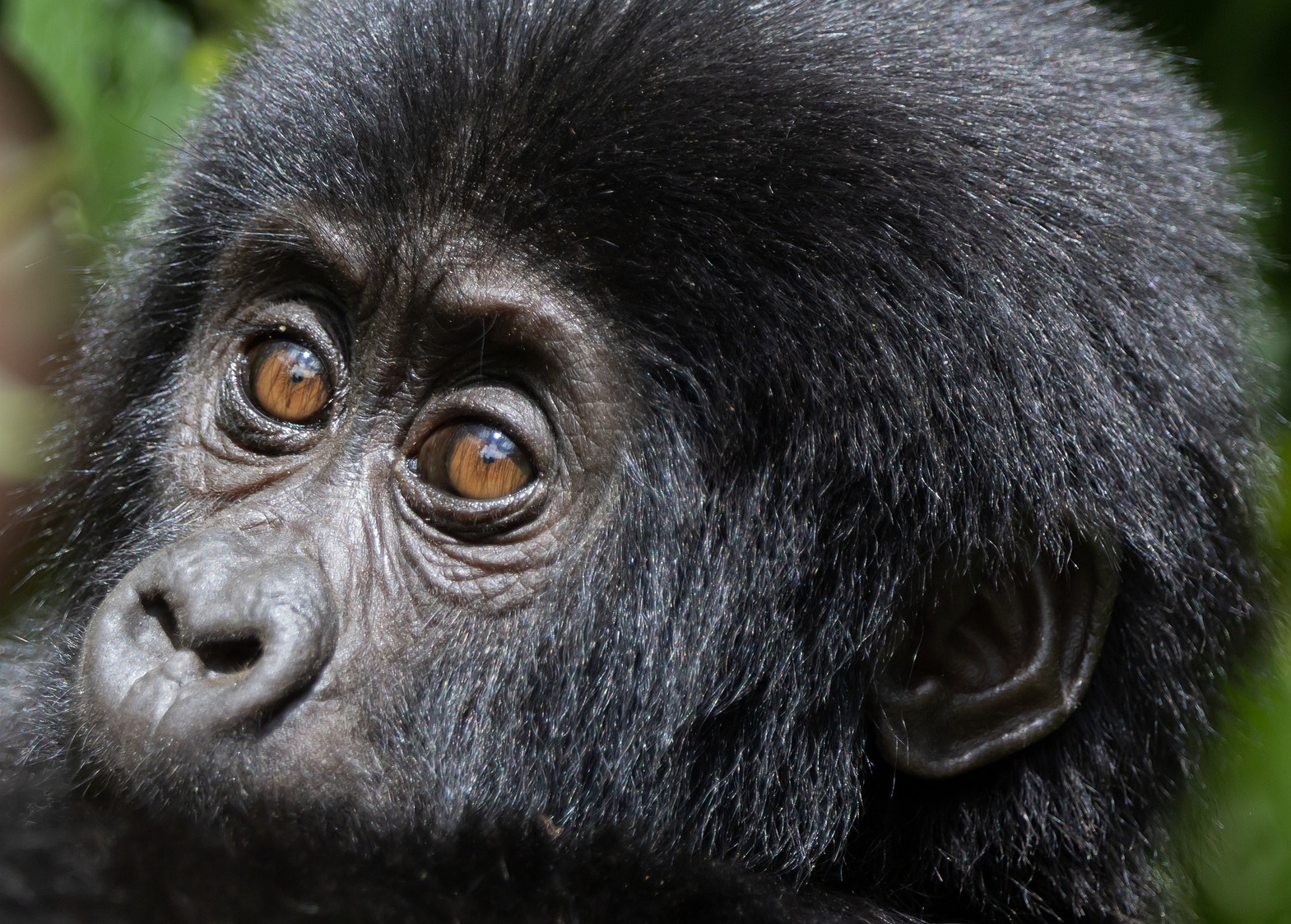
Check the park’s rules regarding trekking poles or walking sticks.
Personal Medication
Carry essential medication and any items recommended by your healthcare professional.
Inform the operator of relevant health needs before the activity.
How Porters Make Gorilla Trekking Easier
Hiring a porter is one of the most practical ways to reduce the physical effort involved in gorilla trekking.
Porters may be available at designated trekking starting points in Rwanda and Uganda. Their services can include carrying backpacks and assisting visitors over difficult sections of terrain.
What Does a Gorilla Trekking Porter Do?
A porter normally helps carry your daypack, including drinking water, rain protection and other essential items.
Depending on the terrain and local arrangements, a porter may also help you maintain balance on steep or slippery sections.

This allows you to focus more comfortably on walking through the forest.
Do You Need a Porter if You Are Fit?
Even physically fit travelers can benefit from porter services.
Mountain trekking can become tiring, especially when the gorillas are far from the starting point.
Carrying less weight can make uphill walking more manageable.
Are Porters Available in Every Park?
Porter availability and operating procedures differ between trekking destinations.
Ask your safari operator to confirm current arrangements at your chosen park and briefing point.
How Much Does a Porter Cost?
Porter charges vary by destination and local arrangements.
Confirm the current fee before trekking rather than relying on outdated online estimates.
How Does Hiring a Porter Support Communities?
Porter services can provide income opportunities for people living near gorilla habitats.
Using authorized local services is one way visitors can contribute directly to communities associated with conservation tourism.
What About Assisted-Carrying Services?
Some locations may offer specialized assisted-carrying arrangements for visitors with mobility limitations.
These services require advance confirmation and may involve additional charges.
Travelers should discuss their needs before booking rather than assuming that assistance will be available on arrival.
Which Country Offers the Easiest Gorilla Trekking?
Many travelers ask whether gorilla trekking is easier in Rwanda or Uganda.
The answer is not straightforward because trekking difficulty depends on the gorilla family’s location and the specific terrain encountered.
Is Rwanda Gorilla Trekking Easier Than Uganda?
Rwanda is often more convenient for travelers with limited time because Volcanoes National Park is relatively close to Kigali.
However, the forest trek itself may involve steep volcanic slopes and high-altitude walking.
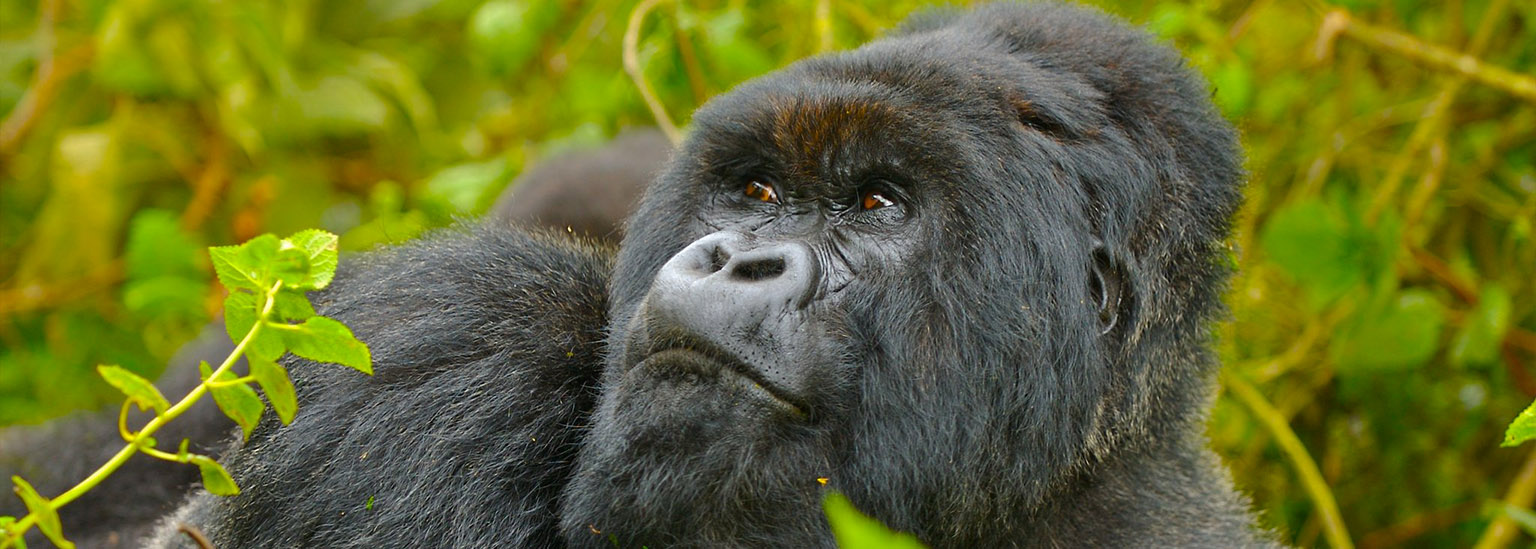
Therefore, Rwanda cannot be guaranteed to provide an easier physical trek.
Is Bwindi More Difficult Than Volcanoes National Park?
Bwindi is known for its dense vegetation and rugged hills, while Volcanoes National Park features volcanic slopes and mountain forests.
Both can provide physically demanding experiences.
Some treks in Bwindi may be relatively manageable, just as some treks in Rwanda may be difficult.
Does Mgahinga Offer Easier Gorilla Trekking?
Mgahinga’s volcanic landscape provides a different environment from Bwindi, but its trekking routes can also involve steep slopes and high elevations.
No particular difficulty level should be assumed without current information from park officials.
Which Destination Is Best for Travelers With Limited Fitness?
The most suitable destination depends on individual health, mobility and travel preferences.
Travelers should discuss their needs with an experienced operator and ask about authorized assistance arrangements.
Park officials may consider physical abilities when organizing trekking groups, but they cannot guarantee the location of wild gorillas.
Should You Choose a Destination Based Only on Difficulty?
No. Consider permit costs, accommodation, travel time, park access and the additional activities you want to enjoy.
For example, Rwanda may suit travelers planning a short holiday from Kigali, while Uganda offers opportunities to combine gorilla trekking with chimpanzees and savannah wildlife.
The best safari balances physical comfort with the complete travel experience.
What Happens on Gorilla Trekking Day?
Understanding the sequence of events can help visitors prepare for the physical demands of trekking.
Early Morning Preparation
Your safari guide will normally arrange an early transfer from your accommodation to the designated briefing point.
Eat breakfast, wear suitable hiking clothing and carry the items needed for the day.
Registration and Park Briefing
Park officials explain the regulations and organize trekking groups according to current procedures.
Visitors should communicate relevant mobility or health concerns during this stage.
Travel to the Starting Point
Depending on the park and the assigned gorilla family, visitors may travel by vehicle to a designated trailhead.
The ranger guide then leads the group into the forest.
Walking Toward the Gorillas
The group follows the ranger’s instructions while trackers help locate the assigned gorilla family.
The walking pace may vary according to terrain, group circumstances and the gorillas’ movements.
Rest Breaks
Guides may allow rest breaks when appropriate.
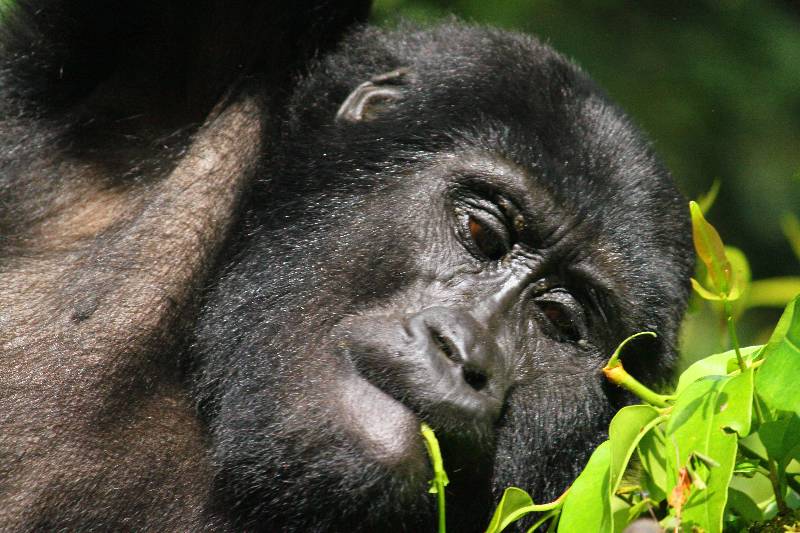
Inform the ranger if you experience unusual fatigue, dizziness or difficulty walking.
Approaching the Gorilla Family
Once the gorillas are located, the ranger explains the viewing procedures.
Visitors must follow the required distance and health regulations.
One Hour With the Gorillas
Standard trekking normally allows up to one hour of observation after the family has been located.
Visitors can watch the gorillas feeding, resting and interacting while remaining under ranger supervision.
Returning Through the Forest
After the viewing period, the group returns toward the starting point.

The return walk may still be demanding, especially when the route involves climbing out of a valley.
Returning to Your Accommodation
Your safari guide will normally transfer you back to the lodge or continue with the next activity in your itinerary.
Allow time to rest after a strenuous trek.
Health and Safety Tips for Gorilla Trekking
Gorilla trekking is organized under strict conservation and visitor regulations.
Following these rules is essential for both your safety and the protection of endangered mountain gorillas.
Follow Ranger Instructions
Authorized rangers understand the forest environment and gorilla behavior.
Remain with your assigned group and follow their instructions throughout the activity.
Maintain the Required Viewing Distance
Keep the minimum distance required by the relevant park authority.
Older guidance commonly mentions seven meters, but current instructions may require greater separation.
Do Not Trek When Contagiously Ill
Mountain gorillas can be vulnerable to certain human infections.
Inform park officials if you have symptoms of a potentially contagious illness.
Respect Mask Requirements
Follow any current mask and hygiene regulations announced by the park.
Never Touch or Feed Gorillas
Physical contact and feeding are prohibited.
Do not attempt to approach the animals for photographs.
Avoid Sudden Movements
Remain calm and follow the ranger’s guidance if gorillas move near your group.
Do Not Use Flash Photography
Disable camera flash before the encounter.
Stay Hydrated
Carry sufficient water and drink when appropriate.
Know Your Physical Limits
Inform your guide if you experience difficulty, unusual fatigue or other concerning symptoms.
Do not continue beyond your physical capabilities.
Respect Forest Conservation Rules
Do not litter, damage vegetation or disturb other wildlife.
Carry all waste out of the protected area.
How Much Does Gorilla Trekking Cost in Rwanda and Uganda?
Gorilla trekking costs include the official permit and any additional services required for the safari.
The permit price is separate from the physical difficulty of the trek. A more expensive permit does not guarantee an easier experience.
Uganda Gorilla Trekking Permit
The standard foreign non-resident Uganda gorilla trekking permit costs USD 800 per person under the tariff referenced in this guide.
Different rates may apply to eligible visitor categories or official promotional arrangements.
Rwanda Gorilla Trekking Permit
The standard Rwanda gorilla trekking permit costs USD 1,500 per person for international visitors, subject to current official tariffs and eligibility-based arrangements.
Uganda Gorilla Habituation Experience
Uganda’s specialized gorilla habituation permit costs USD 1,500 per foreign non-resident under the tariff referenced here.
The experience allows up to four hours with a group undergoing habituation once located.
Because the activity involves a longer observation period and potentially demanding forest walking, travelers should prepare carefully.
Does the Permit Include a Porter?
Porter services are generally separate from the standard gorilla trekking permit.
Confirm current fees and availability with your operator.
What About Accommodation and Transportation?
Accommodation, private transfers, flights and other safari activities are normally additional costs unless included in a complete package.
How Can You Reduce the Total Safari Cost?
Consider traveling with another person to share private transport costs, choosing accommodation that matches your budget and comparing complete safari quotations.
Official permit prices remain subject to the applicable visitor category and any valid promotional arrangements.
Can You Pay More for an Easier Gorilla Trek?
A higher package price does not guarantee a shorter or less demanding route.
However, suitable accommodation, practical transport arrangements and authorized assistance services may make the overall experience more comfortable.
Frequently Asked Questions About Gorilla Trekking Difficulty
1. How Difficult Is Gorilla Trekking?
Gorilla trekking ranges from moderately demanding to strenuous, depending on terrain, weather, altitude and the location of the gorilla family. Some treks are relatively short, while others involve several hours of hiking.
2. Do You Need to Be Physically Fit for Gorilla Trekking?
A reasonable level of physical fitness is recommended. Walking regularly and preparing for uphill terrain can help make the activity more comfortable.
3. Is Gorilla Trekking Difficult in Rwanda?
Gorilla trekking in Rwanda can involve steep volcanic slopes, bamboo forests and high-altitude walking. Some treks are manageable, while others can be physically demanding.
4. Is Gorilla Trekking Difficult in Uganda?
Uganda’s gorilla trekking routes vary considerably. Bwindi has dense forests and rugged hills, while Mgahinga features volcanic terrain. The difficulty depends on the gorillas’ location.
5. Is Gorilla Trekking Easier in Rwanda or Uganda?
Neither destination can guarantee easier trekking. Rwanda offers convenient access from Kigali, but the actual forest trek may still be challenging.
6. Which Bwindi Gorilla Trekking Sector Is Easiest?
No Bwindi sector can be guaranteed to provide the easiest trek. Buhoma, Ruhija, Rushaga and Nkuringo all have variable terrain and gorilla movements.
7. How Long Does Gorilla Trekking Take?
The complete activity may take several hours, depending on how far the gorillas have moved and the terrain encountered.
8. How Far Do You Walk During Gorilla Trekking?
There is no fixed distance. Some groups walk relatively short distances, while others cover several kilometers through forest terrain.
9. Can Beginners Go Gorilla Trekking?
Yes. First-time hikers can participate if they are suitably prepared and physically capable of the activity.
10. Can Older People Go Gorilla Trekking?
Yes. Many older travelers participate successfully. Physical condition and mobility are more important than age alone, provided the minimum age requirement is met.
11. What Is the Minimum Age for Gorilla Trekking?
The minimum age for standard mountain gorilla trekking in Rwanda and Uganda is 15 years.
12. Can Someone With Knee Problems Go Gorilla Trekking?
It depends on the severity of the condition and the person’s physical abilities. Seek medical advice and discuss suitable arrangements with your operator before booking.
13. Can People With Limited Mobility See Gorillas?
Some destinations may offer authorized assisted-carrying services. Availability, suitability and cost must be confirmed in advance.
14. Can You Request an Easier Gorilla Trek?
You can explain your physical limitations to park officials. They may consider them when organizing groups, but easier routes cannot be guaranteed.
15. Are There Porters Available During Gorilla Trekking?
Porter services are available at many established trekking locations, subject to local arrangements. They can help carry bags and assist with difficult terrain.
16. How Much Does a Gorilla Trekking Porter Cost?
Fees vary by destination and current arrangements. Confirm the price before trekking.
17. What Should I Wear for Gorilla Trekking?
Waterproof hiking boots, long trousers, a long-sleeved shirt, rain protection and gloves are recommended.
18. Is Gorilla Trekking Harder During the Rainy Season?
Wet conditions can make trails muddier and more slippery. However, difficult terrain is possible throughout the year.
19. What Is the Best Time for Easier Gorilla Trekking?
June through September and December through February are popular because rainfall is often relatively lower. Nevertheless, dry weather does not guarantee an easy trek.
20. Does Altitude Make Gorilla Trekking More Difficult?
Altitude can increase fatigue and breathing effort, particularly for visitors arriving from lower elevations. Some trekking areas are located high in the mountains.
21. How Long Can You Stay With the Gorillas?
Standard trekking normally permits up to one hour with a habituated gorilla family once located.
22. Is Gorilla Habituation More Difficult Than Standard Trekking?
It can be demanding because it involves a specialized forest experience and a longer observation period. Actual difficulty depends on the group’s location and conditions.
23. What Happens if You Cannot Complete the Trek?
Inform your ranger guide immediately. Any assistance, withdrawal procedures or refund eligibility depend on the relevant park’s rules.
24. Are Gorilla Sightings Guaranteed?
No. Trackers make encounters highly likely during normal operations, but mountain gorillas are wild animals and sightings cannot be guaranteed.
25. How Can I Prepare for Gorilla Trekking?
Walk regularly, practice on hills, improve your endurance, break in your hiking boots and discuss medical or mobility concerns before booking.
26. Can You Take Breaks During Gorilla Trekking?
Ranger guides manage the group’s progress and may allow rest breaks when appropriate. Inform your guide if you need assistance.
27. Is Gorilla Trekking Suitable for Overweight Travelers?
Suitability depends on overall fitness, mobility and health rather than body weight alone. Seek individualized medical advice if you have concerns.
28. Does Hiring a Porter Make Trekking Easier?
A porter can reduce the effort of carrying a backpack and may assist with difficult sections. However, the terrain and walking demands remain.
29. Is Gorilla Trekking Worth the Physical Effort?
Many travelers consider observing mountain gorillas in their natural habitat a remarkable wildlife experience. Preparing properly can help you enjoy the encounter more comfortably.
30. Can Visit Rwanda Gorilla Help Me Choose a Suitable Trek?
Yes. Visit Rwanda Gorilla can help you compare destinations, plan practical itineraries and discuss authorized assistance options according to your travel needs.
Plan Your Gorilla Trekking Safari With Visit Rwanda Gorilla
Experience the remarkable mountain gorillas of Rwanda and Uganda with a safari planned around your interests, travel schedule and physical abilities.
Gorilla trekking can be physically demanding, but careful preparation and suitable travel arrangements can make the experience more manageable.

Whether you are planning your first gorilla trekking adventure, traveling as an older visitor or looking for a comfortable private safari, choosing the right destination and accommodation is an important starting point.
At Visit Rwanda Gorilla, we organize personalized gorilla trekking safaris in Rwanda and Uganda.
Our team can help you compare trekking destinations, check permit availability through authorized channels and select accommodation close to your designated trekking area.
We can also discuss porter services, relevant mobility considerations and practical travel arrangements before you confirm your itinerary.
Explore Gorilla Trekking Tours in Rwanda
Rwanda’s Volcanoes National Park offers mountain gorilla trekking within beautiful volcanic landscapes.
Its convenient access from Kigali makes it particularly attractive for short two-day and three-day gorilla trekking itineraries.
Travelers can also combine gorilla trekking with golden monkey tracking, cultural experiences, Lake Kivu or other Rwanda safari destinations.
Explore Gorilla Trekking Tours in Uganda
Uganda offers mountain gorilla trekking in Bwindi Impenetrable National Park and Mgahinga Gorilla National Park.
Longer itineraries can combine gorilla trekking with chimpanzee tracking, game drives in Queen Elizabeth National Park and relaxation beside Lake Bunyonyi.
Request a Personalized Gorilla Trekking Quotation
To begin planning, send us your preferred travel dates, number of travelers, accommodation preferences and any mobility concerns you would like us to consider.
We will help you explore suitable itineraries and confirm the relevant permit arrangements through authorized channels.
Visit Rwanda Gorilla
Website: www.visitrwandagorilla.com
Email: info@visitrwandagorilla.com
WhatsApp: +256 772 446879
Contact Visit Rwanda Gorilla today to plan a mountain gorilla trekking safari that matches your travel interests and physical abilities.