
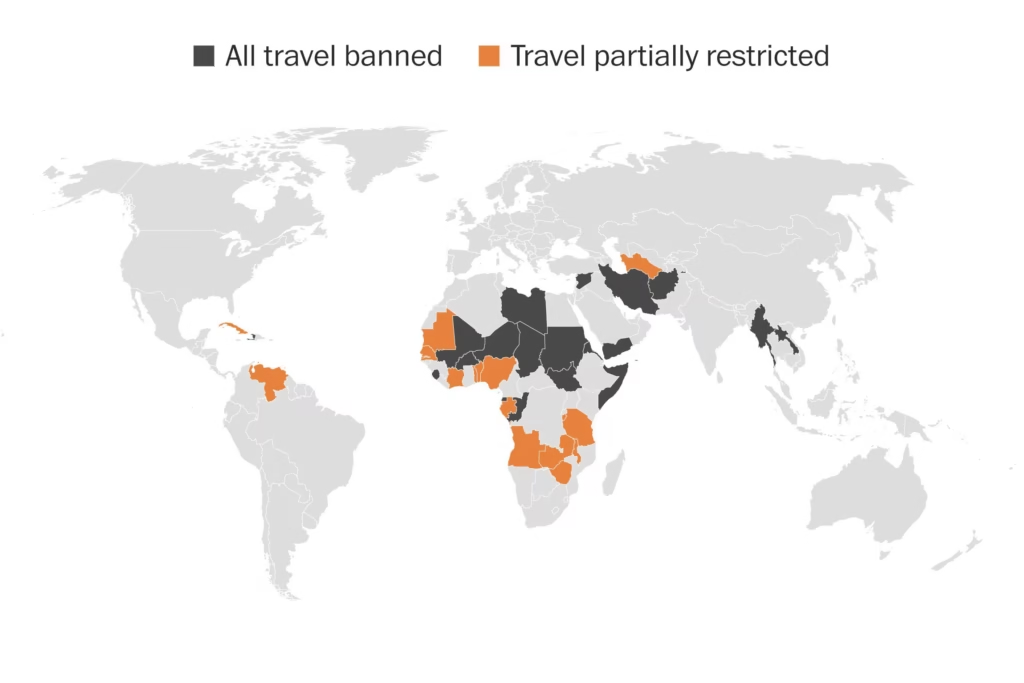
26 African Countries Under Full or Partial U.S. Travel Ban (Post-December Update)
26 African Countries Under Full or Partial U.S. Travel Ban (Post-December Update) Following the December update to U.S.…
Read article →
Travel Guide
Prepare for an unforgettable gorilla trekking experience with these essential tips on what to do before setting off on your adventure in Africa.
Knowing What to Do Before Gorilla Trekking can make the difference between arriving at the forest feeling prepared and spending the morning worrying about equipment, fitness or logistics. Gorilla trekking is an extraordinary wildlife experience, but it takes place in natural forest terrain where weather, walking conditions and the location of gorillas can vary.
Preparation should begin well before the trekking morning. Travelers need to coordinate their permit, accommodation and transport, prepare physically for the walk and pack clothing suitable for a humid forest environment.
The objective is not to remove every element of uncertainty. Gorilla trekking remains a wildlife experience. Good preparation simply allows visitors to handle changing conditions more comfortably while following the conservation rules designed to protect the gorillas.
One of the most important things to do before traveling is confirm the actual trekking arrangements.
Gorilla activities require permits and are carefully controlled.
Travelers should know the date of their trek and ensure their accommodation works with the relevant activity location.
Do not assume that every lodge near a gorilla destination is equally convenient for every starting point.
Transport should also be arranged in advance.
A well-coordinated itinerary reduces the risk of discovering that the accommodation and trekking arrangements are in different areas.
Gorilla trekking is often one of the central activities of an East African safari.
For this reason, the trekking date should usually be confirmed before less restrictive elements of the itinerary.
Travelers visiting during popular periods should plan well ahead.
Once the permit is secured, accommodation and transfers can be organized around it.
This approach is generally more practical than booking flights and lodges first and then hoping the desired trekking arrangements remain available.
Gorilla trekking takes place on foot.
The amount of walking varies because the gorillas move through their natural habitat.
One group may be reached relatively quickly, while another trek can involve a longer period on uneven terrain.
Regular walking before the trip can improve comfort.
Travelers who normally live a sedentary lifestyle should gradually increase activity rather than waiting until arrival.
Walking on hills or inclines can be particularly useful preparation.
The objective is not athletic competition. It is simply to improve endurance and confidence.
Footwear is one of the most important equipment choices.
Visitors should wear strong walking boots or shoes with reliable grip.
New boots should be worn before the safari so they are comfortable.
Forest paths can become wet and muddy.
Footwear that performs well on a dry city pavement may be inadequate on steep natural terrain.
Travelers should also bring suitable socks and consider carrying an extra pair.
Comfortable feet make a substantial difference during a long day in the forest.
Practical forest clothing provides protection from vegetation and insects.
Long trousers are preferable to shorts.
Long sleeves can also help protect the arms.
Clothing should allow comfortable movement.
Travelers do not need to dress fashionably for the trek.
Function is more important.
Lightweight, quick-drying fabrics can be useful because forest conditions may be humid.
The clothing selected should also work with the traveler’s rain protection.
A forest environment can experience changing weather.
Visitors should carry a lightweight rain jacket or other suitable waterproof layer.
It should remain easy to access rather than being buried at the bottom of a large bag.
A waterproof cover or protective bag can also help protect camera equipment and personal items.
Travelers should not assume that a morning beginning with clear skies will remain dry throughout the trek.
Preparing for rain is easier than trying to improvise once inside the forest.
A small daypack is useful for water, personal items, rain protection and camera equipment.
However, travelers should avoid carrying unnecessary weight.
Every additional item becomes more noticeable during a steep or extended walk.
Pack according to the actual activity.
Heavy guidebooks, excessive clothing and equipment that will not be used can remain at the lodge.
A light and organized bag also makes it easier to find important items without repeatedly unpacking everything.
Where legitimate porter services are available, using a porter can make the trek more manageable.
A porter can assist with the daypack and provide useful support through difficult terrain.
Travelers sometimes assume they should carry everything themselves because they are reasonably fit.
However, forest conditions can be unpredictable.
The assistance may become especially valuable on steep or muddy sections.
Using legitimate porter services can also support local employment associated with tourism.
Photography equipment should be checked before the trekking morning.
Charge batteries and make sure there is enough memory available.
Visitors should understand the basic camera settings they intend to use.
Forest light can be difficult, so waiting until the gorillas are visible to learn the camera wastes valuable observation time.
A versatile lens can be practical.
Equipment should also be protected against rain and moisture.
Most importantly, photography must remain within the rules communicated by the guides.
Visitors should arrive ready to follow the official briefing.
Gorillas are wild animals.
Travelers must maintain the distance and behavior required by the relevant authorities and guides.
Visitors should not touch gorillas or deliberately approach them more closely for photographs.
Noise should remain controlled.
Food and waste must be managed responsibly.
If a gorilla changes position unexpectedly, travelers should remain calm and follow the guide’s instructions.
The regulations exist to protect both wildlife and visitors.
Health is particularly important during primate tourism.
Travelers who feel unwell should communicate honestly with their operator or the relevant authorities.
Visitors should follow current health procedures for their trekking destination.
Requirements may change, which is why instructions provided for the actual travel date should take priority over older online information.
Responsible gorilla tourism depends on visitors recognizing that protecting the animals is more important than forcing an activity to proceed when circumstances make participation inappropriate.
Avoid planning an unnecessarily difficult journey immediately before the trek.
Where possible, arrive at the relevant accommodation with enough time to rest.
A late arrival after a long road transfer can leave travelers tired before the forest walk even begins.
The evening before trekking should be relaxed.
Eat well, organize equipment and get sufficient sleep.
The following morning can then begin without rushing.
Trekking mornings often begin early.
Visitors should know when breakfast is served and when they need to leave the lodge.
If a packed meal or other food arrangement is required, confirm it the previous evening.
Do not wait until departure time to ask.
The guide or lodge can explain the planned schedule.
Being punctual is important because gorilla activities operate according to organized briefing and trekking arrangements.
Walking in humid forest conditions can be physically demanding.
Travelers should carry sufficient drinking water according to the arrangements for their trek.
Hydration should begin before entering the forest rather than only after becoming thirsty.
Visitors should also eat an appropriate breakfast.
Those with specific dietary needs should discuss them with the lodge in advance.
A well-fueled and hydrated traveler is better prepared for a variable walking day.
Even travelers who have previously trekked gorillas should listen to the briefing.
Rules and procedures communicated by the responsible authorities and guides are the instructions that matter for that day’s experience.
Ask questions if anything is unclear.
Visitors should understand how to behave when gorillas are located, how to respond if an animal moves closer and what photography rules apply.
The briefing is an important part of the conservation system rather than an administrative formality.
Understanding What to Do Before Gorilla Trekking allows visitors to approach the forest with confidence and realistic expectations.
Confirm the permit and activity location, coordinate accommodation and transport, prepare physically and pack appropriate clothing. Strong footwear, rain protection and a light daypack can make difficult forest conditions easier to manage.
Travelers should also prepare mentally for an unpredictable wildlife experience. The length of the walk, weather and gorilla behavior cannot be controlled.
Most importantly, arrive ready to follow every conservation and safety instruction. Good preparation helps visitors focus less on logistical problems and more on the extraordinary opportunity to observe gorillas responsibly in their natural habitat.

26 African Countries Under Full or Partial U.S. Travel Ban (Post-December Update) Following the December update to U.S.…
Read article →
3 Days Congo Gorilla Safari – Encounter the Gentle Giants of Virunga A 3 Days Congo Gorilla Safari…
Read article →
Children and Kids on Safari – Family-Friendly Adventures in Africa Taking children on an African safari is one…
Read article →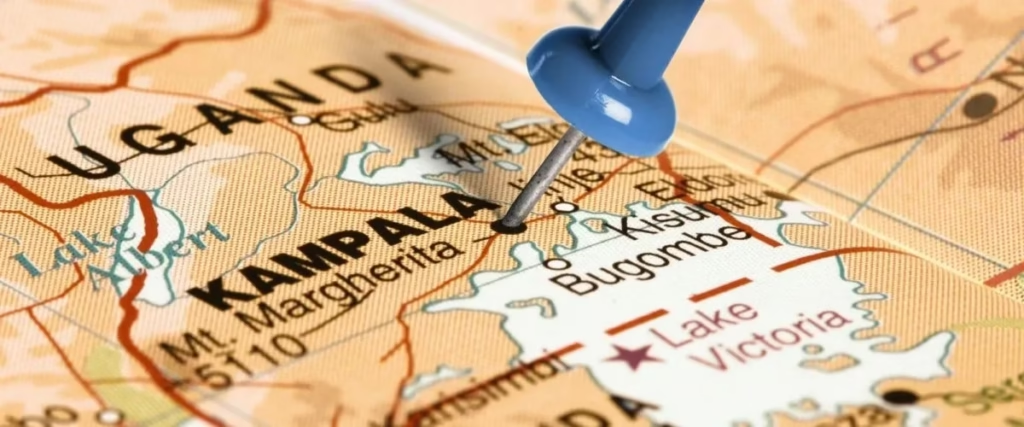
How to Plan a Safari in Uganda—Your Complete Travel Guide Planning a safari in Uganda is the start…
Read article →