
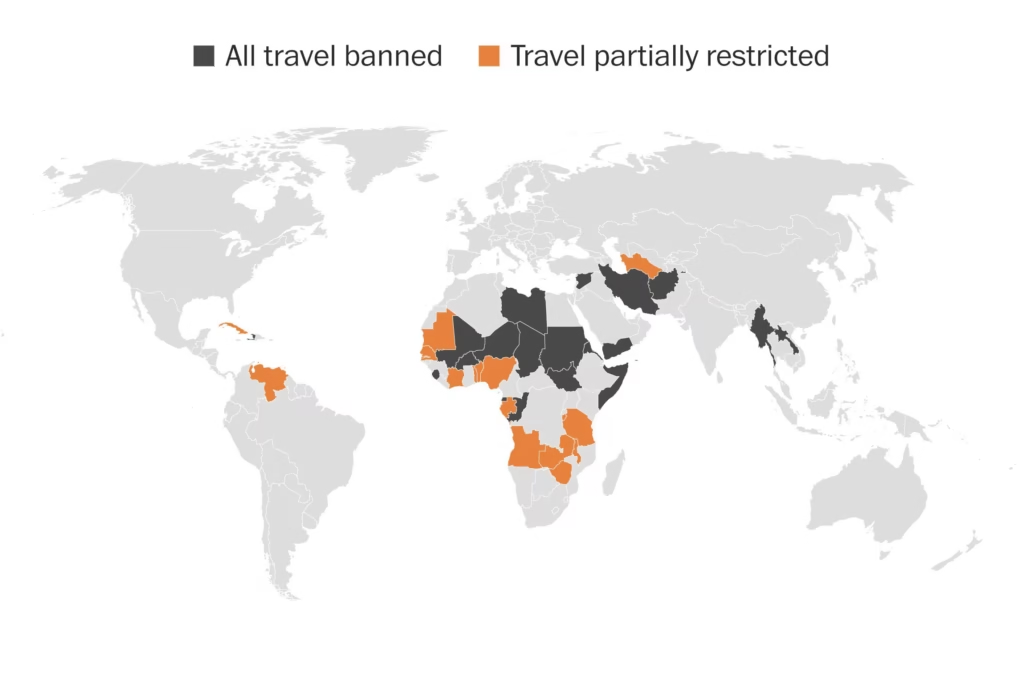
26 African Countries Under Full or Partial U.S. Travel Ban (Post-December Update)
26 African Countries Under Full or Partial U.S. Travel Ban (Post-December Update) Following the December update to U.S.…
Read article →
Travel Guide
Explore the beauty of the Victoria Nile in Murchison Falls National Park. Experience breathtaking waterfalls, rich wildlife, and thrilling boat safaris.
The Victoria Nile in Murchison Falls National Park is central to the character of one of Uganda’s best-known safari landscapes. The river shapes the park physically and creates opportunities for wildlife viewing, boat experiences, photography and exploration of the dramatic Murchison Falls.
For travelers accustomed to thinking of an African safari only in terms of game drives, the Victoria Nile adds an entirely different perspective. Visitors can observe the landscape from the water, look toward wildlife along the banks and appreciate the relationship between the river and surrounding ecosystem.
Combining a boat safari with land-based wildlife viewing provides a more complete understanding of Murchison Falls National Park.
The river is inseparable from the identity of the park.
As the Nile passes through the landscape, it eventually reaches the dramatic section associated with Murchison Falls.
The power of moving water creates one of the destination’s defining natural spectacles.
Visitors can experience the falls and river from different perspectives according to the activities included in their itinerary.
The experience is not only visual.
The sound and movement of the water contribute strongly to the atmosphere.
Travelers should follow all safety instructions around viewpoints and boat activities.
A boat safari is one of the most distinctive ways to experience the Victoria Nile in Murchison Falls National Park.
Traveling on the river provides a different viewing angle from a safari vehicle.
Animals and birds using the shoreline may be observed from the water.
The pace can also feel different from a game drive.
Instead of traveling across open tracks, visitors follow the river and watch the banks carefully.
Binoculars are useful because some wildlife may remain at a distance.
Photographers should protect their equipment from spray and other water exposure.
Water plays an essential role in a wildlife ecosystem.
Animals may approach the river to drink, cool down or feed in surrounding habitat.
Birdlife can also be particularly interesting.
Visitors should remember that sightings vary naturally.
A boat safari is not a controlled wildlife display, and no particular animal can be guaranteed.
This unpredictability makes careful observation important.
Guides can help identify species and explain behavior.
Travelers who remain patient often notice much more than those focused only on obtaining a quick photograph.
The Nile environment provides opportunities to observe animals adapted to spending substantial time in or near water.
When viewing aquatic wildlife, visitors should follow the instructions of boat crews and guides.
Wild animals should never be approached irresponsibly.
The boat operator determines safe positioning.
Travelers should avoid standing or moving suddenly when instructed to remain seated.
Respecting safety procedures protects both visitors and wildlife.
It also allows everyone on the boat to enjoy the experience without unnecessary disturbance.
The river can be particularly rewarding for birdwatchers.
Water, shoreline vegetation and nearby savannah create different habitat opportunities.
Even travelers who do not consider themselves dedicated birders should carry binoculars.
Large and colorful species may attract immediate attention, but guides can also point out less obvious birds.
Bird photography from a boat requires patience.
The movement of both the bird and vessel can make composition challenging.
A faster shutter speed can help photographers working with moving subjects.
The Victoria Nile provides opportunities for wildlife and landscape photography.
Telephoto lenses can help with animals along the shoreline.
A wider lens may be useful for river scenery and views toward the falls.
Photographers should keep equipment secure.
Changing lenses repeatedly on a moving boat may expose equipment to water or dust.
Visitors should also remain considerate of other passengers.
Standing in front of someone else’s view or moving abruptly can interfere with their experience.
Responsible photography combines preparation with awareness of the group.
Murchison Falls National Park should not be experienced only from the water.
Game drives provide access to terrestrial habitats and create opportunities to observe wildlife away from the river.
Combining both activities provides a richer safari.
The morning might focus on savannah game viewing, while another part of the day is devoted to the Nile.
This variation can also reduce fatigue.
Spending every safari hour inside a vehicle may become repetitive during a longer journey.
A boat activity changes both the pace and viewing perspective.
The falls themselves are a major reason visitors travel to the park.
Travelers should follow designated routes and guide instructions when visiting viewpoints.
Wet or uneven surfaces may require caution.
Photography is rewarding, but visitors should not move into unsafe positions simply for a better angle.
The scale and power of the water can be appreciated without taking unnecessary risks.
Allowing enough time to observe the falls is preferable to treating the location as a brief photograph stop.
The park contains more than one type of environment.
The river creates a strong visual and ecological contrast with surrounding terrestrial landscapes.
This variety is part of the destination’s appeal.
Visitors may experience open views during game drives and then encounter a more concentrated wildlife environment around the water.
Landscape photographers should pay attention to changing light.
Early and later parts of the day can create different moods across the river and savannah.
The river remains an important feature of the park throughout the year, but weather and seasonal conditions influence the wider safari.
Travelers should select their dates according to the complete itinerary.
Someone combining Murchison Falls with gorilla trekking may prioritize the timing of the gorilla permit.
Another visitor may focus more strongly on general wildlife viewing.
Rather than choosing dates based on one activity alone, travelers should consider the balance of experiences across the entire Uganda journey.
Accommodation should be selected according to budget, preferred comfort and activity schedule.
Location matters because early game drives and boat departures may require timely transfers.
Travelers should ask how the lodge fits with their planned activities.
Meals also need to work with early departures.
Visitors with dietary requirements should communicate them before arrival.
A good lodge should support the safari schedule rather than create unnecessary logistical complications.
Murchison Falls can form part of a longer Uganda safari.
Travelers may continue toward primate destinations, other wildlife areas or eventually the gorilla trekking region.
The route requires realistic planning because distances can be substantial.
Visitors should avoid trying to cover the entire country in only a few days.
A slower itinerary provides more time for wildlife experiences and reduces the amount of each day spent in transit.
Families can enjoy the variety provided by combining game drives and boat activities.
A boat safari can be particularly useful as a change from long periods in a vehicle.
Parents should follow all safety guidance and supervise children carefully around water.
The itinerary should also include adequate rest.
Children may not enjoy an adult schedule containing repeated early starts and long drives.
A private safari can provide additional flexibility for families where the budget allows.
Visitors should never throw waste into the river.
Wildlife should not be fed or deliberately disturbed.
Boat operators should follow the relevant navigation and conservation requirements.
Travelers should listen to the crew and guides.
Noise should be controlled around animals.
Responsible behavior protects the quality of the environment and the experience of future visitors.
The Nile is not simply a tourism attraction. It is part of a functioning ecosystem that supports wildlife and landscapes throughout the park.
Sun protection is important on the water.
Travelers should carry a hat, sunscreen and drinking water according to the operator’s arrangements.
Binoculars significantly improve wildlife viewing.
Camera users need secure straps and protection from moisture.
Lightweight clothing can work well during warmer conditions, while an additional layer may be useful depending on the time of day.
Important medication and personal items should remain accessible.
The Victoria Nile in Murchison Falls National Park gives the destination much of its distinctive character.
Visitors can experience the river through boat safaris, wildlife viewing and the dramatic setting around Murchison Falls.
The water-based experience complements traditional game drives and helps travelers appreciate the park from several perspectives.
A well-planned stay should allow enough time for both river and land activities.
Travelers can then continue to other parts of Uganda knowing they have experienced not just a famous waterfall, but a wider ecosystem shaped by one of Africa’s most important river systems.

26 African Countries Under Full or Partial U.S. Travel Ban (Post-December Update) Following the December update to U.S.…
Read article →
3 Days Congo Gorilla Safari – Encounter the Gentle Giants of Virunga A 3 Days Congo Gorilla Safari…
Read article →
Children and Kids on Safari – Family-Friendly Adventures in Africa Taking children on an African safari is one…
Read article →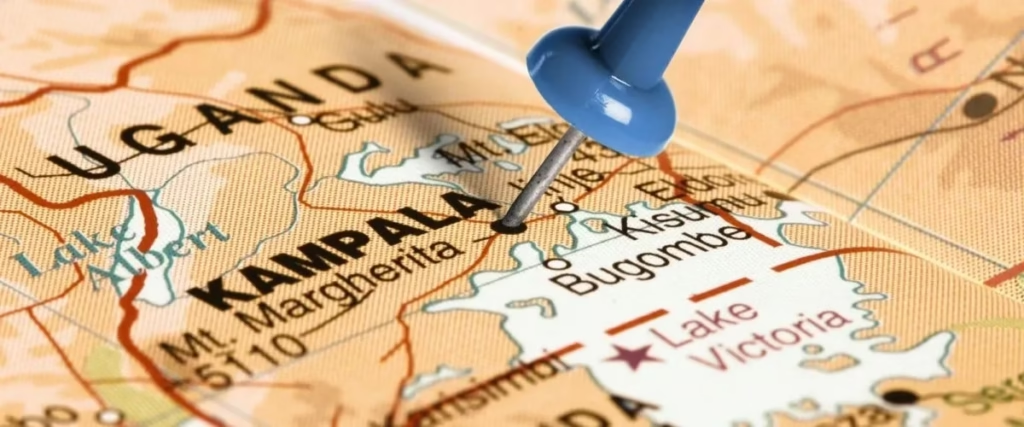
How to Plan a Safari in Uganda—Your Complete Travel Guide Planning a safari in Uganda is the start…
Read article →