
Uganda Conserving Wildlife
Uganda Conserving Wildlife
Uganda is one of Africa’s richest countries in terms of biodiversity. From mountain gorillas in misty forests to lions in vast savannahs, the country protects a wide range of species. Wildlife conservation in Uganda goes beyond protection—it includes community involvement, research, and sustainable tourism.
Protected Areas and National Parks
Uganda has over 10 national parks and many wildlife reserves. These areas provide safe habitats for endangered species like mountain gorillas, chimpanzees, elephants, shoebill storks, and rhinos.
Key parks include:
- Bwindi Impenetrable National Park – home to almost half the world’s mountain gorillas.
- Queen Elizabeth National Park – known for tree-climbing lions and hippos.
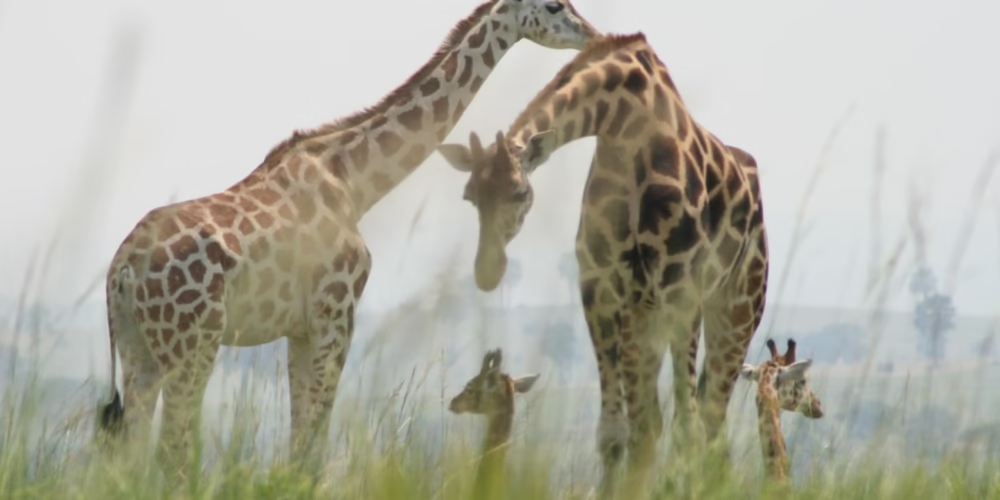
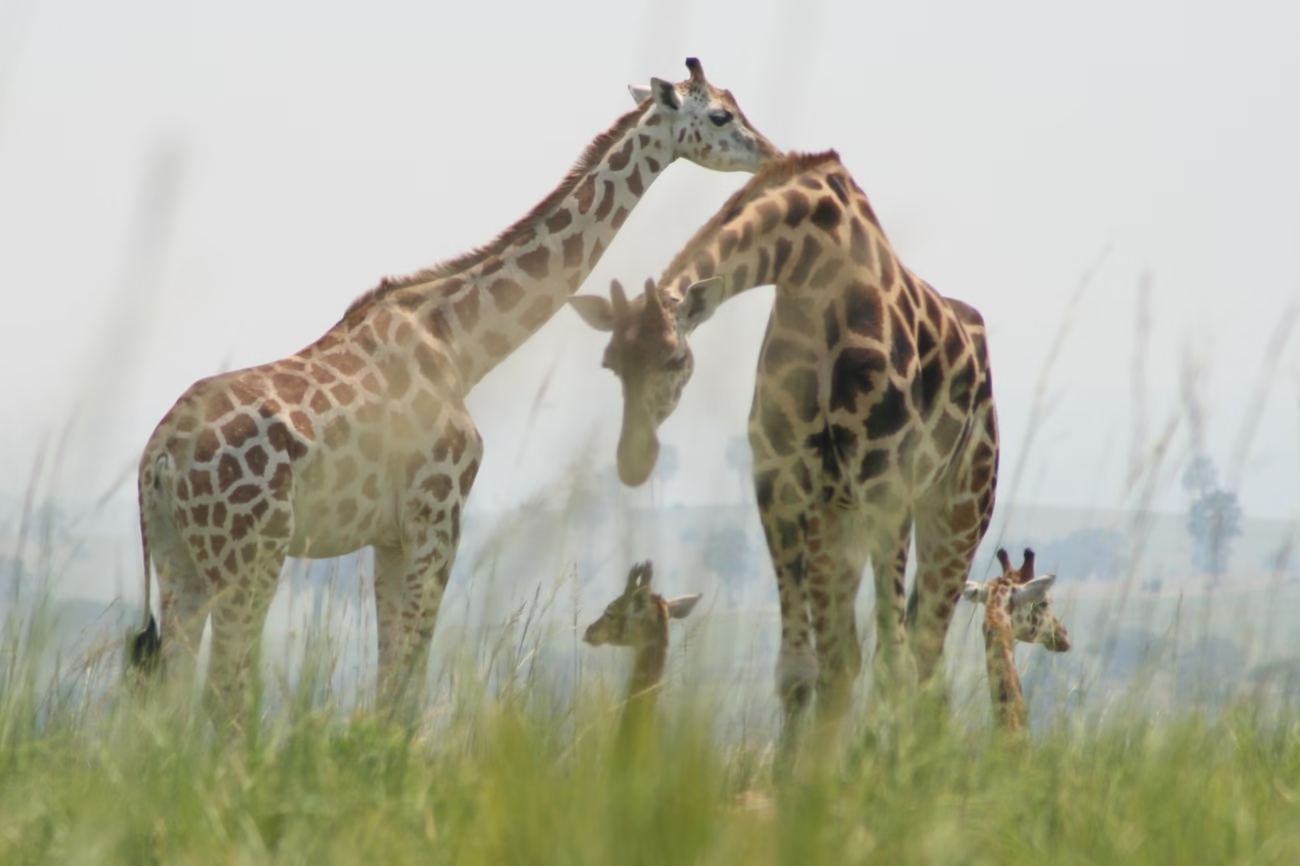
- Murchison Falls National Park – Uganda’s largest park with elephants, giraffes, and Nile crocodiles.
- Kidepo Valley National Park – remote and rich in big cats, buffaloes, and ostriches.
Uganda Wildlife Authority (UWA) manages these parks and enforces conservation rules.
Mountain Gorilla Conservation
Mountain gorilla conservation is Uganda’s greatest wildlife success. In Bwindi and Mgahinga, strict trekking guidelines protect gorillas from disease and stress. Only a few groups are habituated for tourism. Rangers monitor the families daily.
Tourism revenue funds patrols, veterinary care, and habitat protection. Gorilla permits also support community projects around the parks.
Rhino Reintroduction
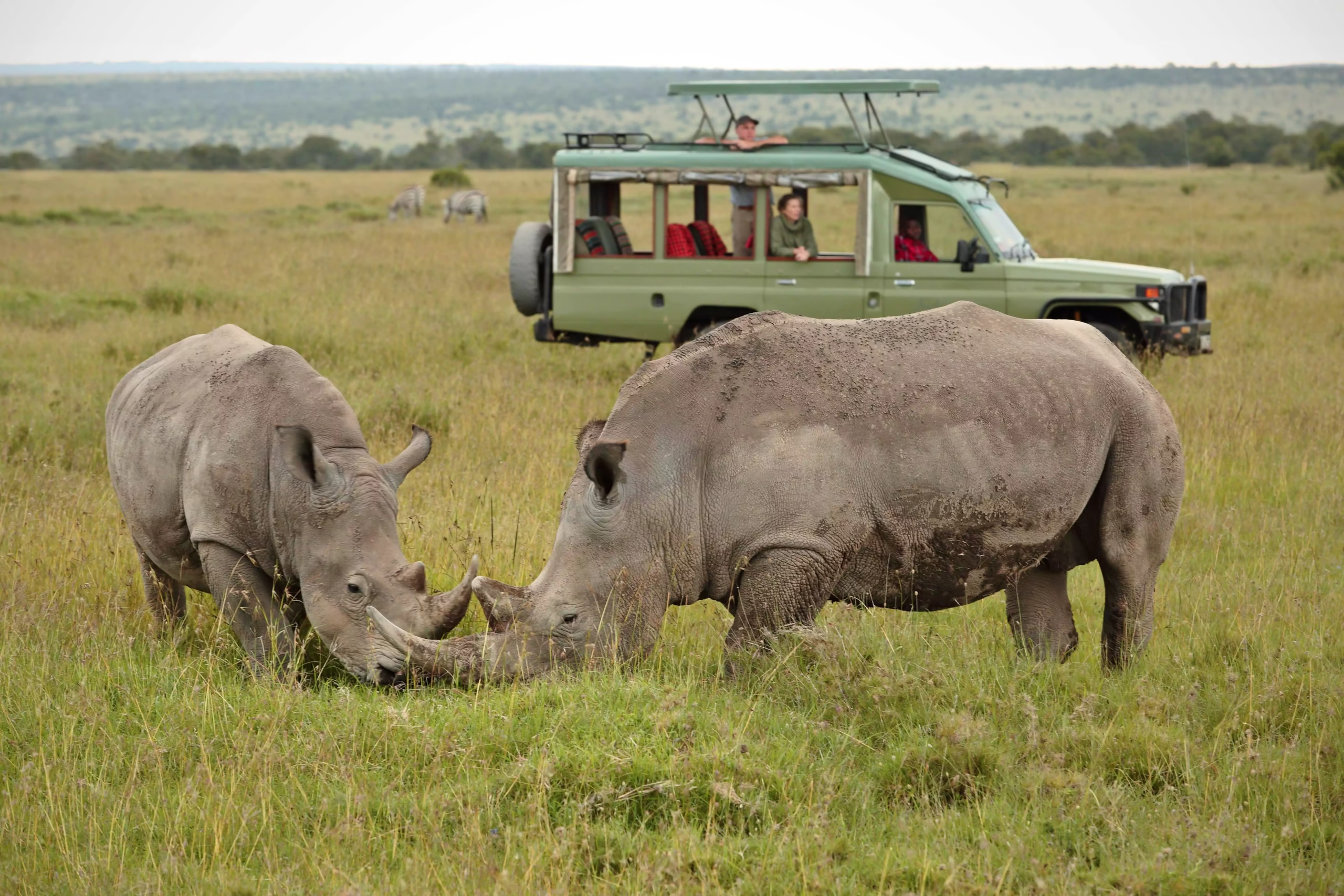
Uganda lost its rhinos during years of conflict. Today, the Ziwa Rhino Sanctuary leads efforts to bring them back. The sanctuary breeds white rhinos and prepares them for future release into the wild. It also promotes education and eco-tourism.
Anti-Poaching and Law Enforcement
Poaching remains a challenge, but Uganda has stepped up enforcement. Park rangers, surveillance teams, and sniffer dogs track illegal activity. The country has passed stricter laws with heavier penalties for wildlife crimes.
Technology like drones and camera traps helps in monitoring wildlife and stopping poachers.
Community Conservation
Uganda includes communities in conservation. Villages near parks receive a share of tourism revenue. This supports schools, health clinics, and water projects. In return, locals help protect animals and report illegal activity.
Groups like the Batwa in Bwindi and Karamojong in Kidepo benefit from cultural tourism and conservation jobs.
Conservation Education and Research
Organizations across Uganda teach young people about wildlife. Conservation clubs, school visits, and documentaries raise awareness. Research teams study animal behavior, disease, and climate impact.
Universities and NGOs partner with parks to support long-term research and planning.
Protecting Uganda’s Wildlife Together
Uganda’s wildlife conservation success depends on many hands—rangers, researchers, local communities, and responsible travelers. The country continues to face threats, but it responds with action, innovation, and collaboration.