
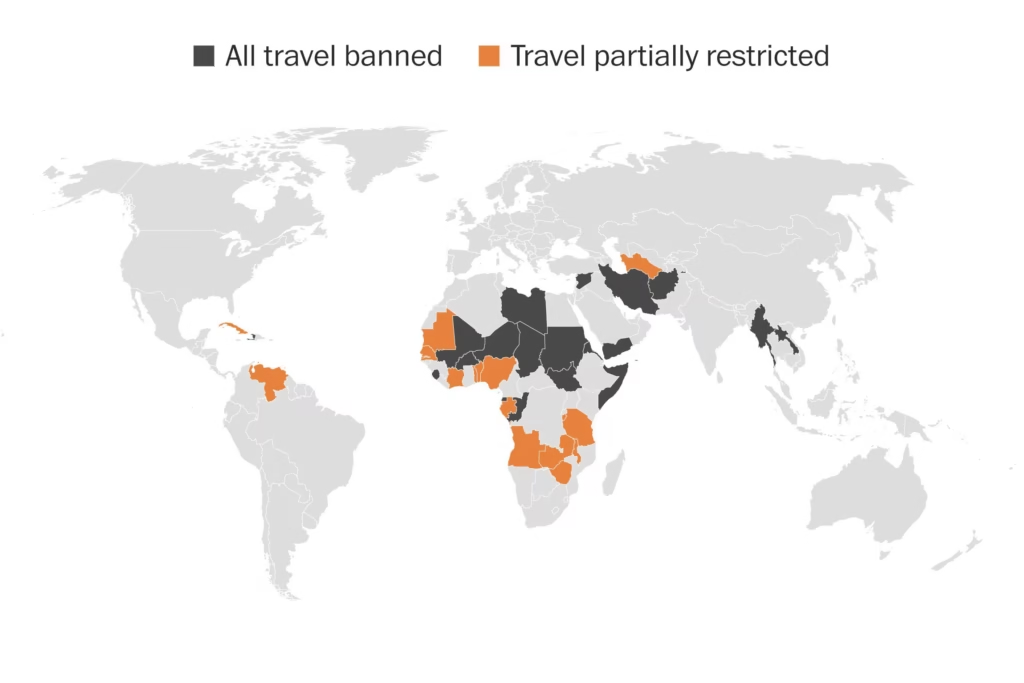
26 African Countries Under Full or Partial U.S. Travel Ban (Post-December Update)
26 African Countries Under Full or Partial U.S. Travel Ban (Post-December Update) Following the December update to U.S.…
Read article →
Travel Guide
Explore Southern Africa's best river safaris. Discover top destinations for wildlife viewing, scenic cruises, and unforgettable water adventures.
A Southern Africa river safari changes the traditional wildlife-viewing perspective. Instead of following dusty tracks in a safari vehicle, travelers move across rivers, channels, and lagoons while watching animals along the banks and in the water.
The quieter pace can create memorable encounters with elephants, hippos, crocodiles, buffaloes, antelopes, and numerous birds. Water also shapes the landscape itself, producing reflections, islands, reed beds, sandbanks, floodplains, and dramatic sunset scenes.
The source highlights five outstanding areas for water-based safari experiences: the Chobe River in Botswana, the Zambezi River in Zambia and Zimbabwe, Botswana’s Okavango Delta, the Cunene River along Namibia and Angola, and Zambia’s Lower Zambezi National Park.
Each provides a different experience. Some focus on traditional boat cruises, while others offer canoeing or mokoro excursions. Together they demonstrate why waterways deserve an important place in a Southern Africa safari.
The Chobe River is one of the most recognizable destinations for a Southern Africa river safari. Running along the northern boundary of Chobe National Park, it provides access to wildlife-rich riverbanks where animals regularly gather.
Elephants are among the major attractions. Watching elephants from the water provides a completely different perspective from observing them during a game drive.
Animals may approach the river to drink, move along the bank, or enter shallow water. From a properly positioned safari boat, travelers can watch these interactions without the visual barriers sometimes created by vegetation on land.
Buffaloes can also be seen around the river, while hippos spend much of their time in and around the water.
The river environment is equally attractive for birdwatchers. The source notes more than 450 bird species in the broader area, making Chobe an important destination for visitors interested in both large mammals and birds.
A Chobe river cruise allows visitors to travel slowly along the water while scanning both banks and the river itself.
The slower pace encourages observation. Instead of driving between sightings, guests can watch wildlife behavior unfold.
Photography can also be rewarding from the water. A lower viewing angle creates different compositions, particularly when animals are close to the riverbank.
Late-afternoon cruises are particularly associated with sunset scenery. As temperatures begin to change, the light across the water can become one of the most memorable elements of the excursion.
The source also notes that lions and leopards may become more active as the day cools, although wildlife sightings always depend on where animals happen to be.
Combining a river cruise with land-based game drives can therefore provide a more complete Chobe experience.
The Zambezi River provides another important setting for water-based adventures in Southern Africa.
The source describes safari experiences above Victoria Falls, where canoe trips and motorboat cruises can reveal crocodiles, hippos, elephants, and numerous birds.
The Zambezi is Africa’s fourth-longest river, giving it an enormous geographic presence. However, travelers do not need to explore its entire length to appreciate its importance.
Specific stretches provide opportunities for wildlife observation and scenic cruising.
The river’s channels and islands create habitat for species such as kingfishers and fish eagles. These smaller details can be as rewarding as encounters with larger mammals.
For birdwatchers, a slow river excursion allows time to scan trees, exposed branches, banks, and islands.
Hippos and crocodiles are strongly associated with the Zambezi environment. Observing these animals requires appropriate distance and an experienced guide.
Elephants may also be seen around the river, including individuals approaching the water or moving between areas.
The presence of wildlife both in and around the water makes the Zambezi particularly dynamic.
Visitors can also experience fishing in parts of the river. The source specifically mentions tiger fish, a species associated with exciting angling experiences.
This means the Zambezi can appeal to travelers whose interests extend beyond conventional wildlife viewing.
A safari itinerary can combine river activities with other experiences in the Victoria Falls region, giving visitors several reasons to spend additional time around the river.
The Okavango Delta offers a completely different style of water safari. Instead of following one large river channel, travelers enter a complex landscape of waterways, lagoons, reeds, islands, and seasonal wetlands.
The source highlights the traditional mokoro, a dugout-style canoe used to move quietly through the channels.
The experience is fundamentally different from traveling in a motorized safari vehicle. The mokoro moves close to water level and allows visitors to appreciate smaller details of the wetland environment.
Reeds, papyrus, birds, reflections, and animal tracks become part of the experience.
The relative quiet can also make wildlife encounters feel particularly intimate.
The source identifies elephants, red lechwe, crocodiles, hippos, and numerous birds among the wildlife associated with the Delta.
Water levels and seasonal conditions influence where activities can operate and what landscapes visitors experience.
This changing environment is one of the Delta’s defining characteristics.
Mokoro excursions can be combined with other safari activities. The source specifically mentions walking safaris on islands, allowing visitors to experience both water and land.
This variety means an Okavango stay does not have to revolve around one type of excursion.
Travelers can appreciate the channels from the water and then explore other parts of the ecosystem through complementary activities.
The Delta’s maze of waterways creates a strong sense of immersion.
Instead of viewing a river from a single bank, visitors move through a landscape shaped almost entirely by water.
A mokoro excursion encourages a slower pace. Travelers can hear birds, watch insects, study vegetation, and notice movements that might be missed from a vehicle.
For photographers, the low angle can create beautiful images of reeds, reflections, birds, and wildlife.
The experience is therefore as much about atmosphere as it is about checking animals off a list.
For travelers seeking a Southern Africa river safari that feels quiet and closely connected to the wetland environment, the Okavango Delta provides a distinctive option.
The Cunene River offers a river experience in a more remote and rugged setting.
The river forms part of the border between Namibia and Angola and passes through landscapes that differ dramatically from the wetter safari environments associated with Botswana.
The source highlights wildlife, birdlife, Himba villages, and the scenery around Epupa Falls.
This combination of natural and cultural elements gives the Cunene a character of its own.
Visitors can see crocodiles around sandbanks and search for bird species associated with the region.
The source specifically mentions the Cinderella waxbill as one of the notable birds.
For travelers interested in destinations beyond the most familiar Southern African safari circuits, the Cunene can provide a strong sense of exploration.
Epupa Falls is one of the scenic highlights associated with the Cunene River.
The source describes a landscape of cascades and baobab trees, creating a dramatic setting for travelers exploring the region.
This environment demonstrates that a river safari does not always have to focus primarily on large mammals.
Scenery can be equally important.
The combination of water, rocky landscapes, vegetation, and remote settlements makes the area particularly attractive to photographers.
Sunset experiences can add another dimension as changing light transforms the river and surrounding terrain.
The Cunene therefore suits travelers looking for a river journey that combines landscape, birding, culture, and wildlife.
The Lower Zambezi National Park provides another excellent water-based safari environment.
The source emphasizes wide river channels, sandbanks, canoeing, wildlife viewing, and fishing.
Canoe excursions can bring visitors into a close relationship with the river environment. Rather than watching the water from a lodge or vehicle, guests travel directly through the landscape.
Hippos and crocodiles are among the animals associated with the river, making professional guiding and responsible distances essential.
Elephants can also appear near the water, while buffaloes and antelopes may graze along the banks.
These encounters can be particularly memorable because the water provides an unobstructed perspective toward the shoreline.
Canoeing is one of the experiences emphasized in the source.
The quiet movement of a canoe creates a very different atmosphere from a motorboat. Travelers move at a slower pace and become more aware of currents, banks, birds, and nearby wildlife.
Safety and professional guidance are essential because the river is genuine wildlife habitat.
Visitors should always follow instructions from experienced guides, especially around hippos and crocodiles.
When properly managed, canoeing can provide one of the most immersive safari experiences available in Southern Africa.
The source also highlights guided fishing for tiger fish and bream, providing another activity for travelers interested in spending time on the river.
Both destinations provide excellent river experiences, but their atmosphere differs.
Chobe is particularly associated with boat cruises and concentrations of wildlife along the riverbank, including elephants.
The Lower Zambezi offers opportunities for canoeing as well as other river activities.
Travelers should therefore think about the style of experience they want. Someone who prefers a comfortable boat-based wildlife excursion may be drawn to Chobe, while a traveler seeking a more active water adventure may appreciate canoeing on the Lower Zambezi.
Both can also be combined with land-based safari activities.
Waterways naturally attract birdlife, making river safaris particularly rewarding for birdwatchers.
The Chobe River, Zambezi, Okavango Delta, Cunene, and Lower Zambezi all provide habitats where visitors can watch birds associated with rivers, wetlands, reeds, islands, and riverbank vegetation.
The source specifically highlights fish eagles, kingfishers, and the Cinderella waxbill among the birds associated with these destinations.
Traveling by boat or canoe can provide useful viewing angles because guides can position guests where birds are visible without leaving designated routes.
Binoculars are therefore a valuable addition even for travelers whose primary interest is larger wildlife.
A Southern Africa river safari provides photographic opportunities that differ from land-based game drives.
Reflections can double the visual impact of elephants, birds, trees, and changing skies. Water also creates cleaner backgrounds in some situations.
Sunrise and sunset can be particularly dramatic as warm light moves across the river.
Photographers should protect equipment from water and avoid unnecessary movement in smaller boats or canoes.
Wildlife should never be approached purely for a photograph. The guide’s decisions about distance and positioning should always take priority.
Patience usually produces better images than trying to force an encounter.
One of the strongest ways to experience Southern Africa is to combine water-based activities with conventional game drives or walking safaris.
A boat reveals wildlife along the banks and in the water. A vehicle provides access to animals farther inland. Walking introduces yet another perspective.
The Okavango Delta, Chobe, and Lower Zambezi are particularly well suited to this variety.
Rather than repeating the same type of activity every day, travelers can alternate between environments and viewing styles.
This creates a safari that feels more varied without requiring constant transfers between distant destinations.
The best destination depends on the experience you want.
The Chobe River provides classic boat-based wildlife viewing and excellent opportunities to watch elephants around the water.
The Zambezi River combines wildlife, scenery, birding, canoeing, cruising, and fishing.
The Okavango Delta offers intimate mokoro experiences through channels and wetlands.
The Cunene River provides a more remote journey involving rugged scenery, cultural encounters, birdlife, and Epupa Falls.
The Lower Zambezi National Park combines river wildlife with canoeing and fishing in a safari environment.
Each destination demonstrates that some of Southern Africa’s most memorable wildlife experiences happen not only on dusty roads but also on rivers, channels, lagoons, and floodplains.
A thoughtfully planned Southern Africa river safari allows travelers to slow down, watch wildlife from a fresh perspective, and experience the landscapes that water creates across this remarkable part of Africa.

26 African Countries Under Full or Partial U.S. Travel Ban (Post-December Update) Following the December update to U.S.…
Read article →
3 Days Congo Gorilla Safari – Encounter the Gentle Giants of Virunga A 3 Days Congo Gorilla Safari…
Read article →
Children and Kids on Safari – Family-Friendly Adventures in Africa Taking children on an African safari is one…
Read article →
How to Plan a Safari in Uganda—Your Complete Travel Guide Planning a safari in Uganda is the start…
Read article →