
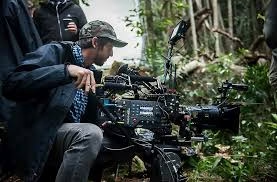
Filming in Uganda: Clearance of Equipment, Permits, and Logistics.
Filming in Uganda: Clearance of Equipment, Permits, and Logistics. Uganda, with its diverse landscapes, abundant wildlife, and vibrant…
Read article →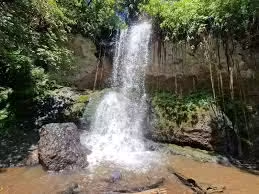
Travel Guide
For an amazing adventure while at Mt. Elgon National Park, one has to follow some guidelines and tips to experience a memorable stay.
Following practical tips-adveture-Mt-Elgon can help travelers prepare for a more enjoyable experience at Mountain Elgon National Park. As the source emphasizes, visitors should follow appropriate guidelines and practical advice if they want to create a memorable stay.
Mountain environments reward preparation.
Weather can change, walking conditions can vary, and activities may require more physical effort than ordinary sightseeing.
Travelers should therefore research the experience they intend to undertake, prepare appropriate clothing and footwear, and follow professional guidance once they arrive.
A successful mountain journey begins with realistic planning.
Travelers should understand what activities they want to undertake and how physically demanding they may be.
Not every visitor needs to choose the longest or hardest route.
A shorter nature-focused experience may be more enjoyable for someone with limited hiking experience.
The itinerary should match fitness, available time, and personal interests.
Regular walking before the trip can improve comfort.
Travelers planning longer hikes can gradually increase distance and include hills or stairs where possible.
The goal is not extreme athletic training.
It is simply to prepare the body for sustained walking.
Visitors should also test their footwear before traveling.
A mountain trek is not the ideal time to discover that new boots cause blisters.
Strong footwear with appropriate grip is one of the most useful pieces of equipment for a mountain adventure.
Trails may be uneven, muddy, rocky, or slippery.
Footwear should fit properly.
Comfortable socks are also important.
Travelers should keep feet as dry and comfortable as possible.
For longer activities, an additional pair of socks can be useful depending on the arrangements.
Mountain weather can change.
A traveler may feel warm while climbing but become cold during a rest stop or in windy conditions.
Layering allows clothing to be adjusted.
Rain protection should remain accessible.
Long trousers can provide practical protection from vegetation.
The exact clothing required should match the route, elevation, season, and current conditions.
A rain jacket is valuable in a mountain environment.
Travelers should not assume that a clear morning guarantees a dry day.
Electronics and camera equipment should also be protected.
A waterproof cover or internal dry bag can help protect important items.
Visitors should keep rain gear near the top of the daypack rather than beneath everything else.
Carrying unnecessary weight increases fatigue.
Travelers should focus on essentials.
Water, appropriate clothing, rain protection, food arrangements, personal medication, and necessary camera equipment are common priorities.
Heavy items that are not required for the day’s activity should remain at the accommodation where appropriate.
A lighter pack makes climbing more comfortable.
Physical activity increases the need for water.
Travelers should follow guidance about how much to carry and where safe refilling is possible.
Waiting until severe thirst develops is poor planning.
Visitors should also eat appropriately for the level of activity.
Long hiking days require enough energy.
Dietary requirements should be communicated before organized multi-day experiences.
Professional guidance is an important part of mountain safety.
Visitors should remain with the organized group and follow route instructions.
Shortcuts can create unnecessary risk or environmental damage.
A guide may also recognize changing weather or trail conditions before visitors do.
If a professional recommends changing the plan, travelers should take the advice seriously.
Beginning too quickly can make the later stages of a hike unnecessarily difficult.
Travelers should choose a pace they can maintain.
Groups should not pressure slower walkers.
Regular short stops may be more effective than walking until complete exhaustion.
A mountain adventure should provide time to appreciate the landscape, not simply test how quickly the route can be completed.
Weather should influence decisions.
Heavy rain, storms, fog, or other difficult conditions may require adjustments.
Travelers should not insist on continuing simply because a particular viewpoint or objective was included in the original plan.
Flexibility is part of responsible mountain travel.
Safety is more important than completing every planned activity.
Mountain landscapes can provide excellent photography.
Visitors should carry equipment they can manage comfortably.
A phone or lightweight camera may be preferable to a large kit on a demanding hike.
Travelers should never stand in unsafe locations for photographs.
Steep edges, wet rocks, and unstable ground require attention.
The view can be photographed from a safe position.
Travelers often become focused on reaching a summit, viewpoint, or final destination.
However, much of the experience occurs along the route.
Vegetation, changing landscapes, birds, and weather can all become memorable.
Walking more slowly can reveal details that fast-moving hikers miss.
The journey itself should be considered part of the adventure.
Visitors should leave no litter.
Food packaging and plastic should be carried out.
Plants should not be removed.
Travelers should remain on appropriate trails.
Noise should be kept reasonable.
Responsible hiking helps protect the environment and maintains the quality of the experience for other visitors.
Travelers should understand what happens if someone cannot continue.
On organized activities, ask about communication and emergency procedures.
Personal travel insurance should be checked carefully to ensure planned activities are covered.
Visitors should carry necessary medication and inform the appropriate person about relevant needs.
Preparation is easier before an emergency than during one.
A rushed itinerary can reduce enjoyment.
Travelers should allow sufficient time for the planned mountain activity and recovery afterward.
Scheduling a long road transfer immediately after a demanding hike may be uncomfortable.
Where possible, an additional night can create a more relaxed experience.
Rest is part of good adventure planning.
The source emphasizes that visitors should follow guidelines and tips for a memorable stay.
This principle applies throughout the journey.
Official park instructions, guide advice, safety procedures, and environmental rules should take priority over personal preferences.
Visitors should ask questions whenever instructions are unclear.
Good preparation and responsible behavior allow travelers to concentrate on enjoying the mountain.
The most useful tips-adveture-Mt-Elgon center on preparation, practical equipment, physical readiness, weather awareness, and responsible behavior.
Travelers should wear reliable footwear, dress in layers, carry rain protection, remain hydrated, and keep their daypack manageable.
They should also follow professional guides and adjust plans when weather or physical conditions require it.
Mountain Elgon should not be treated as a race from one objective to another.
Allowing time to appreciate the landscapes and natural environment can make the journey more rewarding.
With sensible planning and respect for park guidelines, visitors can create the memorable Mountain Elgon adventure described in the source.

Filming in Uganda: Clearance of Equipment, Permits, and Logistics. Uganda, with its diverse landscapes, abundant wildlife, and vibrant…
Read article →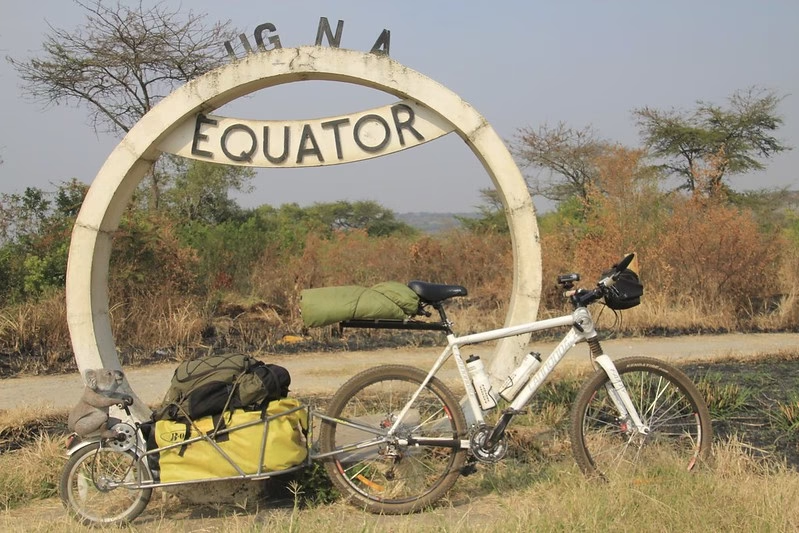
Uganda Cycling Safaris: A Unique Way to Explore the Pearl of Africa When it comes to adventure and…
Read article →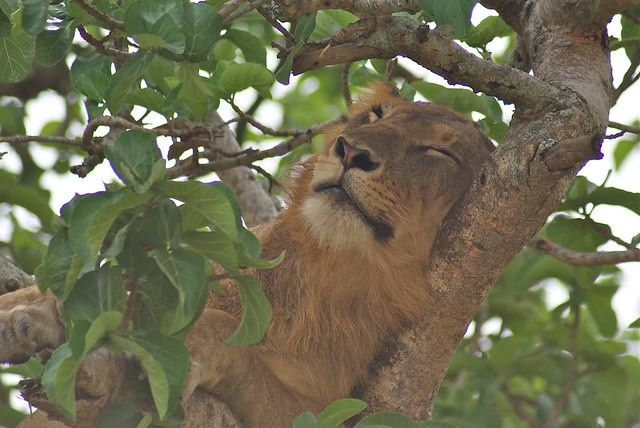
Lions in Uganda-Lion safaris in Uganda-tree-climbing lions Uganda-Queen Elizabeth lions. Lions, often called the "kings of the jungle,"…
Read article →
How Many Days for Gorilla Trekking in Uganda?Gorilla trekking itinerary in Uganda: days needed for gorilla trekking. How…
Read article →