
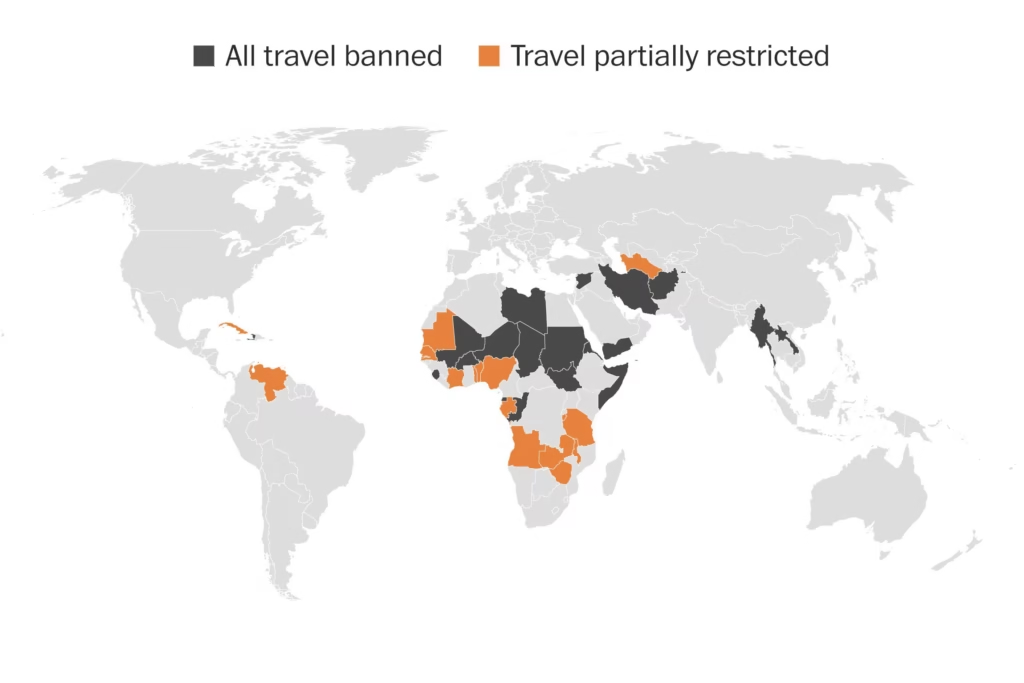
26 African Countries Under Full or Partial U.S. Travel Ban (Post-December Update)
26 African Countries Under Full or Partial U.S. Travel Ban (Post-December Update) Following the December update to U.S.…
Read article →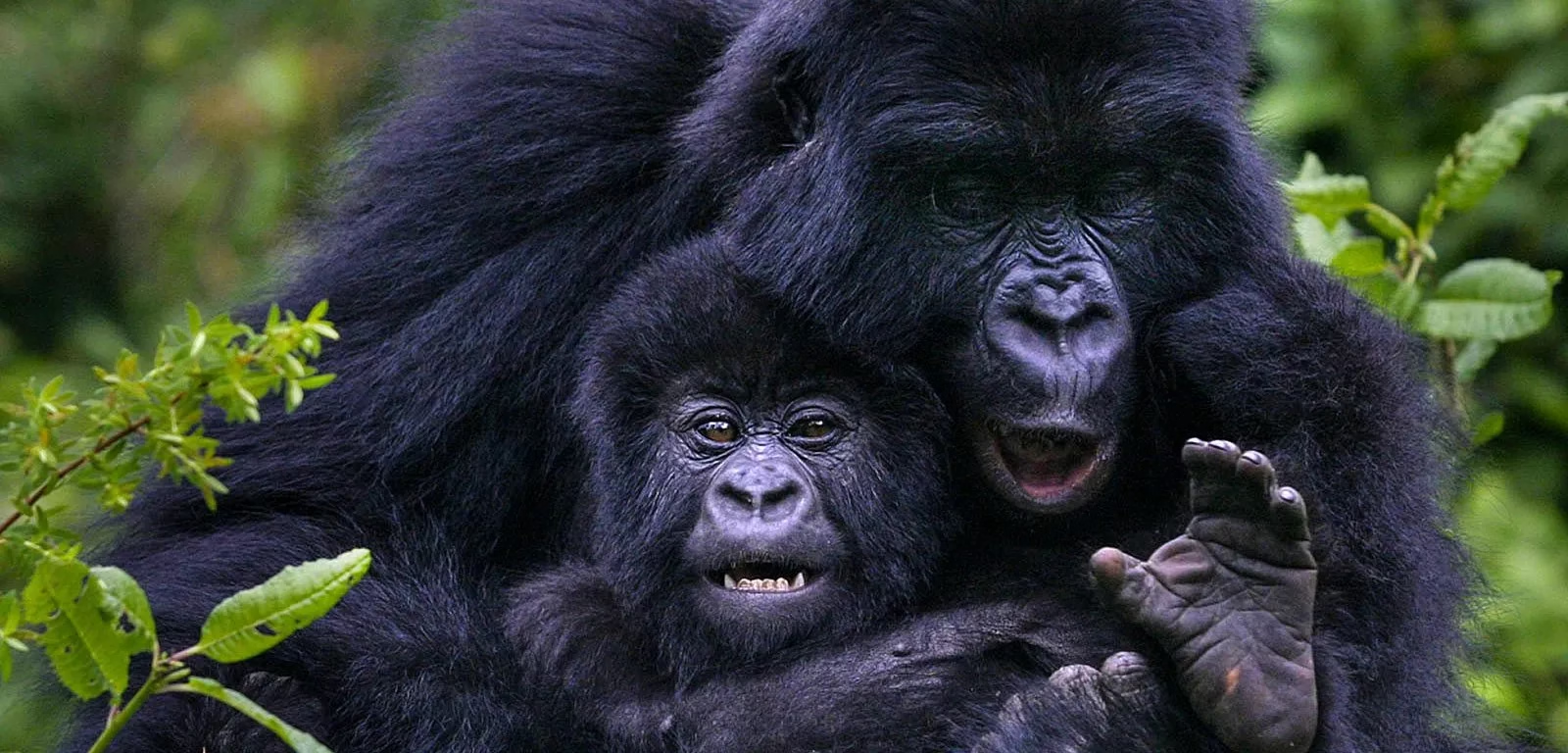
Travel Guide
Explore how gorilla trekking in Uganda evolved from early research to a leading eco-tourism activity supporting conservation and local communities.
The evolution of gorilla trekking Uganda has transformed a once difficult and uncertain encounter into one of the country’s most important wildlife tourism experiences. The supplied source traces this development through early gorilla research, habituation, the establishment of protected areas, structured permit systems, community involvement, conservation measures, and modern tourism practices.
Today’s gorilla trek may appear highly organized. Visitors obtain permits, arrive at established briefing points, meet rangers, and enter the forest under clear rules.
That structure developed over decades.
Earlier encounters involved far less infrastructure and much greater uncertainty. Researchers first needed to understand mountain gorillas, conservation institutions had to protect their habitat, and habituation was required before controlled tourism could develop.
Understanding this history gives modern visitors a stronger appreciation of what lies behind a day in Bwindi or Mgahinga.
The supplied source begins the story in the 1950s and 1960s with researchers including George Schaller.
At the time, mountain gorillas were less understood by the wider public than they are today.
Research helped build knowledge about their behavior and social lives.
This was an important step because effective conservation requires understanding the species being protected.
Research also helped change perceptions.
Gorillas had often been represented as frightening or aggressive animals. Long-term observation provided a more detailed picture of their social behavior.
The source then identifies Dian Fossey’s work in the 1970s as another important stage in bringing mountain gorillas to global attention.
Her research contributed to growing international awareness of these primates and the threats surrounding their survival.
Although Fossey’s work was centered in the wider Virunga region rather than representing Uganda’s tourism industry itself, the attention generated around mountain gorillas helped shape international interest in conservation and close observation of these animals.
This growing awareness created a foundation upon which later gorilla tourism could develop.
A central concept in the evolution of gorilla trekking Uganda is habituation.
The supplied source describes habituation as the process of getting gorillas accustomed to the presence of humans.
This does not turn gorillas into domestic animals.
They remain wild.
Instead, gradual exposure under controlled conditions allows particular families to tolerate carefully managed human observation.
The process can take considerable time.
Researchers and trackers need patience because rushing habituation would undermine the purpose of responsible wildlife tourism.
According to the source, early trekking was much more informal and difficult.
Infrastructure was limited, sightings could be uncertain, and forest journeys could involve long hikes.
This is very different from the structured tourism arrangements travelers encounter today.
There were fewer established systems for permits, accommodation, visitor management, and organized briefings.
The forest itself also created significant challenges.
Mountain gorillas live in dense, often steep environments, and locating them requires knowledge and tracking skill.
These challenges have never disappeared completely, but modern management provides far greater structure.
The supplied source identifies 1991 as a significant year, noting the creation of Bwindi Impenetrable National Park and Mgahinga Gorilla National Park.
Protected areas provided a formal framework for safeguarding gorillas and their habitats.
This was essential because gorilla conservation cannot succeed by protecting individual animals alone.
The forests and ecosystems they depend upon must also be maintained.
National park status creates a structure within which habitat management, ranger patrols, tourism, and conservation programs can operate.
Bwindi became the central destination for gorilla trekking in Uganda.
Its dense forest and mountain gorilla populations attracted growing interest from travelers.
As tourism developed, accommodation and guiding services expanded around the forest.
This gradually transformed surrounding areas as well.
Travelers needed places to stay, transportation, porters, guides, meals, and other services.
Gorilla tourism therefore became connected not only with wildlife protection but with a broader tourism economy.
The supplied source also highlights Mgahinga Gorilla National Park.
Together, Bwindi and Mgahinga form the main Ugandan protected areas associated with mountain gorillas.
Having formal national parks allows visitor activity to be regulated.
Tourists cannot simply enter gorilla habitat independently.
Trekking operates through organized systems designed to control access and provide professional supervision.
This structure is one of the most important changes from the early days described in the source.
The source identifies the establishment of the Uganda Wildlife Authority (UWA) as another major step.
UWA manages wildlife, regulates tourism, and supports enforcement and conservation within Uganda’s protected areas.
A central authority creates consistency.
Permit systems, visitor rules, ranger operations, and tourism management require coordination.
Without such systems, rapidly growing interest in gorilla tourism could create excessive pressure on both the animals and their habitat.
Institutional management therefore became fundamental to the development of responsible trekking.
As gorilla tourism expanded, permit systems were introduced.
The supplied source explains that permits serve two major purposes: limiting daily visitor numbers and raising conservation funds.
Both are essential.
Unrestricted visitor numbers could place excessive pressure on gorilla families and forest environments.
Limiting access helps keep encounters controlled.
At the same time, permit revenue connects tourism directly with the economic framework supporting wildlife management.
This makes gorilla trekking very different from an attraction where unlimited visitors can arrive whenever they wish.
The source identifies the 2000s as a period when gorilla trekking became an increasingly important tourism activity.
Growing international interest brought more visitors to Bwindi and Mgahinga.
Lodges and camps developed around trekking areas.
Transportation and guiding services expanded.
Travelers gained access to a broader range of accommodation, from simpler properties to more comfortable safari lodges.
This infrastructure made gorilla trekking accessible to a wider tourism market while still operating within controlled park systems.
Community involvement forms a major part of the evolution of gorilla trekking Uganda described in the source.
People living near protected areas experience the practical consequences of conservation.
The source highlights revenue-sharing programs that direct part of tourism income toward community priorities such as schools, health clinics, and infrastructure.
This creates a stronger link between successful wildlife tourism and benefits for surrounding communities.
Conservation becomes more sustainable when local people can participate in and benefit from the tourism economy.
The supplied material also identifies employment in guiding, portering, and hospitality.
These jobs demonstrate how gorilla tourism creates economic activity beyond permit sales.
Porters assist trekkers in the forest.
Guides provide interpretation and logistics.
Lodges employ staff in accommodation, food service, maintenance, administration, and other roles.
Transport providers and local businesses also participate in the tourism economy.
The source connects these opportunities with efforts to reduce poverty and pressure associated with poaching.
The development of successful tourism does not mean gorilla conservation has become simple.
The source identifies several continuing challenges.
Poaching threats require ranger patrols.
Human diseases can potentially be transmitted to gorillas.
Environmental changes can affect habitat quality.
These pressures explain why trekking must remain carefully managed even as tourism grows.
Visitors enter the habitat of a vulnerable wild primate.
The experience therefore requires rules that place conservation above convenience.
The supplied source explains that visitor behavior rules, permit caps, and health screening have been introduced as protective measures.
These systems reflect lessons learned as gorilla tourism evolved.
Limiting visitor numbers reduces pressure.
Health measures address the risks associated with close biological relationships between humans and gorillas.
Behavioral rules help manage encounters once visitors reach a family.
The exact visitor experience is therefore shaped by conservation needs rather than being designed solely around tourist preferences.
Modern Uganda offers more than one style of gorilla encounter.
The source contrasts traditional gorilla trekking with gorilla habituation visits.
Standard trekking provides a structured encounter with a habituated family.
The habituation experience allows visitors to spend a longer period observing gorillas involved in the habituation process under controlled conditions.
This expansion demonstrates how Uganda’s gorilla tourism product has developed beyond the earliest basic trekking model.
Different travelers can now select an experience that better matches their interests.
The source also identifies technology as part of modern tracking and monitoring.
Conservation teams need information about gorilla movements, family composition, health, and habitat.
Technology can support this work alongside the field knowledge of trackers and rangers.
However, technology does not replace human expertise.
People working in the forest develop detailed knowledge of gorilla families and their environment.
Modern conservation therefore combines established field skills with newer tools.
The supplied source presents gorilla trekking as an example of balancing wildlife protection with tourism benefits.
This balance is central to ecotourism.
Tourism depends on healthy gorilla populations and protected forest.
Conservation, in turn, can receive financial and public support from responsible tourism.
Communities can benefit economically through employment and tourism-related projects.
The system works best when these interests reinforce rather than undermine one another.
Modern trekkers participate in a tourism system built through decades of research, conservation, management, and community involvement.
Obtaining a permit and following ranger instructions may seem like ordinary travel procedures.
In reality, these systems are part of the evolution described in the source.
The visitor’s behavior matters.
Respecting park rules helps maintain the controlled conditions under which gorilla tourism operates.
Choosing responsible services and treating communities respectfully also contributes to the broader tourism environment.
The evolution of gorilla trekking Uganda reflects a gradual shift from uncertain early encounters toward structured wildlife tourism.
Research created greater understanding of mountain gorillas. Habituation made controlled observation possible. National parks provided habitat protection. The Uganda Wildlife Authority brought institutional management, while permits helped control visitor numbers and generate conservation funding.
Tourism growth then supported lodges, guides, porters, and community programs.
Challenges remain, including disease risks, poaching threats, and environmental pressure, which is why strict management continues to be necessary.
For today’s visitor, a gorilla trek is therefore more than an extraordinary wildlife encounter.
It is the latest chapter in a longer story linking scientific research, forest protection, local communities, tourism, and the continuing conservation of Uganda’s mountain gorillas.

26 African Countries Under Full or Partial U.S. Travel Ban (Post-December Update) Following the December update to U.S.…
Read article →
3 Days Congo Gorilla Safari – Encounter the Gentle Giants of Virunga A 3 Days Congo Gorilla Safari…
Read article →
Children and Kids on Safari – Family-Friendly Adventures in Africa Taking children on an African safari is one…
Read article →
How to Plan a Safari in Uganda—Your Complete Travel Guide Planning a safari in Uganda is the start…
Read article →