

26 African Countries Under Full or Partial U.S. Travel Ban (Post-December Update)
26 African Countries Under Full or Partial U.S. Travel Ban (Post-December Update) Following the December update to U.S.…
Read article →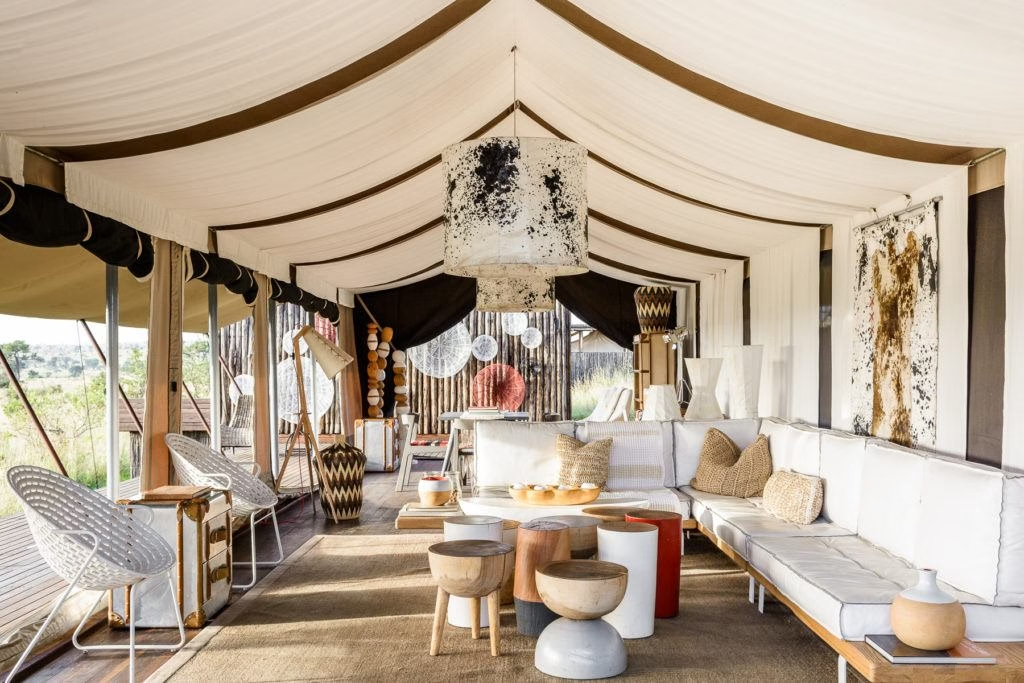
Travel Guide
Singita Wilderness Camps represent a style of African safari accommodation in which high levels of comfort are combined with access to natural landscapes and wildlife experiences. For travelers planning a premium safari, wilderness accommodation can become…
Singita Wilderness Camps represent a style of African safari accommodation in which high levels of comfort are combined with access to natural landscapes and wildlife experiences. For travelers planning a premium safari, wilderness accommodation can become more than simply a place to sleep. Its setting, guiding, service and connection with the surrounding environment can form an important part of the journey.
Luxury safari travel differs from a conventional hotel holiday because the destination itself remains central. Guests may begin their day early for wildlife viewing, spend time outdoors and travel through remote landscapes.
The accommodation therefore needs to support the safari rather than distract from it. Travelers considering Singita should evaluate individual properties according to destination, wildlife interests, season and the wider route they intend to follow.
A wilderness camp is designed around access to the natural environment.
Instead of staying in a large urban-style hotel and commuting long distances to wildlife areas, guests remain closer to the landscapes they have traveled to experience.
This can create a more immersive safari.
Wildlife, weather and natural sounds become part of everyday life.
However, wilderness accommodation still operates within controlled areas and according to specific safety procedures.
Guests should listen carefully to staff instructions, particularly regarding movement around camp.
Luxury does not remove the fact that visitors are spending time in environments inhabited by wild animals.
The appeal of Singita Wilderness Camps comes from combining comfort with a strong sense of place.
Travelers choosing high-end safari accommodation may expect thoughtfully designed rooms, attentive service and carefully prepared meals.
Yet the surrounding landscape remains the central attraction.
A well-designed safari property should complement its environment rather than making guests feel completely disconnected from it.
Views, materials and the overall layout can help visitors remain aware of the wilderness beyond their room.
For many travelers, this combination creates a more memorable experience than conventional luxury alone.
Wildlife viewing forms a major part of most wilderness safari stays.
The exact activities depend on the individual destination and current arrangements.
Game drives may be central in savannah environments, while other locations can provide different nature-based experiences.
Travelers should confirm what is included with their accommodation.
They should also understand whether activities are private or shared.
A luxury room does not automatically mean that every safari activity is exclusive.
Visitors specifically seeking a private vehicle or specialized photographic arrangements should discuss these preferences before booking.
The guide can have as much influence on a safari as the accommodation.
A knowledgeable guide interprets animal behavior, tracks, vegetation and the broader ecosystem.
Rather than simply driving between sightings, a strong guide helps visitors understand how the landscape functions.
Photographers may require a different style of guiding from first-time safari travelers.
Families may need explanations adapted to younger guests.
Experienced safari visitors may want deeper ecological information.
Luxury travel becomes more meaningful when the service is personalized around these interests.
Premium wilderness accommodation can appeal strongly to photographers.
Being positioned close to wildlife areas may allow visitors to begin activities without lengthy transfers.
Early morning and later afternoon often provide attractive photographic conditions.
Photographers should nevertheless remain realistic about wildlife.
No lodge can guarantee a particular animal at a particular location.
Patience and observation remain fundamental.
Travelers carrying extensive camera equipment should also confirm luggage restrictions if small aircraft form part of the itinerary.
Equipment insurance and backup storage deserve attention on an expensive photographic safari.
Some luxury travelers want a high degree of privacy.
This can influence accommodation choice, transfers and activity arrangements.
A private vehicle may provide greater flexibility where offered.
Families, honeymooners and photographers can particularly benefit from having a schedule adapted to their group.
However, private travel should never be interpreted as permission to disregard wildlife rules.
Guides remain responsible for appropriate behavior in protected environments.
Wildlife welfare and conservation regulations apply equally to guests regardless of how much the safari costs.
Wilderness camps can work particularly well for honeymoons because they combine memorable wildlife experiences with privacy and comfort.
Couples may prefer to spend several nights in each location rather than moving constantly.
A slower pace allows time for both safari activities and relaxation.
The itinerary can also combine contrasting environments.
A savannah safari might be followed by a beach stay or another wilderness destination.
Travelers should communicate special occasions before arrival if they want the accommodation to consider appropriate arrangements.
Specific services should always be confirmed rather than assumed.
Luxury wilderness travel can also work for families, but age restrictions and accommodation configurations need to be checked.
Some activities may not be suitable for very young children.
Families should discuss children’s ages during the planning stage.
Private vehicles can provide additional flexibility when available.
Parents may also value accommodation with suitable room arrangements.
The itinerary should include enough downtime.
Trying to maintain an adult safari schedule from early morning until late evening every day may be tiring for younger travelers.
Meals can become an important part of a luxury safari.
Travelers should communicate dietary restrictions before arrival.
Remote properties need advance notice to organize specialist ingredients.
The dining experience can vary between camps and destinations.
Guests should check which meals and beverages are included in their rate.
Understanding inclusions is especially important when comparing high-end safari prices.
A package that appears more expensive may include services that another quotation charges separately.
The complete value should therefore be assessed rather than comparing only nightly room prices.
Modern safari travelers increasingly consider the environmental impact of their accommodation choices.
Wilderness properties operate in or near sensitive ecosystems, making responsible resource management important.
Visitors can ask how a property approaches energy, waste, water and conservation.
They can also consider whether tourism contributes to local employment and conservation initiatives.
Luxury and sustainability do not need to conflict.
In many cases, high-value low-volume tourism can support significant conservation work when it is responsibly structured.
Guests also contribute through their own behavior by minimizing waste and respecting wildlife regulations.
Protected landscapes exist within broader social environments.
Tourism businesses may interact with surrounding communities through employment, purchasing, partnerships or other initiatives.
Travelers interested in responsible tourism can ask how these relationships operate.
Community experiences should be based on dignity and genuine participation.
Visitors should request permission before photographing people.
Purchasing locally produced goods can also provide economic value when done through appropriate channels.
A premium safari should deepen understanding of a destination rather than isolating guests entirely from its human context.
Luxury accommodation does not require formal clothing for most safari days.
Practical, comfortable clothing remains more useful.
Neutral colors work well during wildlife activities.
Layers can help manage cooler mornings and warmer afternoons.
A hat, sun protection and comfortable footwear are useful.
Travelers using light aircraft should pay particular attention to luggage limits.
Soft-sided bags may be required on some services.
Guests should confirm restrictions before packing because premium accommodation does not override aviation rules.
Travelers may choose several wilderness camps to experience contrasting ecosystems.
The route should be designed logically.
Flying between distant areas can save time, while road transfers may be appropriate for closer destinations.
Too many camps in a short itinerary can reduce the quality of the experience.
Changing accommodation every night or two creates repeated packing and travel.
Spending several nights in each location usually provides more opportunity to observe wildlife and appreciate the property.
Luxury is often enhanced by having more time rather than adding more destinations.
Luxury safari lodges in Africa can represent a substantial investment.
Travelers should understand exactly what the rate includes.
Accommodation, meals, activities, transfers and beverages may be packaged differently between properties.
Park or conservation fees may also be handled separately.
International flights, insurance and personal expenses generally need separate consideration.
A detailed quotation helps travelers compare options accurately.
Cancellation terms deserve particular attention because high-value safari arrangements may involve significant non-refundable commitments.
Singita Wilderness Camps may appeal to travelers who place high value on comfort, service, wilderness settings and carefully organized safari experiences.
Couples and honeymooners can appreciate privacy.
Photographers may value access to wildlife areas and strong guiding.
Families can consider suitable properties after checking age and accommodation requirements.
Experienced safari travelers may choose wilderness camps because they want a deeper and more refined experience of a particular ecosystem.
The individual camp should always be evaluated according to the complete itinerary rather than selected only because of the brand name.
A stay at Singita Wilderness Camps can become a central component of a premium African safari when the chosen property matches the traveler’s interests and route.
Luxury is most meaningful when it supports the destination rather than replacing it.
Comfortable accommodation, knowledgeable guiding and thoughtful service can allow guests to concentrate on wildlife and landscapes.
Travelers should compare individual camps, current activities, access arrangements and inclusions before booking.
They should also allow enough nights to appreciate each destination.
When carefully planned, a wilderness-camp itinerary can combine exclusive accommodation with memorable wildlife encounters and a stronger understanding of Africa’s natural landscapes.

26 African Countries Under Full or Partial U.S. Travel Ban (Post-December Update) Following the December update to U.S.…
Read article →
3 Days Congo Gorilla Safari – Encounter the Gentle Giants of Virunga A 3 Days Congo Gorilla Safari…
Read article →
Children and Kids on Safari – Family-Friendly Adventures in Africa Taking children on an African safari is one…
Read article →
How to Plan a Safari in Uganda—Your Complete Travel Guide Planning a safari in Uganda is the start…
Read article →