

26 African Countries Under Full or Partial U.S. Travel Ban (Post-December Update)
26 African Countries Under Full or Partial U.S. Travel Ban (Post-December Update) Following the December update to U.S.…
Read article →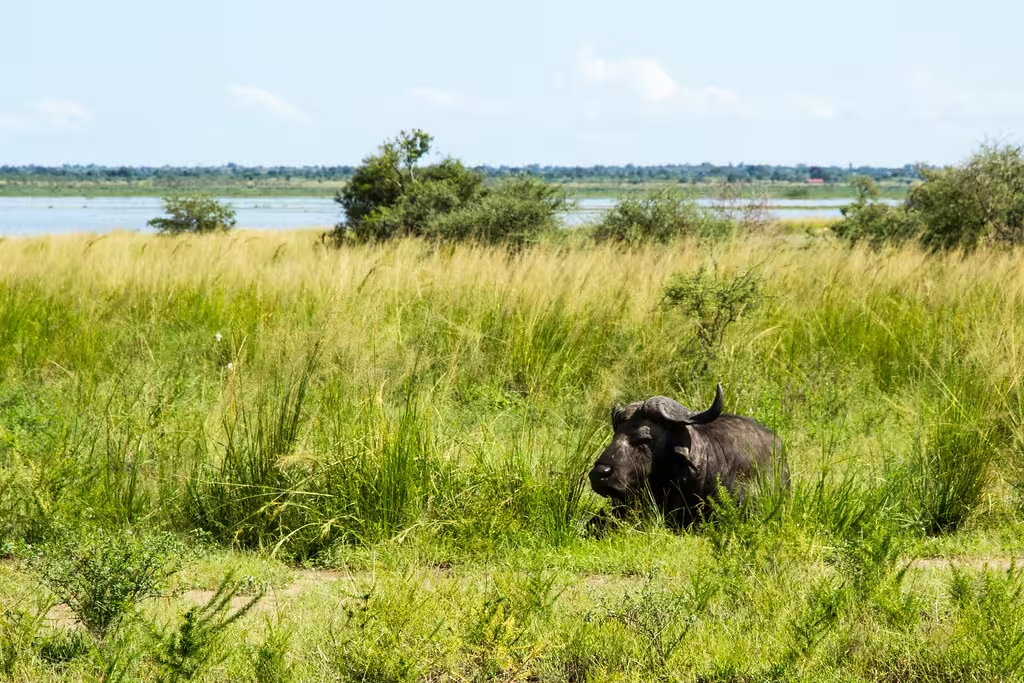
Travel Guide
Semuliki Wildlife Reserve offers a rich variety of habitats, from tropical rainforests and savannas, making it renowned for its biodiversity and rich wildlife.
Semuliki Wildlife Reserve is a wildlife destination in western Uganda characterized by tropical rainforest, savannah, wetlands, river environments, mammals, primates, and rich birdlife. According to the supplied source, the reserve covers approximately 220 square kilometers and lies close to the Semuliki River and the Democratic Republic of Congo.
Its varied habitats are central to its biodiversity.
Visitors can explore the reserve through game drives, birdwatching, guided nature walks, fishing experiences, and cultural visits. This combination allows travelers to experience more than conventional vehicle-based wildlife viewing.
The reserve is also important from a conservation perspective. The supplied material emphasizes its role in protecting species associated with the Albertine Rift and supporting community-based conservation programs intended to reduce human-wildlife conflict and encourage sustainable tourism.
The supplied source states that Semuliki Wildlife Reserve was established in 1993 with the primary purpose of conserving the area’s distinctive flora and fauna.
The region is ecologically significant because of its position within the wider Albertine Rift landscape.
Protecting habitats here contributes to the survival of species and ecosystems that may have restricted distributions.
Conservation therefore involves maintaining the landscape itself rather than focusing only on individual animals.
One of the defining features of the reserve is the variety of habitats identified in the source.
Tropical rainforest creates one environment, while savannah areas provide another.
Wetlands and the Semuliki River add additional ecological conditions.
These habitats support different species and make the reserve attractive to visitors interested in biodiversity rather than only large mammals.
A day of exploration can therefore reveal significant changes in vegetation and wildlife.
The Semuliki River is an important geographical feature of the reserve.
According to the source, it contributes to the area’s natural character while also providing opportunities for fishing.
River environments attract wildlife and support aquatic ecosystems.
For visitors, spending time near the river can create a quieter experience than a conventional game drive.
The scenery, birds, vegetation, and water combine to create a different perspective on the reserve.
The supplied source identifies several mammals that visitors may encounter in Semuliki Wildlife Reserve.
These include elephants, buffaloes, warthogs, baboons, colobus monkeys, and different antelope species.
As in every natural wildlife area, sightings depend on animal movement and local conditions.
The value of a safari lies in exploring the habitat with an experienced guide and observing whatever wildlife is naturally present.
Elephants are among the largest animals identified in the source.
Seeing them within Semuliki’s varied landscape can be particularly rewarding.
Visitors should observe from an appropriate distance and follow guide instructions.
An elephant encounter is more meaningful when travelers have time to watch natural feeding, movement, and social behavior rather than simply approaching for a quick photograph.
Buffaloes are another large mammal mentioned in the supplied material.
They may occur in suitable grassland and other habitats within the reserve.
Like other large wild animals, buffaloes require respectful viewing distances.
A guided safari provides the safest and most informative way to observe them.
The source also highlights warthogs and several antelope species.
These animals contribute to the reserve’s wider savannah ecosystem.
Visitors sometimes overlook smaller or more familiar mammals while searching for elephants or predators.
Taking time to watch antelopes, warthogs, and other species can reveal feeding behavior and interactions that make the overall safari richer.
Baboons and colobus monkeys are among the primates specifically mentioned in the supplied source.
Primate sightings add another dimension to the reserve.
Whereas game drives often focus on open areas, primates may draw attention toward trees and forest edges.
Binoculars can be helpful when animals are high in the canopy.
Visitors should avoid feeding primates because this can alter natural behavior.
Birdlife is one of the strongest attractions described in the source.
The supplied material states that more than 400 bird species have been recorded.
The mixture of wetlands, forest, and savannah creates habitat for birds with very different ecological requirements.
This makes Semuliki particularly attractive to travelers who want a safari focused partly or entirely on birdwatching.
The source specifically mentions the shoebill stork among notable birds.
Its distinctive appearance makes it a sought-after species for many birdwatchers.
A sighting should never be treated as guaranteed.
Birding requires patience, appropriate habitat, and knowledgeable guiding.
Even when a particular target species does not appear, the search can reveal numerous other birds.
One advantage of Semuliki’s varied habitat is the opportunity to look for both forest and savannah species.
A traveler can move between ecological zones rather than visiting a landscape dominated by only one vegetation type.
This diversity can make birding particularly rewarding over several days.
An experienced bird guide can identify calls and subtle visual differences that casual observers may miss.
Game drives are one of the principal activities identified in the supplied source.
Guided safari tours allow visitors to explore different parts of the reserve while searching for elephants, buffaloes, warthogs, antelopes, and other wildlife.
A vehicle also allows travelers to cover more ground than they could on foot.
The experience becomes especially valuable when the guide interprets animal behavior and explains the surrounding ecosystem.
The source describes early morning as one of the preferred periods for wildlife viewing.
Morning temperatures can be comfortable, and the changing light creates attractive conditions for photography.
Starting early also gives visitors time to explore before the middle of the day.
Travelers should carry suitable clothing because temperatures may feel different at the beginning of the activity than later.
Late afternoon is also highlighted in the source.
The softer light can be particularly appealing to photographers.
Wildlife activity may change as daytime temperatures decline.
Combining morning and afternoon drives over several days can provide different experiences rather than repeating the same route at the same time.
Travelers wanting a closer connection with the environment can consider guided nature walks.
The source describes these walks as opportunities to observe monkeys, reptiles, plants, and other features at close range.
Walking changes the scale of a safari.
Instead of scanning distant landscapes from a vehicle, visitors begin noticing tracks, leaves, insects, sounds, and small details.
The supplied material emphasizes flora as well as fauna.
A knowledgeable guide can explain plant species and their place within the ecosystem.
This is particularly useful in forest environments where vegetation itself is a major part of the attraction.
Understanding plants can also help visitors appreciate how different animals depend on the habitat.
Nature walks can reveal reptiles and other smaller animals that may be difficult to notice from a vehicle.
These species are important parts of the ecosystem even if they receive less attention than elephants or primates.
Slowing down therefore broadens the wildlife experience.
The source identifies sport fishing as another possible activity on the Semuliki River.
Visitors can try fishing while experiencing the quieter river environment.
Fishing activities should follow the regulations and guidance applicable to the reserve.
The experience is not only about catching fish.
The river setting itself provides scenery, birdlife, and an opportunity to experience another aspect of the protected landscape.
The supplied source highlights cultural visits involving communities around the reserve.
It specifically mentions Bakonjo and Batwa communities.
These experiences can introduce visitors to local customs, traditions, and community life.
A wildlife reserve does not exist separately from surrounding people, and cultural activities can help travelers understand the wider social landscape.
Community visits should be approached respectfully.
Visitors should listen to local hosts, follow guidance, and ask permission before taking photographs where appropriate.
Cultural tourism is most meaningful when it creates genuine exchange rather than presenting communities merely as visual attractions.
Purchasing locally produced crafts or using community services can also direct tourism income locally.
The supplied source recommends the drier periods of December to February and June to September for better access and wildlife viewing.
Drier conditions can make roads and trails easier to navigate.
However, a tropical destination can still experience rain during these periods.
Travelers should therefore carry appropriate rain protection regardless of the month.
Rain supports the forest and wetland habitats that make the reserve biologically rich.
Travelers visiting outside the drier periods should prepare for potentially wetter roads and trails.
Good footwear, waterproof protection for cameras, and flexible schedules become particularly useful.
The presence of rain does not remove the reserve’s biodiversity; it simply changes the practical conditions of exploration.
The supplied source places the reserve approximately 40 kilometers from Fort Portal.
This makes Fort Portal an important gateway for travelers approaching the area.
Visitors can combine the reserve with other western Uganda destinations depending on available time.
Road conditions and travel duration can vary, so itineraries should allow realistic transfer time.
The source describes the reserve as approximately 300 kilometers from Kampala, with a road journey of about five to six hours.
Travelers should treat this as a substantial transfer rather than trying to combine the entire journey with a rushed wildlife activity.
Staying in or around the destination allows more time for exploration.
Conservation is fundamental to Semuliki Wildlife Reserve.
The source emphasizes the protection of tropical rainforest and wildlife associated with the Albertine Rift.
Maintaining habitat protects multiple species simultaneously.
Forests, wetlands, rivers, and savannah areas all contribute to the ecological diversity that makes the reserve important.
The supplied material also highlights community-based conservation programs.
These initiatives are intended to involve surrounding communities and reduce human-wildlife conflict.
Conservation becomes more sustainable when people living near protected areas receive meaningful benefits and participate in protecting natural resources.
Tourism can contribute through employment, guiding, community visits, and other locally connected services.
Semuliki can appeal to travelers who want more than a conventional Big Five safari.
Birders can focus on the reserve’s extensive species diversity.
Nature enthusiasts can explore forest and wetland habitats.
Visitors interested in culture can add community experiences, while game drives provide opportunities to search for larger mammals.
This variety makes the reserve suitable for slower, more exploratory travel.
The supplied source presents Semuliki Wildlife Reserve as a biodiverse protected area in western Uganda covering approximately 220 square kilometers.
Its mixture of tropical rainforest, savannah, wetlands, and river habitats supports elephants, buffaloes, warthogs, primates, antelopes, reptiles, and more than 400 bird species according to the source.
Visitors can experience the reserve through game drives, birdwatching, guided nature walks, fishing, and cultural visits involving surrounding communities.
The source recommends the drier periods from December to February and June to September for easier access.
Beyond tourism, Semuliki plays an important conservation role by protecting distinctive Albertine Rift biodiversity and supporting community-based approaches to conservation.
For travelers interested in wildlife, birds, forests, rivers, and cultural experiences within the same journey, Semuliki offers a varied introduction to the natural landscapes of western Uganda.

26 African Countries Under Full or Partial U.S. Travel Ban (Post-December Update) Following the December update to U.S.…
Read article →
3 Days Congo Gorilla Safari – Encounter the Gentle Giants of Virunga A 3 Days Congo Gorilla Safari…
Read article →
Children and Kids on Safari – Family-Friendly Adventures in Africa Taking children on an African safari is one…
Read article →
How to Plan a Safari in Uganda—Your Complete Travel Guide Planning a safari in Uganda is the start…
Read article →