
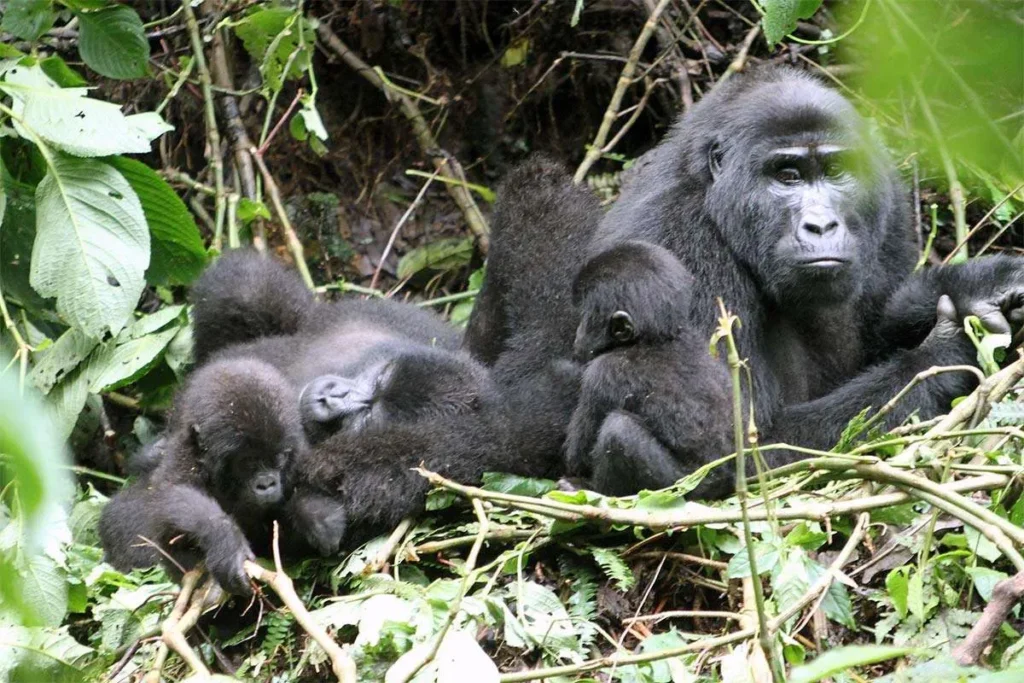
Nshongi Gorilla Family in Bwindi
Nshongi Gorilla Family in Bwindi: History, Location and Trekking Guide The Nshongi Gorilla Family holds an important place…
Read article →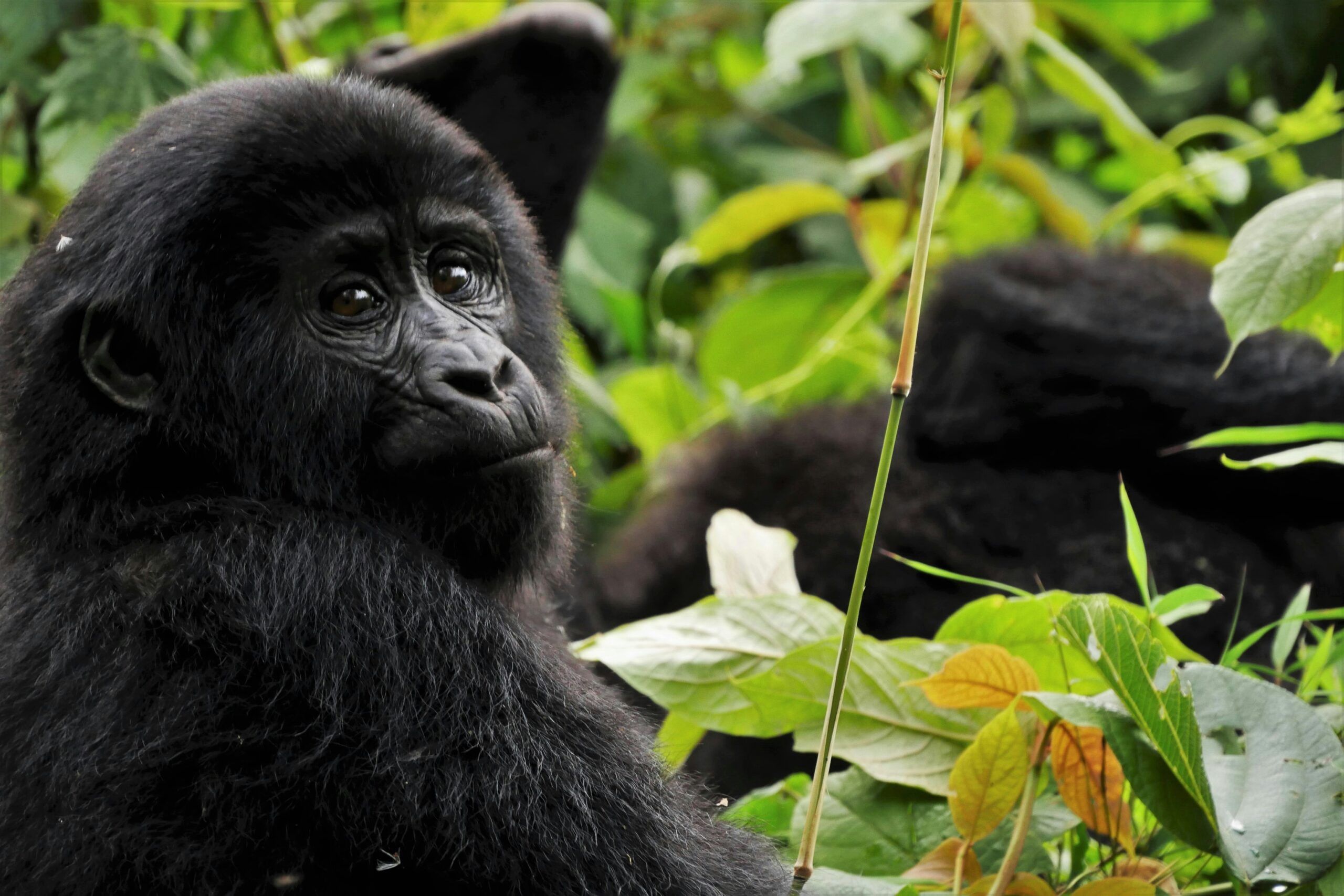
Travel Guide
Choosing between Rwanda and Uganda for gorilla trekking shapes your entire safari experience. Both destinations protect mountain gorillas within the Virunga and Bwindi ecosystems, yet they deliver very different styles of travel. This Rwanda vs. Uganda…
Choosing between Rwanda and Uganda for gorilla trekking shapes your entire safari experience. Both destinations protect mountain gorillas within the Virunga and Bwindi ecosystems, yet they deliver very different styles of travel. This Rwanda vs. Uganda gorilla trekking comparison breaks down cost, accessibility, trekking conditions, accommodation, and overall value so you can make a clear decision.
Rwanda offers a streamlined and premium trekking experience inside Volcanoes National Park. The park sits close to Kigali, which allows travelers to land and reach the forest within a few hours. This short transfer creates one of the most efficient gorilla trekking itineraries in Africa.
The trekking system in Rwanda feels organized and controlled. Rangers assign gorilla families carefully, and the trails often start at higher elevations, which can reduce the initial climb. The experience suits travelers who prefer structure, comfort, and time efficiency.
Rwanda hosts a limited number of habituated gorilla families, which adds exclusivity to the experience. Visitor numbers remain tightly controlled, which keeps encounters intimate and well-managed.
Uganda offers a broader and more diverse gorilla trekking environment across Bwindi Impenetrable National Park and Mgahinga Gorilla National Park. Bwindi alone contains multiple trekking sectors, each with distinct terrain and gorilla families.
The experience in Uganda feels more rugged and immersive. Trekkers move through dense rainforest, steep valleys, and varied landscapes. This creates a deeper sense of adventure compared to Rwanda’s more structured setup.
Uganda hosts more than double the number of habituated gorilla families compared to Rwanda. This increases permit availability and provides more flexibility when planning your trek.
Cost creates one of the biggest differences in this rwanda vs uganda gorilla trekking decision. Rwanda charges USD 1,500 per permit, while Uganda charges USD 800 for a standard gorilla trekking permit.
Uganda also offers a gorilla habituation experience at USD 1,500, which allows up to four hours with gorillas instead of one. This option appeals to travelers who want extended time in the forest.
Rwanda positions itself as a premium destination, while Uganda provides more budget flexibility without compromising the quality of the encounter.
Rwanda leads in accessibility. Travelers fly into Kigali International Airport and drive about 2.5 to 3 hours to reach Volcanoes National Park. This short transfer allows for quick itineraries, including 1–3 day gorilla trekking trips.
Uganda requires longer travel times. Visitors often fly into Entebbe and drive 8 to 10 hours to reach Bwindi. However, travelers can reduce this journey by flying domestically to airstrips near the park.
Some travelers choose a hybrid approach by flying into Kigali and crossing into Uganda’s Bwindi region, which takes around 4 to 5 hours. This option combines Rwanda’s accessibility with Uganda’s lower permit cost.
Rwanda’s terrain consists of volcanic slopes with bamboo forests and open sections. Treks often feel shorter and more predictable, although steep climbs still occur.
Uganda presents more varied and challenging terrain. Bwindi’s dense forest includes steep ridges, thick vegetation, and uneven trails. Trekking here often requires more effort and physical endurance.
Travelers who prefer easier conditions often choose Rwanda. Those seeking a more adventurous and physically engaging trek lean toward Uganda.
Uganda offers over 30 habituated gorilla families, while Rwanda has around 15. This difference affects permit availability and flexibility.
Uganda’s larger number of families allows for more booking options, especially during peak seasons. Rwanda’s limited numbers increase exclusivity but require earlier planning.
Both destinations maintain high success rates for gorilla sightings due to daily tracking by experienced rangers.
Rwanda focuses on high-end and luxury accommodation. Lodges near Volcanoes National Park deliver refined service, scenic views, and strong proximity to trekking points.
Uganda provides a wider range of options, from midrange lodges to high-end properties. The diversity allows travelers to match accommodation with their budget and overall safari plan.
Uganda also integrates more activities into a single itinerary. Visitors can combine gorilla trekking with chimpanzee tracking in Kibale Forest, wildlife safaris in Queen Elizabeth National Park, and boat cruises along the Nile in Murchison Falls National Park.
Rwanda delivers efficiency, luxury, and a focused gorilla trekking experience. It suits travelers with limited time or those who prioritize comfort and convenience.
Uganda delivers diversity, adventure, and stronger overall safari value. It suits travelers who want a longer itinerary with multiple wildlife experiences beyond gorillas.
When comparing rwanda vs uganda gorilla trekking, the decision often comes down to travel style rather than the quality of the gorilla encounter itself.
Rwanda suits travelers who want a shorter trip, easier access, and a premium trekking environment. It works well for high-end travelers and those combining gorilla trekking with a quick East Africa itinerary.
Uganda suits travelers who want more value, more gorilla families, and a broader safari experience. It appeals to those who enjoy longer trips and varied wildlife activities.
Both destinations deliver unforgettable encounters with mountain gorillas. The difference lies in how you experience the journey.
The rwanda vs uganda gorilla trekking choice depends on your priorities. Rwanda offers accessibility, structure, and luxury. Uganda offers diversity, flexibility, and stronger overall value.
Gorilla trekking remains exceptional in both countries. Your ideal destination depends on how much time you have, your budget, and the type of safari experience you want to build.

Nshongi Gorilla Family in Bwindi: History, Location and Trekking Guide The Nshongi Gorilla Family holds an important place…
Read article →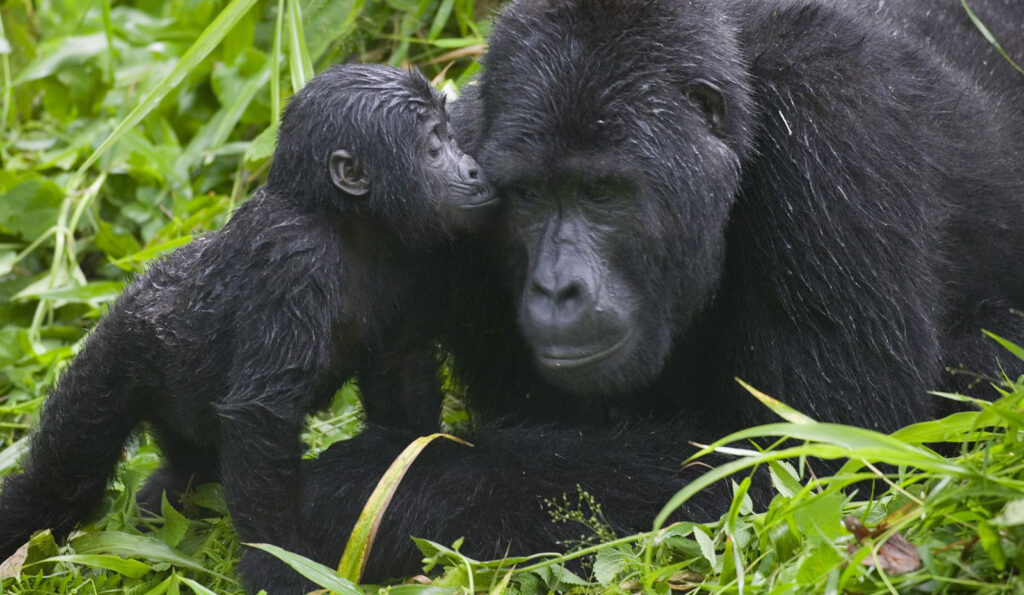
Mishaya Gorilla Family in Bwindi: History, Trekking and What to Know The Mishaya Gorilla Family is one of…
Read article →
Semuliki Hot Springs Visit Guide: What to Expect Semuliki Hot Springs offers one of the most unusual natural…
Read article →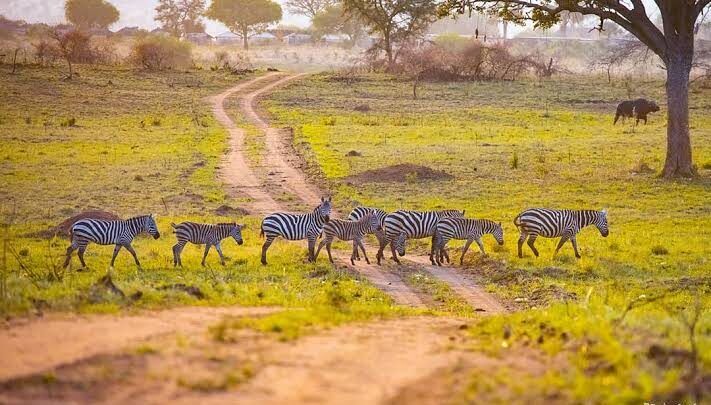
Kidepo Valley Remote Safari Guide: What to Expect Kidepo Valley National Park offers one of Uganda's most remote…
Read article →