

26 African Countries Under Full or Partial U.S. Travel Ban (Post-December Update)
26 African Countries Under Full or Partial U.S. Travel Ban (Post-December Update) Following the December update to U.S.…
Read article →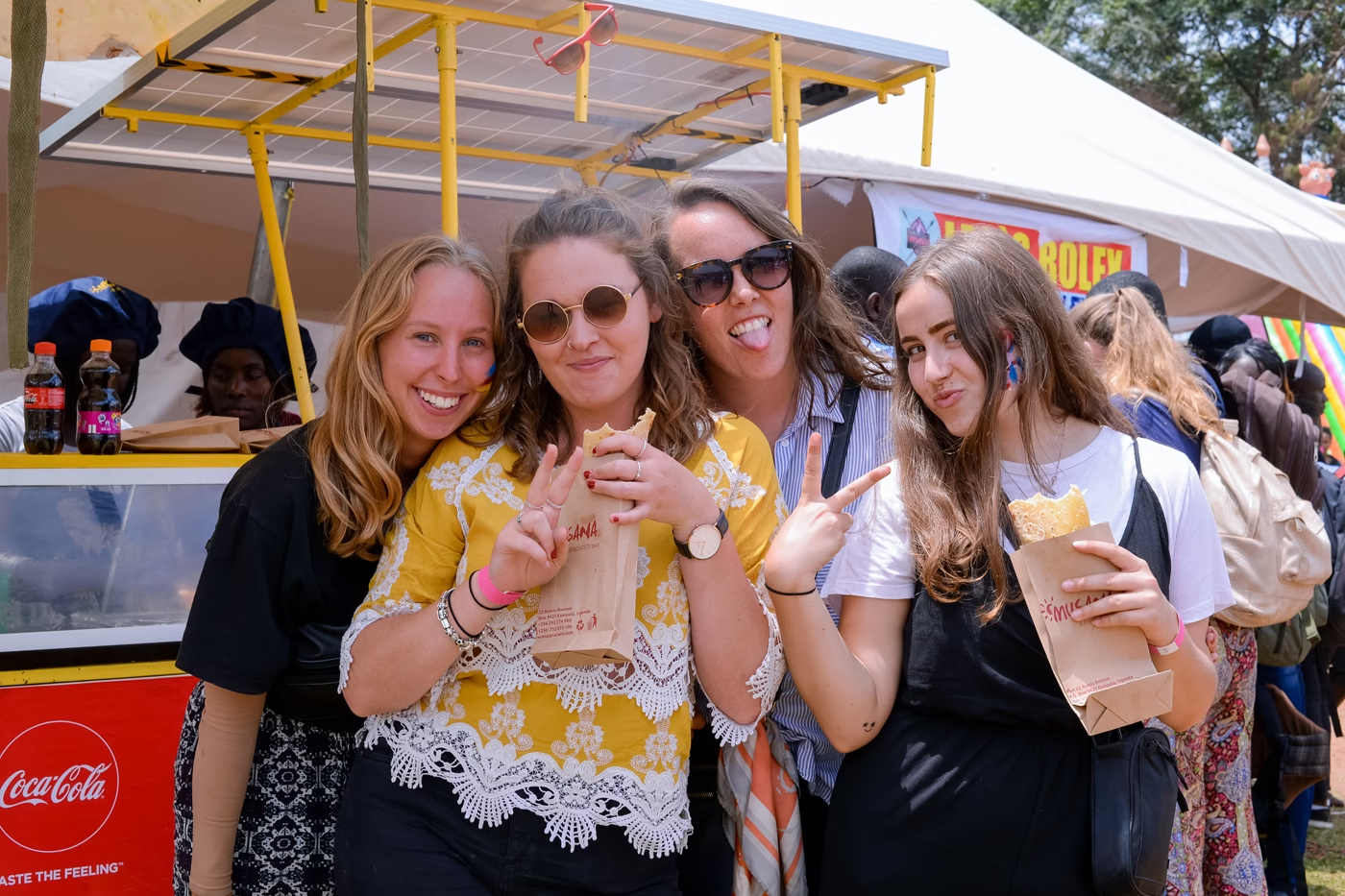
Travel Guide
The Rolex Festival in Uganda celebrates the country’s famous street food, the Rolex. Discover the history, highlights, and why this festival attracts food lovers from all over.
The Rolex Festival in Uganda celebrates one of the country’s best-known street foods by bringing together cooks, street vendors, entrepreneurs, performers, families, and food enthusiasts. At the center of the event is the Ugandan Rolex, a popular combination of eggs and chapati that has developed from an everyday roadside meal into a recognizable part of the country’s contemporary food culture.
According to the supplied source, the festival began in 2016 and has since developed into a major food-centered event. It combines cooking competitions, a street-food market, entertainment, cultural performances, business opportunities, and family activities.
The event demonstrates how a relatively simple meal can become a platform for creativity and entrepreneurship.
Visitors do not simply arrive to eat one standard Rolex. Vendors experiment with ingredients and preparation styles, producing variations that range from meat-filled and vegetable-packed versions to sweet interpretations.
The Ugandan Rolex has nothing to do with the watch brand.
Its identity comes from the combination of eggs and chapati, prepared as a convenient rolled street meal.
The simplicity of the basic concept allows vendors to personalize it.
Different cooks adjust vegetables, seasonings, fillings, sauces, and preparation techniques.
That flexibility is one reason the Rolex works so well as the center of an entire food festival.
Before becoming a festival attraction, the Rolex was fundamentally street food.
It is associated with quick preparation, affordability, roadside vendors, and everyday eating.
The festival does not remove this background. Instead, it celebrates the creativity that has developed around a familiar meal.
For international visitors, tasting a Rolex can therefore provide a direct introduction to a food many Ugandans already recognize from ordinary daily life.
The supplied source attributes the idea for the festival to Enid Mirembe, described as a young Ugandan entrepreneur.
She is presented as recognizing the potential of Rolex as a national food brand and creating the first festival in 2016.
The event was intended both to celebrate street-food culture and to create economic opportunities for vendors.
The first event attracted crowds interested in tasting different versions of the dish according to the source.
This demonstrated that a familiar street food could support a larger culinary event.
The festival format gave cooks room to experiment while allowing visitors to compare different interpretations in one location.
The supplied material describes the festival as having expanded beyond its initial Kampala setting to include activity in Jinja and other major towns.
It also describes growing interest from food enthusiasts from elsewhere in Africa and beyond.
The central identity, however, remains strongly Ugandan.
The event uses a local street food as the foundation for a wider celebration of cuisine and creativity.
Cooking competitions are one of the festival’s main attractions.
The source describes skilled chefs and street vendors competing to create innovative and flavorful versions of the Rolex.
Competition encourages cooks to take a familiar dish and reconsider ingredients, presentation, texture, and flavor.
For spectators, the activity provides entertainment while demonstrating the skill involved in preparing food quickly and consistently.
A standard egg-and-chapati combination provides a foundation rather than a strict limitation.
Chefs can experiment with vegetables, meat, sauces, seasoning, and other additions.
This means visitors can taste several Rolex preparations without feeling that they are repeatedly eating exactly the same meal.
According to the supplied source, judges and festival-goers participate in evaluating creations.
Taste and creativity become part of the competition.
This interactive element helps make visitors participants in the event rather than passive spectators.
The street food market is another central feature described by the source.
Visitors can move among vendors and taste different versions of the Rolex.
This creates an opportunity to compare cooking styles while interacting directly with food entrepreneurs.
Travelers should arrive hungry rather than eating a large meal immediately before attending.
The source specifically mentions meat-filled versions.
Adding meat changes the meal from the basic egg-and-chapati format into something more substantial.
Different vendors may interpret the idea differently, making comparison part of the fun.
Vegetable-heavy Rolex options are also identified.
These can emphasize texture, freshness, and different combinations of ingredients.
The flexibility of the Rolex makes it possible for cooks to adapt it to varied tastes.
Perhaps one of the more unexpected examples in the source is a sweet Rolex using ingredients such as honey or chocolate.
These variations demonstrate how far cooks can move from the traditional savory concept while still using the rolled format as inspiration.
Visitors interested in culinary experimentation may find these versions particularly memorable.
Food is not the festival’s only attraction.
The supplied source describes local artists, dancers, and musicians providing entertainment throughout the event.
This gives the festival a broader cultural atmosphere.
Visitors can alternate between eating, watching cooking, listening to music, and observing performances.
Live music contributes to the energy of the festival.
Rather than creating a quiet tasting environment, the event is presented as a social celebration.
Music encourages visitors to remain at the venue longer and experience the gathering as entertainment rather than simply a place to purchase food.
The source also mentions DJ performances.
These introduce contemporary entertainment alongside more traditional cultural presentations.
The combination reflects a festival that celebrates modern Ugandan street culture as well as broader cultural identity.
Traditional performances provide another dimension.
They allow visitors, particularly international travelers, to experience aspects of Ugandan music and dance while attending a food event.
This makes the festival potentially useful within a broader cultural tourism itinerary.
One of the most important themes in the supplied source is entrepreneurship.
The festival provides vendors and young food entrepreneurs with a platform to present their businesses to large numbers of potential customers.
Visibility can matter greatly to small food enterprises.
A vendor who normally serves one neighborhood may suddenly introduce a product to visitors from many parts of the country.
The event also creates opportunities for cooks, suppliers, entrepreneurs, and customers to interact.
Networking can lead to new ideas and business relationships.
The source states that some vendors gain customers and expand their businesses after participating.
This gives the festival an economic purpose beyond entertainment.
Street vendors often operate outside the formal restaurant environment.
A major festival can bring additional recognition to their skills.
It provides a stage on which street-food preparation is treated as culinary creativity rather than as an inferior form of dining.
The supplied material describes the festival as suitable for different age groups.
Kids’ zones, games, and challenges are mentioned among the family-oriented activities.
This means parents do not necessarily need to treat the event as an adults-only food gathering.
A family can combine eating with entertainment throughout the day.
The festival’s significance extends beyond the number of Rolex meals sold.
According to the source, it promotes Uganda’s street-food culture, creates opportunities for vendors, and encourages culinary innovation.
These functions help transform a familiar everyday food into a recognizable national culinary symbol.
Tourism marketing often focuses heavily on wildlife.
Food receives less attention even though every visitor needs to eat and culinary experiences can become some of the strongest travel memories.
The Rolex Festival provides an opportunity to present a distinctly Ugandan food within a celebratory setting.
Competition and experimentation encourage cooks to develop new flavors.
This does not necessarily mean abandoning the original street-food identity.
Instead, innovation demonstrates how a simple food can continue evolving while retaining a recognizable foundation.
Visitors who purchase food directly from vendors contribute to local businesses.
This economic relationship is one of the festival’s practical benefits.
Tourism spending can therefore move directly toward cooks and entrepreneurs rather than remaining only within large hospitality businesses.
The supplied source states that the Rolex Festival usually takes place in August or September in Kampala, while also noting that dates and venues can vary.
This variation means travelers should confirm the actual event schedule for the year they intend to visit.
A trip should not be planned around an assumed date without checking current arrangements.
The source’s simplest advice is also one of the most practical: arrive ready to eat.
With many vendors offering different preparations, visitors may want to sample smaller portions from several places rather than choosing one large meal immediately.
This makes comparison easier.
The event includes much more than food stalls.
Cooking competitions, performances, games, and business showcases deserve time.
Visitors who rush through simply to purchase a Rolex may miss much of what distinguishes the festival from buying the same food from a roadside vendor on an ordinary day.
Speaking with vendors can make the experience more interesting.
Visitors can ask about ingredients, preparation techniques, and how a particular variation was developed.
This direct interaction helps connect the food with the people preparing it.
Colorful ingredients, active cooking, crowds, and performances can make the festival attractive for photography.
Visitors should remain considerate when photographing individual vendors or festival-goers.
Asking permission before taking close portraits is a simple form of respect.
International travelers attending during festival dates can include the event within a broader Uganda itinerary.
It can provide a lively cultural experience before or after wildlife travel.
A day centered on food and entertainment contrasts well with game drives, forest trekking, or long road journeys.
Travelers who cannot attend the festival can still experience the Rolex elsewhere in Uganda.
Its identity as street food means it is not dependent on one annual event.
The festival simply concentrates many variations, vendors, and entertainment experiences within one celebration.
The entrepreneurial theme deserves particular attention.
The supplied source presents the festival as a place where young business owners can showcase their work.
Food businesses can sometimes begin with relatively simple products and expand through creativity, consistency, and customer recognition.
The Rolex provides a useful example of how a familiar food can become the basis of a brand or enterprise.
A country’s culture can be experienced through museums, music, dance, architecture, and historical sites, but food provides another powerful route.
The Rolex Festival combines several of these dimensions.
Visitors taste local food while hearing music, watching performances, meeting entrepreneurs, and participating in a contemporary Ugandan social event.
The supplied source presents the Rolex Festival in Uganda as a national celebration of street food, entrepreneurship, entertainment, and culinary creativity.
Launched in 2016, the festival places Uganda’s egg-and-chapati Rolex at the center of cooking competitions and a large street-food market. Vendors create traditional and experimental versions, including meat-filled, vegetable-packed, and sweet preparations.
Music, dancing, DJ sets, children’s activities, and cultural performances extend the experience beyond eating. At the same time, the festival provides young entrepreneurs and street vendors with opportunities to reach new customers and showcase their businesses.
The source describes the event as generally taking place around August or September while emphasizing that dates and locations may change.
For travelers whose dates correspond with the festival, it offers an opportunity to experience Uganda through food rather than viewing the country only through its wildlife attractions. The event demonstrates how one simple street meal can carry stories of everyday life, creativity, business, and contemporary culinary identity.

26 African Countries Under Full or Partial U.S. Travel Ban (Post-December Update) Following the December update to U.S.…
Read article →
3 Days Congo Gorilla Safari – Encounter the Gentle Giants of Virunga A 3 Days Congo Gorilla Safari…
Read article →
Children and Kids on Safari – Family-Friendly Adventures in Africa Taking children on an African safari is one…
Read article →
How to Plan a Safari in Uganda—Your Complete Travel Guide Planning a safari in Uganda is the start…
Read article →