

26 African Countries Under Full or Partial U.S. Travel Ban (Post-December Update)
26 African Countries Under Full or Partial U.S. Travel Ban (Post-December Update) Following the December update to U.S.…
Read article →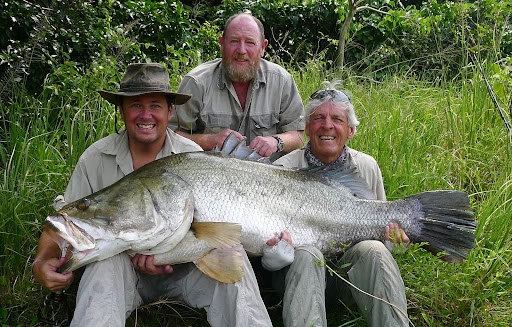
Travel Guide
Discover everything about the Nile Perch, from its habitat in Lake Victoria to its economic and culinary importance in Uganda and beyond.
The Nile Perch, identified in the supplied source as Lates niloticus, is one of Africa’s best-known freshwater fish. Its enormous potential size, role as a predator, commercial importance, and popularity as food have made it particularly significant around Uganda and the wider Lake Victoria region.
The source describes Lake Victoria as one of its major habitats and emphasizes the fish’s importance to fishing, trade, employment, and cuisine.
At the same time, the Nile Perch is connected with ecological controversy because of the effects associated with its introduction into Lake Victoria.
This combination of economic value and environmental impact makes the species more complicated than an ordinary food fish.
For visitors to Uganda, it can also become part of a culinary experience through markets, lakeside restaurants, and locally prepared meals.
The supplied source describes the Nile Perch as a large, silver-scaled freshwater fish with firm white flesh.
It is a major predator within the aquatic environments where it occurs.
The source states that exceptionally large individuals can exceed 2 meters in length and 200 kilograms in weight.
These dimensions help explain why the species has gained such a strong reputation among fishers and travelers interested in sport fishing.
As a predator, Nile Perch feed on smaller fish.
Their position in the food web gives them substantial ecological influence.
Predators affect not only the animals they consume but potentially the wider relationships among species within an ecosystem.
This becomes particularly important when a large predator is introduced into an environment where native species have developed under different ecological conditions.
The source emphasizes the fish’s silver-scaled appearance and large body.
Its physical size makes adult specimens immediately impressive.
For travelers visiting fishing communities or markets, even smaller commercially caught individuals can demonstrate why the fish plays such an important role in the regional industry.
Its firm flesh also contributes to its popularity in restaurants and processing facilities.
The supplied material describes Nile Perch as living in warm tropical freshwater environments.
It identifies Lake Victoria, Lake Albert, Lake Kyoga, and the Nile River among important habitats.
This distribution connects the species with several of Uganda’s major water systems.
Each environment also supports fishing communities whose livelihoods can be closely linked with freshwater resources.
Lake Victoria is the most famous habitat discussed in the source.
The lake is shared by Uganda, Kenya, and Tanzania, making its fisheries regionally important.
The source connects the Nile Perch with both commercial fishing and major ecological changes within the lake.
For travelers, Lake Victoria provides several opportunities to encounter the fish through restaurants, markets, fishing communities, and food culture.
The source also identifies Lake Albert as an important Ugandan habitat.
Lake Albert forms part of the wider Nile system.
Fishing communities around the lake depend on aquatic resources for food and income.
The presence of Nile Perch contributes to the commercial importance of these fisheries within the source’s framing.
Lake Kyoga is another major Ugandan water body listed in the supplied material.
Its inclusion demonstrates that the Nile Perch is not associated only with Lake Victoria.
The species occurs across connected freshwater systems.
For visitors interested in Uganda’s fishing culture, understanding this wider distribution provides useful context.
The source states that Nile Perch occur along the Nile’s course through several African countries.
This broad distribution helps explain the common name.
The river connects multiple freshwater environments and communities.
The species therefore belongs to a wider African aquatic story rather than being exclusively Ugandan.
One of the most important aspects of the source is its description of the Nile Perch’s introduction into Lake Victoria during the 1950s.
The material links this introduction with the later development of a highly productive fishery.
Commercially, the species became extremely valuable.
Ecologically, however, its presence created major controversy.
These two outcomes need to be understood together.
According to the supplied source, the Nile Perch helped transform Lake Victoria into one of the world’s highly productive fisheries.
Commercial demand created work across fishing, processing, transport, and trading.
The fish is not simply caught and eaten locally.
Its fillets are processed for wider markets, creating a supply chain extending beyond fishing communities.
The source describes thousands of fishermen, traders, and processors as benefiting from the Nile Perch industry.
A fishery creates several layers of employment.
Fish need to be caught, landed, handled, transported, processed, sold, and prepared.
Related businesses also develop around equipment, transport, food, and other services.
The economic influence can therefore extend far beyond the people physically operating fishing boats.
The supplied material states that Uganda exports Nile Perch fillets to markets in Europe, Asia, and the Middle East.
This makes the fish part of international trade.
A species caught in East African freshwater may ultimately be consumed thousands of kilometers away.
Export demand contributes to the commercial value of the fish and the wider importance of maintaining viable fisheries.
Economic success is only one side of the Nile Perch story.
The source describes substantial ecological impacts associated with the species in Lake Victoria.
As a large predator, it consumed native fish and contributed to major changes within the lake’s ecosystem.
This has made Nile Perch one of the most discussed examples of the consequences associated with introducing a predator into a new aquatic environment.
The supplied source refers particularly to declines among smaller fish, including tilapia and haplochromines.
This predation affected the composition of the lake’s fish communities.
The ecological consequences remain an important subject of conservation interest within the source.
It demonstrates how a species can be economically valuable while simultaneously creating significant environmental concerns.
The source states that conservationists continue studying the long-term effects on biodiversity.
Large ecosystems are complex.
Changes involving predators, fishing pressure, native species, water conditions, and human activity can interact over time.
Continued research is therefore important for understanding how the fishery and ecosystem can be managed.
Beyond ecology and commerce, Nile Perch is important as food.
The source describes it as a staple within Ugandan cuisine.
Its flesh is characterized as firm and mild in flavor.
This allows the fish to be prepared in several ways.
Travelers can encounter it in restaurants, markets, and home-style meals.
Deep frying is one of the preparation methods highlighted in the supplied material.
The fish develops a crisp exterior while remaining juicy inside.
The source mentions serving it with chips or matooke.
For travelers interested in Ugandan food, this provides an accessible way to try a fish strongly connected with the country’s freshwater economy.
Grilling is another popular preparation described in the source.
Cooking over an open flame can add a smoky flavor while retaining the fish’s firm texture.
Seasonings vary according to preparation.
A lakeside setting can make grilled fish particularly memorable because diners experience the food close to the environment from which it originated.
The source also describes stewing the fish with tomatoes, onions, and local spices.
This creates a different texture and flavor from grilling or frying.
The stew may be served with foods such as posho or rice according to the supplied material.
Trying several preparations can help visitors understand the versatility of the fish within local cuisine.
Smoking and sun-drying are included as preservation techniques.
These methods extend shelf life while changing flavor and texture.
Preservation is especially important in fishing communities where catches need to be stored or transported.
Traditional preservation methods therefore connect culinary practice with practical food management.
The supplied source describes Nile Perch as nutritionally valuable.
It specifically identifies omega-3 fatty acids, protein, and low carbohydrate content.
These qualities contribute to its popularity as a food.
The source connects omega-3 fats with heart and brain health and protein with muscle development and energy.
Food can provide an important way to understand a destination.
A safari itinerary often focuses heavily on wildlife and landscapes, yet meals also reveal local environments and economies.
Eating Nile Perch beside Lake Victoria can connect visitors with fishing traditions, local markets, and regional cuisine.
The experience becomes more meaningful when travelers understand the fish’s economic and ecological story.
The supplied source encourages travelers to experience Nile Perch through local markets.
Markets reveal the commercial side of the fishery.
Visitors may see fish being sold fresh or prepared in different forms.
A market visit should be approached respectfully, particularly when photographing vendors or working areas.
Lakeside restaurants provide another accessible way to try the fish.
Travelers can choose grilled, fried, or other preparations depending on the menu.
The setting can add context because Lake Victoria is itself one of the major habitats discussed in the source.
A meal therefore becomes part of the wider travel experience rather than simply something consumed between activities.
The supplied source describes the fish as representing Uganda’s fishing heritage, economic strength, and culinary excellence.
These themes are interconnected.
The fish supports livelihoods, appears in local meals, and participates in international trade.
At the same time, its ecological impact demonstrates the complexity of managing freshwater resources.
The Nile Perch story demonstrates that economic and environmental considerations do not always point in the same direction.
A commercially successful fishery can support large numbers of people.
The same species can also alter ecological relationships.
Understanding both sides produces a more complete picture than presenting the fish only as either an economic success or an environmental problem.
The supplied source does not provide a detailed sustainability certification system for consumers, so it does not support prescribing a particular purchasing label.
What it does establish is the importance of the fish to both livelihoods and freshwater ecology.
Travelers can therefore approach the subject with awareness that fisheries depend on long-term management of aquatic resources.
The Nile Perch is much more than a large freshwater fish.
According to the supplied source, it can exceed two meters in length and 200 kilograms, inhabits important freshwater systems including Lake Victoria, Lake Albert, Lake Kyoga, and the Nile, and supports a major fishing and processing industry.
Its introduction into Lake Victoria contributed to commercially productive fisheries but also brought serious ecological controversy through predation on native fish.
In Uganda’s food culture, Nile Perch can be fried, grilled, stewed, smoked, or sun-dried. Its firm white flesh makes it suitable for many preparations, while its commercial value connects fishing communities with markets far beyond East Africa.
For travelers, tasting Nile Perch provides an opportunity to experience part of Uganda’s culinary culture. Understanding its ecological and economic history makes that meal more meaningful, revealing how one species can simultaneously influence food, livelihoods, trade, and the environmental story of Africa’s freshwater ecosystems.

26 African Countries Under Full or Partial U.S. Travel Ban (Post-December Update) Following the December update to U.S.…
Read article →
3 Days Congo Gorilla Safari – Encounter the Gentle Giants of Virunga A 3 Days Congo Gorilla Safari…
Read article →
Children and Kids on Safari – Family-Friendly Adventures in Africa Taking children on an African safari is one…
Read article →
How to Plan a Safari in Uganda—Your Complete Travel Guide Planning a safari in Uganda is the start…
Read article →