

26 African Countries Under Full or Partial U.S. Travel Ban (Post-December Update)
26 African Countries Under Full or Partial U.S. Travel Ban (Post-December Update) Following the December update to U.S.…
Read article →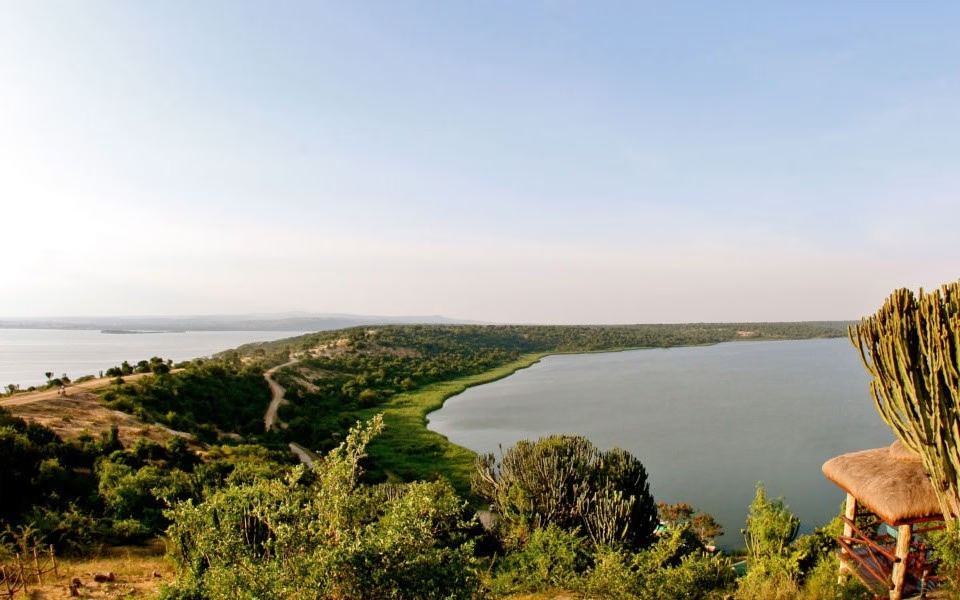
Travel Guide
Mweya Peninsula is one of the most recognizable safari areas within Queen Elizabeth National Park in western Uganda. Positioned within a landscape shaped by waterways, savannah and wildlife habitat, the peninsula provides visitors with convenient access…
Mweya Peninsula is one of the most recognizable safari areas within Queen Elizabeth National Park in western Uganda. Positioned within a landscape shaped by waterways, savannah and wildlife habitat, the peninsula provides visitors with convenient access to game viewing and the famous Kazinga Channel. Its elevated setting also creates attractive views toward surrounding sections of the park.
Travelers visiting Queen Elizabeth National Park often use the Mweya area as a base for exploring several contrasting environments. A morning can be devoted to a game drive, while another part of the day can be spent experiencing the Kazinga Channel from the water. This combination makes the peninsula particularly useful for visitors who want wildlife encounters without changing accommodation every night.
For a wider Uganda safari, Mweya can be connected with primate forests, gorilla trekking regions and other western destinations.
Queen Elizabeth National Park contains varied habitats, and the Mweya Peninsula occupies a strategically useful position within this wider ecosystem.
The landscape around the peninsula offers views across waterways and surrounding plains. This makes the area appealing even during quieter periods between scheduled activities.
Visitors can experience the park from both land and water.
Game drives reveal savannah habitats, while activities around the Kazinga Channel provide a different perspective.
The contrast is important because a safari becomes more interesting when travelers experience an ecosystem in several ways rather than spending every activity inside a vehicle.
The Kazinga Channel is one of the major natural features associated with the Mweya area.
A boat experience along the channel can become a highlight of a Queen Elizabeth National Park itinerary.
From the water, visitors may observe animals and birds using the shoreline.
Wildlife sightings always depend on natural conditions, so no particular encounter should be treated as guaranteed.
However, waterways naturally attract animals for drinking and feeding, making the channel an important wildlife habitat.
The slower pace of a boat activity also contrasts well with a morning game drive.
Photographers can enjoy opportunities to work from a different angle, although equipment should be protected carefully around water.
Game drives allow visitors to explore the wider savannah environment surrounding the peninsula.
Early morning is often an appealing time to begin because wildlife activity and temperatures can differ from the middle of the day.
The guide plays an important role in interpreting the landscape.
A safari is not only about locating large mammals. Tracks, birds, vegetation and animal behavior can all provide insight into the ecosystem.
Visitors should avoid judging the quality of a game drive solely by the number of famous animals photographed.
Wildlife remains unpredictable, and patience is an essential part of safari travel.
Queen Elizabeth National Park supports varied wildlife, and the Mweya region contributes to the park’s reputation as an important safari destination.
Visitors may encounter different species according to location, weather and season.
Some animals remain in open areas, while others may be difficult to see within vegetation.
A knowledgeable guide can help identify signs that travelers might otherwise overlook.
Binoculars are useful even for visitors primarily interested in larger mammals.
They can make distant wildlife easier to observe and greatly improve birdwatching.
Travelers should remember that animals always have right of way and should never be pressured for photographs.
The combination of water, vegetation and open landscapes makes the wider Queen Elizabeth ecosystem interesting for bird enthusiasts.
Visitors do not need to be expert birdwatchers to appreciate this diversity.
A guide can help identify species and explain how different birds use particular habitats.
Travelers specifically interested in bird photography may want binoculars and a telephoto lens.
Patience is especially important because birds frequently move quickly or remain partly hidden.
A longer stay provides more opportunities than attempting to identify a large number of species during a rushed visit.
One of the attractions of Mweya Peninsula Uganda is its broader landscape setting.
The meeting of water, savannah and distant horizons provides attractive views from suitable locations.
Landscape photographers may enjoy the changing light during morning and afternoon.
Cloud, haze and weather conditions can alter the appearance of the same scene dramatically.
Visitors should not focus exclusively on wildlife photographs.
Images showing waterways and the surrounding landscape can tell a more complete story of Queen Elizabeth National Park.
These views also provide quieter moments between active safari excursions.
The wider Mweya area can serve as a practical base for exploring the park.
Travelers should select accommodation according to their budget, preferred comfort level and activity schedule.
Location is particularly important when early game drives or boat activities are planned.
Reducing unnecessary transfers allows more time for rest and wildlife viewing.
Visitors should check the meal plan, room category and facilities included in their booking.
Families may require specific room configurations, while photographers may want reliable charging arrangements.
The right accommodation is the one that works smoothly with the complete itinerary.
Travelers should avoid reducing Queen Elizabeth National Park to a rushed overnight stop whenever their schedule allows more time.
Two or more nights can provide a better opportunity to experience different activities.
One day might include a morning game drive and afternoon boat experience, while additional time allows further exploration.
A longer stay also provides flexibility when wildlife sightings vary.
Travelers combining several Ugandan parks should balance variety with realistic travel times.
Constantly changing accommodation can become tiring and reduce the amount of time available for actual safari activities.
Boat-based wildlife photography requires a slightly different approach from photography inside a safari vehicle.
A moderate or telephoto lens can be useful for animals and birds along the shoreline.
Photographers should maintain a stable position and be aware of the movement of the boat.
Equipment should be protected from spray and accidental contact with water.
Travelers should also remain considerate of other passengers.
Standing suddenly or blocking views can interfere with someone else’s experience.
Responsible photography means creating images without disrupting wildlife, guides or fellow travelers.
Queen Elizabeth National Park is often incorporated into itineraries that also include gorilla trekking in Uganda.
This creates an attractive contrast between savannah and forest environments.
The sequence depends on the complete route.
Travelers may visit Queen Elizabeth before continuing toward the gorilla region or arrive after completing their trek.
Enough transfer time should be included between destinations.
A private driver-guide can coordinate the route and provide information throughout the journey.
Travelers should avoid placing too many demanding activities together without adequate rest.
Visitors interested in primates can also combine the park with chimpanzee experiences elsewhere in western Uganda.
This creates an itinerary that includes several types of wildlife habitat.
Forest trekking requires different preparation from a vehicle-based safari.
Strong walking footwear and appropriate clothing become more important.
A well-designed itinerary should explain these differences before departure so travelers pack correctly.
Combining primates with Queen Elizabeth National Park can provide a broader understanding of Uganda’s ecological diversity.
Safari clothing should be comfortable and practical.
Neutral-colored lightweight clothing works well for many game-viewing days, while an additional layer can be useful during cooler mornings.
Sun protection is important.
Travelers should carry a hat, sunscreen and drinking water.
Binoculars significantly improve wildlife and bird viewing.
Camera users should pack spare batteries and adequate storage.
A small day bag is usually enough for activities.
Important medication and personal essentials should remain accessible rather than being packed deep inside larger luggage.
Wildlife tourism depends on visitors behaving responsibly.
Animals should never be chased, surrounded or deliberately disturbed for photographs.
Visitors should follow the instructions of guides and remain within permitted areas.
Waste should not be left in the park or thrown from vehicles and boats.
Noise should be controlled around wildlife.
Responsible travel also includes respectful interactions with local communities and tourism staff.
Visitors should request permission before photographing people closely.
These practices help ensure that tourism supports rather than damages the destinations travelers come to experience.
Mweya Peninsula provides a strong base for experiencing Queen Elizabeth National Park because it brings together game viewing, water-based activities and panoramic landscapes.
The nearby Kazinga Channel adds an especially valuable dimension by allowing visitors to observe the ecosystem from the water.
Travelers can combine these experiences with game drives and broader exploration of western Uganda.
Those with more time can continue toward primate forests or gorilla trekking destinations.
A successful Mweya visit depends on realistic scheduling, suitable accommodation and enough time to appreciate the landscape without rushing.
For travelers seeking a wildlife-rich destination with access to both terrestrial and aquatic safari experiences, Mweya remains an important part of a carefully designed Queen Elizabeth National Park journey.

26 African Countries Under Full or Partial U.S. Travel Ban (Post-December Update) Following the December update to U.S.…
Read article →
3 Days Congo Gorilla Safari – Encounter the Gentle Giants of Virunga A 3 Days Congo Gorilla Safari…
Read article →
Children and Kids on Safari – Family-Friendly Adventures in Africa Taking children on an African safari is one…
Read article →
How to Plan a Safari in Uganda—Your Complete Travel Guide Planning a safari in Uganda is the start…
Read article →