

26 African Countries Under Full or Partial U.S. Travel Ban (Post-December Update)
26 African Countries Under Full or Partial U.S. Travel Ban (Post-December Update) Following the December update to U.S.…
Read article →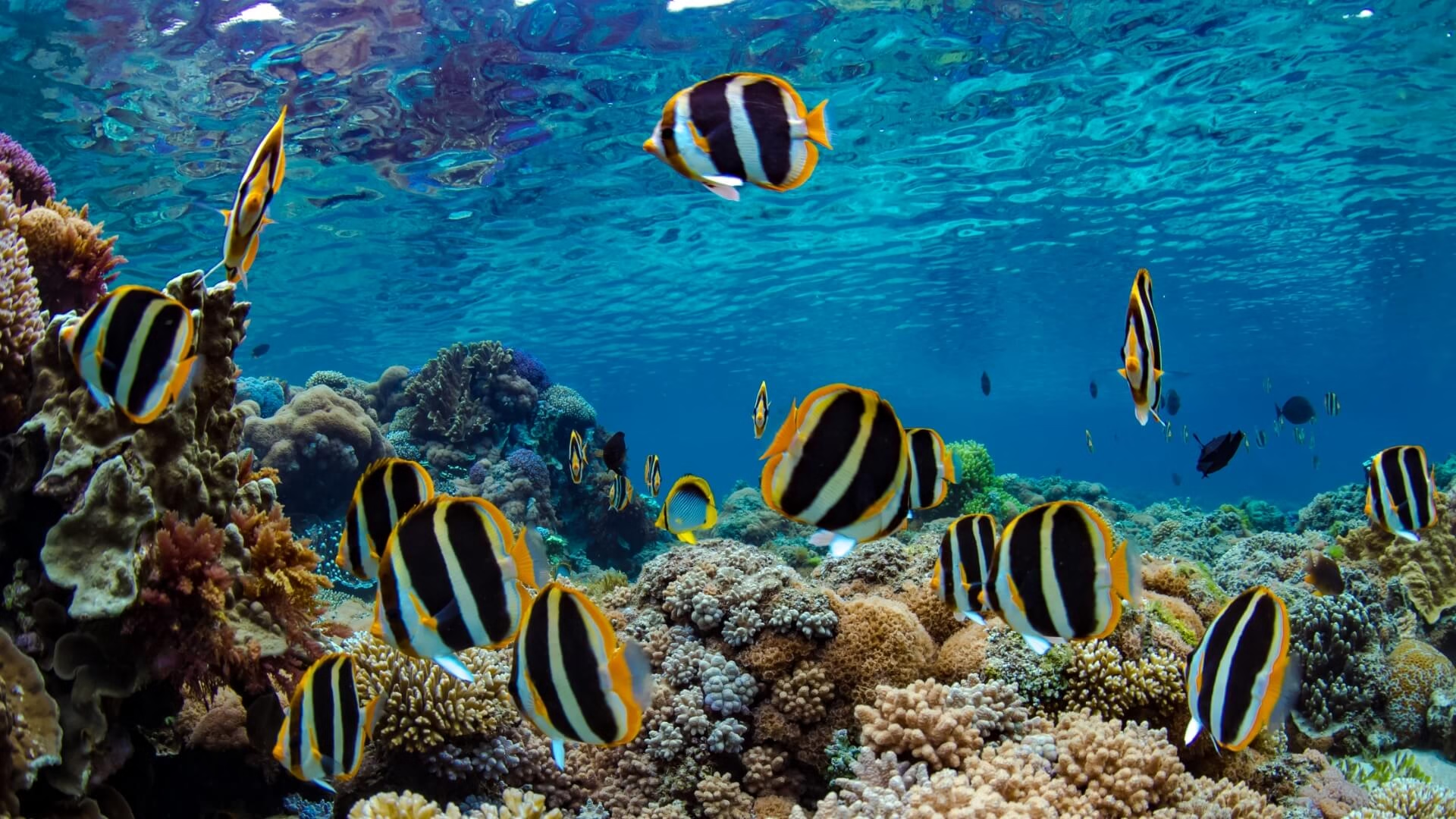
Travel Guide
Explore the beauty of Mombasa Marine National Park. Discover coral reefs, marine life, and thrilling water activities along Kenya’s coastline.
Mombasa Marine National Park—Kenya’s Top Marine Destination introduces travelers to a very different side of a country widely associated with lions, elephants and savannah safaris. Along Kenya’s Indian Ocean coastline, marine protected areas conserve coral ecosystems and the diverse life associated with warm tropical waters.
For visitors combining a wildlife safari with time on the coast, Mombasa provides an opportunity to exchange dusty game-drive roads for beaches, boats, snorkeling and underwater exploration.
The marine environment deserves the same respect given to terrestrial national parks. Coral, fish and other sea life form complex ecosystems that can be damaged by careless tourism.
A responsible visit therefore combines recreation with awareness of the fragile environment beneath the water.
Mombasa lies on Kenya’s Indian Ocean coast.
Warm waters, sandy beaches and coral reef systems have made the wider coastline an important tourism region.
Visitors can combine beach relaxation with cultural exploration and marine activities.
The coastal environment contrasts dramatically with inland safari destinations such as the Maasai Mara.
This makes Mombasa particularly appealing at the end of a longer Kenya holiday.
After several early game drives, a few slower days beside the ocean can create a balanced itinerary.
Coral reefs support extraordinary biodiversity.
They provide habitat, feeding grounds and shelter for numerous marine organisms.
Healthy reef systems can also contribute to coastal resilience and support livelihoods connected with fishing and tourism.
However, coral ecosystems are vulnerable.
Physical damage, pollution, changing ocean conditions and irresponsible visitor behavior can all create pressure.
Marine protected areas help manage human activities while preserving important habitats.
Corals may look like colorful rocks or plants, but reef-building corals are living organisms.
Over long periods, their structures contribute to complex reef environments.
These habitats provide countless hiding places and feeding opportunities.
Visitors snorkeling above a reef may see different shapes and colors within a relatively small area.
Never stand on coral.
Even apparently solid structures can be damaged.
Good buoyancy and careful movement are essential when swimming or diving around reefs.
Snorkeling is one of the most accessible ways to experience the marine environment.
Unlike scuba diving, it generally requires less specialized training.
Visitors use a mask, snorkel and fins to observe underwater life from near the surface.
Comfort in the water remains important.
People who are inexperienced swimmers should use appropriate flotation support and follow professional guidance.
Conditions can change, so visitors should listen to boat crews and guides concerning currents and suitable areas.
Marine sightings vary according to location, season and natural conditions.
Colorful reef fish are often among the most immediately noticeable animals.
Other marine organisms may also be encountered depending on the site.
Visitors should avoid approaching the experience with a rigid checklist.
A healthy reef is interesting because of the complete community rather than one guaranteed species.
Guides can help identify animals and explain relationships within the ecosystem.
Travelers who do not want to snorkel may still be able to explore marine environments through boat experiences.
Glass-bottom boats can provide views beneath the water without requiring guests to swim.
This can be useful for families, mixed groups or travelers who are uncomfortable in deeper water.
The quality of visibility depends on sea conditions.
Calm, clear water generally provides a better experience than rough conditions.
Choose responsible operators that respect protected-area regulations.
Certified divers can explore reefs at greater depth through properly organized diving excursions.
Dive conditions and suitable sites depend on experience level and current sea conditions.
Travelers should use reputable dive operators with appropriate safety standards.
Never exaggerate diving experience simply to access a more advanced site.
Responsible diving also requires excellent buoyancy control around coral.
Equipment should not drag across the reef.
Underwater photography presents technical challenges.
Water absorbs light and changes colors.
Movement makes composition more difficult.
Beginners may find that a simple waterproof camera or housing is easier than carrying complicated equipment.
Whatever equipment is used, photography should not lead to touching or chasing marine animals.
Do not manipulate creatures for photographs.
The objective is to record natural behavior without causing disturbance.
The wider Mombasa coast offers numerous beaches.
Visitors can combine marine park excursions with time relaxing beside the ocean.
Swimming conditions vary by beach, tides and weather.
Travelers should follow local safety advice.
Beach time is particularly attractive after an intensive safari.
Instead of another scheduled excursion, an afternoon can simply be spent resting, walking along the shore or enjoying views of the Indian Ocean.
Tides significantly influence coastal experiences.
A beach can look completely different at high and low tide.
Boat access and snorkeling conditions may also vary.
Tour operators schedule some activities according to tidal conditions.
Visitors should therefore remain flexible rather than insisting on a specific departure time without considering the sea.
Understanding tides is part of traveling responsibly in a coastal environment.
Mombasa can be combined with safari destinations through road, rail or air arrangements depending on the itinerary.
Travelers may begin with wildlife and finish at the coast.
Others arrive in Mombasa first and continue inland.
The ideal sequence depends on international flights and the selected safari route.
Ending at the beach is popular because it provides time to relax after early mornings and long game drives.
Marine activities can appeal to families, but safety must remain the priority.
Children should use appropriate flotation equipment and remain supervised around water.
Age restrictions may apply to certain activities.
A glass-bottom boat can be an excellent option for younger children or family members who do not snorkel.
Families should also choose accommodation with suitable room configurations and child-friendly facilities.
Clear, calm water generally improves snorkeling and boat experiences.
Weather and sea conditions vary, and no operator can control them.
Travelers should build some flexibility into coastal itineraries.
If a marine excursion is a major priority, spending several nights in Mombasa provides alternative opportunities if conditions are unsuitable on one particular day.
A one-night stay leaves very little flexibility.
Bring lightweight clothing suitable for warm coastal conditions.
Sun protection is essential.
Use a hat, sunglasses and appropriate sunscreen.
A rash guard or swimming shirt can provide additional protection during snorkeling.
Water shoes may be useful in some coastal environments, although visitors should still avoid walking on coral.
Bring a reusable water bottle and stay hydrated.
Protect phones and cameras from water and sand.
Responsible behavior is essential within Mombasa Marine National Park—Kenya’s Top Marine Destination.
Do not touch or break coral.
Do not remove shells, coral pieces or marine organisms from protected environments.
Avoid feeding fish simply to attract them for photographs.
Dispose of rubbish properly.
Choose operators that follow regulations and avoid damaging reef systems.
A beautiful marine park remains beautiful only when visitors treat it carefully.
Tourism can create economic reasons to maintain healthy marine environments.
Guides, boat crews, accommodation properties and other businesses benefit when visitors value the coast.
However, tourism can also cause damage if unmanaged.
Conservation requires a balance between access and protection.
Visitors contribute by paying required fees, following rules and choosing responsible services.
Mombasa offers more than marine activities.
The city has a long history shaped by Indian Ocean trade and interaction among African, Arab, Asian and European influences.
Travelers can combine coastal nature with cultural and historical exploration.
This creates a richer itinerary than spending the entire stay inside a beach resort.
Local food also reflects the coast’s diverse history.
For many international visitors, Kenya first means savannah.
Mombasa demonstrates that the country also contains an extensive Indian Ocean world.
Coral ecosystems, tropical water and coastal culture provide a striking contrast with inland wildlife parks.
Combining both environments allows travelers to appreciate Kenya’s geographical diversity.
Mombasa Marine National Park—Kenya’s Top Marine Destination offers an opportunity to experience wildlife below the surface rather than across open grasslands.
Snorkeling, diving and boat trips reveal the importance of coral habitats and the diversity they support.
The experience is most rewarding when approached responsibly.
Look without touching. Photograph without manipulating. Follow guides and respect protected-area regulations.
A Kenya journey that combines savannah wildlife with the Indian Ocean can offer two very different interpretations of a safari: one across the plains and another beneath the sea.

26 African Countries Under Full or Partial U.S. Travel Ban (Post-December Update) Following the December update to U.S.…
Read article →
3 Days Congo Gorilla Safari – Encounter the Gentle Giants of Virunga A 3 Days Congo Gorilla Safari…
Read article →
Children and Kids on Safari – Family-Friendly Adventures in Africa Taking children on an African safari is one…
Read article →
How to Plan a Safari in Uganda—Your Complete Travel Guide Planning a safari in Uganda is the start…
Read article →