

26 African Countries Under Full or Partial U.S. Travel Ban (Post-December Update)
26 African Countries Under Full or Partial U.S. Travel Ban (Post-December Update) Following the December update to U.S.…
Read article →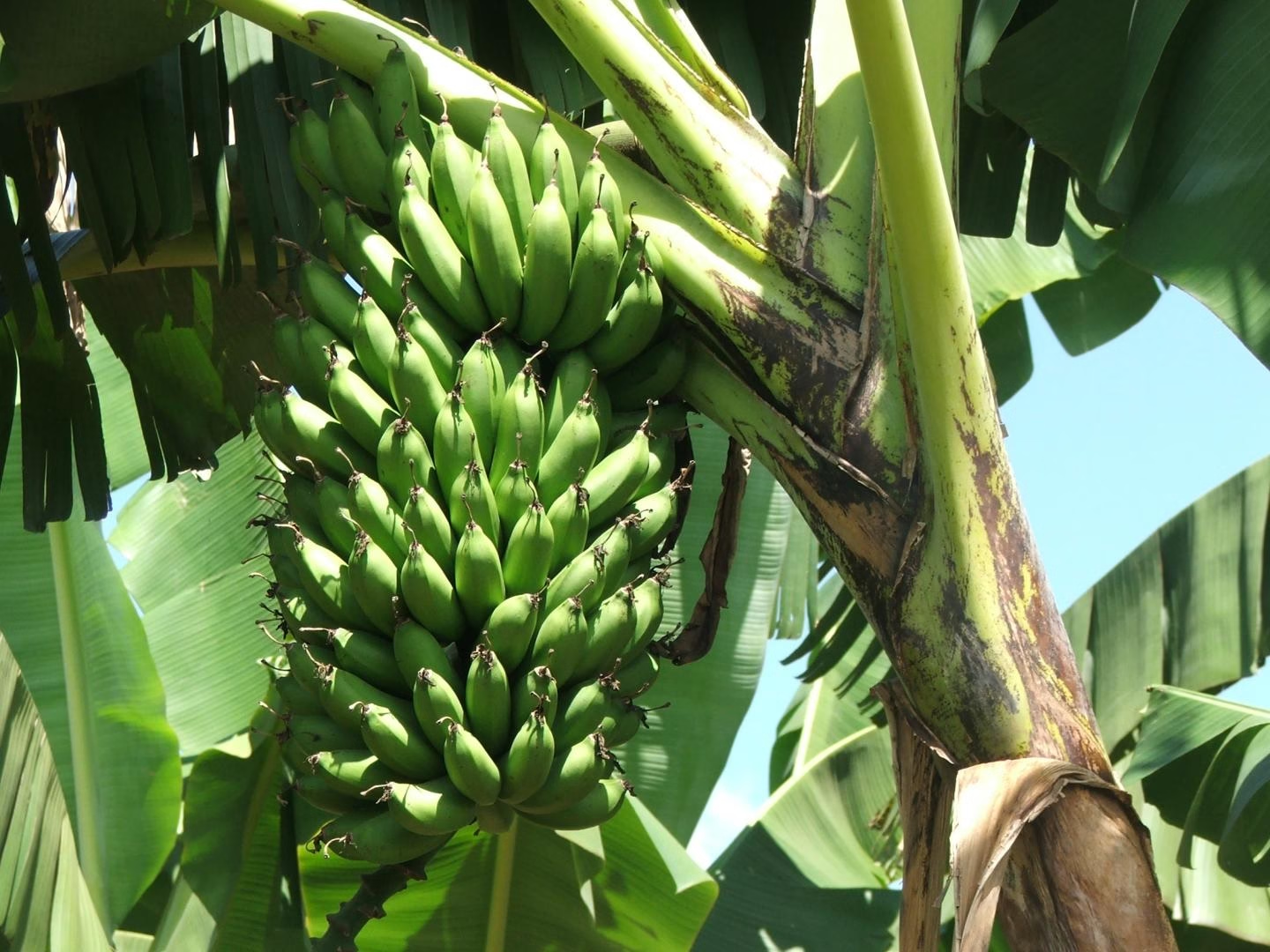
Travel Guide
Discover the rich history, preparation, and cultural significance of Matooke, Uganda’s staple food. Learn why this banana-based dish is loved across East Africa.
Matooke holds a special place in Uganda’s food culture. Made from green cooking bananas that are traditionally peeled, wrapped in banana leaves, steamed, and mashed, the dish is presented in the supplied source as one of Uganda’s most recognizable staple foods.
For many Ugandans, matooke is much more than something placed on a plate at lunchtime or dinner. It is connected with agriculture, family meals, hospitality, ceremonies, community gatherings, and everyday life. The dish can be accompanied by beef or chicken stew, groundnut sauce, beans, goat, or fish, allowing the mild cooked bananas to become the foundation of many different meals.
Travelers interested in understanding Uganda through its food can therefore learn a great deal by experiencing matooke. A traditional meal introduces visitors not only to local flavors but also to the relationship between farming, cooking methods, social gatherings, and hospitality.
Matooke refers to a type of green cooking banana grown in Uganda and other parts of East Africa.
Unlike the sweet bananas commonly eaten raw, matooke bananas are starchy and are cooked before being eaten.
Cooking transforms the firm green bananas into a soft meal that can be mashed or served in other forms.
The supplied source describes matooke as Uganda’s staple food.
Its widespread popularity means travelers can encounter it in many different settings.
It may be served in homes, restaurants, local eateries, celebrations, and other social occasions.
The distinction between cooking bananas and sweet dessert bananas is important.
A traveler seeing a bunch of green matooke bananas for the first time might expect them eventually to be eaten as ordinary ripe fruit.
Instead, they are primarily valued as a cooked food.
Matooke’s relatively mild flavor makes it suitable for pairing with richer sauces and stews.
The accompanying dish can therefore influence the character of the entire meal.
This versatility helps explain why matooke can appear repeatedly without every serving tasting exactly the same.
The supplied source connects matooke particularly strongly with the Baganda people.
It states that the Baganda have cultivated and consumed matooke for centuries.
This long relationship has made the crop an important part of food traditions in central Uganda.
For the Baganda, the source presents matooke as more than an agricultural crop.
It forms part of everyday meals as well as important gatherings.
Its continued preparation links present-day households with long-established food traditions.
The story of matooke begins well before cooking.
Bananas must be cultivated, maintained, harvested, transported, and prepared.
The prevalence of banana plantations across parts of Uganda demonstrates how closely agriculture and cuisine are connected.
The supplied source describes a traditional arrangement in which men handle farming while women prepare matooke.
This should be understood as the source’s description of a traditional practice rather than a rule governing every contemporary Ugandan household.
Modern household roles naturally vary.
The source emphasizes matooke’s role in family gatherings.
Serving a familiar staple to relatives and guests creates continuity.
The dish can be prepared in quantities suitable for larger groups, making it practical for social occasions.
Ceremonies are another context highlighted in the supplied material.
Food plays an important role in hospitality during important events.
Matooke’s cultural familiarity makes it a natural component of many meals.
The source presents matooke as a symbol of hospitality and unity.
Sharing food can bring people together around a common meal.
For visitors, being served matooke in a home or community setting can therefore carry significance beyond simply tasting a local dish.
Preparation varies across Uganda.
The supplied source nevertheless identifies a traditional method based on peeling, wrapping, steaming, and mashing.
Each stage contributes to the final texture.
The first stage is peeling.
A knife is used carefully to remove the thick green skin.
The peeled bananas are then prepared for cooking.
Traditional preparation involves wrapping the peeled bananas in fresh banana leaves.
The supplied source states that this helps preserve moisture and flavor.
Banana leaves therefore function as part of the cooking process rather than simply decoration.
The leaves create an enclosed environment during steaming.
They help keep the food moist while it cooks.
Their use also connects the dish closely with the banana plant itself, since both fruit and leaves contribute to preparation.
The wrapped bananas are placed over boiling water and steamed.
The source describes covering the bundle with additional banana leaves and allowing it to cook for several hours.
Slow steaming softens the bananas thoroughly.
Raw cooking bananas are firm and starchy.
After sufficient steaming, they become much softer.
This allows them to be mashed into the smooth consistency traditionally associated with the dish.
The source describes mashing the cooked bananas using a wooden spoon or traditional pestle.
The objective is to create a soft, smooth meal.
The finished matooke can then be served alongside the chosen sauce or stew.
Not everyone uses the traditional banana-leaf method.
The supplied source states that some people cook matooke directly in a saucepan.
This approach can be more convenient in modern kitchens.
The source also notes that some people prefer not to mash the bananas.
Cooked matooke can instead be sliced or served whole.
This changes the presentation and texture while retaining the same basic ingredient.
Recipes can vary between households.
The amount of mashing, cooking method, accompanying sauce, and seasoning can all differ.
Travelers should therefore avoid assuming that one serving represents the only “correct” version.
One of matooke’s strengths is its ability to work with different accompaniments.
The supplied source identifies beef stew, chicken stew, groundnut sauce, beans, goat, and fish as popular choices.
Each creates a different meal.
Beef stew provides a rich accompaniment.
The soft matooke absorbs sauce well.
This combination can produce a filling meal centered on contrasting textures.
Chicken is another option highlighted in the source.
A flavorful chicken stew can be served over or beside the matooke.
The sauce adds moisture and seasoning to the mild banana base.
Groundnut sauce is one of the most distinctive accompaniments listed.
The creamy peanut-based sauce contrasts with the smooth texture of the cooked bananas.
It can provide a meat-free option depending on how the sauce is prepared.
Beans are identified as a nutritious vegetarian-friendly accompaniment.
The combination can be simple but substantial.
Travelers exploring everyday Ugandan meals may encounter this pairing in local settings.
Goat sauce creates a richer version of the meal.
The stronger flavor of the meat can complement the relatively mild matooke.
Preparation varies according to the cook.
Fish is another accompaniment mentioned in the supplied source.
Different sauces and cooking methods can produce significantly different flavors.
This demonstrates the versatility of matooke as a staple.
The source describes matooke as providing several nutritional benefits.
It identifies carbohydrates, fiber, low fat content, Vitamin C, potassium, and iron among its nutritional characteristics.
These points are retained from the supplied material.
The source describes matooke as rich in carbohydrates.
As a staple food, it forms the energy-providing base of many meals.
Sauces, vegetables, beans, fish, or meat can add other components.
Fiber is another nutritional characteristic highlighted.
The supplied material associates it with digestion and gut health.
Preparation and serving style can influence the overall nutritional composition of the meal.
The source describes matooke itself as relatively low in fat.
The complete meal may differ depending on the sauce, stew, or cooking ingredients served alongside it.
This distinction matters when discussing the nutritional profile.
Vitamin C, potassium, and iron are specifically mentioned in the source.
Rather than treating matooke as only a carbohydrate-rich staple, the material presents it as containing several useful nutrients.
One of the best ways to understand matooke is to see it as an everyday food.
Not every culturally important dish needs to be rare or ceremonial.
Its regular presence is part of what gives matooke its significance.
The supplied source encourages travelers to experience matooke in local homes.
A home-cooked meal can provide insight into preparation and family food traditions.
Such experiences should be arranged respectfully.
Restaurants provide an easier option for many travelers.
Menus may pair matooke with several sauces.
Visitors can ask about preparation methods if they are interested in learning more.
The source also suggests trying matooke in local food settings.
The style may be simpler than a lodge or restaurant presentation.
For travelers interested in food culture, these everyday meals can be particularly informative.
Safari lodges may also serve Ugandan dishes.
Travelers spending several days in the country can ask whether matooke is available.
Including local cuisine can make the safari experience feel more connected with the destination.
A cooking experience can provide a deeper understanding than simply ordering the finished dish.
Peeling, wrapping, steaming, and mashing demonstrate how much preparation is involved.
Visitors also learn why banana leaves matter in the traditional method.
Travelers driving through parts of Uganda frequently see banana plantations.
Understanding matooke helps connect those agricultural landscapes with the meals served later.
The food on the plate becomes part of the landscape seen through the vehicle window.
The supplied source repeatedly emphasizes that matooke represents tradition, hospitality, and everyday life.
Its significance lies partly in familiarity.
It is food associated with home, family, and shared meals.
Travelers looking for a culinary introduction to Uganda do not necessarily need elaborate fine dining.
A carefully prepared plate of matooke with groundnut sauce, beans, beef, chicken, goat, or fish can provide a direct introduction to local food culture.
The experience becomes even more meaningful when visitors understand how the dish is prepared.
Matooke: Uganda’s Favorite Dish and Culinary Staple reflects the close relationship between agriculture, family life, hospitality, and food in Uganda.
The supplied source describes matooke as a starchy green cooking banana traditionally peeled, wrapped in banana leaves, steamed for several hours, and mashed until soft. Modern preparations may use a saucepan or serve the cooked bananas without mashing.
Matooke can be paired with beef or chicken stew, groundnut sauce, beans, goat, or fish, giving the staple considerable versatility.
Its cultural significance is particularly associated in the source with the Baganda, who have cultivated and consumed matooke for generations. The dish is served during everyday meals as well as family gatherings and ceremonies.
For visitors, trying matooke offers more than a new flavor. It provides an accessible way to experience a food tradition connected with Uganda’s farms, households, communities, and long-standing culture of hospitality.

26 African Countries Under Full or Partial U.S. Travel Ban (Post-December Update) Following the December update to U.S.…
Read article →
3 Days Congo Gorilla Safari – Encounter the Gentle Giants of Virunga A 3 Days Congo Gorilla Safari…
Read article →
Children and Kids on Safari – Family-Friendly Adventures in Africa Taking children on an African safari is one…
Read article →
How to Plan a Safari in Uganda—Your Complete Travel Guide Planning a safari in Uganda is the start…
Read article →