

26 African Countries Under Full or Partial U.S. Travel Ban (Post-December Update)
26 African Countries Under Full or Partial U.S. Travel Ban (Post-December Update) Following the December update to U.S.…
Read article →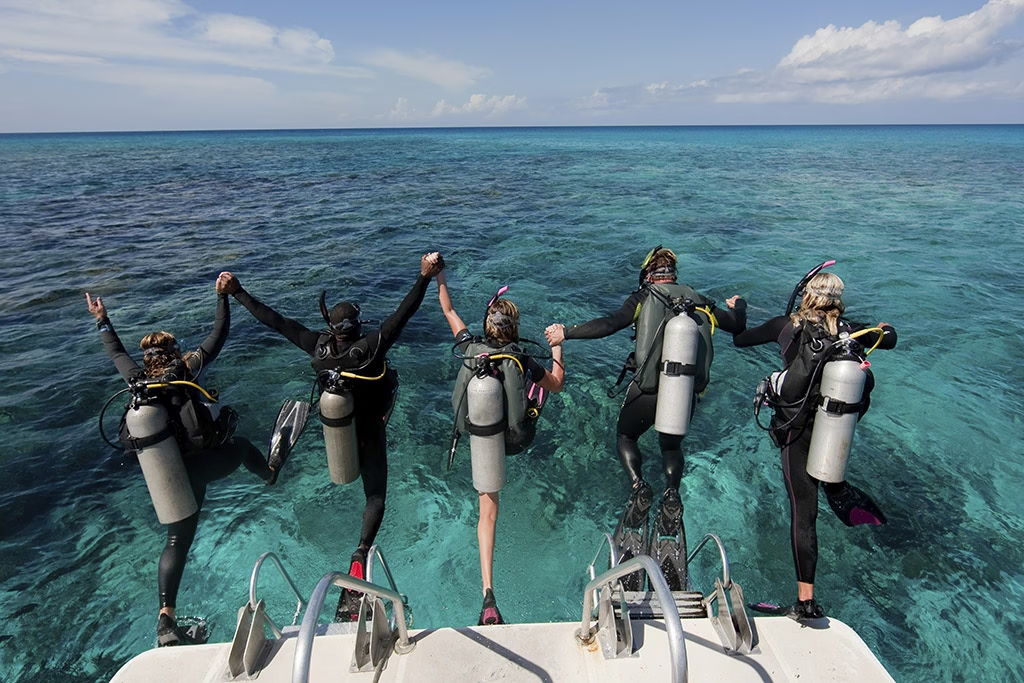
Travel Guide
Kenya’s coastline stretches along the Indian Ocean, offering a stunning underwater world filled with marine biodiversity, colorful coral reefs, and crystal-clear waters.
Kenya’s Coast offers a very different wildlife experience from the country’s famous savannahs. Along the Indian Ocean, coral reefs, marine parks, seagrass environments, fish, turtles, dolphins, rays, and other sea life create an underwater landscape that can become the focus of an entire holiday.
The supplied source highlights several destinations for snorkeling and diving, including Watamu Marine National Park, Kisite Mpunguti Marine Park, Mombasa Marine National Park, and Diani Beach.
These areas allow travelers to experience Kenya from below the surface.
Instead of searching for lions across open plains, visitors can swim over reefs, observe colorful fish, look for sea turtles, or explore marine environments by boat.
This contrast makes the coast particularly attractive as an extension after an inland safari.
The source describes Kenya’s coastline as having clear waters and significant marine biodiversity.
The Indian Ocean shapes the character of the region.
Beaches may be the most visible attraction from land, but much of the biological richness lies beneath the water.
Coral reefs create habitat for fish and other marine animals.
Seagrass environments provide another ecosystem.
Marine parks help protect important sections of this coastal world.
For travelers interested in wildlife, the coast demonstrates that Kenya’s biodiversity extends far beyond elephants, giraffes, and big cats.
Travelers do not necessarily need to be experienced scuba divers to explore Kenya’s Coast.
Snorkeling provides access to shallower marine environments and can be suitable for visitors who prefer remaining near the surface.
Scuba diving allows qualified participants to spend more time underwater and explore deeper areas.
The appropriate choice depends on experience, comfort in the water, and the specific site.
Beginners should use professional operators and suitable instruction.
Even experienced divers should follow local safety procedures because sea conditions can change.
The supplied source identifies Watamu Marine National Park, north of Mombasa, as one of Kenya’s leading snorkeling and diving areas.
Its coral reefs support a range of marine life.
The source mentions sea turtles, angelfish, parrotfish, and dolphins among the animals visitors may encounter.
Clear water can provide good underwater visibility.
This is particularly important for divers and photographers because visibility strongly affects the quality of the experience.
Watamu’s combination of reef habitat and marine species makes it suitable for travelers who want more than a conventional beach holiday.
A coral reef is a complex ecosystem rather than simply a colorful underwater backdrop.
Fish use reef structures for feeding and shelter.
Different species occupy different parts of the habitat.
For snorkelers, moving slowly can reveal far more than swimming quickly across a large area.
Small fish, patterns on coral, and interactions between species may become visible with patience.
Underwater photography also benefits from slow observation.
Instead of chasing marine animals, photographers can allow subjects to move naturally through the scene.
Sea turtles are among the most memorable marine animals identified in the supplied source.
It mentions green, hawksbill, and olive ridley turtles in Kenyan waters.
Seeing a turtle moving through the ocean can become one of the highlights of a snorkeling or diving excursion.
Wildlife should always be given space.
A turtle should not be chased, touched, or blocked simply to obtain a photograph.
Respectful observation allows the animal to continue its natural behavior and creates a more authentic experience for the visitor.
Another destination highlighted by the source is Kisite Mpunguti Marine Park near Wasini Island.
The area is presented as one of Kenya’s notable underwater destinations.
The supplied material mentions dolphins, rays, and more than 250 fish species.
This diversity makes the area attractive to both snorkelers and divers.
A marine excursion can combine time on the water with underwater exploration.
The experience is particularly rewarding for travelers interested in observing several different types of marine animals within one outing.
The source identifies bottlenose and humpback dolphins among the dolphins encountered along the coast.
Dolphins can create enormous excitement when seen from a boat or in the water.
However, responsible wildlife viewing remains important.
Wild dolphins should be allowed to control the interaction.
Boats should not aggressively chase or surround them, and swimmers should follow the instructions of professional guides.
The best encounter is one in which the animals’ natural movement is not disrupted.
The supplied source also highlights seasonal whale shark sightings and states that these animals migrate through Kenyan waters between October and April.
Whale sharks are enormous, but their presence should not be interpreted as a guarantee for every visitor traveling during that period.
Marine wildlife moves according to natural conditions.
For travelers fortunate enough to encounter one, the animal’s scale can make the experience unforgettable.
Responsible operators should prioritize appropriate viewing practices and animal welfare.
For travelers staying around Mombasa, the source identifies Mombasa Marine National Park as an accessible marine destination.
The area is associated with seagrass beds, coral gardens, and a variety of fish.
This accessibility makes it useful for visitors who want to include marine exploration without traveling far from the city.
The source also highlights glass-bottom boat excursions.
These can provide an alternative for travelers who do not want to scuba dive or snorkel.
A glass-bottom boat allows passengers to observe sections of the underwater environment while remaining above the surface.
This can be particularly useful for families, non-swimmers, or travelers who simply prefer not to enter the water.
Although the perspective differs from snorkeling, the experience can still introduce visitors to reef environments and marine life.
A knowledgeable guide can make the trip more informative by explaining what passengers are seeing beneath the boat.
This expands access to the underwater world beyond experienced divers.
The supplied source identifies Diani Beach not only for its famous white sands but also for diving opportunities.
The reef environment is described as supporting turtles, reef sharks, and octopuses.
This adds another dimension to a destination often marketed primarily as a beach retreat.
A traveler can spend part of the day relaxing on shore and another part exploring underwater.
For experienced divers and underwater photographers, the reef can become the central attraction rather than an optional excursion.
The marine animals highlighted by the source demonstrate how varied reef ecosystems can be.
Reef sharks introduce the excitement of observing a predator underwater.
Octopuses offer a completely different type of encounter, often relying on camouflage and subtle movement.
These animals require different observation skills.
A large shark may attract immediate attention, while an octopus can remain difficult to detect even when relatively close.
An experienced dive guide can help visitors notice wildlife they might otherwise miss.
Kenya’s Coast can be highly rewarding for underwater photographers.
Clear water, coral, fish, turtles, rays, and other marine subjects create numerous possibilities.
However, underwater photography introduces technical challenges.
Movement, light, depth, and water clarity all affect the image.
The source’s emphasis on good visibility is therefore important.
Photographers should also avoid damaging reefs or disturbing wildlife while trying to obtain a particular composition.
A strong image should never come at the expense of the marine environment.
The source includes moray eels and rays among the animals commonly associated with Kenya’s coral reef environments.
Moray eels may remain partly hidden in reef structures, requiring careful observation.
Rays provide a contrasting experience as they move through the water or rest in suitable habitats.
These animals demonstrate why divers and snorkelers benefit from looking in several directions.
Interesting wildlife may be above the reef, close to the bottom, inside crevices, or moving through open water.
The supplied source identifies October to April as a favorable period for exploring Kenya’s underwater world.
It associates these months with calmer ocean conditions, good visibility, and abundant marine activity.
The source also connects this period with whale shark movement and turtle activity.
Ocean conditions can vary, so travelers should still check local conditions before scheduling a specific excursion.
A professional dive or snorkeling operator can advise whether conditions are suitable on the day.
One of the strongest reasons to explore Kenya’s Coast is the contrast it provides after a safari.
An inland journey may involve early mornings, game drives, dusty tracks, and long hours searching for terrestrial wildlife.
The coast changes the rhythm.
Visitors can spend time on beaches, travel by boat, snorkel, dive, or simply rest.
Yet wildlife remains part of the journey.
Instead of lions and elephants, the focus shifts to turtles, dolphins, reef fish, rays, and other marine species.
Coral reefs and marine animals can be sensitive to disturbance.
Visitors should avoid touching coral, chasing animals, or leaving waste in the marine environment.
Responsible operators can explain appropriate behavior before an excursion begins.
This matters because the attraction of Kenya’s underwater world depends on healthy ecosystems.
Tourism benefits most when visitors can enjoy marine life without damaging the environment that supports it.
The supplied source presents Kenya’s Coast as a destination where marine wildlife can be as compelling as the country’s better-known savannah animals.
Watamu offers coral reefs and species such as turtles and colorful fish. Kisite Mpunguti provides opportunities involving dolphins, rays, and diverse fish life. Mombasa Marine National Park combines coral and seagrass environments with accessible boat excursions, while Diani adds diving to its famous beach experience.
Together, these destinations show another side of Kenya.
A journey that combines safari with the Indian Ocean can move from game drives on land to wildlife encounters underwater, creating a much broader understanding of the country’s natural diversity.

26 African Countries Under Full or Partial U.S. Travel Ban (Post-December Update) Following the December update to U.S.…
Read article →
3 Days Congo Gorilla Safari – Encounter the Gentle Giants of Virunga A 3 Days Congo Gorilla Safari…
Read article →
Children and Kids on Safari – Family-Friendly Adventures in Africa Taking children on an African safari is one…
Read article →
How to Plan a Safari in Uganda—Your Complete Travel Guide Planning a safari in Uganda is the start…
Read article →