
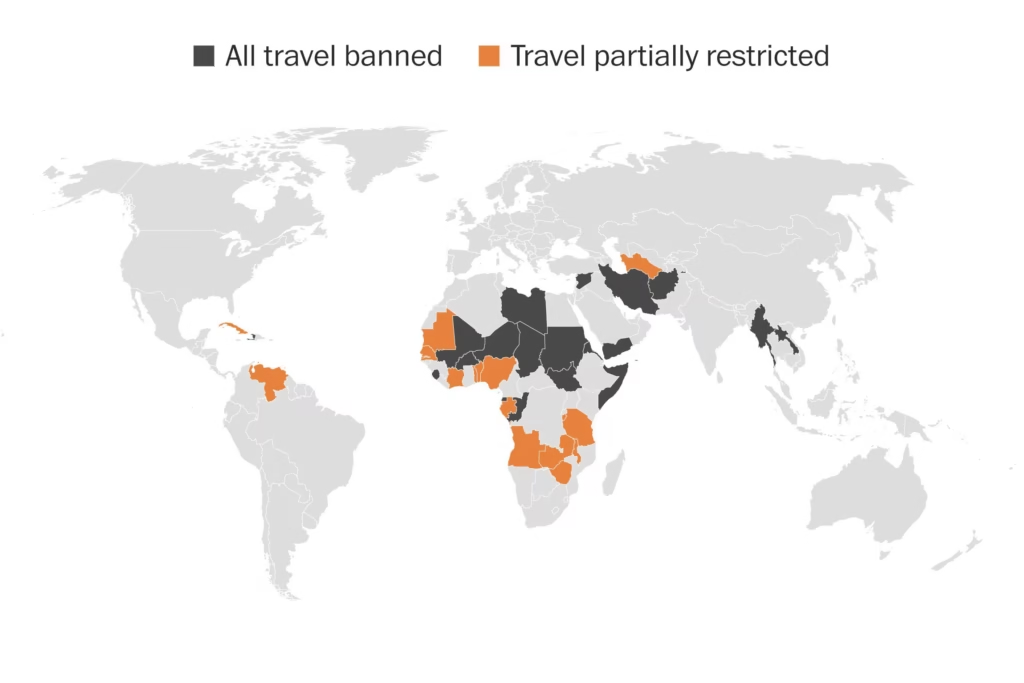
26 African Countries Under Full or Partial U.S. Travel Ban (Post-December Update)
26 African Countries Under Full or Partial U.S. Travel Ban (Post-December Update) Following the December update to U.S.…
Read article →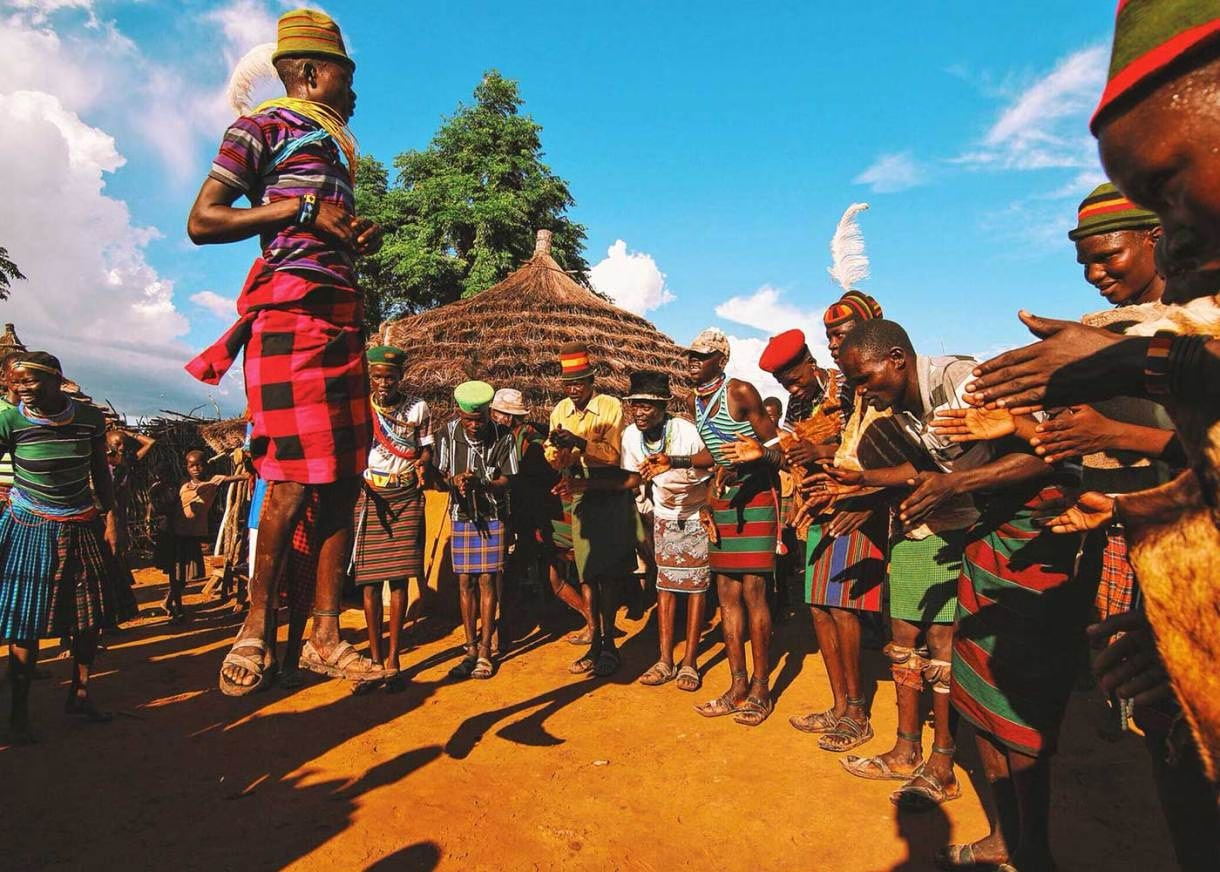
Travel Guide
Explore Karamoja Region transformation in 2024–2025 through cultural festivals, economic growth, and community initiatives. Discover upcoming events and development plans
The Karamoja Region 2024 – 2025 provides an opportunity to look at one of northeastern Uganda’s most distinctive areas through culture, tourism and changing community opportunities. Karamoja is characterized by extensive landscapes, strong pastoral traditions and cultural identities that differ noticeably from Uganda’s more heavily visited southwestern tourism circuit.
Travelers who know Uganda primarily through gorilla trekking, the Nile and savannah parks may find Karamoja particularly revealing. The region shows another side of the country, shaped by livestock, dryland environments, mountains and cross-border cultural connections.
Tourism can contribute to development when it is built around local participation and realistic representation rather than stereotypes.
Karamoja occupies northeastern Uganda and shares cultural and ecological connections with neighboring areas of East Africa.
The region contains broad plains, mountain environments and communities with long histories of pastoralism.
Livestock, particularly cattle, have traditionally held economic and social importance.
Karamoja has frequently been portrayed from outside primarily through conflict, poverty or food insecurity.
Those issues form part of its modern history, but they do not define the entirety of the region.
Travelers benefit from approaching Karamoja as a living cultural landscape rather than through a single narrative.
Tourism can help broaden how the region is understood.
Visitors may come for cultural experiences, hiking, wildlife and landscapes.
These activities create opportunities for local guides, accommodation providers, drivers, craftspeople and community tourism initiatives.
The strongest tourism development does not simply import businesses from elsewhere.
It creates local participation and allows residents to help determine how their communities are presented.
This is particularly important in culturally sensitive destinations.
Kidepo Valley National Park is one of the region’s best-known tourism attractions.
Its remote location and dramatic landscapes give it a different character from Uganda’s more accessible western parks.
Visitors can experience savannah wildlife surrounded by expansive scenery.
Kidepo can serve as the anchor for a longer northeastern Uganda itinerary.
Instead of flying or driving directly into the park and immediately leaving, travelers can add cultural and landscape experiences elsewhere in Karamoja.
Mount Moroto provides another important attraction.
The mountain environment contrasts with surrounding dryland landscapes and can support hiking and community-based tourism.
A guided hike offers more than physical exercise.
Local guides can explain vegetation, settlement patterns and the relationship between communities and the mountain.
Hiking conditions vary, so travelers should prepare according to the selected route rather than assuming every walk is easy.
Moroto is an important urban center within the region and a useful base for travelers.
The town provides an opportunity to observe contemporary life in Karamoja rather than seeing the region exclusively through rural tourism experiences.
Markets, accommodation and local businesses can form part of a broader visit.
Spending time in town also challenges the idea that cultural tourism must always involve a remote village.
Modern urban life is part of Karamoja’s culture too.
Cattle have long been important within Karamojong pastoral culture.
Livestock can represent food, wealth and social relationships.
Understanding this context helps visitors appreciate why pastoralism is more than an economic activity.
It is connected with identity and community life.
Environmental conditions influence grazing and movement, making pastoral knowledge particularly important in dryland regions.
Tourism should explain these relationships without reducing people to a romantic image of traditional cattle keepers.
Community visits can introduce travelers to architecture, food, livestock traditions, dance and other aspects of local life.
The quality of the experience depends heavily on how it is organized.
Communities should participate willingly and receive meaningful benefits.
Visitors should ask permission before photographing people.
A cultural tour should create conversation rather than simply moving travelers through a settlement while a guide speaks on everyone’s behalf.
Settlement patterns and homestead design can provide insight into family and livestock organization.
Guides can explain how different spaces are used and why structures are designed in particular ways.
Travelers should remember that these are people’s homes.
Do not enter private areas without invitation.
The fact that a place appears culturally interesting does not make it public property.
Respectful behavior is fundamental to community tourism.
Festivals and organized cultural events can create opportunities for communities to celebrate music, dance, dress and heritage.
For travelers, they can provide concentrated exposure to cultural expression.
However, event dates and programs can change.
Anyone planning a trip around a particular event during Karamoja Region 2024 – 2025 should confirm current information with organizers rather than relying on old schedules.
Festivals are community occasions first and tourism attractions second.
Tourism can support local enterprise through the purchase of crafts and other products.
Travelers should ask where items were produced.
Buying directly from artisans can create a clearer economic connection than purchasing mass-produced souvenirs.
Fair purchasing practices matter.
Aggressive bargaining over very small differences may save the visitor little while reducing the benefit to the producer.
Community-based tourism can be particularly important in destinations such as Karamoja.
When residents guide visitors or manage tourism activities, more of the economic value can remain locally.
It also gives communities greater control over how their culture is represented.
This helps move tourism away from the idea that local people are merely attractions.
They become hosts, guides and tourism entrepreneurs.
Travel in Karamoja requires thoughtful planning because distances can be substantial.
Road conditions may vary with weather and location.
Some travelers use road itineraries connecting northeastern Uganda with other destinations, while others incorporate flights for certain sectors.
A reliable vehicle and an experienced driver are valuable.
Travelers should avoid creating an itinerary that looks efficient on a map but leaves most days dominated by transfers.
Tourism alone cannot solve every development challenge.
However, it can contribute to diversified income when carefully managed.
Accommodation, guiding, food supply, transport and crafts all create potential economic connections.
The objective should be to develop tourism in ways that complement local priorities rather than replacing established livelihoods.
Responsible tourism development also needs to protect the landscapes and cultural resources that visitors come to experience.
Karamoja’s wildlife and natural landscapes exist alongside communities that depend on land and natural resources.
Conservation approaches must therefore consider human needs.
Protected areas can create tourism revenue and preserve biodiversity, but restrictions may also affect local access to resources.
Long-term success requires meaningful relationships between conservation authorities and communities.
Visitors should recognize this complexity instead of assuming conservation is simply a matter of drawing boundaries around wildlife.
A well-designed trip might combine Kidepo Valley National Park with cultural experiences and time around Moroto.
This provides a mixture of wildlife, landscapes and community tourism.
The route should be paced carefully.
Karamoja’s appeal comes partly from its sense of space, and rushing between destinations undermines that experience.
Allowing several days also creates flexibility when road conditions or local arrangements change.
The region is visually striking.
Open landscapes, mountains, livestock and community life provide many photographic possibilities.
Landscape photography generally creates fewer ethical concerns than portrait photography.
When photographing people, permission matters.
Children should not be treated as automatic subjects simply because a visitor finds their surroundings interesting.
The best travel photography grows from respectful interaction.
One of the most important considerations for Karamoja Region 2024 – 2025 tourism is how the region is represented.
Descriptions that portray communities as primitive or unchanged by modern life are inaccurate and disrespectful.
People can maintain cultural traditions while using modern technology, participating in formal education and running contemporary businesses.
Culture is not valuable only when it looks old.
Tourism should recognize both continuity and change.
Travelers can contribute positively by using knowledgeable local guides, staying at responsible accommodation and purchasing local products.
Listen before photographing.
Follow community protocols.
Avoid giving random gifts to children.
Support organized initiatives where possible.
Visitors should also travel with realistic expectations about infrastructure.
Karamoja’s relative remoteness is part of its character, but it requires patience and flexibility.
Although the title focuses on Karamoja Region 2024 – 2025, the region’s story extends far beyond a two-year period.
Tourism, infrastructure, community initiatives and cultural events continue to evolve.
Visitors should therefore confirm current arrangements before traveling.
What remains consistent is Karamoja’s ability to provide a distinctive Uganda experience built around landscapes, pastoral heritage, community life and access to northeastern attractions such as Kidepo Valley National Park.
For travelers willing to move beyond Uganda’s conventional circuit, Karamoja can provide a deeper understanding of the country’s diversity.
Its future as a tourism destination will be strongest when development protects local dignity, creates meaningful economic opportunities and allows communities to shape how their own region is presented.

26 African Countries Under Full or Partial U.S. Travel Ban (Post-December Update) Following the December update to U.S.…
Read article →
3 Days Congo Gorilla Safari – Encounter the Gentle Giants of Virunga A 3 Days Congo Gorilla Safari…
Read article →
Children and Kids on Safari – Family-Friendly Adventures in Africa Taking children on an African safari is one…
Read article →
How to Plan a Safari in Uganda—Your Complete Travel Guide Planning a safari in Uganda is the start…
Read article →