
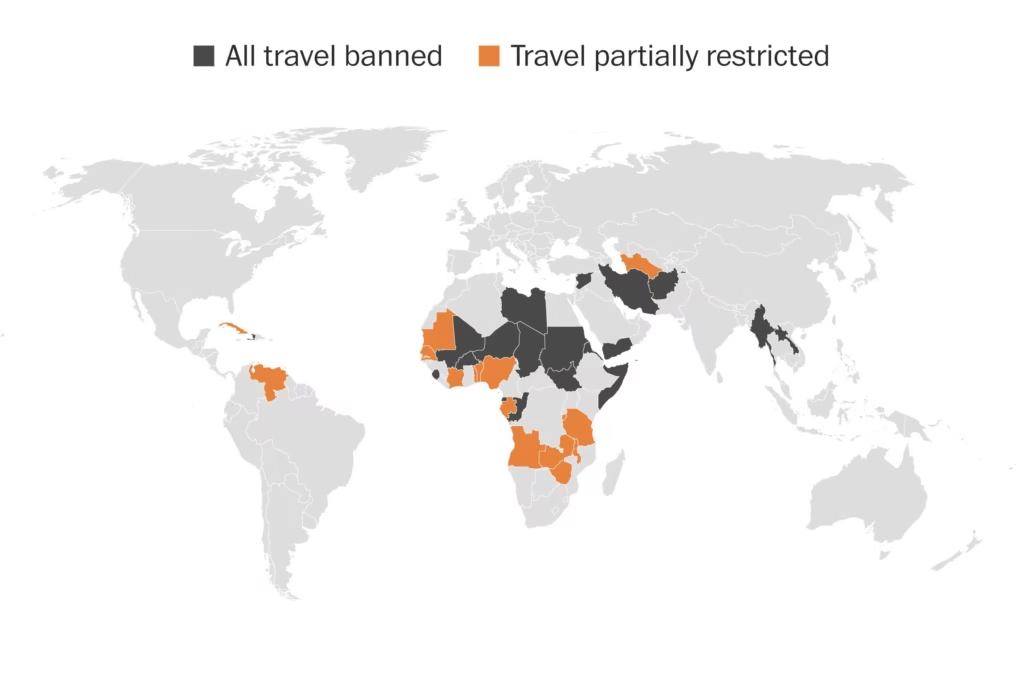
26 African Countries Under Full or Partial U.S. Travel Ban (Post-December Update)
26 African Countries Under Full or Partial U.S. Travel Ban (Post-December Update) Following the December update to U.S.…
Read article →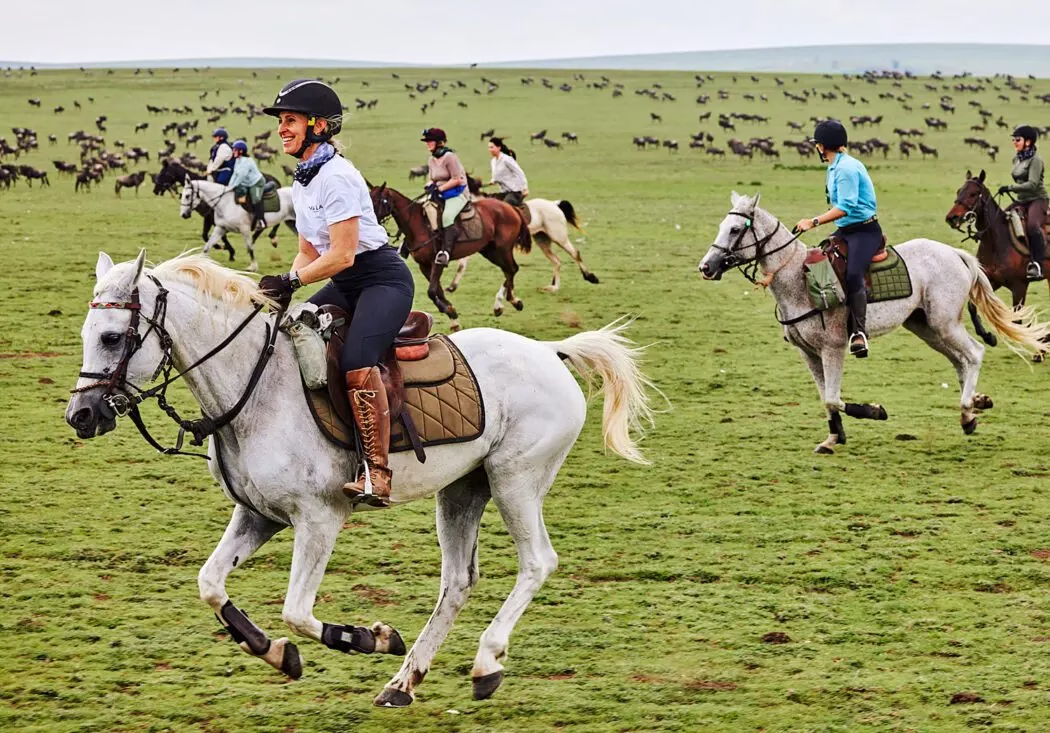
Travel Guide
A horseback riding safari is a guided wilderness adventure on horseback. Riders explore open plains, woodlands, or valleys, often among wild animals. It’s one of the most intimate and exciting ways to experience Africa’s landscapes. Top…
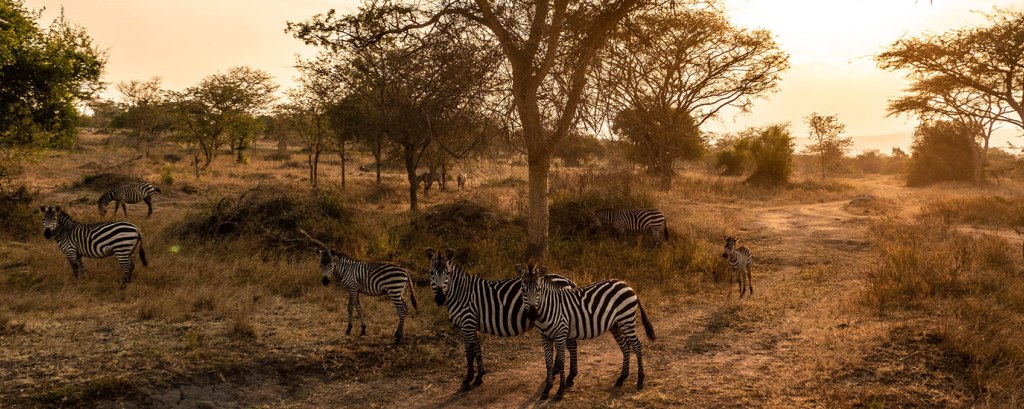
A horseback riding safari is a guided wilderness adventure on horseback. Riders explore open plains, woodlands, or valleys, often among wild animals. It’s one of the most intimate and exciting ways to experience Africa’s landscapes.
Top destinations include:
Each offers unique terrain and wildlife experiences.
Most horse riding safaris require intermediate to advanced riding skills. You should:
Some camps offer beginner-friendly options, but these are rare. Always check with the operator.
Yes, but only with trained guides. Horses are well-schooled around wildlife. Guides understand animal behavior and how to respond calmly. You’ll often ride in smaller groups to avoid stress on animals or horses.
Your safety—and the animals’—comes first.
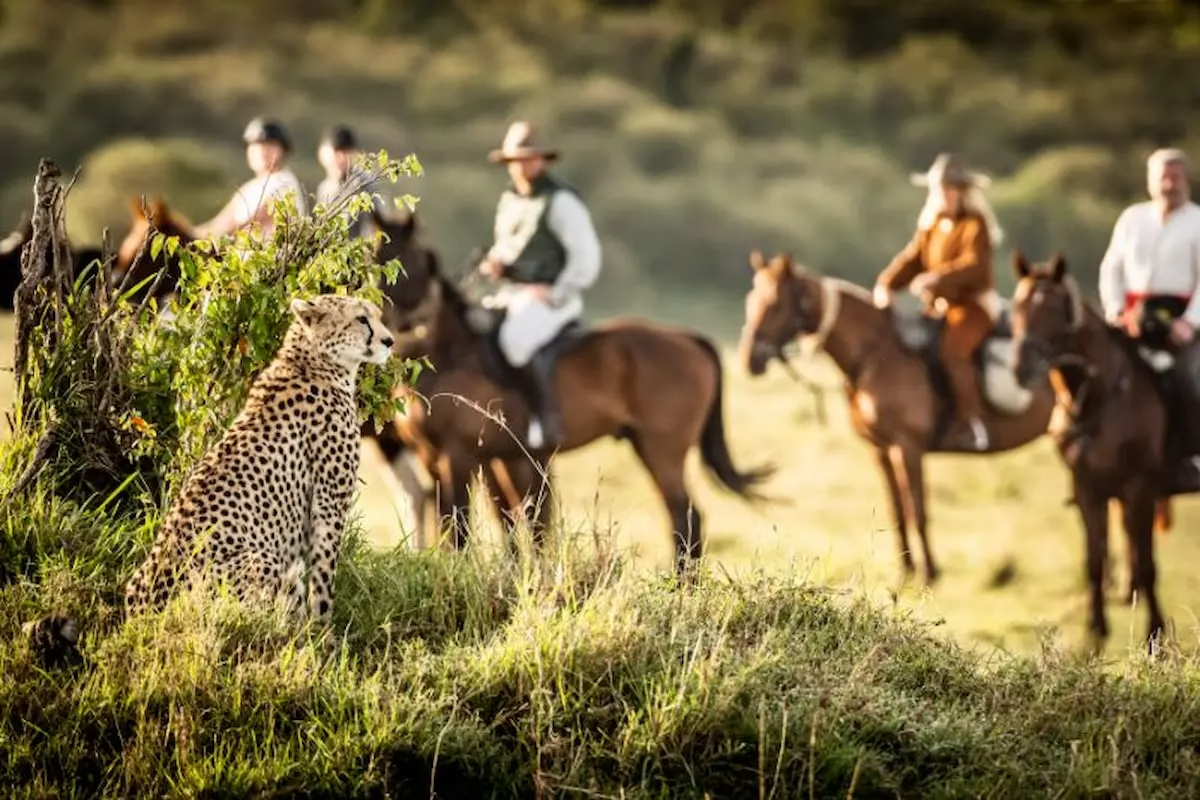
You may ride near:
Horses blend into the environment, allowing close but respectful wildlife encounters.
Pack light but practical. Essentials include:
Choose neutral colors (khaki, brown, green). Avoid bright clothing.
Yes. Travel insurance is mandatory for most horse safaris. It must cover:
Check that your policy includes “adventure activities” or “equestrian sports.”
Yes, some camps or tours allow non-riders. They can join game drives, bush walks, or cultural activities while riders explore on horseback. It’s a good option for couples or families with mixed interests.
Trips range from 3 to 10 days. Some are lodge-based with daily rides; others are mobile safaris with fly camps. Longer rides often include multi-day point-to-point journeys across landscapes like the Okavango or Namib desert.
Each day brings new terrain, wildlife, and moments.
Absolutely. Reputable safari operators treat horses as family. They receive:
Operators match horses to rider experience for safety and comfort.
The dry season is best: June to October in most countries. Wildlife viewing is better, and ground conditions are safer for horses. Some regions also offer green season rides from December to March, though trails may be wetter.
At VisitRwandaGorilla.com, we partner with trusted horseback safari operators in Botswana, Kenya, Namibia, and Tanzania.
👉 Contact Us to plan your perfect equestrian safari.
Still Have Questions?
Talk to a safari specialist
26 African Countries Under Full or Partial U.S. Travel Ban (Post-December Update) Following the December update to U.S.…
Read article →
3 Days Congo Gorilla Safari – Encounter the Gentle Giants of Virunga A 3 Days Congo Gorilla Safari…
Read article →
Children and Kids on Safari – Family-Friendly Adventures in Africa Taking children on an African safari is one…
Read article →
How to Plan a Safari in Uganda—Your Complete Travel Guide Planning a safari in Uganda is the start…
Read article →